The importance of curiosity and intrinsic motivation in self-directed learning

Understanding Curiosity in Learning Dynamics
Curiosity can be likened to the fuel that powers the engine of learning and discovery. It is an innate trait that compels individuals to venture into uncharted territories of knowledge, prompting them to ask questions, seek answers, and explore concepts beyond their comfort zones. This drive to learn is fundamental to self-directed learning, a process through which individuals take charge of their educational paths. When curiosity meshes with intrinsic motivation, it elevates the learning experience from a mere requirement to an enriching adventure that captivates learners’ minds.
Several critical factors underscore the significance of cultivating curiosity and intrinsic motivation in educational settings:
- Engagement: Learners who possess a curious mindset are often more fully engaged with the material at hand. For instance, a student fascinated by environmental science may delve into research beyond their curriculum, eagerly participating in discussions or projects that fuel their passion. This deep engagement leads to a more profound understanding of complex topics and fosters a genuine interest in lifelong learning.
- Innovation: Intrinsic motivation, the desire to learn for personal satisfaction rather than external rewards, is a catalyst for creativity. In innovative fields, such as technology or the arts, individuals driven by passion often challenge norms and explore novel solutions. For example, the development of groundbreaking applications like Spotify and Instagram emerged from individuals who were not merely seeking profit but were genuinely interested in creating unique platforms that aligned with their passions.
- Persistence: Curiosity instills a sense of resilience in learners. Those motivated to explore further are more likely to confront obstacles head-on without losing enthusiasm. Think of an inventor like Thomas Edison, who famously tested thousands of materials in his quest for the perfect light bulb. His unwavering persistence, fueled by curiosity, ultimately led to one of the most impactful inventions in history.
In today’s fast-paced world, where traditional educational systems often struggle to meet the diverse needs of learners, self-directed learning has emerged as a vital approach for both personal and professional growth. This paradigm shift emphasizes the learner’s active role in navigating their educational journey. By prioritizing curiosity and motivation, educational systems can foster environments that promote exploration and innovation.
Moreover, understanding the interplay between curiosity and intrinsic motivation can reshape approaches to education profoundly. Whether through personalized learning plans or hands-on project-based learning experiences, educators can ignite passion within their students, ultimately allowing them to carve out individualized pathways to knowledge. As society evolves, recognizing and nurturing these traits becomes essential in shaping empowered, forward-thinking individuals ready to tackle the complexities of the future.
LEARN MORE: Click here for insights on optimizing your time management
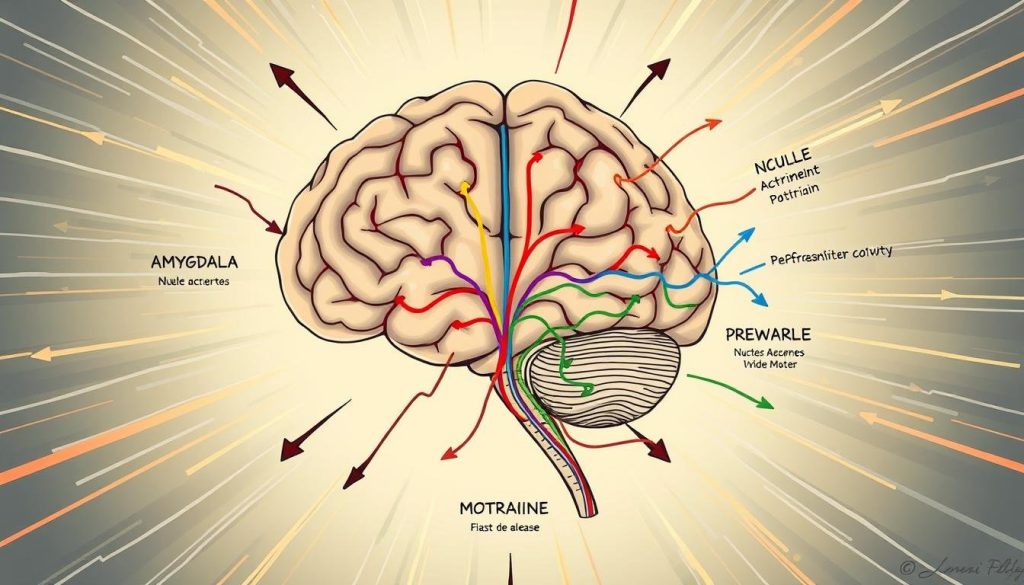
The Role of Curiosity and Intrinsic Motivation in Enhancing Learning Outcomes
To fully appreciate the transformative power of curiosity and intrinsic motivation in self-directed learning, it is crucial to explore how these elements intertwine to create engaging and enriching educational experiences. Curiosity acts as a foundation that encourages a desire for knowledge, while intrinsic motivation provides the energy necessary to seek that knowledge relentlessly. This combination not only enhances learning outcomes but also fosters a more profound, lifelong love for learning.
One of the most notable benefits of fostering curiosity and intrinsic motivation in learners is the development of critical thinking skills. When individuals are encouraged to ask questions and seek answers driven by their interests, they cultivate the ability to analyze, evaluate, and synthesize information. This skill set is invaluable in both personal and professional settings. For instance, a student intrigued by the concept of renewable energy might research solar panel technology. As they delve deeper, they learn not only about the technical aspects but also about the social, economic, and environmental implications of energy consumption. This holistic understanding prepares them for informed decision-making later in life.
Intrinsically motivated learners are more likely to master self-regulation strategies essential for effective learning. They set personal goals, monitor their progress, and adapt their approaches as needed. This self-regulation enables learners to take control of their educational journeys, leading to greater autonomy and confidence. Notably, studies have shown that students who engage in self-directed learning with high levels of intrinsic motivation tend to achieve better academic outcomes compared to their peers who lack this motivation.
Factors Influencing Curiosity and Intrinsic Motivation
Understanding the factors that stimulate curiosity and intrinsic motivation can guide educators in creating an environment that nurtures these traits. Here are several key factors that influence curiosity and intrinsic motivation in learning:
- Autonomy: Providing learners with the freedom to choose their learning paths enhances their sense of ownership, fostering intrinsic motivation. When students feel accountable for their learning, they are more likely to pursue subjects that interest them.
- Relevance: Connecting educational content to real-world applications stimulates curiosity. When learners see how what they learn is applicable to their lives or future careers, their desire to engage with the material increases.
- Challenge: Introducing appropriately challenging tasks encourages learners to push their boundaries. A moderate level of difficulty ignites curiosity and builds resilience as students strive to overcome obstacles.
- Supportive Environment: Creating a supportive and safe learning atmosphere encourages students to ask questions and explore their interests. Positive reinforcement and constructive feedback play significant roles in fostering confidence and motivation.
In conclusion, integrating curiosity and intrinsic motivation into educational frameworks can profoundly impact the learning experience. Acknowledging the ways these elements enhance critical thinking, self-regulation, and overall educational outcomes allows educators, institutions, and learners alike to appreciate the transformative potential of self-directed learning.
| Advantages | Impact on Learning |
|---|---|
| Enhanced Knowledge Retention | Curiosity drives individuals to seek deeper understanding, leading to better retention of information. |
| Increased Engagement | Intrinsic motivation fosters a genuine interest in learning, keeping learners more engaged and active in their educational pursuits. |
Curiosity fuels the desire to explore and understand the world around us, making it a powerful driver of self-directed learning. When individuals are curious, they are more likely to ask questions, seek answers, and actively pursue topics of interest, further cementing their knowledge base. This active exploration not only enhances knowledge retention but also cultivates a lifelong love for learning.Moreover, when learners are intrinsically motivated, they engage more deeply with material, often leading to higher levels of achievement. This engagement is crucial in self-directed learning environments where learners must navigate their own educational paths. With such motivation, the process of learning becomes not just a goal but an exciting journey filled with discovery and personal growth. Exploring how curiosity and intrinsic motivation work together can reveal methods for enhancing learning experiences across various settings.
DISCOVER MORE: Click here to enhance your skills
Curiosity and Intrinsic Motivation: Catalysts for Lifelong Learning
Curiosity and intrinsic motivation serve as powerful catalysts for lifelong learning, encouraging individuals not only to pursue knowledge but to embrace their roles as active participants in the learning process. This active engagement leads to deeper understanding and retention of information. When learners are genuinely interested in what they are studying, they are more likely to explore subjects beyond the surface level, asking questions that lead to new discoveries and insights.
Research from the University of California shows that students who nurture their curiosity by engaging in self-directed learning report higher satisfaction rates in their educational experiences. This alignment with personal interests and passions often results in a greater depth of knowledge acquired, as students take the initiative to delve into topics of significance to them. For example, a teenager fascinated by computer programming might begin by learning basic coding languages but, driven by curiosity, may go on to explore advanced theories in artificial intelligence, connecting concepts from various fields along the way.
Moreover, an environment that emphasizes curiosity encourages learners to view failures not as setbacks but as opportunities for growth. When students are intrinsically motivated, they tend to adopt a growth mindset, propelling themselves through challenges with the understanding that effort leads to improvement. This perspective aligns with findings from the American Psychological Association, which notes that students who practice self-directed learning often demonstrate greater persistence and resilience in the face of difficulties, further enhancing their learning outcomes.
Creating a Culture of Curiosity and Intrinsic Motivation
Incorporating strategies to cultivate curiosity and intrinsic motivation can lead to a dynamic and enriching learning culture. Here are several actionable approaches that educators and institutions can utilize to foster these essential traits:
- Inquiry-Based Learning: Encouraging students to frame their own questions and pursue answers cultivates curiosity. This method not only prompts learners to take initiative but also allows them to explore topics more deeply than traditional rote learning methods.
- Project-Based Learning: Providing opportunities for students to engage in projects relevant to their interests can enhance intrinsic motivation. These projects foster a sense of ownership, as students take pride in their work and learn to navigate both the creative and logistical aspects of completing a task.
- Peer Collaboration: Creating collaborative spaces where learners can share ideas and engage in discussions fuels curiosity. Interaction with diverse perspectives helps students reassess their viewpoints and motivates them to learn from each other.
- Real-World Connections: Connecting academic material to current events, career opportunities, or community projects can evoke interest. By showing how knowledge is applicable and impactful in the real world, learners are more likely to invest themselves in their studies.
Implementing these strategies can turn traditional educational experiences into vibrant learning adventures, emphasizing the significance of curiosity and intrinsic motivation within self-directed learning. Educators who recognize and harness these qualities can pave the way for developing independent thinkers prepared to navigate the complexities of the modern world.
DISCOVER MORE: Click here to learn how technology can boost your motivation</p
Conclusion: Embracing Curiosity and Intrinsic Motivation in Education
In an age where information is at our fingertips, the significance of curiosity and intrinsic motivation cannot be overstated in the realm of self-directed learning. These qualities not only enhance the educational journey but also ensure that individuals become lifelong learners, equipped to adapt and thrive in a constantly changing world. By igniting the flame of curiosity, learners dive deeper into subjects that captivate them, leading to richer learning experiences and a genuine thirst for knowledge. Intrinsically motivated individuals are more resilient, viewing obstacles as stepping stones rather than deterrents, which fosters their ability to navigate complex challenges effectively.
Implementing educational practices that promote inquiry-based and project-based learning, along with creating collaborative environments, lays the foundation for a love of learning. When students feel a connection to their studies, they are more likely to explore subjects passionately and creatively, paving the way for innovation and personal growth. Furthermore, as educators recognize the power of these elements, they can inspire the next generation of independent thinkers prepared to confront societal challenges.
Ultimately, cultivating a culture that honors curiosity and intrinsic motivation can revolutionize our approach to education. By valuing these traits, we can ensure that learners are not just passive recipients of information, but active creators of knowledge, ready to engage with the world around them. As we move forward, let us prioritize fostering these invaluable qualities to prepare individuals for a bright and successful future.