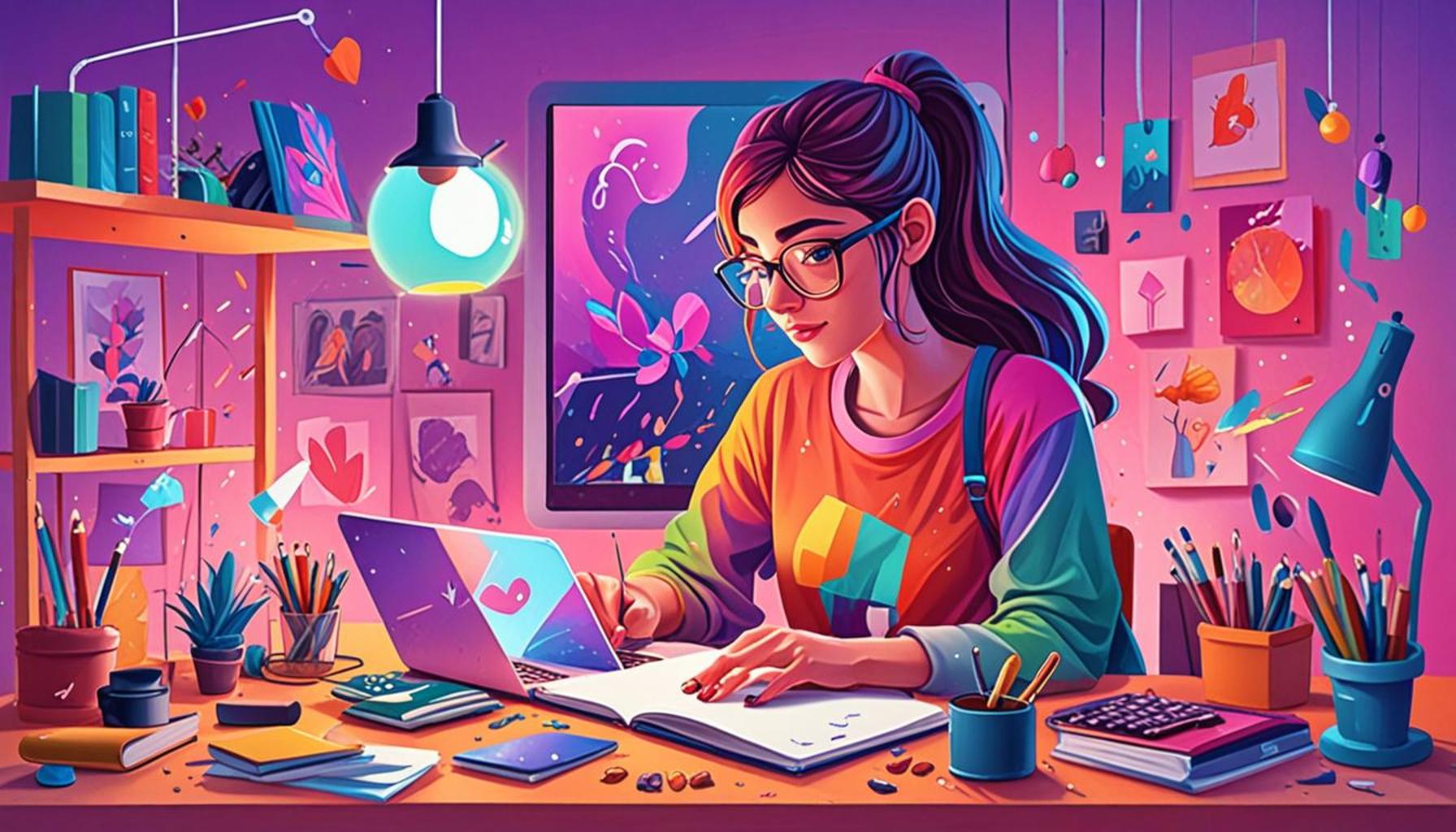
The importance of adaptability in the approach to independent learning

The Importance of Adaptability in Learning Environments
In today’s rapidly changing world, adaptability has emerged as a vital skill, especially in the realm of independent learning. As learners navigate through an ever-expanding array of resources and methodologies, the ability to adjust one’s approach becomes crucial for achieving educational success. With the explosion of technology and information available at one’s fingertips, the traditional classroom setting is evolving, and so are the ways students learn.
Independent learning can differ drastically based on several factors, including:
- Your learning style
- The subject matter
- The available resources
For instance, a student who identifies as a visual learner might benefit immensely from using online platforms that incorporate videos and graphics. Research has shown that engaging with multimedia content can enhance retention rates by up to 60%. Furthermore, when a visually inclined learner integrates resources like interactive diagrams or educational infographics, the learning experience becomes more dynamic and memorable.
On the other hand, a learner studying a complex subject like mathematics may find that adapting their study techniques to include practical problem-solving exercises or group discussions significantly increases comprehension. In collaborative projects, shifting from solitary study to interactive learning allows for a broader range of perspectives and insights, ultimately creating a more enriching educational experience.
Moreover, adaptability encompasses more than simply changing methods; it involves:

- Identifying personal strengths and weaknesses
- Embracing feedback
- Staying open to new experiences
Recognizing strengths, such as proficiency in research, can guide learners toward self-directed projects that play to their abilities. Conversely, acknowledging weaknesses, like public speaking anxiety, can motivate individuals to seek opportunities for practice, such as joining a local Toastmasters club. In the U.S., where education continually evolves with technology, the ability to embrace constructive feedback—be it from peers, educators, or digital platforms—can drastically refine one’s educational approach. Adaptable learners are often those who thrive, as they are willing to repeatedly iterate on their strategies based on insights gained through experience.
Additionally, staying open to new experiences fosters innovation in learning. Whether it’s enrolling in a MOOC (Massive Open Online Course) or attending workshops to learn new skills, these ventures can enrich one’s knowledge base and encourage new ways of thinking. Therefore, adapting to novel methods of learning is crucial, as the landscape of education is continuously evolving.
As we delve deeper into this topic, it becomes clear that mastering adaptability in independent learning not only makes individuals more equipped to handle the demands of an ever-changing educational landscape but also prepares them for a successful future in a workforce that values versatility and innovation. Exploring these adaptable strategies can transform your educational journey and ultimately lead to personal and professional advancement.
DIVE DEEPER: Click here to learn more
Adapting to Individual Learning Styles
Understanding and adapting to individual learning styles is a cornerstone of effective independent learning. Each learner presents a unique constellation of preferences, strengths, and challenges that dictate how they absorb and process information. Adapting one’s approach ensures that the educational experience is not only more effective but also more enjoyable, fostering a love for learning.
Recognizing the various learning styles can be the first step toward enhancing adaptability. Here are some predominant styles:
- Visual Learners: These individuals grasp concepts better through visual aids such as diagrams, charts, and videos.
- Auditory Learners: They prefer listening to explanations and discussions, making podcasts and audio resources particularly beneficial.
- Kinaesthetic Learners: These learners thrive on hands-on experiences and may benefit from interactive experiments or simulations.
- Reading/Writing Learners: They engage with traditional text-based materials, excelling through reading and writing assignments.
By tailoring approaches to accommodate these diverse learning styles, independent learners can create personalized study routines that promote successful outcomes. For instance, a visual learner diving into a complex historical event may thrive when utilizing timeline graphics and documentaries, while an auditory learner could benefit significantly from group discussions or podcasts that dissect the subject matter. This kind of adaptability underscores the notion that there is no one-size-fits-all method in education.
Adaptability in independent learning also means being proactive in the discovery of new tools and resources. With the rise of online learning platforms, virtual study groups, and vast libraries of digital content, educators and learners alike are encouraged to explore innovative ways of acquiring knowledge. This exploration is critical, as each resource offers unique insights and methodologies that can complement a learner’s style. For example, platforms like Khan Academy or Coursera present dynamic content delivery that can be adjusted to fit any preference.
Another vital aspect of adaptability is the willingness to embrace change and modify learning techniques over time. As learners engage with various topics, they may find that their initial strategy does not yield the desired results. This realization calls for an immediate reassessment of methods. Statistical data indicates that students who adjust their learning strategies based on feedback and self-evaluation demonstrate a significantly higher rate of success compared to those who remain static in their approach. This speaks to the importance of persistence and resilience, both of which are essential in the pursuit of independent learning.
In conclusion, cultivating adaptability in independent learning is not merely about adjusting study habits; it also involves a consistent willingness to explore various resources, learn from experiences, and refine one’s techniques. As educational landscapes continue to evolve, learners equipped with the ability to adapt will stand a better chance of thriving in both their academic and professional ventures.
The Importance of Adaptability in Independent Learning
Independent learning is an empowering journey that enables individuals to shape their educational paths. However, to navigate this complex landscape successfully, adaptability emerges as a cornerstone of effective learning strategies. In an era where information is vast and often overwhelming, the ability to pivot approaches based on contextual needs and learning preferences is essential.
One of the key advantages of a flexible approach is that it allows learners to customize their experiences. This means they can explore different methods, resources, and technologies that resonate best with their styles. For instance, some may find visual aids more effective, while others may prefer auditory resources. This personalization not only enhances engagement but also fosters deeper understanding.
Moreover, adaptability equips learners with essential skills for real-world scenarios. As the workplace evolves, employers increasingly value individuals who can adjust to new challenges and environments. By embracing varied learning methodologies—whether through collaborative projects, online courses, or self-directed research—students cultivate a mindset that embraces change and uncertainty with confidence.
Recognizing the shifting nature of knowledge itself is another advantage of adaptability. Information is continually updating, and what was relevant yesterday may no longer hold true today. Thus, independent learners who can swiftly learn new concepts and discard outdated information are better prepared for future developments in their fields. This agility in learning not only enhances academic performance but also positions individuals as lifelong learners.
| Advantages | Key Features |
|---|---|
| Personalized Learning | Allows learners to tailor approaches to individual strengths. |
| Skill Development | Fosters adaptability and resilience in changing environments. |
| Lifelong Learning | Encourages continuous pursuit of knowledge and skills. |
In conclusion, the dynamic nature of independent learning means that adaptability should not merely be acknowledged—it must be embraced. As the emphasis on personalized education grows, understanding how to pivot and modify learning strategies will ultimately lead to greater success both academically and in professional realms. Adaptability in learning cultivates not just knowledgeable individuals, but agile thinkers capable of thriving in an ever-changing world.
DIVE DEEPER: Click here to discover more
Embracing Technology for Enhanced Learning
In today’s rapidly evolving educational landscape, technology plays a pivotal role in facilitating independent learning. As learners strive to adapt their methods, leveraging digital resources not only enriches their experience but also enhances their capacity to cultivate different skills. The proliferation of educational technology tools—ranging from mobile apps to sophisticated online platforms—has made it easier for learners to find resources that align with their personal learning styles. This technological shift necessitates a flexible mindset that encourages exploration and experimentation.
For example, many innovative platforms, such as Quizlet and Duolingo, promote active engagement through interactive learning techniques. Quizlet allows users to create flashcards, quizzes, and games tailored specifically to their study needs. This adaptability is particularly beneficial for those who thrive on repetition and active recall, contributing to better retention of information. On the other hand, Duolingo gamifies language learning, making it an enjoyable experience while accommodating auditory and visual learners alike through its combination of spoken and illustrated instruction.
Furthermore, the embrace of technology allows for the incorporation of artificial intelligence (AI) into the curriculum. AI-based tools, such as Grammarly and Socratic, offer personalized feedback and assistance, fostering an adaptive learning environment where users can modify their methods based on real-time insights. The continuous feedback loop provided by these tools empowers learners to make informed adjustments, ensuring that no time is wasted on ineffective strategies. Such immediacy holds the potential to significantly boost self-directed learning outcomes.
Fostering Critical Thinking and Problem-Solving Skills
The importance of adaptability extends beyond just resource utilization; it also encompasses the development of critical thinking and problem-solving skills. Independent learners must be prepared to confront challenges and devise innovative solutions, making adaptability a vital component in overcoming obstacles. For instance, in project-based learning settings, learners might encounter unforeseen issues that require them to reassess their original plans and pivot strategies immediately.
According to a study conducted by the National Education Association, students who engage in inquiry-based learning—an approach that emphasizes questioning and exploration—demonstrate enhanced critical thinking abilities. By fostering a classroom environment that encourages adaptability, educators can nurture resilient learners who will not only cope with uncertainties but thrive in them.
Additionally, real-world scenarios often demand quick thinking and adaptability, which are essential skills in the contemporary workforce. By incorporating simulations and role-playing exercises into independent learning strategies, learners can cultivate these skills in a controlled setting. This applies to both interpersonal scenarios, such as negotiations or team projects, and technical situations, such as troubleshooting software or coding issues. The ability to shift gears and approach problems from multiple angles will serve learners well not only in academics but also in their future careers.
Encouraging Lifelong Learning Through Adaptability
The ultimate goal of independent learning is to cultivate a mindset of lifelong learning, a pursuit characterized by curiosity and adaptability. As knowledge and industries rapidly evolve, the ability to learn independently becomes increasingly crucial. Adult learners returning to education often encounter new fields and concepts that require them to harness adaptable strategies for success.
For instance, professionals seeking to upskill may face industry changes that necessitate the adoption of new technologies or methodologies. Through self-directed learning, they can access up-to-date information and training resources, ranging from online certifications to webinars. This adaptability equips them to navigate the shifting landscapes of their respective fields, enhancing employability and career growth.
Moreover, fostering a culture of adaptability promotes resilience in the face of challenges. By laying the groundwork for flexibility in their learning pursuits, learners can build the confidence needed to tackle future uncertainties, whether in academic or professional settings.
DISCOVER MORE: Click here for tips on creating a productive study environment
Conclusion: The Imperative of Adaptability in Independent Learning
In conclusion, the importance of adaptability in the approach to independent learning cannot be overstated. As we navigate an increasingly complex and fast-paced world, the ability to adjust learning methods and strategies is essential for success. Embracing technology, such as educational apps and AI-driven tools, enables learners to find personalized approaches suited to their unique styles, ultimately fostering a more engaging and effective educational experience.
Moreover, as independent learners encounter challenges, adaptability cultivates critical thinking and problem-solving skills that are vital not only in academics but also in the workforce. The 21st-century job market demands individuals who can pivot swiftly and approach problems from multiple angles, and nurturing this skill set begins with a spirit of adaptability. As outlined by findings from the National Education Association, encouraging inquiry-based learning further develops these capabilities, ensuring that students are not just passive consumers of information, but active participants in their educational journey.
Finally, adaptability paves the way for lifelong learning, equipping individuals with the resilience to thrive amidst changes in their personal and professional landscapes. As we foster a culture that celebrates flexibility, we empower learners to confidently embrace new challenges and seize opportunities for growth. In this era of constant transformation, embracing adaptability as a core principle of independent learning is not just beneficial; it is essential.