The influence of growth mindset on self-directed learning
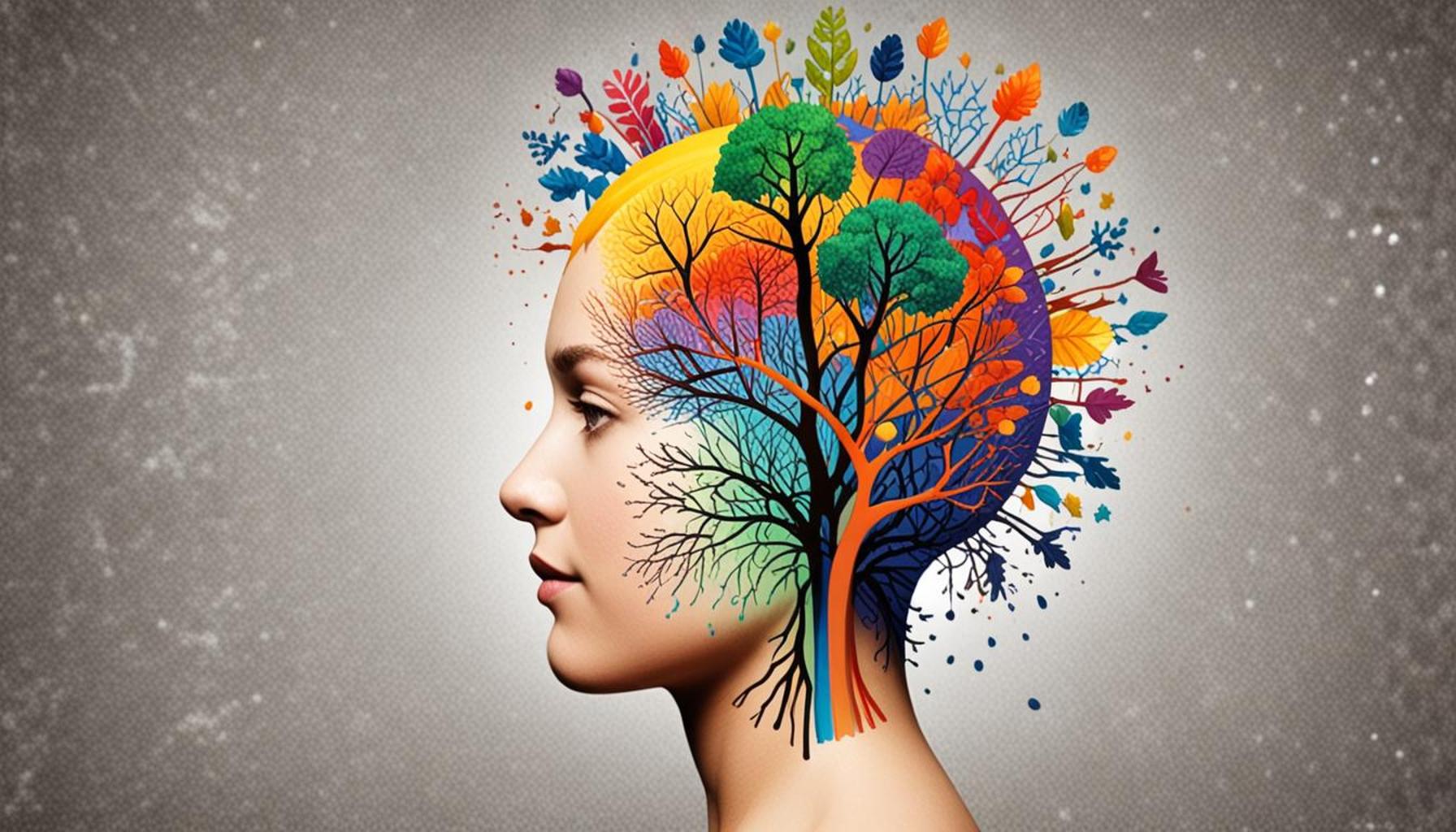
The Role of Growth Mindset in Self-Directed Learning
The idea that one can nurture their abilities and intelligence has revolutionized conventional notions of learning. Pioneered by psychologist Carol Dweck, the concept of a growth mindset highlights the power of perseverance, dedication, and a willingness to embrace challenges as part of the learning process. For individuals engaging in self-directed learning, this mindset can serve as a cornerstone, significantly enhancing their capacity to learn independently and effectively.
At its core, self-directed learning entails taking initiative in one’s educational endeavors, allowing learners to set goals, determine resources, and evaluate their progress on their own terms. The coupling of a growth mindset with this approach not only catalyzes the motivation to learn but also crafts a supportive environment where learners can flourish. Here are some crucial aspects that illustrate how a growth mindset enhances self-directed learning:
- Resilience: Individuals who adopt a growth mindset demonstrate a remarkable ability to bounce back from setbacks. Rather than viewing failures as insurmountable barriers, they see them as opportunities for growth. For example, if a learner struggles with a particular subject, they are more likely to seek additional resources or assistance, viewing the challenge as a chance to deepen their understanding.
- Adaptability: A growth mindset encourages learners to be flexible in their approaches. When confronted with difficulties, these individuals are inclined to explore alternative strategies, whether it involves changing study techniques or utilizing different learning materials. For instance, if a self-directed learner finds a specific online course too challenging, they may pivot to supplementary videos or forums to better grasp the content.
- Curiosity: An innate desire to learn and discover propels individuals with a growth mindset to explore subjects beyond their immediate expertise. This curiosity fosters lifelong learning habits, igniting passion and engagement in various fields. A learner might pick up a new hobby like coding or photography, driven by the excitement of mastering something new.
Ultimately, the interplay between a growth mindset and self-directed learning cultivates an environment rich in personal and professional growth. Especially in today’s fast-paced world, where changes occur at a breakneck speed, the versatility afforded by this mindset is invaluable. It equips individuals to adapt to shifting landscapes, fostering skills that are increasingly important across multiple career paths.
As we further explore this critical relationship, various strategies can be employed to cultivate a growth mindset within the context of self-directed learning. These methods—ranging from effective goal-setting to practicing mindfulness—can amplify the benefits of adopting this empowering mindset. The ripple effects of developing a growth-oriented approach to learning may not only transform individual experiences but also contribute positively to communities aiming for collective improvement and innovation.
DISCOVER MORE: Click here to learn how deliberate practice can boost your skill acquisition

Harnessing the Power of Growth Mindset in Self-Directed Learning
At its foundation, self-directed learning is about embracing responsibility for one’s own education. It’s an approach that enhances personal autonomy, allowing individuals to design their learning trajectories. However, for self-directed learning to be truly effective, the learner must cultivate certain traits that align with a growth mindset. This relationship shapes not just the manner in which knowledge is acquired, but also the overall learning experience.
One of the central tenets of the growth mindset is the belief that intelligence and abilities can be developed through dedication and hard work. This perspective is especially vital in self-directed learning, where the learner often encounters challenges without the guidance of a structured classroom environment. Here are some significant ways in which a growth mindset transforms the self-directed learning journey:
- Goal Orientation: Individuals with a growth mindset set challenging but achievable goals. These high aspirations push learners to go beyond their comfort zones. For example, a self-directed learner interested in mastering a new language may set specific milestones such as conversing with a native speaker or passing a language proficiency test, knowing that progress will be incremental and require persistent effort.
- Self-Reflection: Self-directed learners with a growth mindset actively engage in self-assessment. They regularly reflect on their learning process, asking questions such as, “What worked well?” or “What could I have done differently?” This reflective practice enhances their ability to adjust their strategies and improve over time, making learning a continuous cycle of evaluation and adjustment.
- Resourcefulness: The journey of self-directed learning is often marked by the need for diverse resources and tools. A growth mindset amplifies resourcefulness—learners become adept at seeking out information, whether through books, online platforms, or community groups. For instance, someone learning graphic design independently might use YouTube tutorials, online forums, and peer feedback to enrich their skill set.
The dynamic interplay between a growth mindset and self-directed learning leads to profound engagement in the learning process. As individuals view challenges as opportunities rather than obstacles, they are more likely to invest time and effort into their interests. Additionally, in today’s increasingly complex and fast-evolving world, harnessing the power of a growth mindset prepares learners not just to adapt to new information, but ultimately to thrive within it.
In the continuing discussion on this compelling relationship, it becomes clear that fostering a growth mindset is essential for maximizing the potential of self-directed learners. The next steps involve identifying practical strategies that can uplift this mindset, enhancing not only individual learning outcomes but also fostering a larger culture of growth and innovation within communities.
The Influence of Growth Mindset on Self-Directed Learning
Understanding the growth mindset is essential for anyone interested in improving their self-directed learning capabilities. This psychological framework, popularized by psychologist Carol Dweck, emphasizes that abilities and intelligence can be developed through dedication and hard work. When individuals adopt a growth mindset, they harbor a belief that challenges are opportunities for learning, which significantly promotes an independent learning environment.
Empowerment through Self-Belief
Those with a growth mindset view setbacks as a vital part of the learning process. This fosters resilience, encouraging learners to persist despite difficulties. For instance, a student faced with a challenging math problem might initially feel discouraged; however, a growth mindset empowers them to see this struggle as a stepping stone toward mastery. Consequently, this self-belief is a crucial driver of self-directed learning, making learners not just passive recipients of knowledge but active seekers. They become more inclined to set their goals, seek resources, and evaluate their progress regularly.
Collaboration and Feedback
A growth mindset also enhances one’s approach to collaboration and feedback, which are critical components of self-directed learning. Instead of viewing feedback as a critique, individuals with a growth mindset perceive it as a chance for improvement. They are more likely to engage with peers for collaborative learning, share insights, and constructively discuss areas for growth. This interaction not only enriches their understanding but also creates a community of learners who motivate one another towards achieving collective educational goals.
| Category | Description |
|---|---|
| Motivation | Increases intrinsic motivation to learn. |
| Adaptability | Fosters adaptability to various learning situations. |
Through the lens of a growth mindset, learners become empowered and engaged, reinforcing the core principles of self-directed learning. Embracing this mindset allows for the development of a personalized approach to education, ensuring that individuals are equipped to tackle challenges in both academic and personal pursuits.
DIVE DEEPER: Click here to discover how community can enhance your learning journey</
Fostering Resilience and Connecting Community in Self-Directed Learning
An integral aspect of a growth mindset is resilience—the ability to bounce back from setbacks and persist in the face of adversity. For self-directed learners, this resilience is crucial as they navigate the unpredictable waters of independent education. Learning on one’s own can often lead to feeling overwhelmed or discouraged, especially when faced with challenging concepts or new skillsets. However, individuals with a growth mindset inherently view failure as a stepping stone to success rather than a definitive endpoint. They understand that each stumble is an opportunity to learn, adapt, and ultimately improve.
Research has shown that resilience is not simply an innate trait; it can be cultivated through practice and supportive environments. In this context, self-directed learners can enhance their resilience by incorporating strategies such as developing a progressive learning plan that acknowledges potential hurdles and sets realistic time frames for achievement. For instance, a self-directed learner embarking on a complex project such as building a website might break down the process into smaller tasks like mastering HTML, CSS, and JavaScript, while also recognizing that mistakes and obstacles will happen along the way and adjusting their approach accordingly.
Additionally, building a community around self-directed learning can significantly contribute to maintaining a growth mindset. Engaging with peers, mentors, or online forums amplifies motivation and provides a safety net during challenging learning phases. Platforms such as Meetup or even local library workshops offer unique opportunities for self-directed learners to connect with others equally passionate about their pursuits. These interactions not only provide encouragement but also foster a spirit of collaboration, allowing learners to share resources, strategies, and experiences. This camaraderie helps combat feelings of isolation and reinforces the belief that learning is a communal journey.
- Mentorship and Feedback: Establishing mentorship relationships can drastically influence a self-directed learner’s path. A mentor can provide insight, encouragement, and constructive criticism, which are invaluable for adopting a growth mindset. Whether the learner is diving into coding or mastering photography, feedback highlights not only the areas of strength but also those needing attention, guiding evolution and growth.
- Celebrating Progress: Learners with a growth mindset are also inclined to celebrate small victories. They understand that each step forward contributes to their overall progress, no matter how minor it might seem on the surface. Implementing a ‘checklist’ to track accomplishments can be a tangible way to visualize growth and maintain motivation.
- Embracing Lifelong Learning: A growth mindset nurtures a love for learning that extends beyond immediate goals. It positions individuals to appreciate education as a lifelong endeavor, inspiring them to explore diverse interests ranging from personal hobbies to professional development. The intrinsic motivation that arises from this perspective fuels continued growth and fulfillment.
Moreover, technology has played a significant role in enhancing self-directed learning capability. Online courses, webinars, and educational apps offer unprecedented access to information across all fields, empowering learners to tailor their educational journeys. By leveraging platforms like Coursera or Khan Academy, self-directed learners can engage in topics that pique their interest, continually heightening their skills and fostering a growth mindset.
As self-directed learners continue to embrace the principles of growth mindset, the enhanced resilience, community engagement, and continuous evolution in their learning journey are not just crucial for personal development. They also bring about a larger cultural shift—one that values adaptability, curiosity, and innovation across society. The ripple effect of these empowered individuals creates a vibrant learning ecosystem that cultivates knowledge, creativity, and collaboration for generations to come.
DIVE DEEPER: Click here to enhance your time management skills
Conclusion: The Transformative Power of a Growth Mindset in Self-Directed Learning
In conclusion, the influence of growth mindset on self-directed learning cannot be overstated. As learners embrace resilience, they unlock pathways to overcome challenges and setbacks that inevitably arise during their educational journeys. The capacity to see failures as stepping stones encourages a proactive approach to learning, promoting an environment where adaptability and perseverance thrive.
Furthermore, the importance of community in this process is paramount. By connecting with mentors, peers, and online platforms, self-directed learners can share knowledge and experiences, breaking the isolation often associated with independent study. This collaborative spirit not only reinforces individual growth but also fosters a vibrant ecosystem that promotes collective learning.
Celebrating progress, no matter how small, reinforces the belief that every bit of effort brings learners closer to their goals. Additionally, the embracing of lifelong learning underpinned by a growth mindset encourages individuals to pursue diverse interests and continuously develop new skills. This perspective is increasingly relevant in today’s rapidly changing world, where the ability to adapt and learn new competencies is essential.
Ultimately, the integration of a growth mindset into self-directed learning equips individuals with the tools to not only thrive academically but also contribute meaningfully to society. As we continue to evolve in our educational approaches, fostering a culture that prioritizes curiosity, resilience, and collaboration will empower future generations to embrace learning as a lifelong adventure, thereby enhancing both personal and collective progress.