Integrating Multimodal Learning Strategies: Combining Different Techniques for Enhanced Skill Acquisition
Unlocking the Power of Multimodal Learning
In an increasingly complex world, acquiring new skills demands more than traditional learning methods. Integrating multimodal learning strategies offers an innovative approach to enhance both understanding and retention. By combining various techniques, learners engage with content on multiple levels, making the educational process more dynamic and effective.
- Visual Learning: Utilizing diagrams, charts, and videos can create a vivid understanding of complex topics. For instance, students learning about the human body can greatly benefit from 3D anatomical models or educational videos that illustrate processes like circulation and digestion. This method caters not only to those who wish to see their learning but also serves as a crucial aid for visual learners who grasp concepts better when they can visualize them.
- Auditory Learning: Incorporating podcasts, discussions, and audio recordings reinforces concepts through listening. For example, many universities now offer lectures in podcast format, allowing students to absorb material during commutes. Additionally, group discussions can promote deeper understanding, as learners articulate their thoughts and hear varied perspectives, facilitating a richer grasp of the subject matter.
- Kinesthetic Learning: Engaging in hands-on activities, simulations, and real-world applications are vital for learners who thrive on physical engagement. Projects such as building models, conducting experiments, or participating in role-plays allow these individuals to internalize knowledge through action, demonstrating the theory in practice. For example, students studying environmental science might plant a garden, learning about ecosystems in a tangible way.
Each of these modalities addresses different learning preferences, making them essential in a diverse educational landscape. Recent studies indicate that learners who engage with content through multiple channels not only improve their comprehension but also enhance long-term retention of information. Cohesively integrating these methods can cater to visual, auditory, and kinesthetic learners, thus maximizing participation and reducing barriers to learning.
Moreover, incorporating these strategies can create a more inclusive environment. For example, schools and organizations across the United States are increasingly adopting multimodal approaches to tailor learning experiences for various needs. This inclusivity fosters greater participation and satisfaction among learners, such as English language learners who benefit from visual aids alongside auditory support.
The Future of Learning
As technology evolves, the opportunities for multimodal learning will continue to expand, integrating tools such as virtual reality and gamification. Virtual reality can immerse students in interactive environments, while gamification introduces competitive and engaging elements, making learning far more enticing. This can be particularly effective in fields such as history, where students can experience events through virtual simulations, or in mathematics, where gamified learning apps can present challenges that build foundational skills through enjoyable gameplay.
To stay ahead, educators and learners alike must explore these possibilities and discover how to effectively combine different learning techniques. As tools become more sophisticated, and as insights into learning preferences deepen, the landscape of education is poised for transformation, opening new doors for effective, engaging, and personalized learning experiences. The future is bright for those willing to embrace multimodal learning, ensuring that education keeps pace with the needs of a rapidly evolving society.
LEARN MORE ABOUT: Click here to enhance your skills
Understanding Different Learning Modalities
To effectively harness the potential of multimodal learning strategies, it is crucial to comprehend how each modality functions and what unique contributions they offer to the learning process. The integration of visual, auditory, and kinesthetic approaches not only aids in accommodating various learning styles but also enhances overall comprehension and retention of information. By examining the specific benefits of each modality, we can unlock powerful frameworks for facilitating skill acquisition.
Visual Learning: Enhancing Conceptual Clarity
Visual learning techniques are particularly potent when dealing with complex topics. By representing information through models, infographics, and engaging visuals, learners can transform abstract concepts into tangible insights. For instance, educational institutions in the United States frequently employ interactive whiteboards during lectures. These boards allow educators to present real-time information visually, enabling learners to make connections that would otherwise remain obscure. Additionally, utilizing color-coded materials can further enhance retention, as demonstrated in studies showing that colored visuals improve memory recall by up to 80% compared to black-and-white materials.
Auditory Learning: Amplifying Engagement through Sound
The auditory modality encompasses not only traditional lectures but also podcasts and collaborative discussions. In fact, recent trends show a rise in students listening to educational podcasts during everyday activities, such as exercising or commuting. This provides a flexible learning environment where auditory learners can absorb material seamlessly. Engaging in group discussions solidifies understanding through peer-to-peer interaction. As learners articulate their thoughts and engage in debates, they explore different perspectives that deepen their comprehension of the material. Importantly, studies indicate that students who discuss concepts with their peers retain information significantly better, demonstrating the undeniable power of auditory engagement.
Kinesthetic Learning: Learning by Doing
For many learners, traditional classroom settings may not suffice. Kinesthetic learning emphasizes the significance of hands-on experiences, aligning closely with real-world applications. For example, vocational programs across the United States emphasize the importance of apprenticeships, allowing students to acquire essential skills through practice. Additionally, laboratory sessions in subjects like chemistry enable students to conduct experiments, connecting theory with tactile experience. In fact, research shows that hands-on activities not only boost engagement but also help learners understand and retain information up to 75% more effectively than passive learning methods.
By recognizing these diverse learning modalities, educators can create richer, more adaptive educational experiences. The beauty of integrating multimodal learning strategies lies in their ability to connect with various preferences, creating synergies that promote deep understanding across all learner types. The next step involves how to harmoniously blend these modalities to construct comprehensive and effective learning environments.
Exploring Diverse Learning Modalities
In the pursuit of enhanced skill acquisition, integrating multimodal learning strategies proves to be a revolutionary approach. The ability to engage multiple senses not only stimulates cognitive development but also reinforces retention. By utilizing auditory, visual, and kinesthetic learning techniques, educators can cater to various learning preferences, allowing each learner to thrive.
The Power of Synergy
The synergy created by combining different strategies, such as collaborative learning, interactive technologies, and real-world application, opens a pathway to a deeper understanding of complex subjects. For example, when students participate in hands-on activities while simultaneously discussing theoretical frameworks, they can draw connections that reinforce their knowledge. This intertwining of methods encourages critical thinking and problem-solving skills that are essential in an increasingly interconnected world.
Assessment and Adaptation
Furthermore, the assessment of skill proficiency can be greatly enhanced through multimodal strategies. Utilizing diverse evaluation methods enables educators to recognize strengths and weaknesses across various contexts. For instance, incorporating project-based assessments alongside traditional tests provides a holistic view of a learner’s capabilities and areas for improvement, fostering a tailored learning experience.
| Category 1 | Category 2 |
|---|---|
| Learning Techniques | Auditory, Visual, Kinesthetic |
| Enhanced Retention | Multi-sensory engagement |
Real-World Applications
Incorporating real-world applications into multimodal learning not only makes education relevant but also prepares learners for practical challenges. Examples abound in fields such as healthcare, engineering, and the arts, where theoretical knowledge must be paired with practical experience to achieve mastery. By embracing a multi-faceted approach, educational institutions can empower learners to develop skills that will serve them well beyond the classroom.
Conclusion of Part Two
The journey of integrating multimodal learning strategies is transformative, steering us towards a future where education is not just about knowledge acquisition, but about nurturing a versatile skill set. Engaging varied modalities paves the way for personalized pathways in learning, adapting to individual needs and promoting a richer learning experience.
DIVE DEEPER: Click here to discover the power of self-discipline
Harmonizing Modalities for Optimal Learning Experiences
Integrating different learning modalities not only caters to varied learner preferences but also enriches the educational experience by facilitating a more comprehensive understanding of material. When visual, auditory, and kinesthetic methods are blended thoughtfully, they create a synergy that can significantly enhance educational outcomes. Successful multimodal integration can be achieved through various strategies and practices that educators can implement in their teaching methodologies.
The Flipped Classroom: A Model for Multimodal Learning
One of the most successful applications of multimodal learning is the implementation of the flipped classroom model. In this approach, traditional lecture content is delivered through videos and audio materials outside the classroom, allowing in-class time to be dedicated to interactive, hands-on learning activities. This model promotes an environment where students can engage with peers, conduct experiments, or solve complex problems actively. For example, educators utilizing this method have noted a 30% increase in student engagement and knowledge retention, underscoring the effectiveness of integrating auditory and kinesthetic modalities into traditional learning frameworks.
Project-Based Learning: Engaging Learners through Real-World Applications
Project-based learning (PBL) offers another robust framework for integrating multimodal strategies. This learner-centered approach allows students to tackle real-world challenges, melding visual, auditory, and kinesthetic modalities cohesively. For instance, a team of high school students might design a community garden, where they research suitable plants (visual), present their findings to the class (auditory), and subsequently physically plant and maintain the garden (kinesthetic). Research shows that students engaged in PBL demonstrate improved critical thinking abilities and higher levels of content mastery, as they can apply knowledge in practical, relatable contexts.
Gamification: The Power of Play in Multimodal Learning
Another innovative way to combine different techniques is through gamification. By incorporating game elements into learning environments, educators utilize both competition and collaboration to boost engagement across all modalities. For example, an educational app like Kahoot! encourages auditory participation through quizzes while reinforcing visual recall through vibrant graphics and leaderboard displays. Gamified learning experiences have been shown to increase motivation in students, with studies indicating a 40% increase in recall ability when learners engage with materials in a fun, interactive manner.
Personalization: Tailoring Learning to Individual Needs
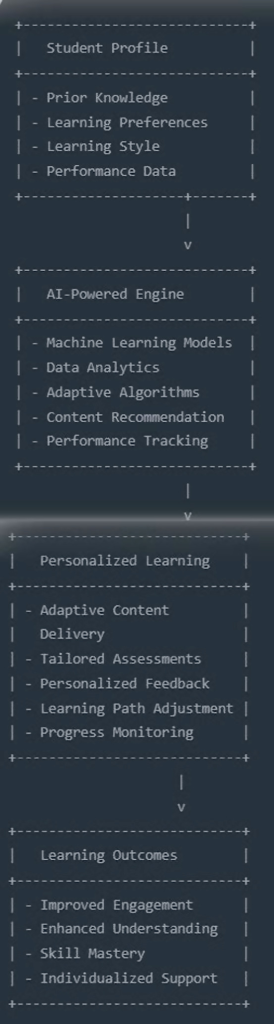
Incorporating technology into multimodal learning can further enhance the customization of learning experiences. Adaptive learning platforms, such as DreamBox or Khan Academy, analyze learners’ progress and provide tailored resources that play to their strengths and needs. By offering content in a variety of formats—videos, readings, and interactive exercises—educators can cater to multiple learning modalities within a single platform. This ensures all students are given the opportunity to learn using the most effective strategies tailored to their unique preferences, ultimately leading to better skill acquisition.
Ultimately, the key to successful integration of multimodal learning strategies lies in understanding how these methods complement one another. By actively combining visual, auditory, and kinesthetic approaches, educators can unlock a wealth of learning opportunities that enhance engagement, comprehension, and retention. Engaging learners through varied strategies not only fosters a deeper understanding of complex concepts but also prepares them for successful real-world applications in their future careers.
DISCOVER MORE: Click here to dive deeper
Conclusion: Embracing a Multimodal Future in Education
The integration of multimodal learning strategies represents a significant advancement in educational practices that holds profound implications for skill acquisition. By effectively blending visual, auditory, and kinesthetic methods, educators create diverse pathways for students to engage with content, ultimately enhancing learner retention and understanding. Approaches such as the flipped classroom, project-based learning, and gamification not only bring subjects to life but also cater to various learning preferences, creating an inclusive environment where every student can flourish.
Data suggests that multimodal learning environments can lead to marked improvements in both engagement and critical thinking abilities. For instance, strategies that facilitate active participation, such as gamification, can elevate motivation levels significantly—fostering an atmosphere where learning becomes an exciting adventure. As adaptive technologies continue to evolve, personalized learning experiences are becoming more attainable, allowing educators to address individual strengths and weaknesses effectively.
As we look ahead, the challenge lies in adopting these multimodal strategies systematically across educational frameworks. By committing to a unified approach that values diverse input, schools and educators can pave the way for a generation of learners equipped not only with knowledge but with the capability to apply that knowledge in dynamic, real-world contexts. The future of education is undeniably multimodal, and embracing this paradigm can unlock unprecedented potential within our classrooms, ensuring that all learners are prepared for the challenges of tomorrow.