The Impact of Emotional Intelligence on Self-Learning: Techniques to Foster Resilience

Understanding Emotional Intelligence and Its Role in Learning
In a world characterized by rapid technological advancements and shifting job markets, emotional intelligence (EI) is increasingly seen as a vital skill set, particularly in the realm of self-learning. In an era where information is readily available but often overwhelming, individuals are beginning to understand how their emotional states can significantly impact their capacity for learning and adaptation. But what constitutes emotional intelligence, and why is it essential for effective learning?
Emotional intelligence encompasses the ability to recognize, understand, manage, and utilize one’s emotions in a constructive manner. To unpack its importance, let’s explore some of its key components:
- Self-awareness: This refers to the ability to recognize one’s emotions as they occur. For instance, a learner who acknowledges their frustration during challenging subjects can take actionable steps, such as reaching out for help or switching to a different study method to mitigate that negative emotion. This awareness can greatly enhance personalized learning strategies.
- Self-regulation: Effective self-regulation entails managing one’s emotional responses to maintain focus and enhance retention. For example, if a student feels anxious about an upcoming examination, employing techniques like deep breathing or scheduling regular study breaks can help calm excessive nerves, allowing for better concentration and, ultimately, improved performance.
- Empathy: This aspect of emotional intelligence enables individuals to understand and resonate with the emotions of others. In collaborative learning environments, developing empathy can lead to more supportive interactions and open discussions, fostering deeper learning experiences and enhancing group coherence.
Beyond these components, emotional intelligence is intrinsically linked to resilience. Resilient learners are better equipped to rebound from failures and setbacks, maintaining their motivation and commitment to self-education. This capacity for resilience is critical, especially when faced with the inevitable challenges that accompany the learning process. Techniques such as mindfulness meditation, which cultivates present-moment awareness, and reflective practices, which encourage critical analysis of one’s learning strategies, can effectively strengthen this resilience.
As we delve deeper into the impact of emotional intelligence on self-learning, it becomes apparent that developing these essential skills is not merely an academic exercise but a gateway to unlocking one’s full learning potential. Engaging with tools such as goal-setting frameworks can help learners clearly define their objectives, thereby enhancing their emotional investment in the educational process.
In summary, nurturing emotional intelligence holds the key to fostering a lifelong love of learning, equipping individuals with the skills necessary to thrive in an ever-evolving landscape. As we continue to explore practical techniques aimed at enhancing EI, you will discover pathways to personal growth and educational success that could transform your learning journey.
DISCOVER MORE: Click here to learn how to harness case studies in your skill assessments
Harnessing Emotional Intelligence: The Foundation for Resilient Self-Learning
The intersection of emotional intelligence and self-learning creates a powerful framework that motivates learners to engage deeply with their educational journeys. The ability to effectively manage emotions not only enhances motivation but also fosters resilience—a quality vital for overcoming obstacles in the learning process. By introspecting on emotional states and deploying deliberate strategies, learners can cultivate an environment conducive to effective self-education.
Let’s explore effective techniques that leverage emotional intelligence to bolster resilience in self-learning:
- Mindfulness Practices: Engaging in mindfulness meditation can help learners become more attuned to their emotional fluctuations. By focusing on the present moment without judgment, individuals can reduce anxiety and enhance concentration. This practice enables learners to approach challenging tasks with a calm and open mindset, fostering resilience when faced with difficulties.
- Positive Self-Talk: Internal dialogue plays a crucial role in shaping one’s emotional state. Developing a habit of positive self-talk—affirming one’s abilities and strengths—can significantly impact a learner’s confidence. When learners encourage themselves during tough times, they tap into a reservoir of resilience, making them more likely to persist despite setbacks.
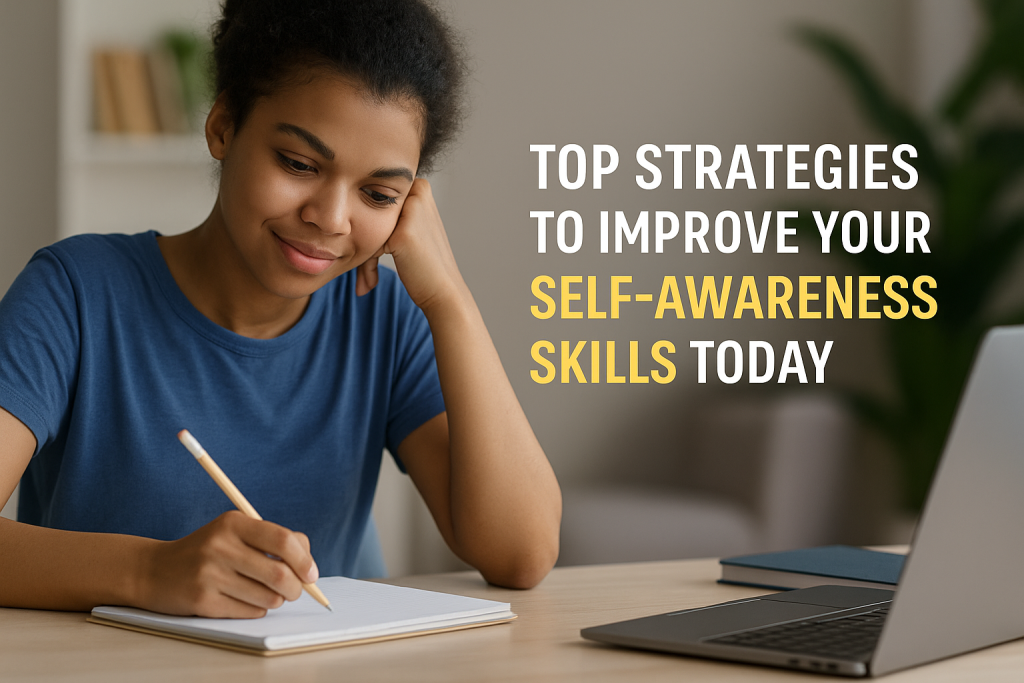
- Reflective Journaling: Another important technique involves maintaining a reflective journal, where learners can articulate their thoughts, feelings, and experiences related to their learning journey. This practice not only promotes self-awareness but also allows individuals to identify patterns in their emotional experiences. By reflecting on challenges faced, learners can strategize on future approaches, thus enhancing their emotional management skills.
- Goal Visualization: Visualization techniques contribute to emotional intelligence by helping learners create a vivid mental picture of their objectives. By defining goals and visualizing success, learners reinforce their commitment and emotional investment in the learning process. This can cultivate a strong sense of purpose, motivating them to persevere through tough phases.
Applying these techniques can effectively bridge the gap between emotional intelligence and self-learning, nurturing the resilience needed to navigate the complexities of education. In a country like the United States, where individualism often drives learning paths, fostering resilience through emotional intelligence becomes especially crucial. As learners increasingly confront the pressures of academia and career demands, understanding and managing their emotions can make a significant difference in their educational outcomes.
Overall, developing emotional intelligence is not just a supplemental skill; it is a core component that empowers learners to thrive amid challenges. By embracing the techniques outlined, individuals can transform their approach to learning, resulting in a more fulfilling and resilient educational experience.
The Connection Between Emotional Intelligence and Self-Learning
In today’s rapidly evolving world, the ability to self-learn has never been more crucial. At the heart of effective self-learning lies emotional intelligence (EI), which plays a pivotal role in how individuals acquire, process, and apply new knowledge. Emotional intelligence encompasses self-awareness, self-regulation, motivation, empathy, and social skills, all of which contribute to a more profound learning experience.Research indicates that individuals with high levels of emotional intelligence are better equipped to navigate the challenges and setbacks that often accompany the learning process. They possess the ability to recognize their emotions and those of others, leading to improved interpersonal relationships and collaboration, especially in group settings. This enhanced social cohesion fosters a supportive learning environment where feedback and ideas are shared more openly, enriching the educational experience.Furthermore, a key technique to foster resilience in self-learning is cultivating a growth mindset, closely tied to emotional intelligence. Individuals with a growth mindset believe that their abilities and intelligence can be developed through dedication and hard work. This belief creates a love for learning and resilience that is essential for great accomplishments. By emphasizing effort over outcome, learners can embrace failures as opportunities for growth rather than as setbacks. This shift in perspective is paramount for self-learners striving to master new skills or concepts.Alongside a growth mindset, practicing mindfulness and emotional regulation techniques enhances one’s learning journey. Techniques such as meditation, journaling, or simply taking a moment to pause and breathe can help individuals manage stress and anxiety associated with challenging learning tasks. These practices not only improve focus and retention but also boost overall emotional well-being, making the learning experience more fulfilling.In essence, emotional intelligence serves as both a catalyst and a foundation for effective self-learning. By enhancing self-awareness and self-regulation, individuals can apply critical thinking and problem-solving skills more effectively. Consequently, the integration of emotional intelligence into self-learning strategies leads to improved resilience, allowing learners to tackle obstacles with renewed vigor and a positive outlook. As educators and learners alike aim to navigate this complex landscape, the focus on emotional intelligence will undoubtedly pave the way for transformative educational experiences.
DISCOVER MORE: Click here to learn how a growth mindset can enhance your learning
Building Supportive Networks: The Role of Relationships in Resilient Self-Learning
While individual techniques are pivotal in enhancing emotional intelligence and resilience, the power of social connections cannot be overlooked. Engaging with a supportive community plays a significant role in fostering emotional intelligence, which, in turn, promotes effective self-learning. Collaborative environments where individuals feel safe to express emotions can pave the way for enhanced learning experiences. Here are some key methods to harness relationships for building emotional intelligence and resilience:
- Peer Support Groups: Establishing or joining peer support groups provides learners with a platform to share experiences and challenges. The emotional exchange within these groups creates an atmosphere of empathy and understanding. According to a study published in the International Journal of Educational Research, students who participate in peer groups report higher levels of satisfaction and resilience in their learning processes. The collective wisdom and shared experiences help individuals feel less isolated in their struggles.
- Mentorship Opportunities: Connecting with a mentor can significantly impact a learner’s emotional development. A mentor can provide valuable insights, guidance, and emotional support, helping the mentee navigate challenges that arise during self-learning. Research from the Harvard Business Review highlights that mentees often exhibit greater emotional stability and resilience, lending credence to the beneficial influence of experienced individuals in one’s educational journey.
- Collaborative Learning Projects: Engaging in collaborative projects enhances interpersonal skills and cultivates a sense of community. Working alongside peers encourages learners to communicate effectively and manage emotions in real-time. This experience not only builds emotional intelligence but also simulates real-world scenarios—allowing learners to practice resilience in the face of group dynamics and collective problem-solving.
- Feedback Mechanisms: Creating a culture where constructive feedback is embraced can significantly augment emotional intelligence. Whether through peer evaluations or instructor critiques, the ability to respond positively to feedback fosters adaptability and emotional growth. Building emotional resilience requires a learning mindset; those who view feedback as an opportunity for improvement rather than criticism are more likely to push through difficulties, making adjustments to their learning methods.
Furthermore, engaging with diverse groups can deepen one’s understanding of emotional responses, cultivating a rich tapestry of perspectives. This kind of diversity can be particularly enriching in the United States, where a myriad of cultures and experiences coexist. Learners can benefit from understanding various emotional expression norms and coping mechanisms, which can broaden their emotional intelligence toolkit.
As learners recognize the significance of relationships in their emotional development, they will start to see how vital these connections are in their quest for resilience. The community not only offers emotional support but also provides a platform for exchanging knowledge that ultimately strengthens individual learning pursuits. Strategies emphasizing cooperation, mentorship, and open dialogue are instrumental in nurturing the emotional and cognitive capacities essential for resilient self-learning.
DISCOVER MORE: Click here to enhance your skills
Conclusion
In exploring the impact of emotional intelligence on self-learning, it becomes evident that the journey towards resilience is intricately tied to both individual practices and the nurturing of social relationships. As learners cultivate emotional intelligence, they become more adept at recognizing their own emotions and those of others, leading to improved self-regulation and enhanced learning outcomes. Techniques such as mindfulness, self-reflection, and embracing a growth mindset lay the groundwork for emotional growth. However, as highlighted throughout the article, these techniques gain even greater efficacy when integrated into supportive communities.
The benefits of building supportive networks—whether through peer support groups, mentorship, collaborative projects, or open feedback mechanisms—cannot be overstated. These interactions foster an atmosphere where learners feel safe to share experiences and confront challenges, ultimately strengthening their resilience. Furthermore, exposure to diverse perspectives enriches one’s emotional toolkit, paving the way for greater adaptability in both educational environments and the complexities of life.
As we navigate an increasingly demanding world, embracing the interplay between emotional intelligence and self-learning becomes essential for personal growth and development. By intentionally fostering resilience through meaningful relationships and effective emotional practices, individuals can not only enhance their learning experiences but also prepare themselves to face future challenges with greater confidence and composure. This holistic approach is imperative for unlocking the full potential of self-directed learning, echoing the sentiment that in the heart of every educator and learner lies the capacity for emotional triumph.