How to Create a Safe and Comfortable Environment for Your Pet at Home
Creating a Haven for Your Furry Friends
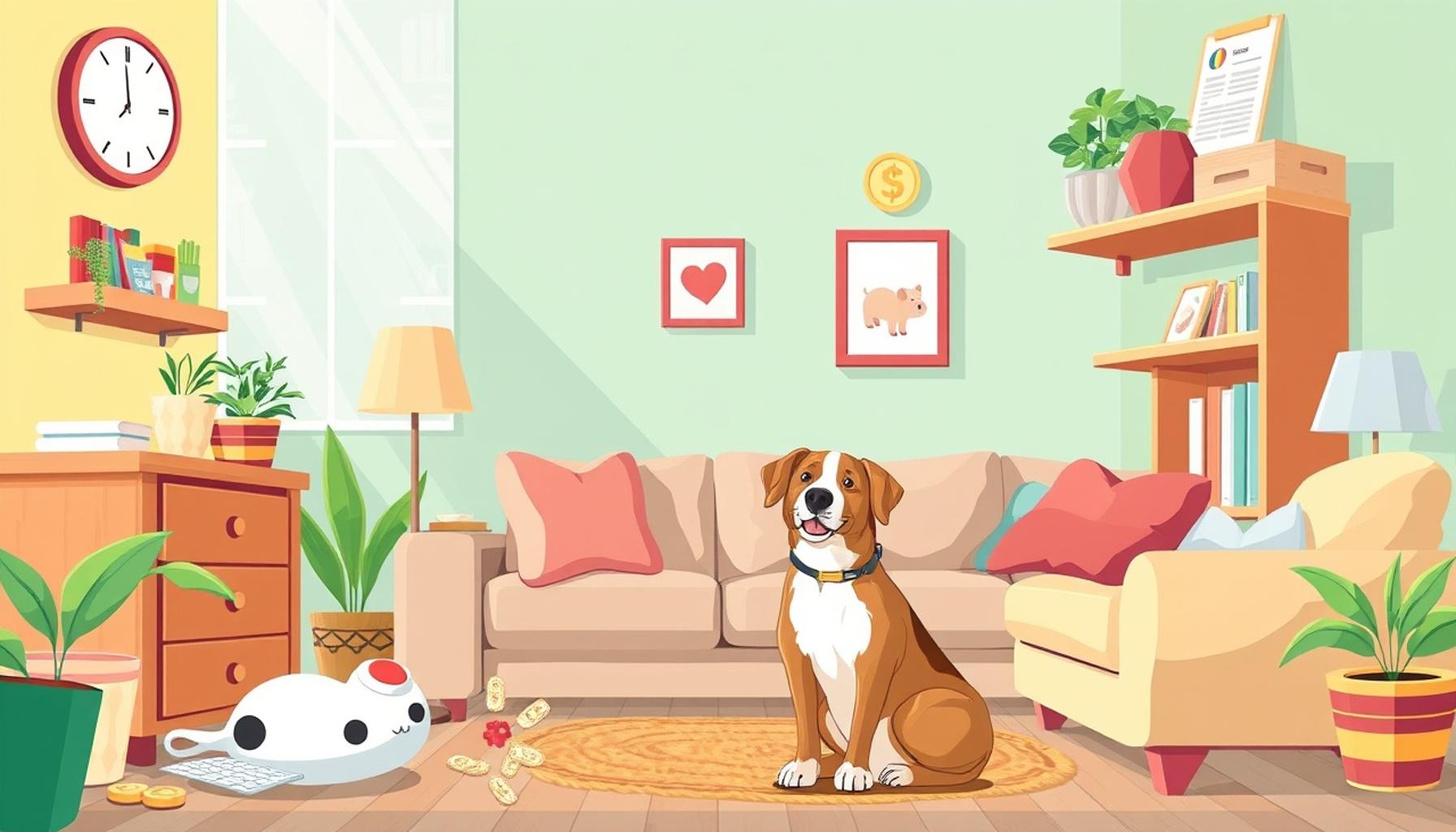
It’s undeniable that our pets are cherished members of the family. To ensure their safety and comfort, we must transform our homes into welcoming sanctuaries. Designing a space that caters to our furry friends not only enhances their daily experience but also strengthens the bond between you and your beloved pet.
Safe Spaces
One of the first steps in crafting a pet-friendly environment is establishing distinct safe spaces. This can entail designating areas that are free from hazards such as toxic plants, electrical cords, or heavy furniture that might tip over. Consider creating a pet-specific corner in your living room or a cozy area in your bedroom where they can retreat when feeling anxious. A good example is using baby gates to section off certain areas of your home, which can create a safe haven while preventing unsupervised access to potentially dangerous spaces, such as kitchens or staircases.
Comfort Zones
Your pet’s comfort is paramount. Providing restful spots with cozy bedding allows them to relax and rejuvenate. Invest in high-quality dog beds or cat trees that cater to your pet’s size and sleeping habits. For instance, large breeds may benefit from orthopedic beds that relieve joint pressure, while cats might enjoy elevated perches for lounging in the sun. You can personalize their sleeping area with blankets or items that carry your scent, creating a sense of belonging and security.
Environmental Enrichment
Keeping your furry friends mentally and physically stimulated is essential for their health. Environmental enrichment can involve a variety of activities and toys designed to engage their natural instincts. For dogs, interactive puzzle toys can provide hours of entertainment, while cats might enjoy feather wands or laser pointers to satisfy their hunting drive. Regular playdates with other pets or engaging in outdoor activities like hiking can also enrich their lives and combat boredom. Incorporating scratching posts, climbing shelves, and accessible toys in various rooms encourages exploration and play, turning your home into an exciting adventure.
With countless pet parents across the United States, creating a secure environment is more important than ever. Pets thrive in spaces where they feel protected and loved. As you transform your home, consider each of these elements as vital components of your pet’s well-being. From arranging furniture to considering your pet’s unique needs, every detail counts. Engaging with your pet to understand their preferences can lead to a customized approach that enhances their overall happiness.
Ready to create a sanctuary for your beloved pet? Explore essential tips and strategies to ensure every corner of your home is designed with your furry friends in mind. Much like humans, pets flourish in environments that cater to their physical and emotional needs, cultivating a happy and healthy life together.
Tailoring Your Home to Your Pet’s Needs
Every pet has unique requirements and preferences, and discovering these can significantly enhance their day-to-day experience. The journey to creating a safe and comfortable habitat begins with understanding your pet’s individual characteristics, behaviors, and quirks. Taking the time to tailor your living space to meet these needs fosters a stronger bond and supports their overall well-being.
Identify Hazardous Areas
Before making any adjustments, conduct a comprehensive assessment of your home. Look for areas that may pose risks to your pet’s safety. Common hazards include:
- Small Objects: Items such as coins, batteries, or rubber bands can be choking hazards.
- Cleaning Supplies: Ensure that toxic cleaning products are stored out of reach or in secure cabinets.
- Hazardous Plants: Some plants, like lilies and sago palms, are toxic to pets. Research any plants in your home to ensure safety.
By identifying hazardous areas, you can mitigate risks and create a safer environment for your furry friend.
Accessible Amenities
Make sure that essential amenities are easily accessible. This includes providing a constant supply of fresh water and healthy food. Designate a specific feeding area that your pet can easily reach. For dogs, consider a durable mat to catch any spills, and for cats, a quiet and private corner for eating and drinking. It might also be beneficial to have water bowls in multiple locations around the house, especially during warmer months, to keep your pet hydrated.
Pet-Proofing Your Home
Beyond simply removing dangers, pet-proofing your home involves making intentional adjustments to minimize accidents. Some actionable steps include:
- Storing Items Securely: Keep loose items, especially anything that could be chewed or consumed, securely stored away.
- Securing Cords and Cables: Use cord protectors to prevent pets from chewing on electrical wires, which can lead to dangerous shocks.
- Childproof Locks: If you have cabinets with dangerous contents, install childproof locks to keep curious pets from getting in.
These small changes can dramatically enhance your pet’s safety, giving you peace of mind as they roam freely in your home.
As you progress on your journey to create a haven for your pets, remember that they thrive in environments built around their unique needs. Understanding their behavior and making necessary adjustments is key to ensuring they feel secure and comfortable. Implementing these tips will create a nurturing space that fosters joy and companionship for both you and your pet.
Key Elements to Ensure Your Pet’s Safety and Comfort
Creating a safe and comfortable environment for your pet at home involves a variety of factors that blend together to promote your pet’s well-being. From ensuring safety to considering comfort, let’s delve into some of the core practices that contribute to a harmonious living space for your furry friends.
Safe Spaces and Designated Areas
Designating specific areas for resting, playing, and eating can create a sense of security for your pet. Experiment with cozy corners adorned with soft bedding or an inviting crate where they can retreat when feeling overwhelmed. Additionally, make sure that hazardous items such as cleaning supplies and toxic plants are securely stored away from curious paws.
Comfortable Sleeping Arrangements
Pets require an adequate amount of rest to maintain their health and happiness. Investing in a high-quality pet bed that suits your pet’s specific needs can significantly impact their overall comfort. For instance, older pets or those with joint issues may benefit from orthopedic beds, while smaller pets might prefer enclosed spaces that mimic a den-like feel.
Temperature Control
Controlling your home’s temperature is vital for your pet’s comfort, especially in extreme weather conditions. During hot summer days, provide access to shaded areas and fresh water. Conversely, in winter, ensure they have a warm, insulated space to rest. Pet-safe heating pads or blankets can be excellent additions for those colder months.
Interactive Enrichment Activities
A creature of habit, your pet might thrive on routine, but this does not mean their environment should become static. Providing puzzles and safe toys encourages mental stimulation, while regular social interaction strengthens your pet’s bonds with family members. Consider rotating toys to keep their interest piqued and prevent boredom.
Regular Health Checks
Maintaining your pet’s physical health contributes to a safe environment. Routine veterinary visits are essential to catch any potential health issues early, and vaccines safeguard against illnesses. Regular check-ups also foster an opportunity to consult your vet on optimal home conditions for your pet based on their breed or age.
| Category | Key Considerations |
|---|---|
| Safe Spaces | Designated areas help pets feel secure and relaxed. |
| Comfortable Sleeping | Invest in appropriate bedding for your pet’s unique needs. |
| Temperature Control | Ensure proper temperature throughout your home. |
| Interactive Enrichment | Provide stimulation with toys and regular activities. |
| Regular Health Checks | Routine vet visits ensure ongoing safety and health. |
By implementing these actions consistently, you create more than just a living space; you foster a sanctuary for your pet, contributing significantly to their happiness and well-being. Explore further insights on these topics and witness the influence they have on your furry companions.
Creating Comfort Zones for Relaxation
In addition to ensuring safety, it’s essential to create spaces within your home that promote relaxation and comfort for your pet. Just like humans, pets need a designated area where they can retreat to feel secure and at ease away from the hustle and bustle of everyday life.
Cozy Rest Areas
Providing a cozy resting spot is crucial for your pet’s mental and physical health. Choose a quiet, low-traffic area for their bed or crate that allows them to feel safe while also being close enough to your family activities. Make sure the bedding is comfortable and suitable for their size, as well as easy to clean. Consider investing in a memory foam mattress for older pets who may suffer from joint pain.
Temperature Control
Temperature plays a significant role in creating a comfortable environment. Ensure that areas where your pets spend time are well-ventilated and maintain a comfortable temperature year-round. During hotter months, consider using fans or air conditioning to keep your space cool. In colder seasons, provide warmth with extra blankets and raise their beds off cold floors. Pets that are sensitive to temperature changes, like short-haired breeds or senior animals, benefit greatly from these adjustments.
Safe Play Zones
Designate a pet-friendly zone where your furry friends can play freely. Ensure that this space is free of hazards and contains engaging toys suitable for your pet’s age and size. For dogs, providing durable chew toys or interactive puzzle toys can stimulate their minds and keep them entertained. For cats, consider incorporating climbing shelves or scratching posts to fulfill their natural urges to climb and scratch.
Additionally, consider utilizing playpens or baby gates to restrict access to areas that may not be safe for your pets, such as rooms with stairs or unstable furniture.
Maintaining Hygiene
Maintaining a clean environment is fundamental to your pet’s health and comfort. Regularly clean your pet’s bedding, toys, and eating areas to prevent the buildup of dirt and allergens. Consider using an air purifier to help eliminate pet dander and odors in your home. Keeping the floors free of debris and using non-toxic cleaning supplies will also enhance your pet’s well-being.
Emotional Support Spaces
Pets thrive on human interaction and companionship. Creating emotional connections can enhance their sense of security and comfort. Set aside regular quality time for play, training, or cuddling, reinforcing their trust in you. For pets that experience anxiety, consider creating an enrichment zone filled with toys, scratching posts, or even soothing screens with nature videos, which can provide distractions during stressful moments.
Designing a home environment that fosters safety, comfort, and emotional well-being is essential for your pet’s happiness. By offering thoughtfully designed relaxation areas, play zones, and cleanliness, you’re contributing to their overall quality of life while also enriching your bond. Tailoring these elements based on your pet’s needs ensures they feel truly at home in your household.
Conclusion: Ensuring a Happy Home for Your Pet
Creating a safe and comfortable environment for your pet at home is not just about basic necessities; it encompasses a holistic approach to their well-being that can significantly enhance their quality of life. By establishing cozy resting areas, ensuring temperature control, and crafting safe play zones, you lay the groundwork for a nurturing habitat. Your investment in maintaining hygiene through clean spaces and non-toxic products will further protect your pet from harmful substances, while emotional support through regular interaction builds trust and security.
It’s essential to recognize that pets have unique needs based on their sizes, ages, and temperaments. Adapting your home environment to these specific requirements fosters a sense of belonging and safety. Moreover, the mental stimulation gained through enriched play zones can prevent anxiety and behavioral issues. Insights into your pet’s preferences can inform your decisions, ensuring they remain comfortable and content within their designated areas.
Ultimately, by taking these thoughtful steps, you are not only enhancing your pet’s physical surroundings but also deepening your bond with them. The efforts you put into creating a safe haven will reflect in your pet’s happiness and behavior. Strive for a home where your pet feels secure, engaged, and loved. As you embark on this journey, remember that a well-cared-for pet is a happy pet—one that adds joy, companionship, and unconditional love to your life.