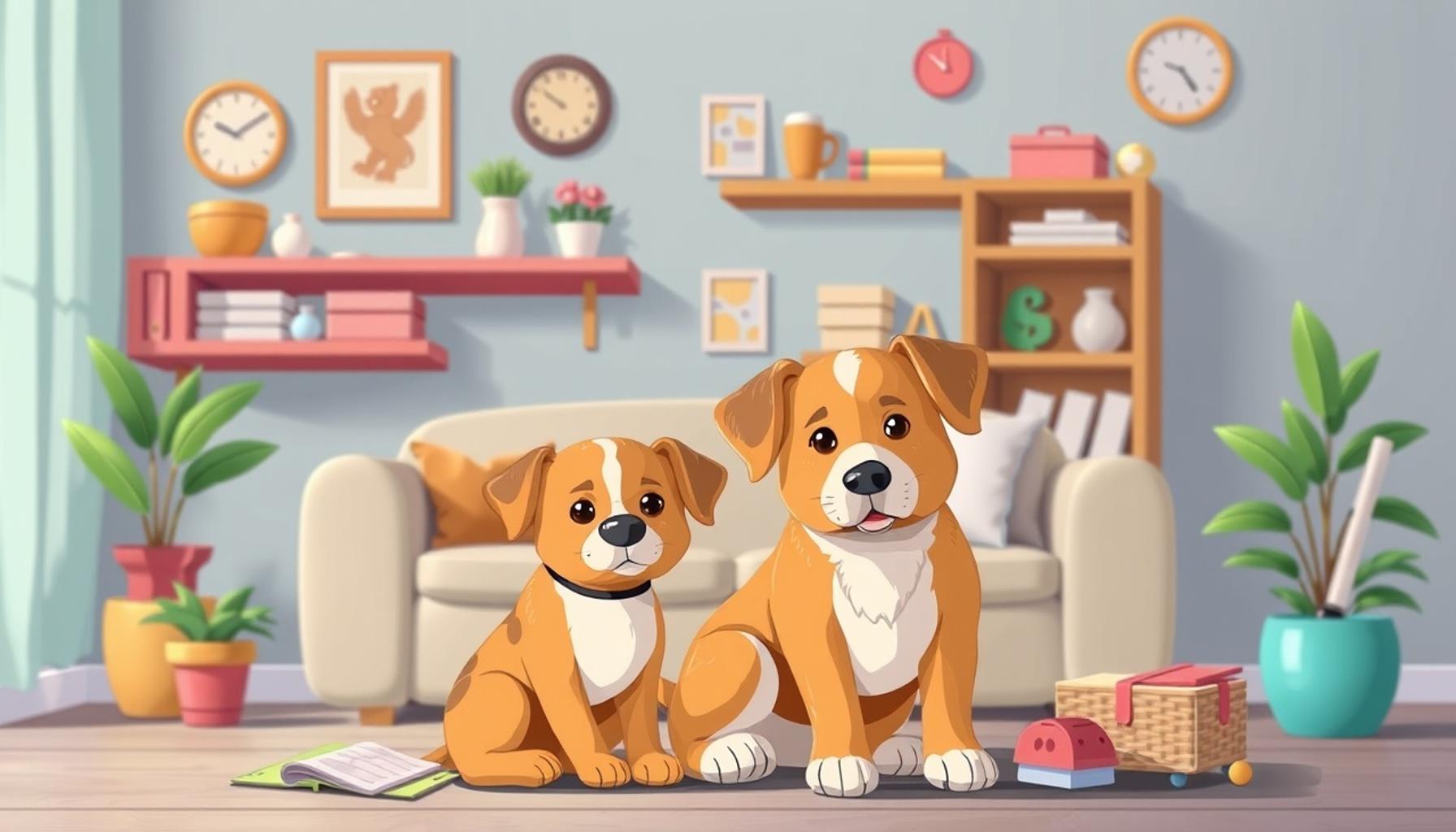
The Challenges of Adopting Senior Animals: Giving a Second Chance to the Elderly

Understanding the Challenges of Adopting Senior Animals
Welcoming a senior animal into your home can be a transformative experience, filled with love and companionship. However, it is essential to recognize that these older pets come with a distinct set of challenges that potential adopters must consider. Many individuals may be deterred by the notion that older animals have diminished health and behavior issues, leading to a higher likelihood of adoption being focused on younger pets. Debunking these misconceptions and understanding the specific hurdles associated with senior animal adoption can facilitate a more informed and compassionate decision-making process.
Health Concerns
One of the most significant challenges in adopting a senior pet is managing their health concerns. Older animals frequently come with pre-existing medical conditions that may necessitate frequent veterinary visits and ongoing treatment. For instance, senior dogs may suffer from arthritis, dental issues, or chronic conditions like diabetes that require dietary adjustments and medication. It’s crucial to set aside a budget not just for the initial adoption fee but also for potential medical expenses down the line. According to the American Society for the Prevention of Cruelty to Animals (ASPCA), senior pet care can sometimes exceed $400 annually, depending on health needs. Thus, prospective adopters are encouraged to research the specific health considerations related to the breed or type of pet they are considering.
Emotional Adjustment
In addition to physical health issues, emotional adjustment poses another significant challenge. Many senior pets have experienced major life changes, such as the loss of a previous owner, or being placed in a shelter due to unforeseen circumstances. As a result, they might display anxiety or fear in their new environments; they may not immediately warm up to new humans or have difficulty adapting to the sounds and smells of different households. Introducing a routine can help ease this transition, providing a sense of stability. Techniques like creating a cozy space for the pet and being patient during their adjustment period can foster trust and comfort.
Limited Training
Moreover, limited training can be a hurdle. While some senior pets may have basic commands down, others might lack training altogether, which can lead to behavioral issues that require time and effort to address. For example, older dogs may struggle with house training or have the occasional accident indoors. Adopters should be prepared to invest time into reinforcing basic commands and manners, which can be challenging but is ultimately rewarding. Utilizing positive reinforcement methods, such as treats and praise, can lead to successful training outcomes.
The Rewarding Aspects
Despite these challenges, the rewards of adopting a senior pet are numerous and profound. Many older animals demonstrate calmer behaviors, making them ideal companions for families or individuals looking for a low-energy pet. These mature animals often possess a rich capacity for love and loyalty, having the ability to form deep bonds with their humans. Moreover, adopting senior pets can be incredibly fulfilling, as you are offering them a chance for a better life. Shelters frequently report that older animals can be just as playful and affectionate as their younger counterparts, often serving as loving family members for many years.
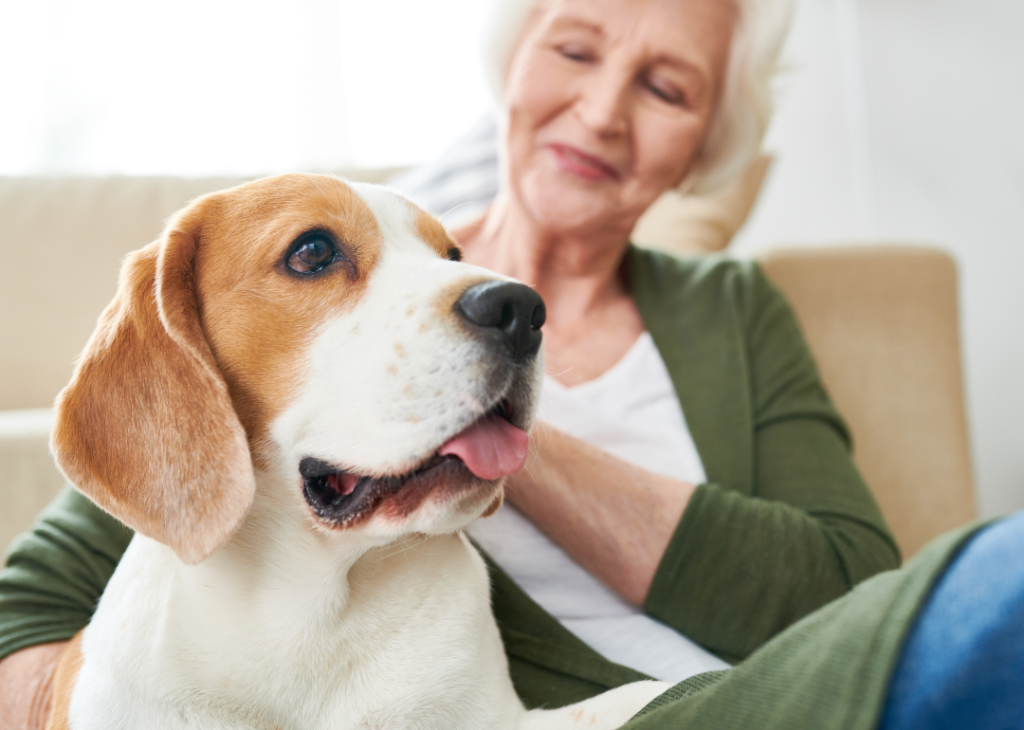
By exploring the unique challenges and benefits of adopting a senior animal, potential adopters can prepare themselves for their new journey. Not only will they provide a home to an animal in need, but they will also enrich their own lives with companionship and love. So, consider opening your heart and home to a senior pet—many rewards await those who choose to do so.
Facing the Reality of Senior Pet Adoption
Adopting a senior animal can be incredibly rewarding, but it’s crucial to face the reality that comes with this decision. The combination of health concerns, emotional challenges, and potential training issues can make the journey of adopting an older pet uniquely daunting. Understanding these potential obstacles is essential for creating a nurturing environment where both the pet and the adopter can thrive.
Health Challenges: An In-Depth Look
When considering the adoption of a senior animal, one cannot overlook the substantial health challenges that accompany older pets. Though many senior animals are perfectly healthy, others may require special attention due to age-related ailments. Some common health issues to be aware of include:
- Arthritis: Joint pain can make mobility difficult, necessitating adjustments in the home and lifestyle.
- Dental Problems: Decayed teeth or gum disease may need procedural interventions and ongoing maintenance.
- Vision and Hearing Loss: Many senior pets experience diminished senses, which can impact their ability to interact with their surroundings.
- Diabetes and Other Chronic Conditions: Managing chronic health issues can require regular medication and dietary changes.
The financial aspect also deserves attention; potential adopters often underestimate the costs linked not only to routine veterinary care but also to unexpected medical expenses. According to recent statistics, routine examinations and medications for senior pets can exceed an average of $1,000 annually in the United States. Veterinary care providers can offer specific information tailored to the health needs of various breeds, helping you gauge your potential investment in care.
Emotional Hurdles: Building Trust
Another significant consideration when adopting senior animals is the emotional hurdles they may face. Many older pets come from traumatic situations such as abandonment, the death of a previous owner, or prolonged stays in shelters, leading to a heightened anxiety. Their emotional state can manifest in various ways, such as:
- Fear and Anxiety: New environments may trigger stress responses, making the pet withdrawn or scared.
- Separation Anxiety: Long-time companion animals can struggle with being alone, prompting anxiety when their new owners leave the house.
- Difficulty in Bonding: It may take longer for senior pets to warm up to their new owners, requiring patience and understanding.
To ease these emotional transitions, establishing a consistent rutine can be incredibly helpful. Providing a quiet space, creating a nurturing atmosphere, and offering positive reinforcement when they exhibit desirable behavior can all aid in fostering trust. Engaging with shelter resources for behavior modification programs can also provide guidance tailored to individual pets.
By fully understanding the unique challenges surrounding the adoption of senior animals, you’ll be equipped to make informed decisions that benefit both you and your new furry friend. The journey may hold its set of hurdles, but the love and companionship afforded by an affectionate senior pet often far outweigh these challenges.
| Advantage Category | Key Features |
|---|---|
| Health Benefits | Senior animals often provide lower energy requirements, making them ideal companions for less active households. |
| Emotional Connection | These animals often possess a deep emotional intelligence, creating a strong bond with adopters seeking companionship. |
The challenges of adopting senior animals can seem daunting but delve deeper, and you’ll uncover compelling reasons to give these furry companions a chance at a loving home. One significant health benefit of senior pets is their adaptability to a variety of living situations. They tend to establish a routine quickly, which can be a plus for those seeking a calmer pet. Moreover, adopting elderly animals allows for a rewarding emotional connection. These pets tend to have an innate ability to understand and respond to human emotions, providing comfort and companionship to their owners. Considering adopting a senior animal doesn’t only change the life of the pet but also enriches the adopter’s life with meaningful experiences and memories. As you learn more, think about the countless senior animals waiting for an opportunity in shelters, each with a unique story and untold wisdom to share.
Preparation and Commitment: Long-Term Considerations
Adopting a senior animal is not merely a decision; it is a commitment that requires extensive preparation and an understanding of long-term responsibilities. Potential adopters must take into account the lifestyle adjustments necessary to accommodate these older companions. Recognizing the long-term implications can greatly enhance the overall experience for both the pet and the new owner.
Financial Responsibility: Beyond Initial Costs
While initial adoption fees can be lower for senior pets compared to puppies or kittens, the financial responsibility associated with their care can escalate quickly. Apart from routine veterinary check-ups and vaccinations, senior pets often need specialized care that includes:
- Regular Blood Work: Older pets may require more frequent health screenings to monitor conditions like kidney function or thyroid levels.
- Preventative Treatments: Medications or supplements to manage arthritis, heart conditions, or other age-related problems can increase monthly expenses.
- Grooming Needs: Regular grooming may be necessary for some breeds, especially when mobility issues make self-grooming difficult.
Moreover, adopting a senior pet means preparing for unforeseen circumstances that might arise. According to the American Society for the Prevention of Cruelty to Animals (ASPCA), veterinary costs can surge during emergencies, often exceeding $2,000. Thus, prospective adopters should be prepared for both expected and unexpected expenses when welcoming a senior animal into their home.
Environmental Adjustments: Accommodating Unique Needs
Creating a suitable environment for a senior pet is crucial in facilitating their comfort and well-being. Many senior animals may have specific environmental needs that differ from younger pets. Considerations include:
- Accessibility: Ensuring easy access to essential areas of the home, such as food, water, and their resting spots. Ramps may be necessary for pets with mobility issues.
- Quiet Spaces: Senior pets often benefit from quiet, comfortable areas where they can retreat to rest undisturbed.
- Safety Modifications: Evaluating the home for potential hazards and making necessary adjustments can prevent accidents. This includes removing small items that may be ingested and securing slippery surfaces.
Setting up an appropriate living space not only enhances the quality of life for senior animals but also can help prevent exacerbating existing health issues.
Embracing Imperfections: Enjoying Unique Personalities
Lastly, adopting a senior animal means embracing their unique personalities, quirks, and imperfections. While many senior pets are already trained, they might still have habits that differ from younger animals. It is essential for adopters to approach these differences with an open mind and patience. For instance:
- Slow Adaptation: Older pets may require more time than younger animals to adjust to new environments.
- Established Routines: Many seniors thrive in routine, so maintaining a structured schedule for feeding, walks, and playtime can lead to more gratifying interactions.
- Predisposition to Laziness: While younger pets are usually more active, seniors might prefer relaxed activities like gentle walks or lounging on the couch.
An appreciation for the quirks of senior pets can deepen the bond between the adopter and their new companion, leading to a mutually enriching experience. By acknowledging and addressing the challenges of senior animal adoption, individuals can foster a more rewarding journey.
Conclusion: A Fulfilling Journey with Senior Companions
In summary, adopting a senior animal offers a wonderful opportunity to provide a second chance to pets who may have faced prolonged waits for a loving home. However, it is crucial for potential adopters to fully grasp the unique challenges involved in this rewarding decision. From the financial implications associated with their specialized care to the necessary environmental adjustments aimed at fostering comfort, embracing a senior pet requires thoughtful preparation and unwavering commitment.
Understanding the dynamic personalities of senior animals further enriches the experience. While they may bring different needs and quirks, these established companions often display remarkable affection and gratitude towards their new loved ones. By approaching potential hurdles with patience, adopters can cultivate a fulfilling friendship that not only transforms the life of the animal but also brings immeasurable joy to their own lives.
As the demand for senior pet adoption rises, it is essential for communities to rally around these animals, ensuring they receive the attention and resources they deserve. So why not consider opening your heart and home to a wise, loving companion? By choosing to adopt a senior animal, you can contribute to a meaningful change while experiencing the profound bond that can only be forged with a pet who is truly grateful for a second chance. Together, let’s champion the cause of senior animal adoption, transforming lives one tail wag at a time.