How Pet Adoption Can Help Reduce Animal Overpopulation
The Pet Adoption Solution: A Crucial Step Towards Ending Overpopulation
Every year, millions of cats and dogs enter shelters across the United States, a staggering reminder of the animal overpopulation crisis facing the nation. While these furry companions can enrich our lives in countless ways, their overwhelming presence raises critical concerns about their well-being and the resources necessary to care for them. Pet adoption emerges as a powerful solution, offering not only loving homes for these animals but also significantly helping to mitigate this pressing epidemic.
Stark Numbers Reflect a Growing Crisis
According to recent statistics, approximately 3.3 million dogs and 3.2 million cats enter shelters annually in the United States. Despite the substantial number of animals seeking homes, only about 1.6 million dogs and 1.6 million cats are adopted each year. This disparity results in a heart-rending reality — overpopulation causes euthanasia, with an estimated 670,000 animals losing their lives in shelters each year. These numbers highlight a crisis that cannot be ignored.
The Benefits of Adopting a Pet
Engaging in pet adoption is not just an act of compassion; it comes with numerous benefits that positively impact both animals and humans. For example:
- Companionship: Adopted pets can become loyal companions, providing emotional support and easing feelings of loneliness for their owners. Many studies indicate that pet ownership can lead to improved mental health, including reduced anxiety and depression.
- Cost-effectiveness: The financial aspect of adoption is often less burdensome than purchasing a pet from a breeder. Adoption fees are typically much lower and usually include essential services such as spaying or neutering, vaccinations, and even microchipping, reducing the initial costs associated with pet ownership.
- Community impact: By increasing adoption rates, communities can significantly curb the demand for shelter space and resources, allowing these facilities to allocate more attention and funds toward animal welfare initiatives and education on responsible pet ownership.
Be a Part of the Solution
Choosing to adopt a pet not only saves lives but also furthers the movement toward creating a more compassionate society. Your decision to adopt can create ripples of change, encouraging others to follow suit. When you adopt, you provide a second chance for a deserving animal, giving them the love and care they need. It is more than just taking in a pet; it is also about advocating for animal welfare and promoting responsible pet ownership.
In conclusion, the cycle of overpopulation can only be broken through collective action. By highlighting the benefits of pet adoption, we can create awareness and motivate others to consider this life-saving choice. Embrace the idea of adopting instead of purchasing, and you may find that a loyal companion is just waiting to enrich your life while contributing to a greater cause.
Understanding the Overpopulation Crisis
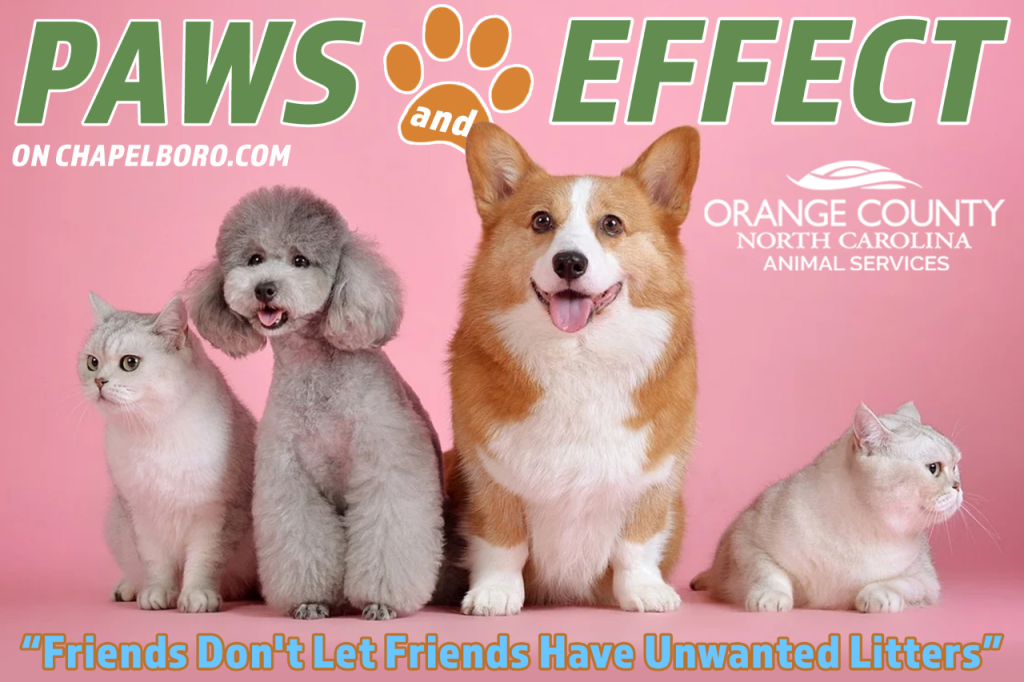
The issue of animal overpopulation is intricately woven into the fabric of society. While countless individuals cherish their canine and feline companions, the stark reality is that for every beloved pet, many more languish in shelters waiting for homes. This situation can be attributed to several factors, including unplanned litters, the abandonment of pets, and the misconception that pets from shelters are inherently problematic or unhealthy. Educating the public about responsible pet ownership is crucial in combating these misconceptions and reducing the number of animals in shelters.
The Role of Spaying and Neutering
One of the most effective ways pet adoption can aid in reducing animal overpopulation is through the emphasis on spaying and neutering. Most animal shelters and rescue organizations provide these essential services prior to adoption. Spaying (for females) and neutering (for males) not only prevent future litters but also contribute to the overall health and longevity of pets. Studies indicate that spayed and neutered pets are less likely to exhibit aggressive or roaming behaviors, making them better companions.
Alleviating Shelter Strain
- Increased Capacity: When people choose to adopt rather than shop, it allows shelters to focus on the care and rehabilitation of animals. The influx of adopted pets means that shelters can dedicate resources and space to assisting more animals, thus reducing the overall population.
- Lower Euthanasia Rates: The more animals that find homes through adoption, the fewer animals face the tragic fate of euthanasia. With over 670,000 animals euthanized in U.S. shelters each year, the lives saved through adoption can be significant.
- Community Resources: As adoption rates rise, shelters can use their resources not only for housing animals but also for implementing educational programs that encourage responsible pet ownership. This, in turn, can help prevent future overpopulation.
Engaging the Community
Adopting pets can also foster community engagement and volunteerism. Local shelters often rely on volunteers to assist with animal care, outreach programs, and adoption events. By encouraging community members to become involved, shelters can create a support network that promotes the importance of adoption and responsible pet ownership. This grassroots approach can lead to increased awareness, ensuring that animal welfare remains a priority within communities.
In summary, tackling the issue of animal overpopulation is a multifaceted challenge that necessitates collective effort. Through pet adoption, individuals not only secure a loving companion but also actively participate in a broader movement aimed at promoting animal welfare and decreasing overpopulation. Each adopted pet represents a small victory in an ongoing battle — one that can only be won if society collectively commits to making adoption the first choice for pet acquisition.
| Advantage | Description |
|---|---|
| Increased Space in Shelters | When pets are adopted, shelters can accommodate more animals, meaning that fewer pets will face euthanasia. |
| Community Education | Adoption initiatives promote awareness about responsible pet ownership and the importance of spaying/neutering. |
Adopting a pet can have a remarkable impact on addressing the challenging issue of animal overpopulation. Each animal adopted opens up a space for another desperate-to-be-rescued pet, thus reducing the overall number of animals in shelters. This step not only saves lives but also allows shelter organizations to focus on rehabilitating other animals in need.Furthermore, adoption efforts serve as a crucial platform for educating the public about the responsibilities that come with pet ownership. Enhanced community education on spaying and neutering can prevent unwanted litters and ultimately help stabilize the pet population. These educational endeavors encourage prospective pet owners to think critically before adding a pet to their household, fostering a culture of responsibility and care within communities. By raising awareness and inspiring action, pet adoption offers a sustainable pathway to combatting animal overpopulation, making it a pivotal topic for anyone invested in animal welfare.
The Impact of Pet Adoption on Public Health and Safety
Pet adoption extends beyond the benefits for individual animals; it creates a ripple effect that significantly enhances public health and safety within communities. By adopting pets, individuals can help mitigate issues related to stray animals, which can pose health risks and create hazardous situations. Unaltered animals are often more prone to roaming, leading to conflicts with traffic, human aggression, and animal attacks. When individuals choose to adopt and commit to spaying or neutering their new companions, they actively participate in reducing animal populations that contribute to such societal challenges.
Promoting Mental Health and Emotional Well-Being
The profound connection between humans and their pets has been well-documented, with studies showing that pet ownership can lead to decreased anxiety, stress, and depression. By adopting a pet, people not only provide a loving home to an animal but also enhance their own emotional well-being. This relationship intrinsically ties back to the overpopulation crisis; the more people who adopt, the more animals find homes and experience the love and security they deserve. A well-adopted pet can contribute significantly to a healthier society—emotionally and physically.
Long-Term Economic Benefits
Adopting pets can also lead to substantial long-term economic benefits for communities. By decreasing the number of animals in shelters, communities can allocate funds previously used for housing and caring for these animals toward other critical community needs, such as education and healthcare. Furthermore, the adoption process often includes initial vetting, vaccinations, and health assessments, which can encourage new pet owners to maintain these practices. Healthy pets lead to reduced veterinary costs for families and can alleviate some economic burdens on local healthcare systems related to zoonotic diseases (diseases that can transfer from animals to humans).
Strategies to Elevate Adoption Rates
- Community Events: Shelters can host adoption fairs, workshops, and educational events that highlight the benefits of adopting pets and understanding responsible pet ownership. These events often feature reduced adoption fees, valuable information on pet care, and even the chance to meet pets in need of homes.
- Social Media Campaigns: In the digital age, shelters can leverage social media platforms to reach a wider audience. Compelling stories, images, and videos shared online can captivate potential adopters and foster a connection to the pets available for adoption.
- Partnerships with Businesses: Collaborations with local businesses can create incentives for adoption. For instance, pet supply stores could offer discounts to customers who recently adopted. Such partnerships not only promote the benefits of adopting but also build community ties.
Success Stories of Adoption
Throughout the United States, numerous success stories illustrate the impact of pet adoption on animal overpopulation. Many cities have reported dramatic decreases in euthanasia rates and shelter overcrowding after implementing effective adoption strategies. For instance, Los Angeles saw a 45% reduction in shelter euthanasia rates since the launch of its “Adopt, Don’t Shop” campaign. Similarly, the Humane Society of the United States highlighted programs that successfully increased adoption rates, promoting a culture of responsibility around pet ownership.
These anecdotes serve as inspiration; as communities witness the gains from prioritizing adoption, the hope is that more people will become advocates for change. Each success story represents not just a happy ending for one animal but a step towards systematic change in how society addresses the heartbreaking reality of animal overpopulation.
Conclusion
In conclusion, pet adoption serves as a crucial solution to the escalating issue of animal overpopulation. As communities engage in embracing the responsibility of adopting pets, they not only provide a safe haven for countless animals but also contribute to systemic improvements in public health, safety, and emotional well-being. The transformative impact of adoption is illustrated by significant reductions in shelter overcrowding and euthanasia rates across various regions in the United States. Success stories from cities like Los Angeles are a testament to the dedication and positive change driven by local communities.
Furthermore, the long-term economic benefits derived from pet adoption cannot be overstated. By reallocating resources previously spent on underserved shelters to vital community services, we foster a healthier, more sustainable environment for all residents. Strategies such as community events, social media outreach, and partnerships with businesses play a pivotal role in increasing awareness and driving higher adoption rates.
As we reflect on the immense advantages of pet adoption, it becomes clear that every adoption story is more than an individual act of kindness; it signifies a collective movement toward responsible animal stewardship and improved community welfare. This interconnection invites individuals to explore further and become advocates for this compassionate cause. Ultimately, by choosing adoption, we can all actively participate in addressing the overpopulation crisis and create a brighter future for our furry companions.