Trends in Animal Adoption: The Growth of Virtual Adoption and its Challenges
Exploring the Evolution of Animal Adoption
The landscape of animal adoption is transforming rapidly, influenced by technological advancements and changing societal behaviors. Increasingly, potential pet owners are turning to virtual adoption platforms as an alternative to traditional shelters. This shift not only opens exciting new avenues for connecting homes with pets but also poses significant challenges that must be navigated thoughtfully.
Benefits of Virtual Adoption
One of the most appealing aspects of virtual adoption is its convenience. Individuals can browse through a wide array of potential pets at any time, whether they’re lounging in their living rooms or taking a break at work. This 24/7 accessibility empowers more people to consider adding a furry friend to their families. For instance, platforms like Petfinder and Adopt-a-Pet offer searchable databases where users can filter pets by breed, size, age, and special needs, streamlining the search process.
Moreover, a broader reach facilitated by virtual adoption platforms enables shelters to connect with potential adopters far beyond their localities. This is particularly vital in areas where local shelters may be scarce or underfunded, as it increases the visibility of adoptable pets. For example, a shelter in a small, rural town can showcase its animals to urban families looking for pets, thereby bridging geographical barriers.
Additionally, engagement through virtual events and social media campaigns has transformed community involvement. Shelters can host virtual “meet and greet” sessions, where potential adopters can interact with pets via video calls, or post stories and updates about available animals on platforms like Instagram and Facebook. This not only raises awareness but also fosters a sense of community among animal lovers.
Challenges of Virtual Adoption
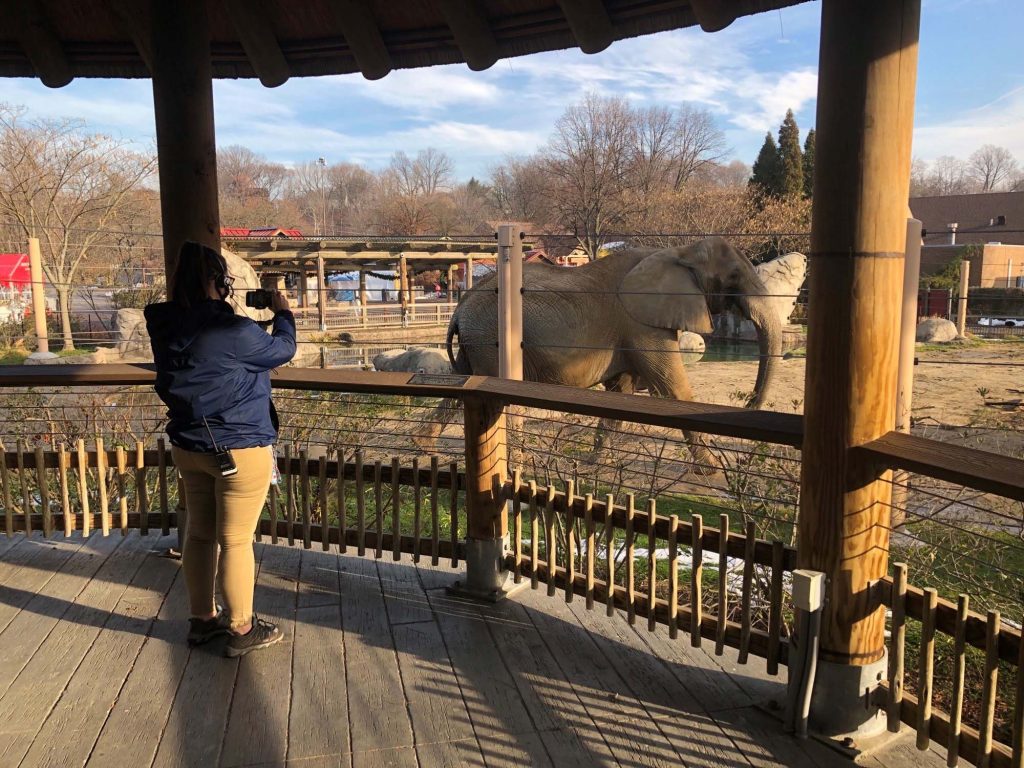
Despite the myriad benefits, virtual adoption faces notable challenges. One significant issue is the lack of physical interaction. Adopters may miss out on the crucial experience of meeting pets in person, which often helps in establishing a genuine connection. Studies show that pet owners frequently report a strong sense of attachment developed through physical interactions during the adoption process.
Additionally, the overwhelming abundance of options can result in decision paralysis. With countless animals available online, prospective adopters may find themselves struggling to make a choice, which can delay the adoption process. Tools like personality quizzes and tailored matchmaking services can help alleviate this, but they remain underutilized by many shelters.
Another pressing concern is the misrepresentation of pets in online listings. Potential adopters may encounter discrepancies between an animal’s online profile and their personality or physical condition as observed in person. To combat this, many organizations are introducing verified profiles, offering video introductions, and incorporating more detailed descriptions that highlight potential behavioral quirks.
Conclusion
As we delve into the trends surrounding animal adoption, it becomes crucial to weigh these nuances. The journey of virtual adoption not only reflects the changing dynamics of pet ownership but also offers a glimpse into the future of how we connect with our future furry companions. Embracing both the opportunities and challenges presented by this modern approach is essential for ensuring the well-being of both pets and their people.
The Dual Nature of Virtual Adoption: Opportunities and Pitfalls
As virtual adoption continues to reshape the animal adoption landscape, the opportunities it presents are matched by a set of challenges that must be addressed. Understanding these dynamics can play a vital role in enhancing the success of this innovative approach.
Expanding Accessibility and Diversity
One of the most profound impacts of virtual adoption is its ability to democratize access to pet adoption. No longer confined by geographical limitations, potential adopters can find pets from various locations across the United States, ranging from urban rescues to rural shelters. This accessibility is particularly significant in states with vast rural areas where pet options might otherwise be limited.
Furthermore, the proliferation of online platforms has allowed shelters to showcase a more diverse range of animals. For instance, while breed-specific rescues may focus on certain types of dogs, virtual platforms can present mixed-breed dogs, senior pets, and animals with special needs often overlooked in traditional settings. Expanding the visibility of these pets encourages a wider range of adopters to consider them, fostering a more inclusive pet ownership experience.
Fostering a Knowledgeable Community
Another notable advantage of virtual adoption is the creation of educational resources and community interactions. Many online platforms not only list pets needing homes but also provide valuable information about pet care, training tips, and the responsibilities of pet ownership. This multi-faceted approach promotes informed decision-making among potential adopters, helping ensure that they understand what it means to bring a pet into their lives.
Virtual consultations and Q&A sessions with shelter staff or trainers are becoming common. This access allows adopters to ask questions, clarifying any uncertainties regarding pet behavior, health, and care requirements. As a result, prospective pet owners are better equipped to make informed choices that suit their lifestyles.
The Importance of Home Environment Assessment
While the benefits of virtual pet adoption are abundant, effective owner-pet matching requires thorough consideration of a home environment. Virtual adoption necessitates a set of standards and assessments, including evaluating the living conditions and lifestyle of potential adopters. This is critical, particularly for dogs that may require ample space and regular exercise or special needs pets that could require additional care.
- Home Size: Does the home provide enough space for larger breeds?
- Family Dynamics: Are there children or other pets that may affect adoption suitability?
- Accessibility: How easily can they access pet care services, such as grooming or veterinary clinics?
To facilitate this process, many shelters have started implementing virtual home assessments and consultations to gauge suitability. Such measures can increase the chances of successful adoptions and reduce the number of pets returned to shelters, ultimately benefiting both animals and families.
In summary, while the rise of virtual adoption presents a wealth of opportunities for enhancing the reach and effectiveness of animal rescues, it equally underscores the importance of careful consideration during the matchmaking process. Balancing accessibility with a focus on finding the perfect home for pets can help ensure the long-term success of this transformative trend in animal adoption.
| Advantages | Key Features |
|---|---|
| Increased Accessibility | Virtual adoption platforms allow potential pet owners to view animals from the comfort of their homes, significantly widening the pool of adopters. |
| Enhanced Visibility | Shelters and rescue organizations can showcase animals more effectively through virtual platforms, attracting attention on social media and online ads. |
The trend of virtual adoption has revolutionized the way individuals connect with potential pets. As the internet continues to play a central role in our lives, this innovation allows prospective adopters to browse various breeds, ages, and personalities without the immediate pressure of a face-to-face encounter. Enhanced visibility of animals through engaging photos and videos fosters emotional connections that encourage adoption. Additionally, more people have access to information on animal care, behavior, and needs, further supporting informed decision-making.However, it is critical to recognize that alongside these advantages, there are distinct challenges. Virtual adoption may unintentionally lead to impulsive decisions, as adoption from home can lack the emotional gravity of a visit to an animal shelter. Interactions with pets before adoption help to assess compatibility, which is sometimes lacking in online platforms. This nuance emphasizes the importance of responsible adoption practices amid the growing trend of virtual connections.
Navigating the Challenges of Virtual Adoption
While virtual adoption presents many advantages, it is critical to acknowledge the inherent challenges that accompany this innovative approach. As the adoption community embraces technology, stakeholders must address obstacles to ensure the welfare of animals and adopters alike.
Establishing Authentic Connections
One of the most significant challenges in virtual adoption is creating authentic connections between potential adopters and pets. Despite advances in video technology and virtual meet-and-greet options, the intangible aspect of physical presence cannot be entirely replicated online. Potential adopters may struggle to assess a pet’s personality and energy level through a screen, leading to mismatched expectations once they meet the animal in person.
This disconnect is evidenced by reports from shelters indicating that many adopted pets are returned within a few weeks or months. Specifically, a study by the ASPCA found that approximately 24% of animals returned to rescue groups were a result of behavioral problems that might not have been apparent during online assessments. Thus, enhancing the *in-person* interaction before finalizing the adoption may be crucial to reducing return rates.
The Risk of Impulse Adoptions
Another prevalent issue in virtual adoption is the increasing incidence of impulse adoptions. The excitement of discovering a pet online can sometimes lead individuals to make hasty decisions, particularly when they feel an emotional bond during a virtual presentation. It is essential for shelters and rescue organizations to implement tools that encourage reflection and deliberation among potential adopters before they commit to an animal.
Strategies such as mandatory wait periods, behavioral assessments, and comprehensive adoption applications can soften the impulse-driven approach. Some organizations have instituted systems that ask adopters to respond to questions about their readiness for pet ownership and their thought processes behind adopting a particular animal. This encouragement of critical thinking is vital for promoting responsible pet ownership.
Technical Barriers and Digital Inequity
While virtual adoption broadens accessibility, it also highlights digital inequity that can limit some potential adopters. Not all individuals have access to reliable internet services or the technology necessary to engage with virtual adoption platforms fully. This can unintentionally exclude sections of society, particularly low-income families and seniors, from the animal adoption process—groups that would benefit immensely from companionship but may lack the resources to navigate online systems.
To combat this issue, numerous shelters are exploring hybrid models that blend traditional and virtual adoption. This approach allows individuals without full digital access to still engage with shelter staff through phone calls or in-person events while gaining access to virtual services like online pet listings and educational materials. By fostering inclusivity in this manner, shelters can further enhance their reach.
Overcoming the Challenge of Long-Term Commitment
Virtual adoption also presents the challenge of assessing a potential adopter’s ability to make a long-term commitment. For many, bringing home a new pet is a significant transition that involves adjustments in lifestyle, finances, and time. While shelters can provide resources about care, the true ethical responsibility lies in ensuring that adopters are prepared for the longevity that pet ownership demands.
Extensive post-adoption support through virtual follow-ups, training sessions, and community engagement can offer continuous guidance for new pet owners. This support acknowledges the evolving nature of the pet-owner relationship and reinforces the idea that adopting a pet is a lifelong commitment, helping to nurture success beyond the initial adoption phase.
As the landscape of animal adoption evolves, recognizing and addressing these challenges will play a crucial role in the sustainability of virtual adoption initiatives. Thoughtful solutions can pave the way for a more effective and compassionate approach to bringing pets and people together in a mutually beneficial relationship.
Conclusion
The rise of virtual adoption represents a paradigm shift in the landscape of animal welfare, creating unprecedented opportunities for connecting pets with loving homes. As we navigate this emerging trend, it is essential to recognize the dual-edged nature of technology in fostering relationships between adopters and animals. The advantages of convenience, broader reach, and enhanced exposure must be balanced against the challenges of establishing authentic connections and mitigating impulse adoptions.
Stakeholders in the animal adoption community must adopt innovative strategies to foster genuine interactions between potential pet owners and animals. This may include promoting responsible decision-making through carefully structured adoption processes and ensuring that resources are accessible to all, regardless of technological capabilities. Moreover, the commitment to extensive post-adoption support can pave the way for long-term, successful pet-owner relationships, ultimately reducing return rates.
As we reflect on the dynamic nature of animal adoption trends, special attention should be given to inclusivity for underserved communities. By integrating traditional outreach methods with modern virtual platforms, shelters can ensure that no one is left behind in the quest for companionship.
In conclusion, while virtual adoption opens new avenues for promotion and success, it also calls for a commitment to thoughtful engagement and ethical considerations. Navigating these complexities will determine not just the effectiveness of virtual adoption but also the future welfare of countless animals and the joy they can bring into our lives.