How to Create a Safe and Stimulating Environment for Cats at Home
Creating a Cat-Friendly Home
Providing your feline friend with a safe and stimulating environment is crucial for their health and happiness. Cats are naturally curious creatures that thrive when they have the right combination of exploration and security. An understanding of their instincts and behaviors can significantly enhance their quality of life and strengthen the bond between you and your pet.
Safety First
To create a truly cat-friendly home, it’s essential to prioritize safety. Begin by eliminating potential hazards that could harm your pet. Common household items that can pose risks include toxic plants such as lilies and philodendrons, which can result in severe health issues if ingested. Additionally, small objects like rubber bands, paper clips, or strings can easily be swallowed, leading to choking or intestinal blockages.
Investing in secure screens for windows and ensuring that cords from blinds and curtains are tied away from your cat’s reach can prevent accidents. It’s also wise to store cleaning supplies and medications out of reach or in locked cabinets. By taking these precautions, you create a sanctuary where your cat can freely roam without constant worry.
Engaging Spaces
Introducing vertical spaces can profoundly impact your cat’s daily life. Cats are climbers by nature, and incorporating elements like cat trees, shelves, or even wall-mounted play areas encourages their instinctual behaviors. For example, installing cat-friendly shelving that leads to high perches mimics the natural environment of a cat, offering them a place to survey their territory from above.
- Cat Trees: These multi-tiered structures not only provide climbing opportunities, but also often include cozy sleeping spots and scratching posts, catering to various needs.
- Window Perches: A window perch allows your cat to bask in the sunshine while observing birds and passing squirrels, providing mental stimulation and entertainment.
Interactive Toys
Engaging your cat in play is essential to keeping them mentally and physically fit. A variety of interactive toys can keep their minds sharp and bodies active. Toys such as feather wands and laser pointers stimulate their hunting instincts, while puzzle feeders can challenge their cognitive abilities by requiring them to think critically about how to retrieve treats.
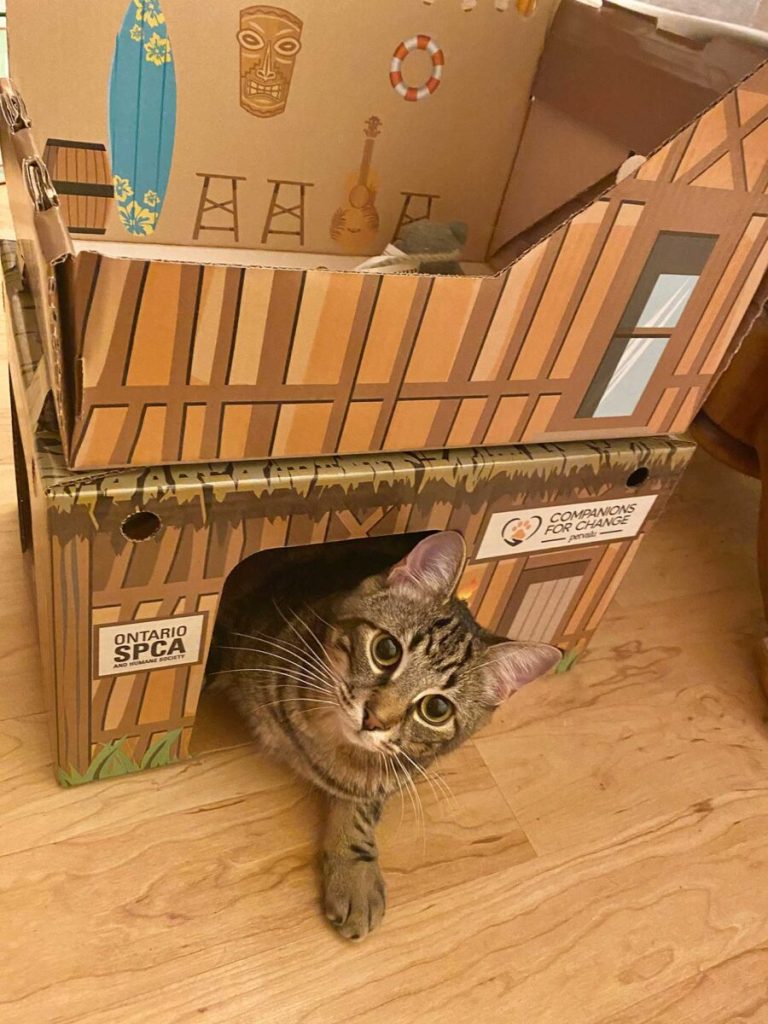
Moreover, consider rotating toys regularly to maintain your cat’s interest. This approach ensures that they don’t get bored and continue to enjoy their playtime. Adding DIY elements, such as homemade toys from household items, can also be an exciting and budget-friendly option that taps into their curiosity.
Creating a balance between safe zones and areas for enrichment will allow your cat to explore without fear. Research indicates that a well-stimulated cat is less likely to engage in destructive behavior, paving the way for a happier home. Understanding a cat’s natural instincts is key to crafting an environment that promotes both security and fun.
The enhancements you make not only improve your cat’s quality of life but also foster a deeper connection between you and your furry companion. By considering these tips and exploring additional features unique to your living space, you can easily transform your home into a cat haven. Embrace the joy of creating an engaging environment that caters to your cat’s unique personality and needs.
Understanding Feline Behavior
To foster a truly engaging and safe environment for your cat, it’s imperative to comprehend their innate behaviors and preferences. Cats are instinctual hunters, and their daily activities should reflect that. Ensuring access to various forms of entertainment and discovery is essential, as these activities not only prevent boredom but also reduce stress, which can lead to behavioral problems. Research shows that well-stimulated cats experience improved mental and physical health, directly affecting their happiness and vitality.
Creating Play Zones
Designating specific areas in your home as play zones can significantly enhance your cat’s life. By transforming ordinary spaces into stimulating play areas, you provide your pet with opportunities to explore, climb, and interact. Here are some ideas to create dynamic play zones:
- Interactive Play Areas: Equip these zones with an assortment of toys such as balls, scratching posts, and engaging catnip-filled gadgets that entice your cat to play. Set aside time daily to join in the fun, as interactive play helps build your relationship and gives your cat the exercise they crave.
- Napping Corners: Cats love to curl up in cozy spots. Designate quiet corners with soft bedding for napping. This provides them a sense of security and a place to retreat when they need a break from play.
- Challenging Obstacles: Use boxes or tunnels to create an adventurous maze. Cats love to hide and peek out from their little forts, enriching their environment and satisfying their hunting instincts.
Exploring Sensory Stimulation
Sensory experiences play a vital role in encouraging a cat’s natural instincts. You can incorporate elements that engage their senses of sight, sound, and smell. For instance, place bird feeders outside windows to provide visual entertainment, or use calming music designed for cats to create a soothing atmosphere. Additionally, introducing cat-safe herbs like catnip or valerian can pique their interest and stimulate their olfactory senses, further enriching their environment.
Moreover, consider the placement of food and water bowls. Keeping them in quiet, low-traffic areas can create a sense of security during mealtimes. Food puzzles or treat dispensers also challenge your cat mentally, making meals an engaging experience that encourages their natural problem-solving abilities.
Overall, creating a stimulating environment for your cat involves a diverse approach that merges safety with enjoyable exploration. By understanding their inherent needs and preferences while providing them with the means to express those instincts through play and sensory engagement, you can significantly improve their quality of life. The more enriched your cat’s environment is, the more comfortable and content they will be in their home, leading to a happy, healthy feline companion.
Creating a safe and stimulating environment for your cats is essential for their well-being, both physically and mentally. Indoor cats can often face boredom, which can lead to behavioral issues. To prevent this, it’s important to provide various engaging activities and a secure space.One effective way to enhance your home for your furry friends is by incorporating interactive toys. These toys not only provide entertainment but also stimulate your cat’s hunting instincts. Consider puzzle feeders that make your cat work for their food; this engages their mind and keeps them physically active. Additionally, automated laser toys can attract their attention and encourage them to chase and pounce, mimicking natural play.Cat trees and climbing structures are another fantastic addition to your home environment. They fulfill your cat’s need to climb and explore heights, giving them a sense of security while enabling exercise. Setting these structures near windows can keep them entertained as they watch the world outside, providing a dynamic source of visual stimulation.Safety is paramount in creating the perfect cat environment. Ensure that poisons, such as cleaning supplies and certain houseplants, are out of reach. Cat-proofing your home can include securing windows and balconies, as well as covering electrical cords and other hazards. Lastly, creating cozy hidden spots or beds in quiet corners can help your cat feel safe and secure. Cats are creatures of habit and often seek out places they can retreat to when feeling overwhelmed.By considering these elements, you’ll help ensure your cats are happy, healthy, and mentally stimulated, transforming your home into their beloved sanctuary.
Providing Vertical Space
Cats are natural climbers, and providing them with vertical space can immensely contribute to their overall happiness and physical health. Cat trees, shelves, and window perches allow cats to explore their surroundings from a height, which is a fundamental part of their instinctual behavior. These elevated areas serve multiple purposes: they give cats a safe vantage point to observe their environment, help them stretch and exercise, and provide a cozy retreat away from household activities.
- Cat Trees: Investing in a quality cat tree can add both entertainment and exercise to your cat’s daily routine. Many cat trees come with ramps, scratching posts, and multiple platforms that mimic natural climbing scenarios. Positioning these trees near windows offers your furry friend a front-row seat to outdoor activities.
- Wall Shelves: For homeowners with limited floor space, installing floating shelves can maximize vertical territory. Cats love to leap and jump between different levels, creating a dynamic climbing adventure. Be sure to secure these shelves properly to ensure safety.
- Window Perches: Window perches allow cats to bask in sunlight while enjoying the sights and sounds of the outdoors. Choose a sturdy perch that can support your cat’s weight and is easy to install for an unobtrusive view into nature.
Social Engagement and Human Interaction
While fostering independence is essential, social engagement is vital for a cat’s emotional health. Cats thrive on interaction, both with humans and, where possible, other pets. Allocate designated times daily for play and bonding. Engaging your cat with feather wands, laser pointers, or even simple interactive toys can pave the way for deeper social connections.
Additionally, understanding your cat’s social style is crucial. Some cats are more independent and may prefer short bursts of interaction, while others might seek sustained engagement. Try to observe their preferences and adjust your activities accordingly, ensuring that every interaction leaves your cat feeling enriched rather than overwhelmed.
- Quality Time: Dedicating certain times of the day to pet your cat or engage in gentle play not only strengthens your bond but also satisfies their need for companionship. Cats have unique personalities, so pay attention to their body language to determine the best socialization approach.
- Introducing New Pets: If you’re considering bringing another pet into your home, do it thoughtfully. Gradually introduce your new pet to your existing cat to avoid stress and territorial disputes. The goal is to create a harmonious environment where both pets feel safe and secure.
Ensuring Safety and Security
Creating a stimulating, yet safe environment is paramount. Regularly assess the safety of your home by removing any hazards that pose risks to your cat. This includes toxic plants, small choking hazards, and cleaning supplies stored in accessible locations. Additionally, consider using cat-proof screen doors and windows to prevent escapes while allowing fresh air and natural light to filter into your home.
Moreover, investing in safety features such as collars with breakaway mechanisms ensures that your cat remains secure if they ever escape or get caught. Microchipping is also highly recommended for added security. In the event that your furry friend does wander outside, this small chip can be pivotal in reuniting you with your beloved pet.
By incorporating vertical spaces, fostering social engagement, and ensuring safety, you can create an environment that not only fulfills your cat’s needs but also enriches their lives in ways that promote overall well-being. Crafting a multifaceted environment for your feline friend is essential for a happy and fulfilling life at home.
Conclusion
Creating a safe and stimulating environment for cats at home is not merely a preference but a necessity for their health and happiness. By fostering an enriching atmosphere, you not only cater to their instinctual needs but also nurture their emotional well-being. As discussed, providing vertical space through cat trees, shelves, and window perches encourages natural climbing behaviors and offers a secure retreat for your feline companion. Engaging in meaningful social interaction through dedicated playtime helps strengthen your bond, allowing your cat to thrive both physically and emotionally.
Safety must remain a priority; ensuring your home is free from hazards—including toxic plants and accessible cleaning supplies—protects your cat from potential harm. Implementing common-sense precautions such as using cat-proof screens and microchipping also significantly enhances their safety, giving you peace of mind. Remember, every cat has unique preferences and personalities, so take the time to tailor their environment according to their individual needs.
Ultimately, an environment that recognizes and adapts to your cat’s natural instincts and behaviors can lead to a happier, healthier life. Embrace the journey of discovery as you observe and respond to your cat’s responses to their surroundings. By doing so, you’ll cultivate a home where your furry family member not only feels secure but also thrives—turning your living space into a true sanctuary for your beloved pet.