Innovative Approaches in Pet Adoption Services: Technology and Community Engagement
The Role of Technology in Pet Adoption
The world of pet adoption is evolving rapidly, harnessing the power of technology and community engagement to reshape the way people connect with pets in need of homes. With a staggering number of animals in shelters across the United States—approximately 3.1 million dogs and 3.2 million cats enter shelters every year—it’s crucial for innovative strategies to emerge. These new methodologies aim to not only expedite the adoption process but also foster a deeper sense of local community involvement.
Innovative Approaches to Adoption
Several key innovations are paving the way for a more efficient and heartfelt pet adoption experience:
- Virtual Adoption Events: These online platforms allow shelters to host live-stream events featuring adoptable pets. Prospective pet owners can meet animals through video, ask questions in real time, and gain insights into their personalities, all from the comfort of their homes. For instance, the San Francisco SPCA has successfully used virtual meet-and-greet sessions to showcase pets, significantly boosting their chances of finding new homes.
- Adoption Apps: Mobile applications such as Adopt a Pet and Petfinder have revolutionized the process by allowing users to filter pets by size, breed, age, and even specific traits like activity level. These apps provide immediate access to a wealth of information, enabling applicants to make informed decisions quickly. In a society where convenience is key, these apps meet the needs of potential adopters who prefer mobile solutions.
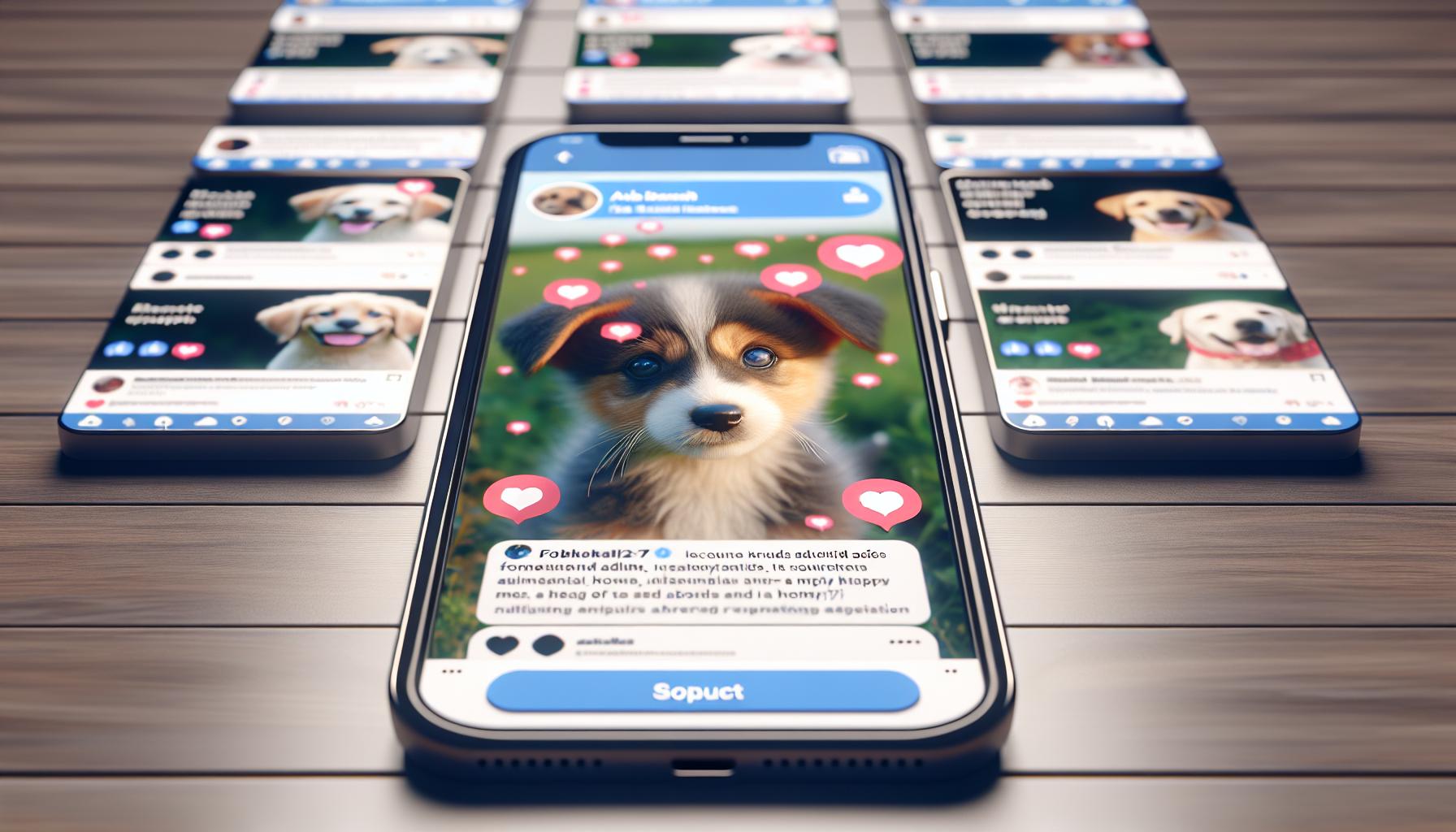
- Social Media Campaigns: Shelters are harnessing the power of social media to amplify their reach. Platforms like Instagram and Facebook have become vital tools for spreading awareness about pets in need. Heartwarming stories paired with engaging photos can ignite emotional connections. For example, a viral post about a senior dog waiting for a home can lead to passionate community efforts to find that pet a forever family.
The Importance of Community Engagement
Alongside technological advancements, community engagement is paramount in creating a culture of pet adoption. Grassroots initiatives serve multiple purposes:
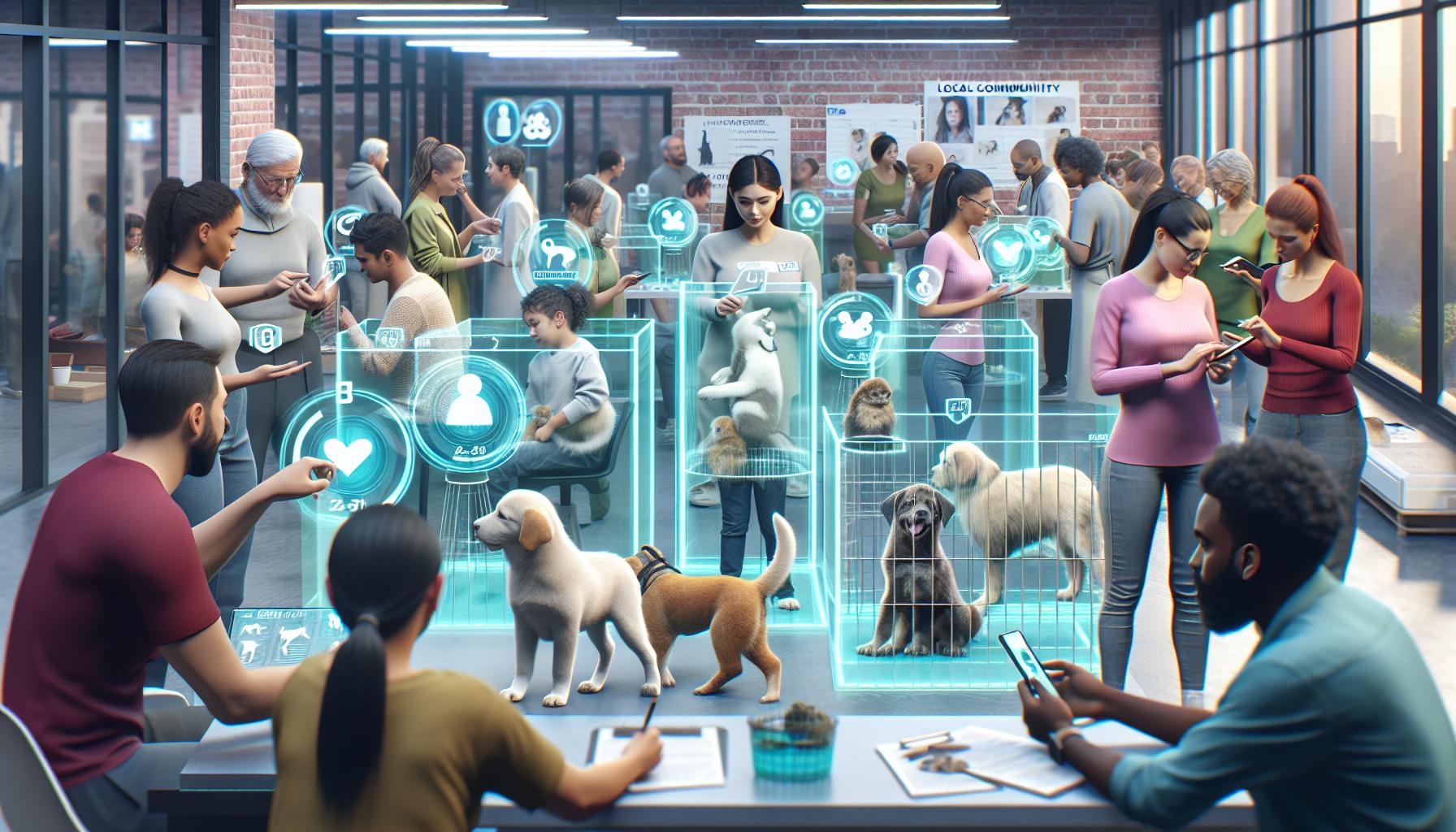
- Organizing local events, such as community adoption days, helps to raise awareness and showcase adoptable pets directly to community members. Events like these often feature family-friendly activities, making them appealing and increasing foot traffic.
- Providing educational resources not only empowers potential adopters with knowledge about responsible pet ownership but also addresses common misconceptions about shelter animals, such as the belief that they come with behavior issues.
- Creating volunteer opportunities allows local residents, especially students and youth groups, to engage with shelters actively. This involvement not only boosts the operational capacity of these facilities but also fosters a strong volunteer community dedicated to animal welfare.
As technology and community efforts intertwine, they are reshaping the landscape of pet adoption services across the United States. These advancements promise not just to improve the adoption experience but also to ensure that millions of pets find their loving forever homes. In an era where innovation meets compassion, the future looks bright for both animals and their new families.
DISCOVER MORE: Click here to learn about keeping your pet active
Transforming Pet Adoption through Technology
In a world increasingly driven by technology, pet adoption services are not lagging behind. The integration of digital tools into pet adoption processes is changing the way shelters operate and how prospective pet owners connect with animals. These innovations address the longstanding challenges faced by shelters, such as overcrowding and limited resources, while also enhancing the overall experience for both adopters and animals.
Streamlined Processes and Enhanced User Experience
One of the most evident impacts of technology in pet adoption is the streamlining of processes that hurt the efficiency of traditional methods. Web-based platforms like Adopt a Pet or Petfinder offer user-friendly interfaces that simplify the search for a new furry friend. These platforms allow potential adopters to browse a comprehensive database of available pets, complete with detailed profiles that include photos, medical histories, and behavioral descriptions. With just a few clicks, adopters can narrow down their focus to specific breeds, ages, or sizes, catering the search to their lifestyles. This convenience not only saves time but also increases the likelihood of finding the perfect match.
Moreover, shelters are now utilizing data analytics to better understand the patterns of pet adoptions. By analyzing demographic information and previous adoption trends, shelters can tailor their outreach efforts. For example, if a shelter finds that a specific breed is in high demand in a certain area, they might focus on highlighting those pets in their promotional campaigns. This strategic approach not only helps in placing more pets in loving homes but also makes effective use of limited resources.
Interactive Experience Through Technology
The incorporation of technology goes beyond simple listings; it fosters a more interactive adoption process. For instance, some shelters have implemented virtual reality (VR) experiences that allow potential adopters to get a feel for shelter environments and meet animals in an immersive way. This can be particularly appealing to families who may want to explore the idea of bringing a new pet into their home without the immediate pressure of a physical visit to the shelter.
- Videos and Live Feeds: Many shelters are now sharing videos of adoptable animals on social media and their websites. These engaging clips showcase the personality of pets, helping to create a connection before a potential adopter even sets foot in the shelter.
- Personalized Matching Algorithms: Some innovative shelters have begun implementing algorithms that match potential adopters to pets based on lifestyle, home environment, and preferences. This technology personalizes the adoption process, increasing the success rate of matches.
- Follow-Up Services: Post-adoption support through apps and online communities provides resources and assistance for new pet owners, encouraging long-term successful placements.
As the pet adoption landscape continues to evolve, the role of technology becomes ever more integral. Not only is it aiding shelters in managing their operations more effectively, but it is also enhancing the emotional aspect of matchmaking between pets and potential owners. With these advancements, there’s a growing confidence that more pets will find their forever homes, significantly impacting animal welfare across the nation.
Innovative Approaches in Pet Adoption Services: Technology and Community Engagement
As the world continues to evolve, many pet adoption services are embracing innovative technologies to enhance the adoption process. Utilizing platforms such as mobile apps and social media, organizations can connect potential adopters with pets in need of homes. This increase in accessibility allows more individuals to consider adoption, effectively expanding the potential adopter pool.
| Category | Innovative Features |
|---|---|
| Virtual Pet Introductions | Engagement through live-streamed sessions showcasing available pets. |
| Community Engagement Events | Local gatherings that allow direct interaction between pets and potential adopters. |
Community engagement initiatives are taking center stage, making it easier for shelters to build relationships with local residents. These events not only foster a sense of community but also encourage the responsible adoption of pets. Through workshops and local partnerships, organizations are effectively raising awareness about animal welfare and the importance of choosing adoption.
Moreover, the integration of customer relationship management (CRM) systems within adoption services enhances outreach efforts and follow-ups. This technology allows organizations to maintain connections with adopters, ensuring they feel supported even after bringing their new friend home. The result is a stronger, more informed pet-owning community.
With the advancement of technology and a focus on community involvement, the future of pet adoption services looks promising, encouraging more individuals to consider opening their homes to pets in need.
DIVE DEEPER: Click here to learn more about your pet’s nutrition
Fostering Community Engagement through Collaborative Initiatives
While technology plays a crucial role in modernizing pet adoption services, the importance of community engagement cannot be overlooked. Partnering with local communities not only boosts visibility and support for animal shelters but also creates a shared responsibility for helping pets find loving homes. Innovative approaches to community engagement have emerged, incorporating social initiatives aimed at increasing participation and raising awareness about pet adoptions.
Community Events and Outreach Programs
Many shelters are taking their adoption efforts beyond the physical walls of their facilities by organizing community events. These gatherings serve multiple purposes: fostering connections between shelter animals and potential adopters, educating the public about responsible pet ownership, and encouraging community members to get involved. For instance, “Adoption Fairs” hosted at local parks or shopping centers provide families with the chance to interact with adoptable pets in a fun and informal setting. Such events not only increase adoption rates but also help break down barriers that might discourage potential adopters from visiting a shelter.
Moreover, collaboration with local businesses further amplifies the impact of adoption initiatives. Retailers can sponsor events, allowing shelters to reach broader audiences while offering incentives like discounts for newly adopted pet owners. Collaborations with restaurants or cafés that provide pet-friendly spaces can also create unique marketing opportunities, such as “Paw-tastic” adoption days, enriching the community experience while promoting the urge to adopt.
Leveraging Social Media for Change
Social media has become a powerful tool for shelters striving to engage with their communities. Platforms like Instagram, Facebook, and TikTok not only allow shelters to showcase adoptable pets through captivating imagery and storytelling but also help organizations reach younger audiences who may be unaware of the animals in need. Innovative campaigns that utilize hashtags, challenges, and interactive content can encourage users to share their own pet stories, effectively creating a viral movement around pet adoption.
- Pet Influencers: Some shelters are successfully partnering with pet influencers who have established followings online. These influencers can help promote adoptable pets, creating a ripple effect that increases visibility and public interest.
- Live Streaming: Engaging with potential adopters through live streaming events where staff showcases animals in real-time can significantly enhance interaction and encourage viewers to consider adoption.
Support Networks for Adopters
Understanding that the journey doesn’t end once a pet is adopted, many shelters are building robust support networks for new pet owners. This includes offering access to online communities, training sessions, and resource-sharing platforms where adopters can connect, share experiences, and seek advice. These networks can alleviate the anxiety that new adopters might feel and foster a sense of belonging and responsibility towards their pets.
Furthermore, shelters are emphasizing the importance of ongoing education through workshops and webinars on pet care, behavioral training, and health. By keeping adopters engaged and informed, shelters contribute to reducing the number of pets that are returned or abandoned, inherently benefiting the animals and the community.
The intersection of technology and community in pet adoption services is paving the way for a future where every pet has a home. By embracing innovative approaches that leverage both technological advancements and community-centric initiatives, shelters across the U.S. are not only transforming the act of adopting pets but also cultivating a compassionate society committed to animal welfare.
FOR MORE INSIGHTS: Click here to learn effective strategies
Conclusion: Bridging Technology and Community for a Brighter Future in Pet Adoption
In today’s fast-paced world, the integration of technology and community engagement in pet adoption services is not just an innovation; it is a necessity. As we have explored, shelters and organizations across the U.S. are harnessing cutting-edge tools and collaborative initiatives to create ecosystems where every homeless pet has a chance at a loving home. The dynamic use of social media and community-sponsored events opens up a world of possibilities, making the adoption process more accessible and enjoyable for potential adopters.
Furthermore, the emphasis on support networks for adopters signifies a paradigm shift in how we approach pet ownership. By fostering a culture of lifelong commitment and responsible pet guardianship, shelters are significantly reducing return rates, which ultimately benefits both animals and communities alike. It’s not just about adopting pets; it’s about building a community that rallies around animal welfare and embraces the responsibilities that come with pet ownership.
As we look to the future, it becomes evident that the persistent collaboration between technology and community initiatives could transform the landscape of pet adoption services. By continuing to innovate and engage, we move closer to achieving a society where each rescue animal finds a permanent home and a loving family. The call to action is clear: get involved, support your local shelters, harness technology, and help create a compassionate community that believes in the mission of pet adoption.