How to Train Your Pet Bird: Tips for Enriching Bird Behavior
Unlocking Your Bird’s Potential
Birds are fascinating creatures that exhibit remarkable intelligence and social behaviors, making them captivating pets. With their vibrant personalities and charming quirks, these feathered companions are so much more than mere pets; they are capable of forming deep connections with their owners. Training your pet bird is not only beneficial for behavior management but can also significantly enhance the bond you share, transforming your relationship into something extraordinary. Whether you are welcoming a playful parakeet, an affectionate cockatiel, or a majestic macaw, utilizing effective training techniques can foster a happier and healthier environment for your avian friend.
Why Training is Essential
Understanding the fundamentals of bird training is imperative for the well-being of your pet. Here are several compelling reasons to invest time in training:
- Improves communication: Training allows you to understand your bird’s vocalizations and body language, leading to better interactions and fewer misunderstandings.
- Reduces behavioral issues: Many common challenges, such as excessive screaming or biting, can often be mitigated through proper training techniques, instilling more harmonious living conditions.
- Enhances mental stimulation: Training creates opportunities for mental engagement, which is essential for keeping your bird active and preventing boredom-related behaviors.
Moreover, training is not merely a matter of obedience; it’s an essential pathway to enriching your bird’s environment. Unlike many other pets, birds are naturally inquisitive creatures that thrive on challenges and new experiences. Therefore, when you incorporate a variety of strategies and tools, your training sessions can evolve into enjoyable adventures that stimulate your bird’s intellect and curiosity.
What You Will Learn
This article offers a comprehensive array of tips and techniques designed to make training both enjoyable and effective:
- Creating a suitable training environment: Establish a dedicated area free from distractions, where your bird feels secure to learn.
- Using positive reinforcement effectively: Reward-based training methods can significantly enhance your bird’s willingness to participate, reinforcing desired behaviors.
- Recognizing your bird’s unique learning style: Just like humans, birds have different learning preferences. Some may respond better to verbal commands, while others thrive on physical demonstrations.
Embrace the exciting journey of training your pet bird, as it requires patience, creativity, and a willingness to adapt. Each session is an opportunity for discovery, both for you and your bird, leading to extraordinary outcomes. Explore further the nuances of bird training, and unlock the full potential of your feathered companion!
DISCOVER MORE: Click here for tips on managing pet behavior
Creating an Optimal Training Environment
The first step in training your pet bird effectively involves establishing a conducive environment that minimizes distractions and promotes learning. Birds, being sensitive and intelligent creatures, thrive in settings where they feel safe and secure. To begin, select a calm and quiet area of your home where your bird can focus on you and the tasks at hand. This space should be free from loud noises, other pets, and excessive foot traffic, allowing your feathered friend to concentrate fully on the training session.
Setting Up the Space
Besides choosing a quiet space, there are several important aspects to consider for creating the perfect training space:
- Comfort: Ensure that the area is comfortable for your bird. Place their perch, toys, and any necessary supplies nearby to create a welcoming environment. A comfortable bird is more willing to engage in training activities.
- Visibility: Birds are naturally curious and enjoy observing their surroundings. Position your training area near a window or a space where they can see the outside world, allowing them to engage their curiosity while they learn.
- Consistency: The training environment should remain consistent. Birds thrive on routine, so use the same location for each training session. This helps your bird associate the space with learning and encourages a sense of familiarity.
Once your space is set up, it’s time to introduce your bird to the training process. Start small, with short sessions that last between five to ten minutes. This duration is ideal for sustaining their attention and preventing mental fatigue, which can occur if training sessions are too long. As your bird becomes more comfortable, you can gradually extend these sessions.
Establishing a Bond Through Interaction
Before diving into complex commands, it is essential to spend time building a strong bond with your bird. This bond acts as the foundation for effective training and enhances your bird’s willingness to engage in learning. To do this, engage in gentle interactions with your bird, such as talking softly, offering treats, or simply sitting near them to establish a sense of security.
Additionally, establish a routine that involves daily interaction. Whether it’s through talking, playing, or giving them time outside their cage, these moments help strengthen the connection between you and your feathered friend. A happy and secure bird is much more likely to respond positively to training efforts.
Incorporating these foundational elements into your training approach not only sets up your bird for success but also enhances the overall training experience. With the right environment and a solid bond, you are well on your way to unlocking your pet bird’s incredible potential! Stay tuned as we delve deeper into the art of positive reinforcement and explore how to tailor your training techniques to your bird’s unique learning style.
Building a Bond Through Enrichment Activities
To create a fulfilling environment for your feathered friend, it is essential to focus on enrichment activities that stimulate their natural behaviors. Enrichment not only keeps your bird engaged but also strengthens the bond between you and your pet. Consider incorporating different types of enrichment that cater to your bird’s species, personality, and preferences. Here’s a closer look at valuable enrichment techniques:
1. Interactive Toys
Interactive toys are great for keeping your bird’s mind sharp. Opt for puzzles that require your bird to figure out how to access hidden treats. These toys can be made from various materials, including wood and plastic, and encourage your bird to think critically as they play.
2. Foraging Opportunities
Foraging mimics natural behaviors and enhances your bird’s well-being. Hide food around their cage or attach foraging toys that allow them to work for their meals. This approach promotes physical activity and mental stimulation, making mealtime an engaging challenge.
3. Social Interaction
Birds are highly social creatures. Spend quality time talking to or training your bird every day. Not only will this interaction help them develop language skills, but it can also improve their overall demeanor and happiness. Parakeets and cockatiels, for example, thrive on social communication.
4. Environmental Changes
Changing the layout of your bird’s cage can add novelty and intrigue. Rearranging toys, perch locations, or even adding new items can transport your bird into a stimulating new environment. This tactic helps prevent boredom and promotes curiosity.
5. Outdoor Fly Time
If possible, allow your bird supervised time outside in a safe space. Fresh air and natural sunlight are fantastic for their mood and well-being. It also gives them the chance to experience different sounds, sights, and smells, which is essential for their mental health.These enrichment strategies not only enhance your bird’s physical environment but also play a vital role in building a trusting relationship. By taking the time to provide these experiences, you create a happier and healthier bird that is more likely to engage in learning and other positive behaviors.
DISCOVER MORE: Click here to learn how to keep your pet mentally stimulated
Harnessing the Power of Positive Reinforcement
After you’ve established a comfortable training environment and built a strong bond with your feathered friend, it’s time to delve into the key training technique that can transform your sessions: positive reinforcement. This method not only encourages good behavior but also enhances the goodwill between you and your bird, making learning a fun and rewarding experience.
Understanding Positive Reinforcement
Positive reinforcement is based on the principle that behaviors followed by rewarding outcomes are more likely to be repeated. For pet birds, rewards come in many forms, such as:
- Treats: Small, healthy snacks like seeds, fruit, or pellets can serve as excellent motivators during training. Ensure that treats are appropriate for your bird’s species and avoid foods that are high in sugar or fat.
- Praise: Your enthusiastic voice can be a powerful tool. Birds respond well to verbal encouragement, so be sure to use a cheerful tone when they perform correctly.
- Toys: Sometimes, the best rewards are not edible. Offering a new toy or allowing playtime with their favorite objects can also engage their natural curiosity.
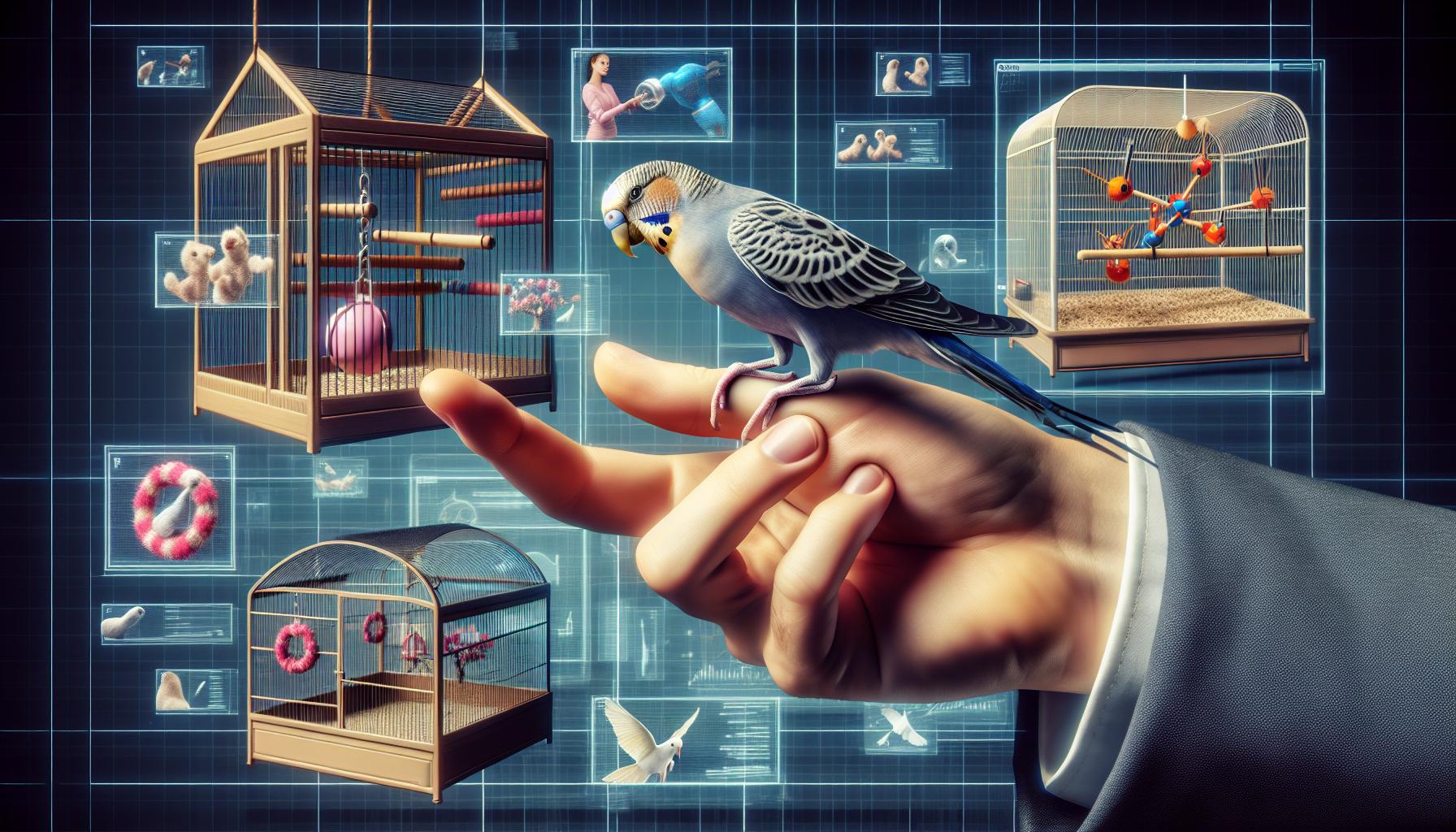
As you implement positive reinforcement, timing is crucial. Reward your bird immediately after they perform the desired behavior. This instantaneous feedback helps your bird to associate their actions with the reward. For instance, if you’re training your parrot to step up onto your finger, as soon as they do so, offer a treat and praise them enthusiastically. This immediate reinforcement will make it clear that stepping up is a behavior worth repeating.
Tailoring Your Training Approach
Each bird possesses a unique personality and learning style, which means training cannot be one-size-fits-all. Here are several strategies for tailoring your approach:
- Observe Learning Styles: Some birds learn best through imitation, while others respond well to direct cues. Pay attention to how your bird engages with training sessions and adjust your techniques accordingly.
- Break the Tasks Down: For more complex commands or tricks, break them down into smaller, manageable steps. This creates a series of achievable goals, making it less overwhelming for your bird. For example, if you want your bird to learn to wave, you might start by teaching them to lift their foot, followed by a complete wave.
- Encourage Exploration: Engaging your bird’s natural curiosity can be an insightful training method. Allow them to explore safe and new objects. By introducing different textures or sounds, you can stimulate their mind, enhancing their learning experiences.
Monitoring progress is equally vital in any training regimen. Keep a journal to document advancements, noting what methods work best and what specific rewards truly motivate your bird. This personalized approach, tailored to your bird’s unique behaviors and preferences, will not only foster a fruitful learning atmosphere but will also deepen the bond you are nurturing.
By incorporating positive reinforcement into your training, you are led to a much more vibrant and engaged pet. Birds are not just pets; they are companions capable of amazing feats when nurtured properly. In the next segment, we will explore the importance of consistency in training routines and how to effectively manage potential setbacks. Stay tuned!
DISCOVER MORE: Click here to learn about the latest trends in sustainable pet products
Conclusion: A Journey of Connection and Learning
Training your pet bird is not just about teaching tricks or commands; it’s about building a connection that enriches both your lives. By employing methods such as positive reinforcement, you foster an atmosphere of trust and joy. Remember, every bird is unique, and tailoring your approach based on observation and understanding of your feathered friend’s behaviors and preferences is essential for effective training. Breaking down tasks, encouraging exploration, and creating an engaging environment can significantly enhance their learning experiences.
Importantly, consistency in your training routine plays a pivotal role in reinforcing good behavior. Establishing a regular schedule helps your bird understand expectations and fosters a sense of security. Recording their progress not only highlights advancements but also allows you to adjust techniques and rewards as necessary, ensuring that training remains an enjoyable activity for both of you.
As you embark on this rewarding journey, remember that birds are intelligent, social, and curious creatures. By nurturing their innate abilities, you unlock a world of potential and deepen your bond. Whether your goal is to teach basic commands or more complex tricks, the foundations laid in training will contribute to a happier and more engaged pet. With patience and dedication, you can transform training sessions into moments of connection, happiness, and mutual growth.
Explore more on the importance of play, communication, and establishing a positive environment in our upcoming sections. Together, let’s continue to enrich the lives of our avian companions!