The Role of Social Media in Promoting Pet Adoption
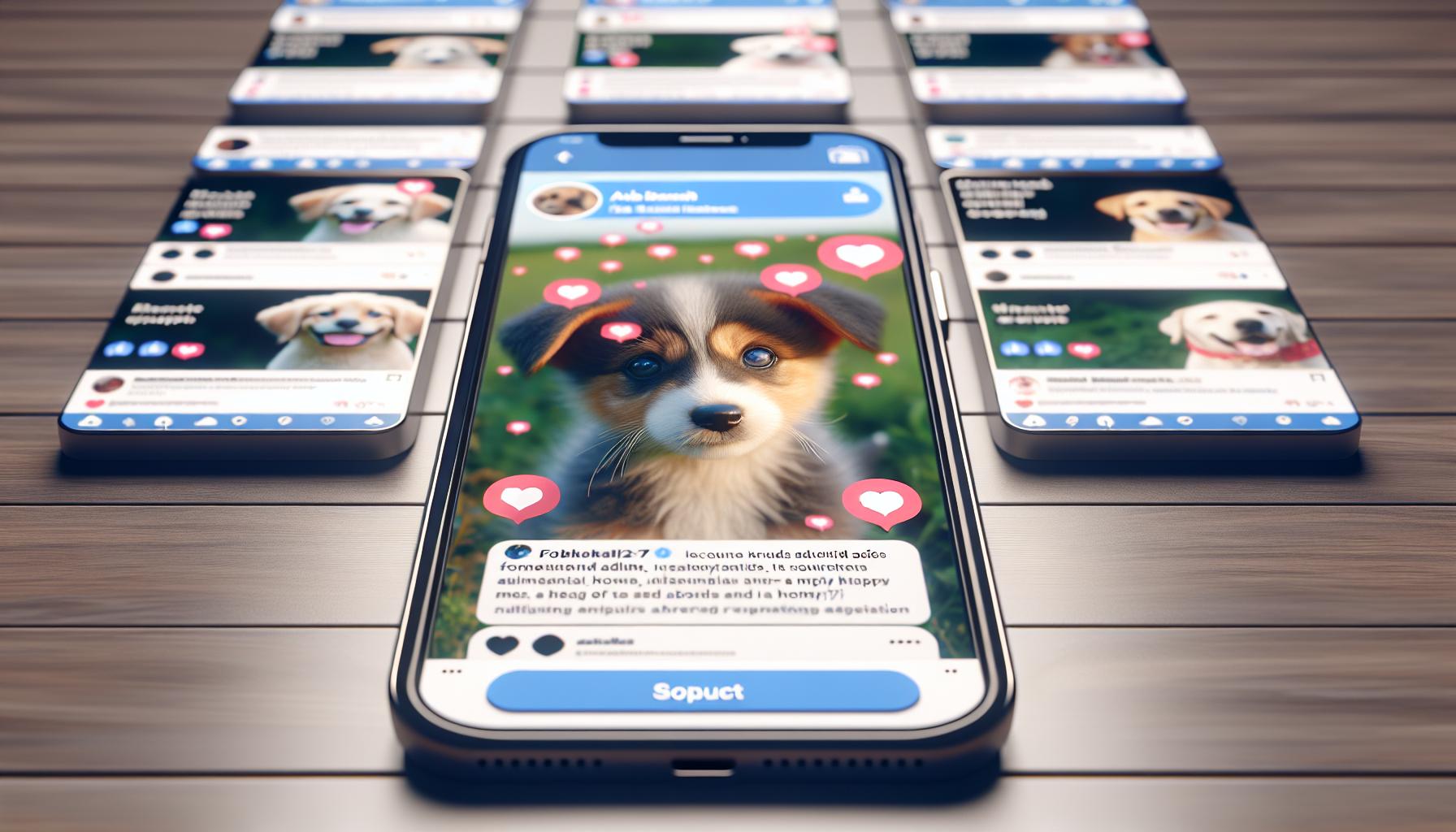
The Impact of Social Media on Pet Adoption
In the rapidly evolving digital era, social media platforms have emerged as powerful instruments for transforming the way we interact and engage with animal welfare issues, particularly in the area of pet adoption. For countless animal shelters and rescue organizations, these platforms act as vital resources, enabling them to reach far beyond their local communities. With millions of users logging on to platforms like Facebook, Instagram, and Twitter daily, the potential to elevate the call for pet adoption and connect animals in need with loving families has never been more vast.
Viral Campaigns: Harnessing the Power of Emotion
One of the most significant advantages of social media is its ability to create viral campaigns that capture public attention. Emotive storytelling, combined with captivating visuals of animals, can spur viewers into action. For instance, campaigns featuring heartwarming “before-and-after” stories of rescue pets, such as a scruffy dog transformed into a glowing companion after adoption, tend to resonate deeply with audiences. The shareable nature of these stories encourages users to spread the word, amplifying the impact on social media. Recent statistics show that posts featuring videos generate 1200% more shares than text and image content combined, thus demonstrating the effectiveness of visual storytelling in fostering empathy and driving action.
Targeted Outreach: Finding the Right Audience
Moreover, social media allows organizations to target specific demographics more effectively than traditional outreach methods. By using tools like Facebook’s advertising platform, shelters can focus their messages on potential adopters in particular regions or with particular interests. For example, a shelter may target young families in suburban areas with ads showcasing family-friendly dog breeds, thus increasing the possibility of successful adoptions. This level of granularity in outreach ensures that those most likely to adopt – whether first-time pet owners or seasoned animal aficionados – are exposed to the right messaging at the right time.
Community Engagement: Building Connections
Social media not only promotes awareness around pet adoption but also fosters a sense of community among pet lovers and shelters. Platforms enable collaboration on local events, share volunteer opportunities, and rally support for fundraising initiatives. For instance, events such as “Adopt-a-Pet Day” can be advertised through social media, drawing local residents together and creating a bustling atmosphere where people can meet adoptable pets in person. Furthermore, interactions within local groups dedicated to animal welfare encourage individuals to share experiences, tips, and even success stories about their adopted pets, contributing to an ever-growing support network.
The Emotional Connection Through Visual Storytelling
Platforms such as Instagram and Facebook excel in showcasing the charm and personality of animals through captivating posts, reels, and stories. This immersive visual storytelling not only highlights the unique traits of each pet but also inspires followers to consider the profound impact adopting a pet can have on both animal and owner. For instance, a playful video of a fluffy kitten frolicking in a new home can evoke strong emotional responses that may prompt viewers to act quickly on adoption. By emphasizing the benefits of adopting pets over shopping for them, these stories play a crucial role in reshaping public perceptions about animal acquisition.
Ultimately, the synergy between engaging content and community involvement can significantly expedite the journey from interest to adoption. The digital age allows for connections that change lives, illustrating how a simple scroll through social media can lead individuals towards adopting their next furry friend. As we explore further, it becomes evident how social networks not only spotlight pets in need but also actively connect hopeful adopters with their ideal companions.
DISCOVER MORE: Click here for essential tips on caring for senior pets
Amplifying Reach: The Power of Influence
Social media’s role in promoting pet adoption is not confined to emotional storytelling; it also significantly amplifies the reach of shelters and rescue organizations. With over 236 million active social media users in the United States alone, the potential to connect with countless individuals interested in adopting a pet is staggering. This vast audience is not only receptive to messages about pet adoption but often eager to engage, share, and contribute to the cause. This interactive dimension facilitates a two-way communication channel that traditional advertising methods simply cannot match.
Engagement Strategies: Keywords for Success
Utilizing effective engagement strategies is crucial for organizations seeking to optimize their social media presence. Here’s a concise list of effective strategies:
- Hashtags: Employing animal welfare-related hashtags such as #AdoptDontShop or #PetAdoption can significantly enhance visibility on posts, leading them to reach broader audiences beyond those who already follow the organization.
- Pet of the Week: Highlighting a specific animal available for adoption regularly can create a sense of urgency and excitement among followers, encouraging shares and prompting immediate inquiries.
- User-generated Content: Encouraging followers to share photos and stories of their adopted pets can create a sense of community and authenticity around the organization, allowing potential adopters to witness the success of previous adoptions.
These approaches not only facilitate engagement but also create an ecosystem where potential adopters feel invested and connected, increasing the likelihood of them considering adoption. Furthermore, social media platforms continually evolve their algorithms to prioritize engaging content, giving organizations the perfect opportunity to showcase their mission in a captivating manner.
The Role of Influencers and Partnerships
The proliferation of social media has also given rise to animal influencers and partnerships, another nuanced way to advocate for pet adoption. Influencers with a dedicated following and a passion for animal welfare can introduce the concept of adoption to their audiences in a relatable manner. By collaborating with such influencers, shelters can leverage their existing fan base to share life-changing stories and information regarding adoptable pets. A picture of an influencer with their newly adopted pet can do more than just tug at heartstrings; it can influence followers’ decisions to consider adoption for themselves.
Additionally, partnerships with local businesses can yield significant benefits. For example, a coffee shop might host a “Coffee with Pets” event in collaboration with a nearby shelter, drawing in patrons who might not otherwise engage with animal welfare issues. This synergy allows both parties to expand their reach and build community, creating a win-win that directly leads to increased visibility for adoptable pets.
Ultimately, social media has evolved from mere networking platforms to invaluable tools in the fight for animal welfare, wherein innovative strategies paired with emotional connections convert mere interest into action. As we delve deeper into the various dimensions of social media’s impact, it becomes clear that this digital landscape not only highlights the plight of pets in need but plays a transformative role in reshaping adoption trends across communities.
The Impact of Social Media on Pet Adoption Initiatives
Social media platforms serve as crucial avenues for animal rescues and shelters to reach potential adopters. The visual nature of platforms like Instagram and Facebook allows organizations to showcase pets with compelling images and stories, effectively capturing the attention of users. Notably, the creative use of hashtags such as #AdoptDontShop and #RescueDog creates a sense of community among pet lovers, fostering a collective awareness for pet adoption.The speed of information dissemination on social media plays a significant role in connecting pets with their forever homes. A post about an available pet can go viral in minutes, allowing animal shelters to reach an extensive audience. According to recent studies, social media campaigns have boosted adoption rates significantly, with some shelters seeing increases of over 50% during targeted campaigns. This surge can often be attributed to engaging content that prompts users to share and repost, creating a ripple effect that broadens outreach.Moreover, social media provides shelters with the ability to engage directly with their audience. This interactive environment allows pet organizations to respond to inquiries, provide updates on available animals, and share heartwarming success stories of adoptions. The narrative-driven content not only connects with potential adopters emotionally but also educates the public about the importance of adopting rather than purchasing pets.Placing particular emphasis on real-life stories generates empathy and encourages people to consider adopting. By highlighting the journeys of rescued animals—from abandonment to eventual adoption—organizations are able to tap into the power of storytelling. This method has proven effective in altering perceptions regarding shelter animals, demonstrating that they, too, can be wonderful companions.Summarily, the integration of social media into pet adoption efforts has transformed how shelters operate and communicate with their audience, proving to be an essential tool for raising awareness and facilitating connections between animals and their new families.
| Category | Benefits |
|---|---|
| Increased Visibility | Social media allows shelters to showcase pets to a larger audience than traditional methods. |
| Engagement Opportunities | Direct communication with potential adopters fosters trust and information sharing. |
DISCOVER MORE: Click here for effective training strategies
Visual Storytelling: Capturing Hearts through Imagery
In the world of social media, a picture speaks volumes, especially when it comes to promoting pet adoption. Platforms such as Instagram, Facebook, and TikTok thrive on visual content. This opens the door for shelters to utilize high-quality images and engaging videos that spotlight adoptable animals in a way that text alone cannot convey. The use of appealing visuals makes potential adopters pause in their scrolling, encouraging them to read through the accompanying heartwarming stories. A well-timed, adorable video of a playful puppy can evoke emotions and prompt immediate action, such as inquiries about adoption.
Moreover, the rise of platforms like TikTok has ushered in a new format for storytelling that is dynamic and engaging. Shelters can create short, fun videos that not only showcase pets but also inform viewers about the adoption process and the importance of animal welfare. For instance, a simple video of a cat playfully batting at a toy can draw attention while an overlay of statistics about homeless animals adds depth. This blend of entertainment and education makes the concept of adoption more relatable and less daunting, especially for first-time pet owners.
Community Building: The Heart of the Matter
Social media excels at fostering connections among communities, and this extends into the realm of pet adoption. Groups and pages dedicated to pet lovers create spaces where individuals can share experiences, advice, and questions about adopting pets. This community aspect is vital for potential adopters, as it cultivates a sense of belonging and support. For example, Facebook groups focused on specific breeds or local shelters can provide potential adopters with insights that ease their transition into responsible pet ownership.
Furthermore, these platforms allow shelters to establish a dedicated following that can act as advocates for adoption. Engaging regularly with followers through updates about animals available for adoption, success stories of recently adopted pets, or even behind-the-scenes glimpses into shelter life fosters loyalty and drives support. Beyond just reposting photos of available pets, shelters can create themed posts, such as “Throwback Thursdays” featuring success stories of pets who found their forever homes, further encouraging discussions about adoption.
Educational Campaigns: Spreading Knowledge Through Shares
Another pivotal function of social media in promoting pet adoption is its ability to facilitate educational campaigns aimed at reducing misconceptions surrounding adoption. Many individuals harbor reservations about adopting pets from shelters, often influenced by stereotypes regarding shelter animals. Social media can counteract these misconceptions by sharing informative content that emphasizes the benefits of adopting, such as the health and temperament of shelter pets and the support services available to new pet owners.
For example, organizations might create infographics highlighting the comprehensive vet care that adoptable pets receive or share testimonials from happy families who adopted shelter animals. These resources can be easily shared among users, creating ripples of awareness that polarize the conversation and encourage more individuals to consider adoption. Furthermore, by utilizing engaging content formats such as live streams or Q&A sessions, shelters can directly address public concerns and dispel myths in real-time.
As more shelters and organizations increasingly recognize the profound impact of social media in advocating for pet adoption, they are likely to embrace more innovative strategies to reach their goals. With powerful storytelling, community connections, and educational initiatives at the forefront of their efforts, this digital landscape not only promotes awareness but also transforms how society views and engages with animal welfare.
DISCOVER MORE: Click here to learn about positive reinforcement techniques
Conclusion: A Digital Pawprint in Animal Welfare
The influence of social media in promoting pet adoption cannot be underestimated. As we have explored, platforms like Instagram, Facebook, and TikTok serve as powerful avenues for visual storytelling, capturing the hearts of potential adopters through engaging imagery and relatable narratives. These platforms not only showcase the adoptable pets but also create a community where pet lovers can connect, share experiences, and offer support, thereby making the adoption process less intimidating.
Moreover, the effectiveness of educational campaigns on social media further dispels myths surrounding shelter animals, encouraging a shift in public perception. By debunking stereotypes and highlighting the benefits of adopting, shelters can enhance their outreach efforts and nurture a culture of responsible pet ownership. With user-generated content and testimonials from satisfied adopters, the message resonates on a personal level, compelling more individuals to consider adopting rather than shopping for pets.
As social media continues to evolve, so too can the strategies employed by shelters. Leveraging the latest trends and techniques to engage audiences will enhance the visibility of adoptable pets, streamline the adoption process, and ultimately save more lives. In a country where millions of animals are in need of homes, the digital landscape offers a vital opportunity to spark compassion and action. By embracing the power of social media, we can all play a role in shaping a brighter future for countless animals in need. This is not just a campaign for adoption; it is a passionate call to action, echoing in the hearts of people nationwide.