The Importance of Animal-Assisted Therapy for Mental Health

Understanding Animal-Assisted Therapy
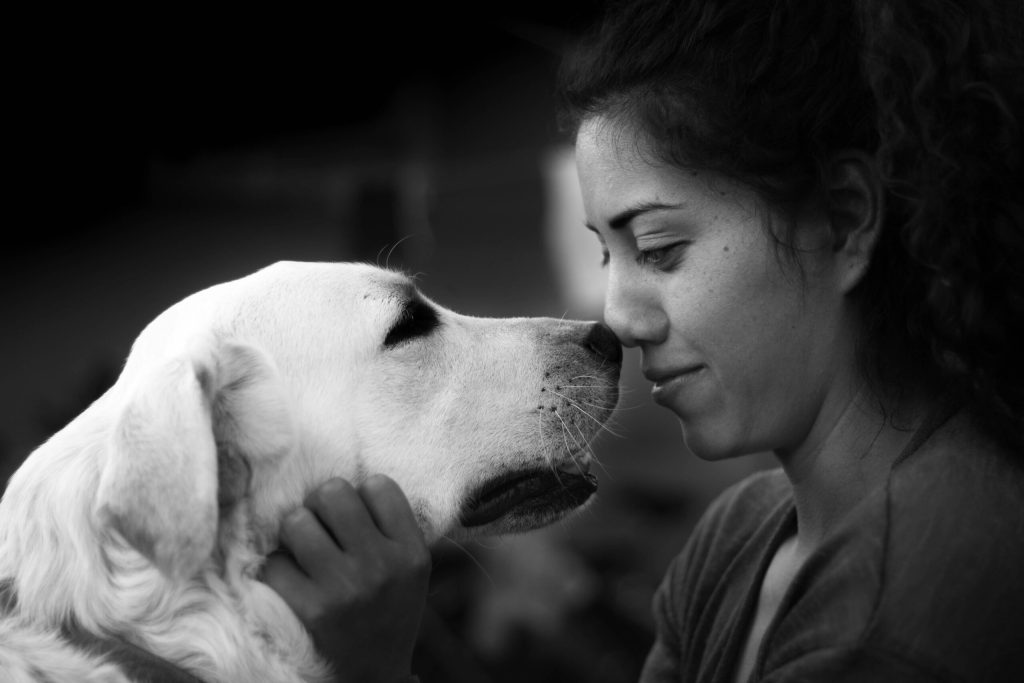
In recent years, animal-assisted therapy (AAT) has gained significant attention as a powerful tool for improving mental health. This innovative approach leverages the innate bond between humans and animals to promote emotional well-being. With therapy animals by their side, individuals are finding new pathways to healing. AAT not only creates a comfortable environment but also encourages openness, allowing individuals to express their feelings more freely. The therapeutic presence of an animal can serve as a catalyst for personal growth and recovery.
Benefits of Animal-Assisted Therapy
Animal-assisted therapy offers numerous benefits, including:
- Reduced anxiety and depression: Interacting with therapy animals can lower stress levels and improve mood. Research shows that petting a dog or cat can release oxytocin, often referred to as the “love hormone,” which helps reduce anxiety and foster feelings of connection.
- Enhanced social skills: Animals encourage interaction and can help individuals develop better communication. For example, children on the autism spectrum often find it easier to engage with peers when a therapy animal is present, breaking down barriers to social interaction.
- Increased motivation for therapy: Having a furry companion can make therapy sessions more enjoyable and engaging. Many individuals report looking forward to their sessions more when they know an animal will be involved, thereby enhancing their commitment to the therapeutic process.
These benefits reflect how animal companionship can bring about profound changes in various aspects of mental health, offering hope to many who feel isolated or overwhelmed.
Common Therapy Animals
While dogs and cats are the most popular therapy animals, AAT can include a variety of species, each serving unique therapeutic roles:
- Horses: Used in equine therapy to build confidence and trust. Engaging with horses can help individuals develop a sense of responsibility and improve self-esteem through activities like grooming and riding.
- Rabbits: Gentle and calming, often utilized in therapy settings. Their soft fur and quiet demeanor provide comfort, particularly to those in hospital settings or rehabilitation centers.
- Birds: Their playful nature can uplift spirits and stimulate conversation. Birds like parrots are known for their mimicry and can foster engagement with individuals, especially in group therapy settings.
These diverse animals can create personalized therapeutic experiences, catering to the unique needs of each individual.
Evidence and Research
Research has shown that animal-assisted interventions can effectively complement traditional therapy. Studies indicate significant improvements in various mental health conditions. For example, a study published in the Journal of Clinical Psychology demonstrated that adding animals to therapeutic settings reduced symptoms of PTSD in veterans. Another study found that children with behavioral issues showed marked improvement after regularly interacting with therapy dogs.
This growing body of evidence underscores the potential of AAT to be a vital component in holistic mental health care. By integrating animals into therapeutic practices, healthcare providers not only enhance the efficacy of traditional treatments but also offer a compassionate path toward emotional healing.
DISCOVER MORE: Click here to learn about the vital role of dietary guidelines for your pets
The Therapeutic Power of Animals in Mental Health
The integration of animal-assisted therapy (AAT) into mental health treatment has prompted growing interest among clinicians and researchers alike. As the understanding of mental health evolves, so does the emerging evidence supporting the efficacy of animal interactions in therapeutic settings. The innate ability of animals to provide comfort and unconditional support makes them invaluable assets for mental wellness.
The psychological benefits of AAT extend beyond surface-level improvements; they delve into profound emotional connections that can transform an individual’s journey to recovery. The mere presence of a therapy animal during sessions often reduces feelings of anxiety and isolation, enabling patients to navigate their mental challenges more effectively. Many people experiencing mental health disorders, such as depression or anxiety, report an immediate sense of relief and security when interacting with therapy animals. This response is not merely anecdotal; the physiological effects of petting an animal, such as lower blood pressure and reduced heart rate, further illustrate the deep connection between human beings and their animal counterparts.
Therapeutic Interaction: A Gateway to Healing
As therapy animals engage with patients, they create a unique space that fosters healing. This interaction encourages individuals to express their feelings without fear of judgment. The companionship provided by therapy animals often serves as an icebreaker, making it easier for patients to open up about their challenges. The following key aspects illustrate how AAT transforms the therapeutic environment:
- Emotional Support: Animals inherently offer empathy and understanding. Their non-judgmental attitude allows individuals to feel safe, leading to more genuine conversations during therapy sessions.
- Improved Mood: Numerous studies reveal that spending time with animals can boost serotonin and dopamine levels in the brain, neurotransmitters associated with happiness and mood regulation.
- Stress Relief: The simple act of petting a therapy animal can significantly reduce tension and stress, creating a calming atmosphere that is conducive to therapy.
These interactions are not limited to formal therapy sessions. Many facilities, including hospitals, schools, and nursing homes, have initiated programs that allow individuals to experience the benefits of AAT regularly. By facilitating these connections, healthcare providers can offer more holistic approaches to mental health treatment, ensuring that emotional and psychological needs are met through varied therapeutic practices.
Building Connections Through AAT
As the importance of mental health continues to be recognized in society, the integration of animals in treatment settings will likely be at the forefront of therapeutic innovation. The ability to connect with a therapy animal transcends traditional boundaries of treatment, allowing many to experience comforting, positive interactions. The role of AAT in mental health care not only addresses the symptoms of mental disorders but also provides profound opportunities for emotional connection and healing, often revitalizing individuals who feel overwhelmed by their circumstances.
| Advantages | Benefits |
|---|---|
| Emotional Support | Animals provide unconditional love and companionship which can ease feelings of loneliness and anxiety. |
| Promotes Social Interaction | Animal-assisted therapy helps individuals connect with others, fostering socialization and reduced isolation. |
| Physical Activity | Engaging with animals often involves exercise and movement, which benefits both mental and physical health. |
| Stress Reduction | Pets can lower cortisol levels and increase serotonin, providing calming effects for individuals suffering from stress. |
Animal-assisted therapy plays a critical role in enhancing mental well-being by harnessing the innate bond between humans and animals. Research shows that interactions with therapy animals can lead to reductions in symptoms of anxiety, depression, and even PTSD. Furthermore, these animal companions can facilitate improved communication and social skills, making therapy more interactive and engaging. Individuals undergoing therapy often find themselves more motivated to participate when animals are involved, leading to a more productive therapeutic environment.Additionally, the incorporation of animals in therapy sessions allows for a unique experience that traditional therapy settings may lack. The presence of an animal can spark feelings of joy and spontaneity, creating a more relaxed atmosphere where individuals feel safe to express their emotions openly. With ongoing studies revealing significant benefits across various demographics, the importance of animal-assisted therapy in mental health care continues to gain recognition, paving the way for deeper exploration in clinical practices.
DISCOVER MORE: Click here to discover how pets can ease stress
The Expanding Role of AAT in Diverse Settings
The versatility of animal-assisted therapy (AAT) is pivotal to its growing adoption across multiple settings, including educational institutions, rehabilitation centers, and even corporate environments. The ability to tailor therapy animals for specific populations showcases the profound adaptability of AAT in addressing varying mental health needs.
For instance, in educational settings, therapy animals have emerged as allies in assisting students who struggle with social anxiety or learning disabilities. Schools across the United States are adopting programs that introduce therapy dogs into classrooms, helping students feel more relaxed and engaged. A notable example is the Reading Education Assistance Dogs (READ) program, where children read aloud to therapy dogs, fostering confidence and improving literacy skills while simultaneously reducing anxiety related to public speaking.
In rehabilitation centers, the presence of therapy animals plays a crucial role in helping participants manage traumatic experiences and substance use disorders. Research indicates that individuals in recovery benefit significantly from having therapy animals present during group sessions. The animals facilitate connections between participants, creating a shared experience that can pave the way for open discussions about vulnerabilities and challenges faced during recovery.
The Science Behind AAT’s Effectiveness
Exploring the scientific foundations of AAT reveals an array of physiological and psychological benefits that underscore its effectiveness in promoting mental health. Studies indicate that interactions with therapy animals stimulate the release of oxytocin—a hormone associated with bonding and emotional connection—while simultaneously decreasing cortisol levels, a key marker of stress. This hormonal response can lead to an improved sense of well-being and play a role in mitigating the symptoms of anxiety and depression.
Moreover, a systematic review by the National Institutes of Health found that AAT significantly improved the overall quality of life for individuals dealing with various mental health disorders. By examining randomized control trials, the review underscored that AAT participants reported higher levels of emotional clarity, decreased feelings of isolation, and enhanced coping strategies compared to those receiving traditional therapy alone.
Considerations for Implementing AAT
While the benefits of AAT are compelling, careful implementation is essential to maximize its effects. Mental health professionals considering AAT should assess their patients’ preferences and sensitivities towards animals. As different individuals may have varying levels of comfort interacting with animals, it is crucial to choose the right therapy animal that aligns with the patient’s needs. Additionally, training and certification of therapy animals is imperative, ensuring that they are well-prepared to provide the supportive and soothing presence that patients require.
Furthermore, ongoing training for therapists involved in AAT is vital. It equips them with the skills necessary to integrate animal interactions within therapeutic practices effectively. This combination of trained professionals and well-prepared animals can significantly enhance patient outcomes, reinforcing the overall effectiveness of mental health interventions.
In conclusion, animal-assisted therapy serves as a transformative avenue for many individuals seeking mental health support, merging human-animal connection with clinical insight to create a holistic approach to wellness. As research progresses and awareness grows, the role of AAT in mental health care is poised to expand, providing further opportunities for recovery and resilience among the diverse populations it serves.
DISCOVER MORE: Click here to learn how to help your pet
Conclusion: Embracing the Benefits of Animal-Assisted Therapy
In summary, animal-assisted therapy (AAT) emerges as a compelling and innovative approach to enhancing mental health and well-being. Its multifaceted effectiveness is supported not only by anecdotal success stories but also by scientific research that highlights significant psychological and physiological benefits. By fostering emotional connections and reducing stress through interactions with therapy animals, AAT offers unique advantages in treating a variety of mental health disorders, including anxiety, depression, and PTSD.
The growing presence of AAT in diverse environments—from classrooms to rehabilitation centers—underscores its versatility and relevance in today’s therapeutic landscape. Through initiatives such as the Reading Education Assistance Dogs (READ) program, we observe firsthand its capacity to not only improve literacy and self-confidence among children but also to facilitate critical discussions among adults in recovery settings. As mental health awareness continues to permeate society, integrating animal-assisted therapy into mainstream treatment options is crucial.
However, while the potential of AAT is profound, it is essential for practitioners to approach its implementation with care. Ensuring that therapy animals are well-trained and aligning them with specific patient needs can maximize their impact. With ongoing research and an increasing understanding of human-animal interactions, the future of AAT looks promising. By prioritizing this holistic approach, we can open new pathways to healing, resilience, and emotional growth for individuals seeking support in an increasingly complex world.