How Climate Control Influences the Habitat of Pets

The Importance of Climate Control for Pets
The well-being of our pets hinges significantly on their living environment, impacting both their health and happiness. Climate control plays a vital role in how pets adapt to their surroundings, offering insights that can help enhance their overall quality of life. By paying attention to the effects of temperature, humidity, and air quality, pet owners can create optimized habitats for their furry companions.
Temperature Regulation
Extremes in temperature can pose serious health risks for pets. For instance, dogs and cats can easily suffer from overheating in the sweltering summer months, which can lead to heatstroke, a potentially fatal condition. Conversely, frigid winter temperatures can cause hypothermia, particularly in small breeds or pets with thin fur. According to the American Veterinary Medical Association, certain breeds such as bulldogs and pugs are particularly vulnerable to heat-related illnesses due to their brachycephalic (short-nosed) structure, which makes it difficult for them to dissipate heat effectively. Maintaining a stable temperature—ideally between 68°F and 72°F—can help mitigate these risks, ensuring pets remain comfortable regardless of the season.
Humidity Levels
In addition to temperature, humidity levels play an essential role in the comfort and health of pets. High humidity can exacerbate respiratory issues and lead to mold growth, which contributes to allergies and other health complications. On the other hand, excessively low humidity levels can dry out a pet’s skin and respiratory tract, resulting in irritation or infections. A relative humidity of around 30% to 50% is ideal for pets, as it helps maintain their skin health and overall respiratory function. Pet humidifiers are increasingly popular, particularly in areas with harsh winters, to ensure pets stay hydrated and comfortable.
Air Quality Management
Another crucial factor in pet habitability is air quality. Pets can be particularly sensitive to pollutants and allergens, such as dust mites, pet dander, and pollen. Ensuring a clean indoor environment can make a significant difference in a pet’s well-being. Investing in air purifiers can help filter out harmful particles, thereby reducing allergy symptoms and promoting positive health outcomes. Additionally, regular cleaning of living spaces, including vacuuming with HEPA filters and washing pet bedding, can further enhance air quality, making it a healthier habitat for both pets and humans.
Breed-Specific Needs and Consistency
Understanding individual breed requirements can guide pet owners in optimizing their pets’ habitats. For example, Arctic breeds like Siberian Huskies thrive in cooler temperatures, while breeds like Chihuahuas may require extra warmth. Moreover, maintaining consistent indoor temperatures reduces stress in pets, leading to improved behavior and a happier demeanor. Sudden fluctuations in temperature can trigger anxiety and discomfort, affecting pets’ overall mood and behavior.
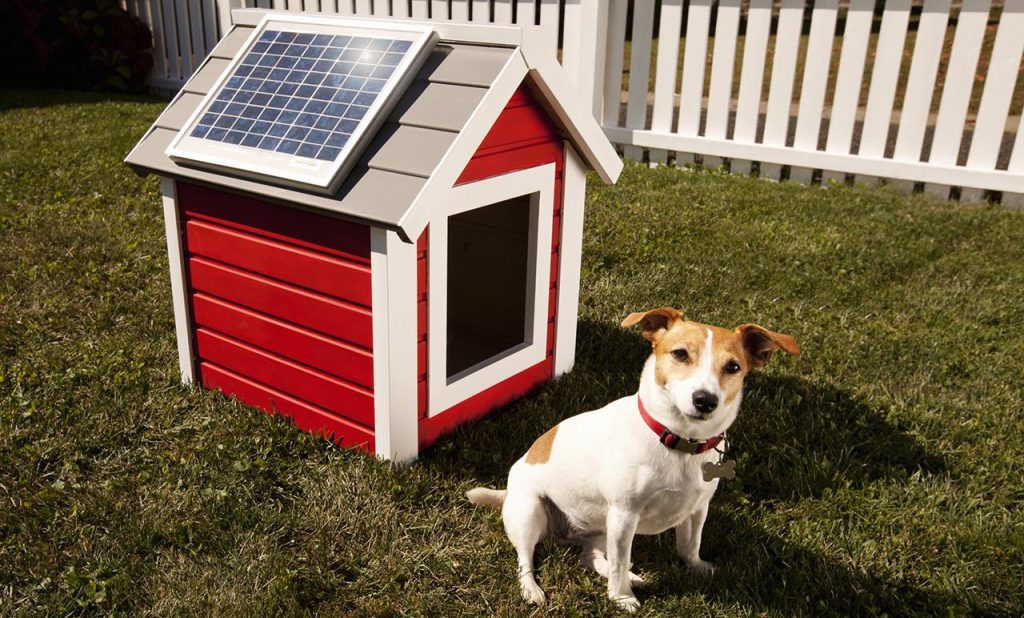
By acknowledging these factors—temperature regulation, humidity levels, and air quality—pet owners can greatly enhance the living conditions for their pets. By taking proactive steps in climate control, they can create an environment that fosters health, happiness, and longevity for their beloved companions.
DISCOVER MORE: Click here for tips on creating the perfect home for your pet
Understanding the Impact of Temperature and Humidity on Pets
As we explore the intricate dynamics of how climate control influences the habitat of pets, it becomes clear that both temperature and humidity are foundational components of a pet’s living environment. Creating a comfortable space for pets goes beyond mere aesthetics; it revolves around understanding their specific needs and responding accordingly to changes in their environment.
The Dangers of Temperature Extremes
Pets are not immune to the vicissitudes of seasonal changes. During the sweltering summer months, overheating is a serious concern. Pets, particularly those with short noses like bulldogs and pugs, are at a higher risk because their anatomy makes it difficult for them to cool down effectively. According to the ASPCA, symptoms of overheating can manifest in excessive panting, lethargy, and even vomiting. Just as concerning, when temperatures dip during winter, the risk of hypothermia looms, especially for smaller breeds or those with thin fur. Pet owners should ensure that their homes maintain a consistent, comfortable temperature, ideally between 68°F and 72°F, to reduce the risk of temperature-related health issues.
Humidity: A Double-Edged Sword
Humidity levels are just as critical in shaping the comfort of our pets. High humidity can lead to a range of health problems, particularly respiratory issues, as damp environments can foster the growth of mold and dust mites, both of which can trigger allergies. Conversely, low humidity can be equally detrimental; it can dry out a pet’s skin and respiratory tract, leading to discomfort and potential infections. The ideal range for pet-friendly humidity lies between 30% and 50%. Many pet owners are now turning to humidifiers to combat dry air during the colder months, ensuring their pets remain hydrated and happier.
Identifying the Right Climate Control Solutions
To optimize the habitat for pets, it’s essential to understand not only temperature and humidity but also the tools available for effective climate control. Consider the following options:
- Smart Thermostats: These devices allow for precise temperature management and can be programmed to adjust according to the time of day.
- Air Purifiers: Investing in high-quality air purifiers can assist in maintaining clean air, filtering out allergens and pollutants that may affect pets’ health.
- Dehumidifiers and Humidifiers: These devices can help maintain ideal humidity levels, effectively preventing mold growth and ensuring skin health.
By being proactive about understanding and managing climate variables such as temperature and humidity, pet owners can create an ideal habitat for their furry friends. This attentiveness not only fosters a comfortable daily living environment but also significantly contributes to the longevity and happiness of pets.
| Climate Control Impact | Effect on Pets |
|---|---|
| Temperature Regulation | Maintains comfort levels for pets, preventing heat stress and cold-related illnesses. |
| Humidity Control | Helps in reducing skin issues and respiratory problems, ensuring a healthier living environment. |
| Air Quality Management | Filters allergens and pollutants, creating safer habitats for pets prone to allergies. |
| Energy Efficiency | An energy-efficient climate control system contributes to a sustainable lifestyle that benefits both pets and the planet. |
Climate control significantly shapes the habitats of pets, directly influencing their well-being and comfort. The way temperatures are managed can mitigate conditions such as heat stress or hypothermia, keeping pets comfortable and safe all year round. Moreover, with controlled humidity levels, pet owners can alleviate skin irritations and respiratory issues that arise from an unsuitable environment. Air quality also plays a crucial role: by filtering out pollutants, pet owners can create a refuge for pets particularly sensitive to allergens, enhancing their quality of life. Lastly, making investments in energy-efficient systems not only benefits the pet’s habitat but also promotes a greener planet, adding another layer of responsibility that conscientious pet owners can embrace.
DISCOVER MORE: Click here for practical training tips
Creating a Healthier Indoor Environment for Pets
Beyond merely temperature and humidity, the overall environment where pets live plays a critical role in their health and well-being. As pet owners become increasingly aware of how their living conditions affect their furry companions, the relevance of air quality has emerged as a vital concern. Pollutants, allergens, and other airborne particulates can directly affect a pet’s respiratory health and overall comfort.
The Role of Air Quality
Much like humans, pets are sensitive to air quality. Exposure to indoor pollutants such as smoke, chemicals from cleaning supplies, and even pet dander can lead to a myriad of health issues, particularly for animals with pre-existing conditions such as asthma or skin allergies. It is noteworthy that secondhand smoke can be especially harmful; the American Veterinary Medical Association (AVMA) has reported that pets living in a smoking household are at increased risk for developing respiratory illnesses and even cancers.
Exploring Effective Ventilation Methods
Effective climate control includes not only managing temperature and humidity but also ensuring adequate ventilation within the home. Proper ventilation helps to circulate fresh air while expelling stale and potentially harmful air. Here are a few methods to optimize ventilation:
- Windows and Screens: Regularly opening windows and utilizing screens will allow fresh air to flow through while keeping pets safe from potential escape routes.
- Exhaust Fans: Utilizing exhaust fans in kitchens and bathrooms can help remove lingering odors and excess moisture, fostering a healthier indoor climate.
- Air Exchange Systems: For those in regions with unfavorable outdoor air quality, investing in an air exchange system can help filter out pollution while maintaining optimal indoor climate.
Furniture and Layout Considerations
When tailoring a suitable habitat for pets, furniture arrangement and materials can influence not only aesthetics but also comfort. Soft furnishings that can trap hair and dust should be reduced, as they can aggravate allergies in both pets and humans. Instead, choosing hypoallergenic materials can play a significant role in minimizing irritants. Moreover, ensuring that furniture is situated to provide easy access to natural light can promote a cheerful disposition in pets, enhancing their mood and encouraging activity.
Furthermore, the layout of a living space should include designated areas for pets, where they can relax undisturbed and escape any noise or potential stressors from household activities. An energizing yet serene environment encourages pets to engage in healthy play while also offering them a retreat during quieter moments.
Implementing Pet-Specific Climate Control Innovations
With advancements in technology, there are increasingly innovative ways to support climate control specifically designed for pet owners. These include:
- Pet-Comfort Smart Sensors: These devices monitor both temperature and humidity and can alert owners when conditions fall outside the ideal range for pet health and comfort.
- Automated Climate Systems: Some homes now utilize automated systems that adjust heating, cooling, and humidity based on real-time data, ensuring consistent comfort for pets regardless of external changes.
- Pet-Friendly Furniture: Consider investing in furniture designed for pets, such as beds that maintain a comfortable temperature or area rugs that are resistant to odors and allergens.
All these steps show the profound relationship between climate control and your pet’s habitat and health. As pets rely on their owners to create a safe and comfortable space, making informed choices about the indoor environment can lead to happier, healthier furry companions.
DIVE DEEPER: Click here to learn more
Conclusion: The Vital Intersection of Climate Control and Pet Welfare
In summary, the link between climate control and the habitat of pets is both profound and multifaceted. As pet owners, understanding how temperature, humidity, ventilation, and air quality impact our beloved companions is crucial for their health and well-being. With pets being sensitive to indoor environments, including the presence of allergens and pollutants, a proactive approach to managing air quality is essential.
For pet owners, enhancing living spaces extends beyond comfort; it encompasses the responsibility to create a haven for pets that promotes vitality and happiness. Investing in innovative climate control technologies, such as smart sensors and automated systems, empowers owners to maintain an ideal indoor climate effortlessly. Moreover, making thoughtful decisions about furniture materials and arrangements can further minimize health risks, ensuring a relaxing environment for pets.
As we navigate our lives alongside furry companions, it’s imperative to remember that their comfort is intertwined with our choices. By prioritizing effective climate control strategies, we not only safeguard their physical health but also enrich their emotional well-being. Ultimately, the steps we take to optimize our indoor habitats will lead to happier, healthier pets, underscoring the importance of our roles as attentive caretakers.
As future research progresses in understanding the nuances of animal wellness, pet owners are encouraged to remain informed, explore evolving technologies, and hone their environmental strategies. This ongoing journey is foundational in ensuring our pets thrive in the spaces we share with them.