The Evolution of Pet Environments Over the Years
The Evolution of Pet Environments: A New Era of Comfort and Care
The transformation of pet environments over the decades is a fascinating journey that mirrors changing societal attitudes towards animals and notions of companionship. From a time when pets were often relegated to cages or simple outdoor enclosures, today’s pampered pets inhabit elaborate indoor sanctuaries that emphasize comfort, safety, and well-being. The evolution of these spaces reflects a broader understanding of interspecies relationships and a cultural shift towards viewing pets as integral family members.
Early Domesticity
In the early stages of domestic pet keeping, environments were stark and purely functional. Pets often lived in cages that offered little more than a roof over their heads. The focus during this time was primarily on survival—the provision of basics such as food, water, and rudimentary shelter. Dogs may have lived in small outdoor pens, while cats often roamed freely without the concept of ‘pet sanctuaries.’ This minimalistic approach was not rooted in neglect, but rather in a different understanding of animals’ roles in human life. They were viewed largely as utilitarian companions, serving practical functions such as pest control or guarding property.
Post-War Innovations
The aftermath of World War II marked a significant turning point in the landscape of pet environments. As American society transitioned into an era of prosperity, consumer interest in animal care began to rise dramatically. This period saw the emergence of an array of pet accessories, from fashionable collars to tailor-made beds, transforming how pets were housed. Options expanded beyond simple enclosures to include dedicated spaces within homes for animals. The introduction of indoor litter boxes for cats in the 1960s allowed them to coexist more seamlessly within human homes, paving the way for indoor living and companionship.
Modern Trends
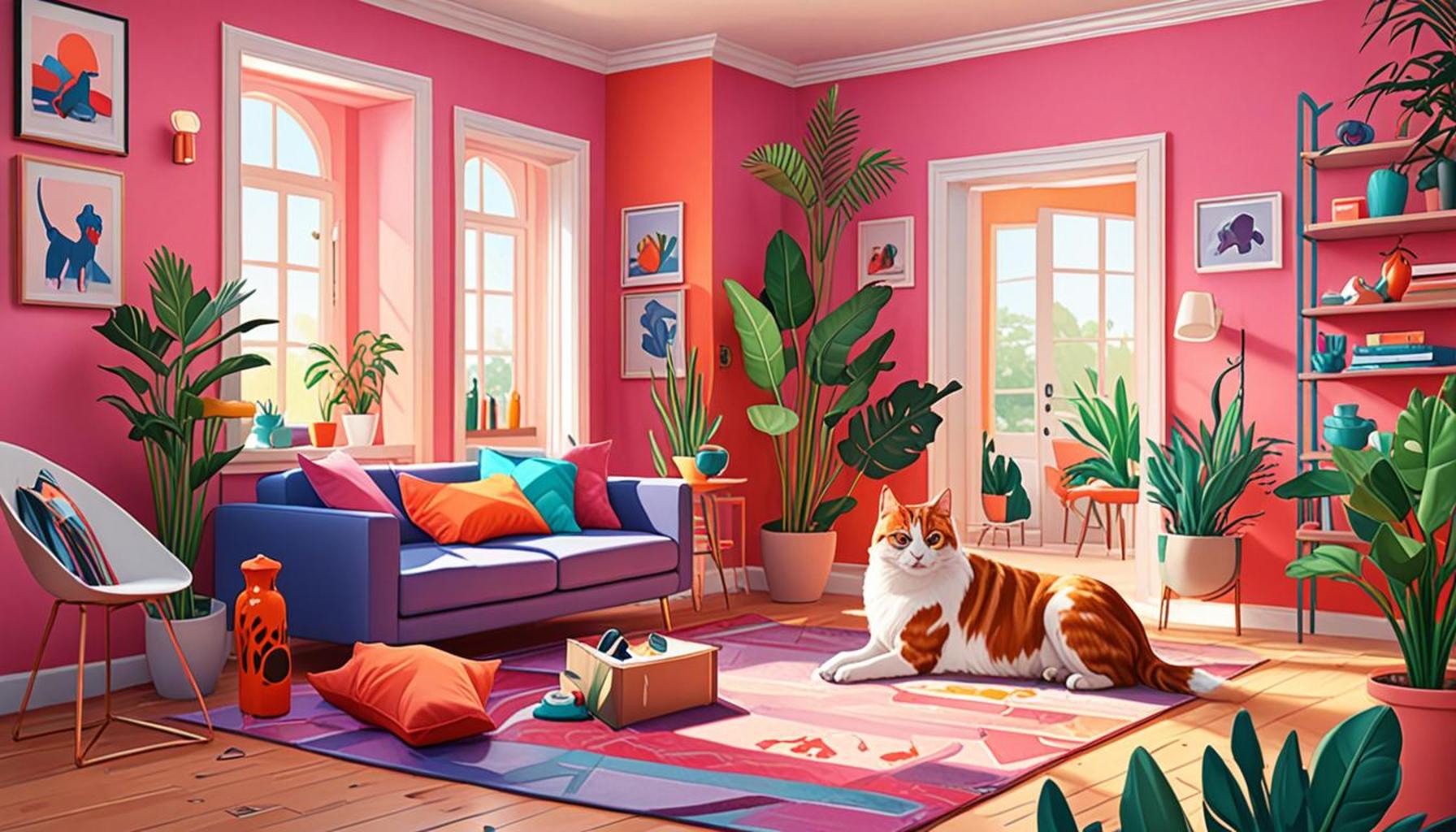
Today, the most striking trend in the design of pet environments is an unmistakable emphasis on luxury and customization. With pet ownership growing exponentially in metropolitan areas, pet-friendly homes are now adorned with bespoke features such as doggy doors, built-in cat trees, and expansive playrooms. Owners seek to create multi-functional spaces that serve not only their needs but also those of their pets. Modern design trends prioritize sustainable materials, ensuring that environments are not only aesthetically pleasing but eco-friendly as well.
The shift towards greater comfort is complemented by a growing awareness of pets’ emotional and psychological needs. Dedicated outdoor spaces adorned with pet-friendly landscaping and safe play areas reflect this understanding. Pet wellness has surged in popularity, leading to the incorporation of features such as orthopedic beds and climate-controlled systems for sensitive animals. This focus on well-being signifies a broader cultural acceptance: pets are more than just animals; they are now recognized as cherished family members.
The Relationship Between Humans and Pets
As we consider the evolution of pet environments, it is crucial to acknowledge how this mirrors the changing relationship humans share with animals. Pets are no longer seen merely as companion animals but are embraced as vital family stakeholders whose comfort and happiness are paramount. This shift has influenced every aspect of pet ownership, from housing to product selection, revealing deeper cultural values around care, quality of life, and emotional connection.
As we continue to innovate in the design and functionality of pet spaces, understanding the layers of cultural significance, economic factors, and consumer preferences will be essential. The journey of pet environments is not just about physical spaces; it reflects a progressive appreciation and respect for the lives we share with our beloved animals. This evolution prompts us to think critically about the future: how can we continue to enhance the lives of our pets while embracing sustainable practices that honor their well-being?
DIVE DEEPER: Click here for the complete guide
Pioneering Changes in Pet Living Spaces
The concept of pet environments has undergone remarkable transformations as advancements in our understanding of animal behavior, health, and welfare have paved the way for more enriched living spaces. During the early 20th century, pet ownership was often limited by socioeconomic factors, leading to pets being kept in purely utilitarian spaces. However, this began to shift as the mid-century approached, with the boom in consumer culture redefining the relationship between humans and their furry companions.
Rising Affluence and Pet Ownership
The post-war era heralded a newfound enthusiasm for pet ownership, driven by an increase in disposable income and a desire for leisure. This period saw the emergence of a more consumerist approach to pet care, reflected in the growing market for premium pet products and accessories. Companies began to recognize pets as a valuable sector, leading to innovative solutions designed for comfort and enjoyment. Here are a few notable advancements from this golden age of pet care:
- Indoor Accommodations: With homes increasingly designed for inclusivity, pets found themselves welcomed indoors. This shift meant that owners sought ways to incorporate pets into their domestic lives, leading to the rise of pet-friendly furniture and dedicated living spaces.
- Health and Safety: The understanding of animal well-being blossomed, resulting in advancements such as cat trees and dog ramps that catered to physical needs and made homes safer for pets.
- Accessorized Living: The mid-20th century saw an explosion of diverse pet accessories—leashes, collars, beds, and toys—designed not just for functionality but also for style, emphasizing the owner’s affinity for their pets.
Technological Innovations
As we entered the late 20th and early 21st centuries, the digital revolution brought forth a plethora of new technologies that further shaped pet environments. From the rise of innovative feeding systems to advanced pet monitoring devices, the possibilities are endless. Smart collars, for example, can track a pet’s activity levels, while automated feeders ensure that pets receive their meals, even when owners are away. These advancements highlight a growing trend: the integration of technology with pet care.
Moreover, the pet wellness movement gained momentum as pet owners began to prioritize their pets’ physical and emotional health. The concept of pet wellness introduced features such as soundproof sleeping areas for anxious pets, climate-controlled environments for those sensitive to temperature extremes, and even calming scents infused in bedding. This focus on holistic care emphasizes an essential aspect of modern pet environments: they are designed with consideration for both physical comfort and emotional well-being.
Redefining Spaces
As we delve deeper into the modern era, it’s evident that pet environments are poised to evolve further, inspired by sustainability and environmental consciousness. The understanding that pets’ needs should be harmoniously integrated into human spaces has led to architectural designs tailored specifically to accommodate both species. Features like outdoor pet runs, doggy daycares, and catios (enclosed outdoor spaces for cats) are becoming increasingly common, reinforcing the idea that pets deserve their own safe and enriching environments within the broader context of their owner’s living space.
In summary, as we trace the evolution of pet environments over the years, we witness a vibrant reflection of cultural shifts, technological advancement, and expanding knowledge of the human-animal bond. The pursuit of comfort and care for our pets is not merely a trend; it is a testament to how integral they have become in our lives. Stay tuned as we explore the future direction of these environments, including emerging trends and innovations that are set to redefine the way we perceive and care for our beloved companions.
The Evolution of Pet Environments Over the Years
As society progresses, the environments in which pets live have significantly transformed, reflecting changes not only in culture but also in our understanding of animal behavior and psychology. These developments have led to the creation of more accommodating and enriching spaces for our furry companions.
| Category | Details |
|---|---|
| Design Innovations | Modern pet environments now incorporate ergonomic design and biophilic elements, creating spaces that promote health and well-being. |
| Increased Awareness | With a heightened understanding of animal welfare, pet owners are adopting features like enrichment activities and safe, interactive spaces that cater to pets’ natural instincts. |
From lavish pet beds to dynamic outdoor play areas, these innovations emphasize not only comfort but also the emotional and physical health of pets. As we delve deeper into this evolution, one can see that the modern pet environment is as much a reflection of societal values as it is about the necessities of pet care. This ongoing transformation invites pet owners to rethink how they can create the best possible environments for their beloved companions. By understanding the nuances of pet environments, we can foster relationships that greatly enhance the quality of life for both pets and humans.
DISCOVER MORE: Click here to learn effective strategies
Innovations Shaping the Future of Pet Environments
The past few decades have ushered in an era of profound change, with innovations revolutionizing the way we view and construct pet environments. The commitment to enhancing the quality of life for pets has fostered a burgeoning sector dedicated to creating spaces that cater to their specific needs while simultaneously reinforcing their bond with humans. The advent of creative designs and holistic thinking marks a pivotal moment in pet space evolution.
The Rise of Customized Spaces
Today’s pet owners are increasingly seeking out customized environments that reflect their pets’ individual personalities and needs. This trend has led to bespoke design that prioritizes functionality and aesthetics alike. Interior designers are now incorporating elements specifically for pets, such as built-in pet beds, specialized feeding stations, and even murals that appeal to animal instincts. The aim is to seamlessly blend these spaces into the overall home design, making pets feel like true members of the family.
A growing number of websites and professionals are devoted to helping pet owners create curated environments. For example, platforms like Pinterest abound with inspiring ideas for pet-friendly spaces, where decorative details marry utility. Homeowners can find resources and products designed for optimal pet engagement, including interactive climbing structures for cats or multi-level play zones for dogs, ensuring that their precious companions stay both stimulated and secure.
Sustainable Practices in Pet Environment Design
As awareness surrounding environmental issues continues to grow, a notable shift toward sustainability is taking root within the pet industry. An increasing number of manufacturers are producing eco-friendly pet products, utilizing biodegradable materials or repurposed resources without compromising quality or durability. This reflects a desire among pet owners to contribute responsibly to the planet while ensuring their pets enjoy safe and comfortable surroundings.
Outdoor spaces are also becoming more sustainable. Concepts like organic gardens specifically designed for pets can create a symbiotic relationship between the environment and pet living spaces. These gardens can feature non-toxic plants and natural pet barriers, allowing pets to roam without risking exposure to harmful chemicals. Homeowners are envisioning backyards as multi-functional spaces that cater to both social gatherings and pet playtime, optimizing functionality without sacrificing aesthetics.
Community and Social Spaces for Pets
The evolution of pet environments extends beyond the home; community spaces designed for pets foster social interactions and emotional enrichment. Dog parks have become common in urban landscapes, reflecting a collective understanding that pets benefit immensely from regular interaction and exercise. These parks often include agility courses, water stations, and shaded areas, emphasizing the importance of outdoor activity and socialization.
Moreover, the concept of pet-friendly businesses is gaining momentum. Cafes, restaurants, and retail stores catering specifically to pets promote a culture where pets are welcomed alongside their owners. These establishments often create engaging environments whereby pets are pampered, encouraging further integration of pets into everyday life.
This cultural shift towards inclusivity highlights a broader understanding of shared experiences, illustrating the pet-owner bond as one that thrives on connection, understanding, and lifestyle adaptation.
As we continue to explore the innovative changes surrounding pet environments, anticipation builds on what the future holds for pets and their owners. An array of social, technological, and ecological innovations promises to shape the spaces we share with our beloved companions, offering a fascinating glimpse into how we may live together in harmony in years to come.
DISCOVER MORE: Click here for insights on choosing the right breed
Looking Ahead: The Future of Pet Environments
The evolution of pet environments provides a captivating insight into the changing dynamics of our relationship with animals. From simple living spaces to sophisticated customized retreats, the journey reflects a growing awareness of our pets’ physical, emotional, and social needs. As we forge deeper bonds with our companions, the demand for individualized, functional, and aesthetically pleasing pet environments continues to grow.
The embrace of sustainable practices is a particularly encouraging trend, underscoring a collective responsibility towards the environment without compromising the well-being of our pets. This pivotal shift not only highlights our role as caretakers for our furry friends but also as stewards of the planet. The rise of eco-friendly products and organic spaces signifies a future where pet ownership harmonizes with environmental consciousness.
Moreover, the integration of pets into community spaces fosters socialization and emotional enrichment, enhancing the quality of life for both animals and humans. As pet-friendly establishments become commonplace, the idea of including pets in everyday experiences is reshaping our urban landscapes.
While we stand at the precipice of further innovations in pet environment design, the possibilities are vast. Emerging technologies, coupled with a commitment to sustainability and inclusivity, promise to revolutionize how we think about pet ownership in the years to come. By continually prioritizing the needs and desires of our pets, we pave the way for a future where living in tandem not only enhances their quality of life but also enriches our own. With each advancement, a new chapter unfolds in the evolution of pet environments, beckoning us to explore and redefine our shared spaces.