The Influence of Weather Conditions on Pet Habitats

The Impact of Weather on Pet Habitats
Weather conditions exert a profound influence on the habitats where our pets dwell, significantly shaping their comfort, safety, and overall health. Every pet owner should recognize the effects of extreme temperatures, varying humidity levels, and deteriorating air quality, as these factors play a crucial role in their pets’ daily lives.
Consider first the impact of temperature extremes. Pets, like humans, can suffer from the adverse effects of both heat and cold. Dogs left outdoors in excessively hot weather are at risk for heatstroke, a life-threatening condition characterized by elevated body temperatures, excessive panting, and lethargy. For instance, breeds with thick fur, such as Siberian Huskies, may struggle in high temperatures, while those with shorter coats, such as Greyhounds, may not fare well in extremely cold conditions. Providing shade, water, and appropriate shelter is essential during these periods. Conversely, in the colder months, pets are susceptible to frostbite and hypothermia. This is especially true for more delicate breeds, such as Chihuahuas or dachshunds, which benefit from doggy sweaters or heated indoor spaces.
Another significant factor to consider is humidity levels. High humidity can exacerbate respiratory issues in pets, particularly for brachycephalic breeds like Bulldogs and Pugs, which have short snouts that make it difficult to breathe in humid air. During a muggy summer day, pet owners should monitor their pets closely for signs of discomfort, such as excessive panting or inactivity. Providing air conditioning or fans can create a more comfortable environment that minimizes these effects. Outdoor pet houses should also be well-ventilated to facilitate airflow during humid conditions.
Additionally, air quality significantly affects our pets’ well-being. Environmental disasters like wildfires, common in areas such as California, can lead to smoke-filled air that poses serious health risks, including respiratory distress and irritations. Keeping pets indoors during such events, using air purifiers, and ensuring that Windows remain closed can help mitigate these risks. Moreover, storms can stir up allergens and pollutants, exacerbating conditions like asthma in sensitive pets.
As responsible pet owners, it is vital to regularly assess the weather conditions and adjust care routines accordingly. This includes monitoring local forecasts and being proactive about creating a safe living space for our furry companions. Understanding how various species react to weather changes is equally essential. For example, indoor cats may suffer from heat stress during high-temperature events, while outdoor dogs must have adequate protection from winter’s harsher elements.
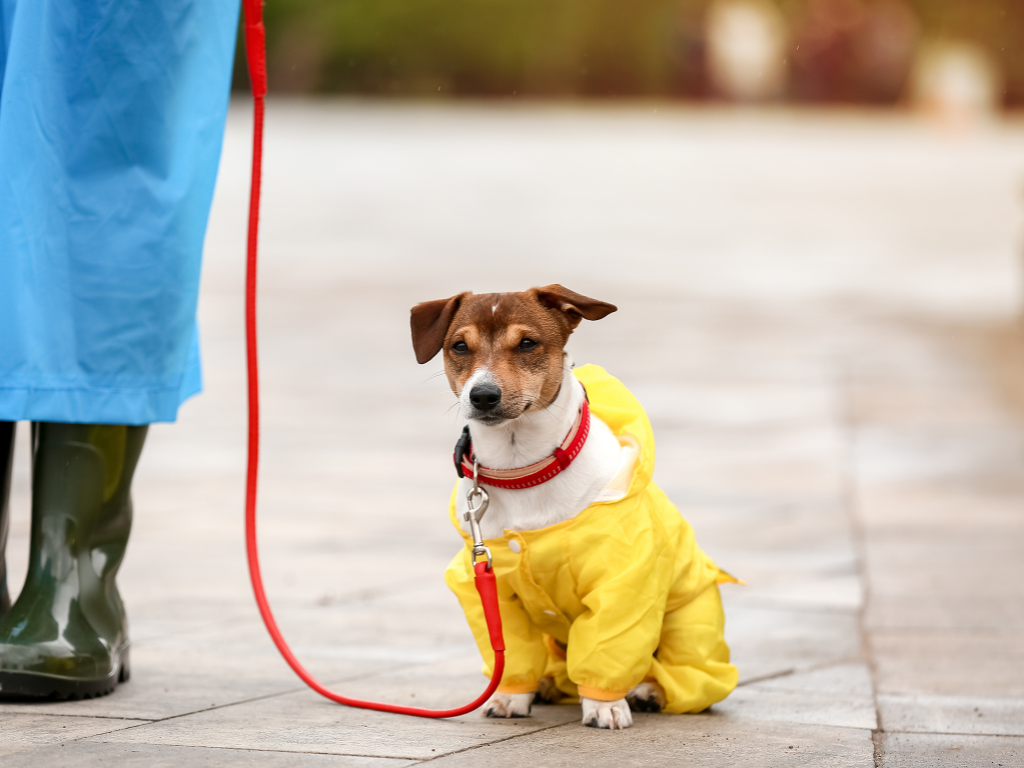
In the coming sections, we will delve deeper into how different weather patterns influence pet habitats, offering practical tips and strategies that you can implement to ensure your pets thrive, regardless of the season’s whims. By fostering awareness and taking informed steps, you can enhance your pets’ living conditions and contribute to their longevity and happiness.
DISCOVER MORE: Click here to learn how a proper diet can enhance your well-being</p
Understanding Temperature Variations and Their Effect on Pets
As we navigate through the seasons, temperature variations present one of the most pressing challenges in maintaining healthy pet habitats. Pet owners must recognize that not all pets respond to heat and cold in the same way, as their breed, size, and coat types play significant roles in how they manage temperature extremes. For instance, according to the American Veterinary Medical Association, dogs left outside in temperatures above 85 degrees Fahrenheit can experience dangerous heat-related illnesses, necessitating immediate attention.
During the summer months, the combination of high temperatures and intense sunlight can create perilous conditions for pets, particularly for those with medium to long fur coats. Breeds such as the Bernese Mountain Dog or the Alaskan Malamute are not only more susceptible to overheating but also require special attention to prevent heat exhaustion. Recognizing the symptoms of distress is crucial; pet owners should be alert for signs such as:
- Excessive panting
- Drooling
- Restlessness or agitation
- Unusual behavior
- Vomiting or diarrhea
To mitigate these risks, providing adequate hydration and access to cool, shaded areas is paramount. Indoor air conditioning or shaded outdoor structures can help ensure pets remain comfortable. It is also advisable to avoid walks during peak heat hours, usually between 10 AM and 4 PM, to prevent overheating. Furthermore, using cooling pads or vests can greatly enhance comfort for heat-sensitive breeds.
The Challenges of Cold Weather
Conversely, as the temperature dips, pets that typically thrive in warmer climates, like Chihuahuas and Greyhounds, face their own set of challenges. The onset of winter introduces concerns like hypothermia and frostbite. Pets relying on outdoor living must have access to insulated shelters that protect them from harsh winds and freezing temperatures. Notably, it is essential to include warming elements, such as straw or blankets, to provide additional insulation within their shelter.
Signs of discomfort in cold weather may include:
- Shivering
- Reluctance to go outdoors
- Paw lifting while walking
- Whining or barking restlessly
To ensure a safe environment, pet owners should monitor their furry friends carefully during the winter months and adjust their outdoor time accordingly. Additionally, paw care is vital; ice and road salt can irritate their paws, making protective booties a worthwhile investment. By being mindful of temperature extremes, pet owners can foster a healthy habitat that prioritizes the safety and comfort of their beloved animals, regardless of the season.
This understanding of temperature’s role in pet care sets the stage for further exploration into how other weather conditions, such as humidity and air quality, further affect pet habitats. The subsequent sections will delve into these aspects, providing insights and practical advice for creating optimal living conditions for pets throughout the year.
| Advantage | Description |
|---|---|
| Improved Adaptation | Pets better acclimatize to altering climate conditions, promoting overall health. |
| Enhanced Safety | Shelters designed with weather in mind offer protection against extreme elements. |
Understanding how weather conditions impact pet habitats can significantly enhance the well-being of our furry companions. For instance, improved adaptation leads to pets becoming more resilient to various climatic changes. This results in pets experiencing fewer health issues associated with temperature fluctuations, such as heatstroke in summer or hypothermia in winter. Furthermore, the creation of thoughtfully designed habitats increases enhanced safety for pets during severe weather events, reducing injuries and stress. Weather plays a pivotal role in the behavior and lifestyle of pets. From humidity levels affecting fur maintenance to storms triggering anxiety, recognizing these factors can inform pet owners about essential adjustments for their pets’ habitats. Such considerations can transform the living space, ensuring both comfort and health for pets throughout the year. With the right precautions and knowledge, pet owners can create an optimal environment that aligns with their pets’ natural tendencies, promoting a harmonious coexistence regardless of the weather.
DIVE DEEPER: Click here to learn how pets promote a healthier lifestyle
The Impact of Humidity and Air Quality on Pet Comfort
While temperature variations are a primary concern, humidity levels and air quality are also crucial factors that significantly influence pet habitats. High humidity can exacerbate the effects of heat, creating an environment that is particularly challenging for pets, especially those with respiratory issues or brachycephalic breeds (dogs with short snouts such as Bulldogs and Pugs). The combination of heat and humidity can lead to extreme discomfort and even heat stroke, making it imperative for pet owners to provide appropriate indoor conditions.
Humidity levels above 70% can hinder a pet’s ability to regulate their body temperature through evaporation. Pet owners should be vigilant about ensuring proper ventilation in their homes during hot and humid conditions. Air conditioning is not only a luxury but can be a lifesaver for pets prone to heat stress. In the absence of AC, providing fans and ensuring ample access to cool, shaded areas is essential.
Furthermore, outdoor humidity can bring about the proliferation of allergens and mold, which could lead to increased instances of allergic reactions and respiratory complications in pets. For example, higher humidity levels can exacerbate conditions such as asthma in cats or chronic bronchitis in dogs, causing distress and requiring immediate veterinary attention. Pet owners should be aware of local pollen counts and mold spore levels, especially in spring and fall, to identify potential irritants that may affect their pets.
The Role of Air Quality in Pet Health
The quality of the air that pets breathe is as critical as the quality of their living environment. Air pollution, whether from traffic, industrial emissions, or even household cleaning supplies, can have deleterious effects on pets’ respiratory health. For instance, exposure to fine particulate matter (PM2.5) can lead to considerable health issues, including or exacerbating chronic respiratory diseases. Pets often experience similar air quality issues faced by humans; thus, pet owners living in urban areas must be particularly aware of their pets’ exposure levels.
In areas like Los Angeles or Houston, where air quality alerts are common, keeping pets indoors on days when pollution levels are high becomes necessary. Utilizing air purifiers equipped with HEPA filters in living spaces can significantly improve indoor air conditions for pets, reducing allergens and other airborne toxins.
Another layer to consider is the impact of seasonal changes, such as wildfire smoke during the summer months in the western United States. The deterioration of air quality from smoke can pose serious risks, particularly for pets with pre-existing health conditions. Monitoring air quality reports during such events and limiting outdoor exposure to potentially harmful environments is vital for safeguarding pet health.
By understanding the implications of humidity and air quality on pet habitats, pet owners can take proactive measures to ensure their furry friends thrive. This includes creating an indoor climate that minimizes stressors associated with high humidity and pollution, paving the way for a healthier, happier pet life.
DISCOVER MORE: Click here to learn all about adapting your pet’s diet
Conclusion: Safeguarding Pet Well-Being in Varied Weather Conditions
As we navigate the complexities of pet ownership, it’s vital to recognize the profound impact that weather conditions have on our furry companions. From temperature extremes to fluctuations in humidity and air quality, these environmental factors play a critical role in shaping the habitats we create for our pets. Understanding these elements is the first step toward ensuring that our pets live in conditions conducive to their health and happiness.
For instance, with rising temperatures and humidity, it is essential for pet owners in areas prone to heat stress to guarantee that their pets have access to cool and comfortable spaces. Maintaining indoor air quality and keeping an eye on seasonal allergens can be the difference between a thriving pet and one that faces health challenges. Active measures, such as utilizing air conditioning, fans, and air purifiers, are not just luxuries but essential tools in preserving the well-being of our pets.
Furthermore, being aware of local weather alerts and air quality indexes is crucial, particularly for owners in urban areas or regions affected by seasonal wildfires. By proactively adapting to the weather and taking necessary precautions, pet owners can create a safer and healthier living environment. In essence, a heightened awareness of how weather conditions impact pet habitats can significantly alter the quality of life for our beloved companions. The call to action is clear: let us commit to being vigilant stewards of our pets’ environments, ensuring they enjoy their lives to the fullest, no matter the weather.