How to Create an Ideal Habitat for Your Pet at Home

Considerations for Crafting an Ideal Habitat
Pet ownership comes with great responsibilities, and one of the most significant is creating a living environment that nurtures your animal’s health and happiness. To do this effectively, pet owners must delve into their pets’ instincts, behaviors, and needs. Tailoring a habitat involves more than just the basics of food and shelter; it requires a thoughtful approach to create a comfortable sanctuary.
Space Requirements
Every pet has its own unique space requirements based on its size and activity level. For instance, dogs, particularly larger breeds like Golden Retrievers or German Shepherds, thrive in environments where they can roam freely and engage in vigorous play. Consider a spacious yard or taking regular visits to a local dog park. On the other hand, cats often need vertical spaces such as cat trees or shelves to climb, enabling them to channel their natural climbing instincts and find cozy hiding spots.
Comfort
The comfort of your pet should be paramount in designing their habitat. Start by selecting the right bedding—soft, washable materials are preferred by both cats and dogs. Furthermore, controlling temperature is crucial; pets can become stressed in extreme heat or cold. Having a climate-controlled space, with easy access to both warm and cool areas, can help maintain their comfort. For reptiles, specific temperature and humidity ranges are necessary, which might require specialized heating mats or UV lighting for basking spots.
Enrichment
Enrichment is essential in keeping your pet mentally stimulated and physically active. Providing a variety of toys, such as puzzle feeders for dogs and climbing structures for birds, can significantly enhance their daily experience. Alternatively, consider integrating different interactive activities into your pet’s routine. For example, play sessions that involve chasing a ball or interactive tug-of-war can keep dogs engaged while ensuring they get necessary exercise. Similarly, for caged birds, consider introducing new toys or rotating their environment to stimulate exploration and curiosity.
Balancing Freedom and Safety
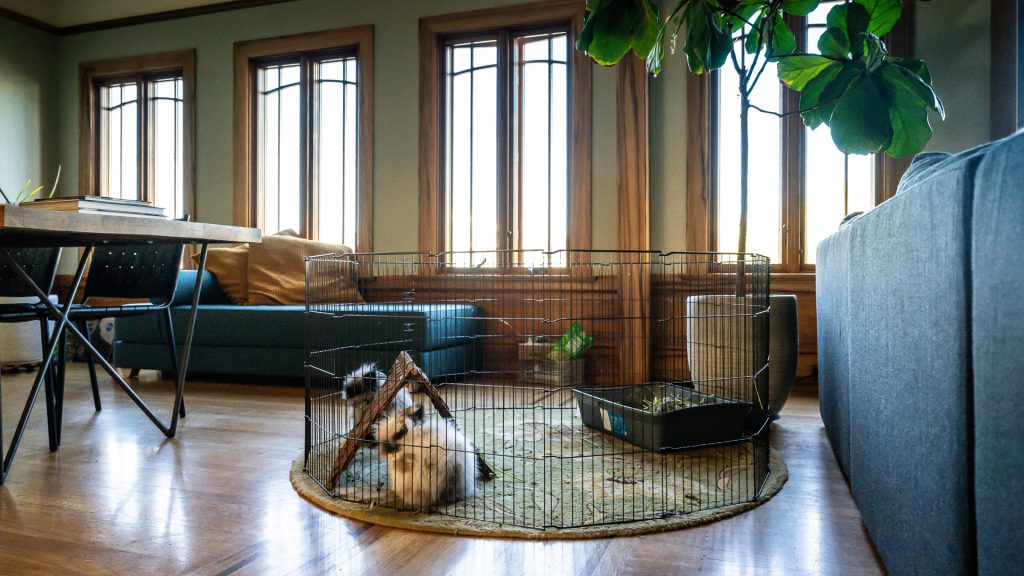
Finding the right balance between freedom and safety is essential. Create secure spaces where pets can explore without the risk of harm. For instance, installing pet gates or ensuring secure enclosures for cats can prevent unwanted outdoor escapades. This structured freedom within a safe environment fosters autonomy while maintaining security.
Practical Tips for Tailoring Your Pet’s Habitat
As you embark on this journey to enhance your pet’s habitat, remember to watch for any signs of stress or boredom, which can often indicate that adjustments are necessary. Researching specific needs tied to your pet’s breed can also provide valuable insights into how best to create a thriving environment. Additionally, seeking advice from veterinarians or pet behaviorists can offer specialized guidance tailored to your animal. With careful planning and consideration, your home can evolve into a delightful haven for your pet to live and flourish.
Transforming a simple living space into a thriving habitat may require time and investment, but the long-term benefits of improved pet well-being and happiness are undoubtedly worth it. Explore these ideas further to give your beloved companion the best home possible.
LEARN MORE: Click here for tips on selecting the perfect breed for you
Essential Elements of an Ideal Habitat
Creating a thriving habitat for your pet involves understanding their unique requirements and surroundings. An ideal habitat emphasizes a holistic approach, contributing to a pet’s physical health and emotional well-being. This not only means providing basic needs but also tailoring the environment to meet specific instincts and behaviors. In this section, we will explore the fundamental elements required to craft an inviting and nurturing habitat for your furry, feathered, or scaly companions.
Cleanliness and Hygiene
Maintaining a clean habitat is critical for the health of your pet. Regular cleaning not only mitigates unpleasant odors but also prevents illness. Here are a few practical tips to ensure a hygienic living space:
- Establish a consistent cleaning routine, including daily tasks like cleaning up food spills and weekly deep cleans of the habitat.
- Utilize pet-safe cleaning products to avoid toxic exposure, as some common household cleaners can be harmful to pets.
- Regularly wash bedding, toys, and dishes to minimize bacteria and allergens.
Prioritizing cleanliness will contribute to a healthier environment, helping to reduce the likelihood of sickness and allergies.
Location Matters
When designing a pet habitat, location plays a key role in their comfort and safety. Avoid placing their living spaces near high-traffic areas, loud appliances, or direct sunlight, which can cause stress or discomfort. Instead, choose a quiet area in your home where they can relax and feel secure. For instance, a designated corner in your living room or a spare room can create a cozy retreat. Also, consider accessibility; pets should be able to reach their food, water, and litter boxes with ease. For larger dogs, ensuring that their personal space is not obstructed will greatly enhance their sense of freedom and well-being.
Social Interaction and Companionship
Socialization is crucial to many pets, particularly dogs and some species of birds. They thrive on interaction, whether with humans or other animals, fostering bonds that contribute to a sense of security. Here are a few ways to enhance social interaction:
- Schedule daily playtime with your pet to strengthen your bond and keep them engaged.
- Consider adopting a companion animal, as many pets, like dogs and rabbits, enjoy cohabiting.
- Encourage social exposure by taking your pet to parks or pet-friendly events to meet new people and animals.
Social interaction can help reduce feelings of loneliness and anxiety, leading to happier and healthier pets.
Personalization and Individual Needs
Each pet has distinct likes and dislikes, requiring thoughtful personalization of their habitat. For example, dogs may appreciate toys that squeak, while cats could benefit from scratch posts or enrichment activities that challenge their cognitive abilities. Take the time to observe your pet’s preferences and adapt their environment accordingly. Engaging your pet with an assortment of experiences—such as exploring different textures, scents, and sounds—can ignite their curiosity and stimulate their natural instincts.
By considering these essential elements in crafting an ideal habitat at home, you enhance your pet’s quality of life, ensuring they thrive both physically and emotionally. The more you invest in understanding their needs, the more rewarding your companionship will be.
When creating an ideal habitat for your pet at home, there are several critical factors to consider that cater both to their physical needs and emotional well-being. One of the foremost aspects of an ideal pet environment is incorporating a comfortable living space that is clean and safe. Pets often spend a considerable amount of their time in designated areas, which should be designed to promote relaxation and security. Ensure that their resting space is maintained, free of clutter, and located away from any household disturbances, allowing them time for peace and quiet.Another essential element is the availability of proper enrichment. Every pet, from cats to dogs, thrives when they can engage in stimulating activities that pique their interest and keep them active. This may involve providing a variety of toys, interactive games, and suitable outlets for exercise. For example, cat trees or scratching posts can adequately cater to feline residents, offering them the ability to explore vertically while dogs may benefit from a secure space for running or playing fetch. Additionally, every ideal habitat should include a consistent routine for feeding and exercise. Establish a feeding schedule that corresponds with your pet’s species and size—this promotes a healthy lifestyle and a sense of security. Similarly, regular exercise is not only important for physical health but also for mental stimulation. Lastly, consider the ambient environment of your pet’s habitat. This includes elements such as temperature control, humidity levels, and lighting. Ensuring that your pet is comfortable in their environment can significantly improve their quality of life. Use appropriate bedding, provide adequate ventilation, and ensure your pet is protected from harsh weather conditions. By integrating these elements, you not only enhance your pet’s physical space but also their emotional health, creating a holistic habitat that supports their well-being.
| Category | Advantages |
|---|---|
| Comfortable Living Space | Promotes relaxation and security for pets, reducing stress. |
| Enrichment Activities | Encourages mental stimulation, physical exercise, and reduces boredom. |
| Consistent Routine | Provides structure and a sense of security, leading to healthier pets. |
| Ambient Environment | Optimizes comfort levels, leading to improved overall well-being. |
DISCOVER MORE: Click here to learn how to create the perfect habitat for your pet
Creating a Stimulating Environment
An ideal habitat for your pet extends beyond cleanliness and safety; it must also foster stimulation and engagement. Animals, whether they be dogs, cats, birds, or reptiles, require mental and physical challenges to prevent boredom and promote healthy behavior. A stimulating environment not only prevents destructive habits but also enhances your pet’s overall happiness. Here, we will delve into creating a habitat that supports optimal mental and physical well-being through various enriching strategies.
Enrichment Through Exploration
Most pets possess an innate curiosity that drives them to explore their surroundings. Exploratory habitats can be established by providing a variety of spaces and interactive elements. For example:
- Set up climbing structures for cats, such as shelves or towers, to encourage them to explore vertically.
- For dogs, consider a designated digging spot outside where they can safely express their natural digging instincts.
- Create sensory bins filled with different materials like grass, wood chips, or leaves that your pet can investigate safely.
Engaging pets in exploration can help satisfy their natural instincts, providing a fulfilling experience within a secure environment.
Toys and Interactive Play
Toys play a pivotal role in an ideal pet habitat, serving as tools for exercise, stimulation, and bonding. When selecting toys, take your pet’s interests and instincts into account. For instance:
- Use puzzle toys that challenge your dog’s problem-solving skills and reward them with treats to keep them engaged.
- For cats, feather wands and laser pointers can replicate hunting scenarios, sparking their drive to chase.
- Birds, on the other hand, benefit from toys that they can manipulate, such as foraging toys that encourage mental acuity.
Regularly rotating toys can keep your pet’s environment fresh and exciting, ensuring they remain mentally sharp and physically active.
Safe Outdoor Spaces
A key aspect of an ideal habitat is the inclusion of outdoor opportunities, where pets can experience the natural world. For dogs, a securely fenced yard allows them to run freely and sniff around. For smaller pets, like rabbits or guinea pigs, consider a safe outdoor enclosure. Here are additional ideas to explore:
- Create a small garden area where your pet can explore under supervision, promoting their natural instincts to forage or dig.
- For multi-pet households, ensure that the outdoor areas have ample room to prevent territorial disputes, especially among dogs.
- Include shaded spots and fresh water in outdoor spaces to prevent overheating during warmer months.
Providing safe outdoor experiences will enable outdoor pets to experience new sights, smells, and sounds, significantly enhancing their quality of life.
Establishing Routines and Safety Measures
Along with stimulating elements, establishing routines is essential for creating a sense of security in pets. Regular feeding, exercise, and play times help pets anticipate what to expect and when. Additionally, safety measures must be put in place, especially in homes with multiple pets or children. To do so:
- Designate specific play areas and ensure all potentially harmful items, such as hazardous plants or chemicals, are out of reach.
- Implement baby gates if necessary, creating safe zones for pets who may need undisturbed spaces.
- Regularly check for any wear and tear on toys and habitats to prevent accidents.
By prioritizing routines and safety, pet owners can create a comforting environment, alleviating anxiety and enhancing the overall living experience.
DISCOVER MORE: Click here for essential insights
Conclusion
Creating an ideal habitat for your pet at home is a multifaceted endeavor that requires careful consideration of their unique needs, instincts, and preferences. A well-thought-out environment not only promotes physical well-being through safe spaces for exercise and outdoor exploration but also ensures mental stimulation through engaging toys and interactive play. By enriching your pet’s surroundings, you can cultivate a fulfilling space that encourages natural behaviors and enhances their overall happiness.
Additionally, establishing routines and implementing safety measures are crucial to fostering an atmosphere of comfort and security. Consistency in daily interactions, such as feeding and playtime, helps your pet feel more secure, while designated areas and secure environments safeguard them from potential harm. An ideal habitat isn’t just about what your pet has access to; it’s also about how they experience their world. Keeping the habitat dynamic through changes in scenery, new toys, and interactive elements ensures ongoing engagement, helping to stave off boredom.
In the end, investing time and effort into creating a suitable habitat for your pet can yield significant rewards. With a little creativity and attentiveness, you can transform your home into a vibrant sanctuary that enriches your pet’s life. Remember, a happy pet contributes to a harmonious household, allowing for deepened bonds between pet and owner. Explore the possibilities and continuously adapt the environment as your pet grows, and you will surely see them thrive.