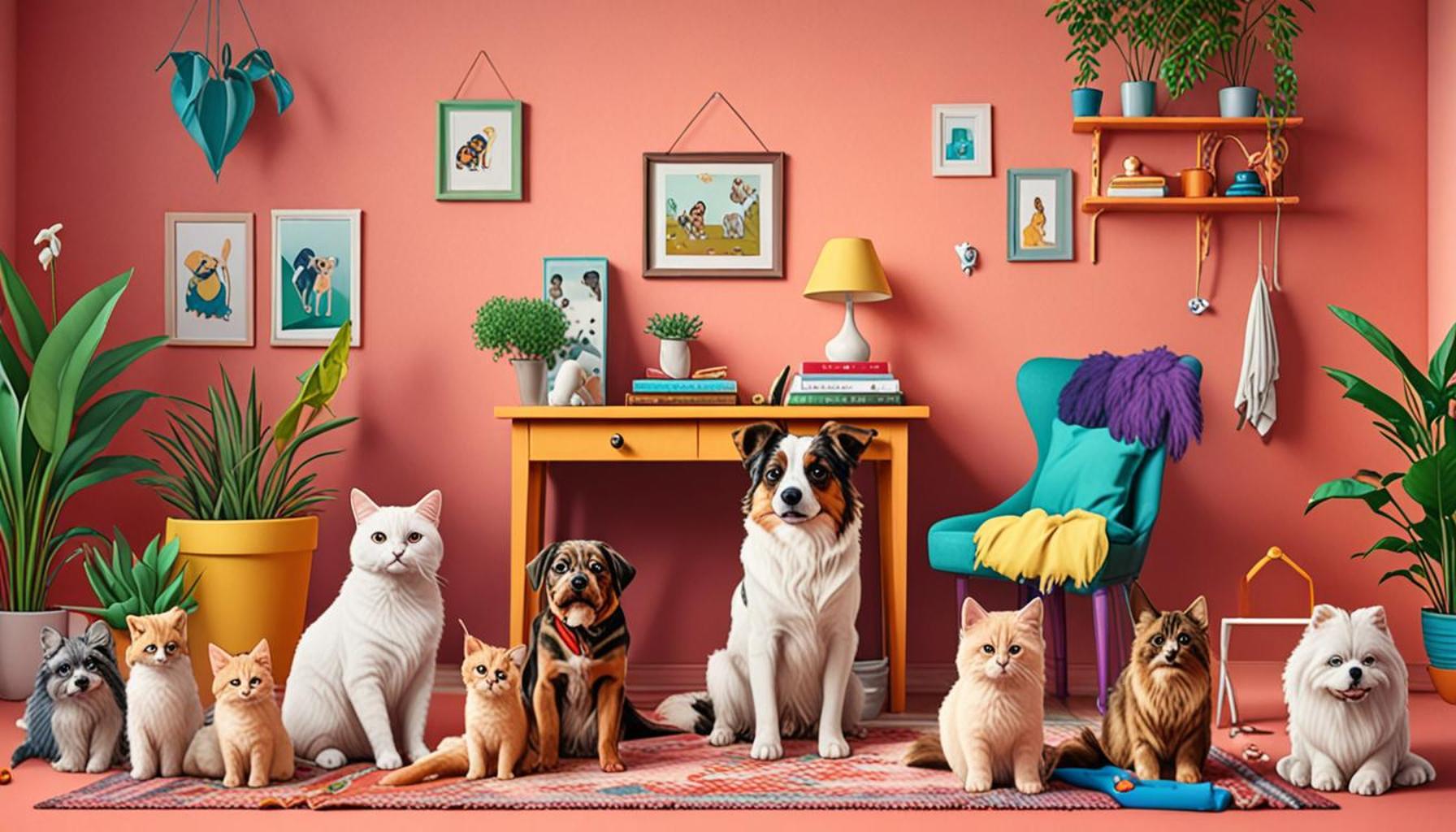
The Influence of Habitat on Pet Behavior
The Impact of Living Environments on Pet Behavior
The surroundings in which pets are raised and spend their days significantly influence their behavior and overall personality. A multitude of factors, including spatial dimensions, ambient noise levels, and types of available stimulation, come into play in shaping how pets engage with their environment and respond to various stimuli. Gaining insight into these influences is essential for enhancing the care and well-being of our beloved animal companions.
Urban vs. Rural Living
Consider the stark contrast between urban and rural environments. City pets often face higher stress levels, primarily due to excessive noise, crowded living spaces, and the fast-paced lifestyle characteristic of metropolitan areas. For example, a dog living in a busy New York City apartment is likely to encounter the sounds of honking cars, bustling crowds, and construction, which can lead to anxiety and behavioral issues like barking or destructive tendencies.
In contrast, pets in the countryside experience quieter surroundings with fresh air, ample space, and a less frenetic pace of life. These pets can enjoy nature walks and the freedom to explore, which can enhance their physical and mental health.
Indoor vs. Outdoor Access
The debate regarding indoor versus outdoor living is also crucial in pet behavior. Pets that have regular access to the outdoors often exhibit more natural behaviors such as hunting, playing, and exploring. For instance, a cat that can roam outside may display instinctual behaviors like stalking and pouncing on leaves or insects, which fosters natural instincts and reduces stress. On the other hand, pets confined indoors may become bored or anxious, leading to behavioral issues such as overeating or clawing furniture.
The Social Environment
The social dynamics of a pet’s habitat are equally significant. The presence of other animals or humans can greatly shape a pet’s socialization skills. For example, a dog that regularly interacts with other dogs at a dog park is likely to develop better social skills than one that spends most of its time alone. The ability to engage with other pets can lead to improved confidence and a greater ability to handle new situations. Conversely, isolation can result in timid or aggressive behaviors.

These environmental aspects not only influence daily habits but can also create long-lasting behavior patterns. For example, a pet raised in a quiet suburban setting may have entirely different reactions to sudden noises compared to a pet from a bustling city atmosphere. By identifying and understanding these influential factors, pet owners can craft environments that promote balanced and well-adapted behaviors.
In this article, we will further examine the intricate ways in which a pet’s habitat shapes their behavior. We will provide practical tips to enhance your pet’s living conditions, ultimately fostering a happier and healthier life for your furry friends. Join us in uncovering the compelling relationship between habitat and pet well-being.
DISCOVER MORE: Click here to learn effective strategies
Understanding the Differences in Pet Behavior Based on Their Habitats
As we explore the fascinating world of pet behavior, it becomes increasingly clear that a pet’s habitat is not merely a backdrop to their lives but a profound influencer of their actions and reactions. The environment in which pets reside plays a pivotal role in shaping not just their physical well-being but also their emotional and psychological states. A comprehensive examination of these varied habitats reveals distinct behavioral patterns that can guide pet owners in making informed decisions for their furry companions.
The Role of Space and Layout
One of the most crucial aspects of a pet’s habitat is its spatial configuration. Space can dictate a pet’s freedom to explore and express natural behaviors. Pets raised in large, open spaces, like those common in rural settings, often have the opportunity to engage in a variety of activities, from running freely to interacting with diverse stimuli such as trees, bushes, and other animals. This exposure can foster a sense of security and reduce anxiety, allowing for a more well-rounded and stable temperament.
Conversely, pets confined to smaller spaces, typically found in urban apartments, may struggle with limited outlets for their energy. The result can often be a mix of anxiety and frustration that may manifest as excess barking, destructive habits, or aggressive behaviors. Pet owners in urban settings might consider implementing creative solutions to stimulate their pets mentally and physically, such as:
- Providing interactive toys that challenge their intellect.
- Establishing daily routines for outdoor walks and playtime.
- Creating vertical spaces for climbing and exploration.
Environmental Enrichment
In addition to physical space, the concept of environmental enrichment cannot be overlooked. This involves enhancing a pet’s surroundings to stimulate their senses and encourage natural behaviors. For instance, a cat thriving in a garden-filled backyard may engage in activities like climbing, hiding, and exploring, which are critical for maintaining their mental health. On the contrary, pets deprived of sensory stimulation—such as a lack of varied sights, sounds, or textures—may exhibit signs of distress, hindered creativity, and reduced overall happiness.
Effective environmental enrichment strategies can include:
- Incorporating different toys and textures to interact with.
- Setting up climbing structures for cats and obstacle courses for dogs.
- Experimenting with varied feeding techniques, such as puzzle feeders, to stimulate foraging instincts.
Climate and Weather Conditions
The climate and weather conditions in which pets live also significantly affect their behavior. For example, extreme temperatures can limit outdoor activity, leading to pent-up energy in pets. Cold winters might deter a dog from extended walks, while scorching summers can make outdoor play unbearable. In both scenarios, it’s important for pet owners to adapt their routines and living environments accordingly, ensuring that their pets remain active and engaged throughout the year.
By thoroughly understanding how aspects such as space, environmental enrichment, and climate contribute to pet behavior, owners can make informed choices that lead to enhanced well-being for their animal friends. In the next sections, we will delve deeper into the interactions between habitat and behavior, equipping you with further strategies to support your pets’ happiness and health.
| Habitat Type | Influence on Behavior |
|---|---|
| Urban Environment | Dogs in urban settings may exhibit heightened vigilance and stress due to noise and crowded spaces. |
| Rural Setting | Pets in rural areas might display more relaxed behavior, enjoying freedom and exploration with less stimulation. |
| Indoor Habitat | Indoor pets may exhibit behavior patterns influenced by limited space and fewer social stimuli. |
| Outdoor Experience | Regular outdoor access tends to promote physical activity and mental stimulation, impacting overall well-being positively. |
Understanding how each habitat type shapes pet behavior is crucial for pet owners. For instance, pets in urban environments can develop anxieties attributed to constant sounds and a fast-paced lifestyle. Conversely, animals in rural settings often exhibit more pronounced curiosity and playfulness due to their open space and stimulating environment. The interior of our homes also presents unique challenges; pets there can experience heightened boredom, leading to various behavioral issues. By learning about these habitat influences, pet owners can adapt their environments to foster healthier behaviors and enhance their pets’ well-being. For further insights, explore how different activities can optimize your pet’s time outdoors or indoors!
DISCOVER MORE: Click here to learn how pets can lower your stress levels
Social Influences and Interaction Opportunities
In addition to the physical aspects of a pet’s habitat, the social environment plays a significant role in shaping behaviors. Social interactions with humans and other animals can deeply influence a pet’s emotional and psychological development. For instance, dogs that are consistently exposed to a variety of people and experiences while young are more likely to exhibit friendly and adaptable behaviors. In contrast, dogs raised in isolation or in overly restrictive environments may develop fear-based reactions or aggression towards unfamiliar entities.
Moreover, pets living in multi-pet households often learn essential social skills through interaction with their housemates. Cats that share their spaces with other cats, and dogs that regularly engage with fellow canines can develop a greater understanding of social cues and boundaries. The interaction can help reduce anxiety and promote confidence, as they learn to navigate their social worlds effectively. To enhance this aspect of the pet’s habitat, owners can:
- Create opportunities for controlled social settings, such as playdates with other pets.
- Encourage positive reinforcement techniques to build trust and cooperation.
- Provide training settings that facilitate healthy interaction.
The Impact of Local Environment
The broader geographical environment, including parks, trails, and community settings, is equally vital in shaping pet behavior. For instance, a pet living in a neighborhood with plenty of green spaces and dog parks will have more opportunities for exercise and socialization. These accessible areas allow pets to engage in socialization with both humans and other animals, fulfilling their instincts and reducing behavioral issues linked to boredom or frustration.
By contrast, pets living in regions with limited access to nature may miss out on beneficial experiences such as exploration and play. A study by the American Veterinary Medical Association highlighted that regular physical activity and social interaction have been correlated with lower incidences of behavioral problems in pets. Hence, owners in such areas might need to creatively compensate for the lack of outdoor interactions by organizing frequent trips to suitable locations or engaging pets in outdoor activities, such as:
- Frequent visits to local parks.
- Engaging in outdoor training sessions.
- Participating in pet-friendly community events.
The Influence of Household Dynamics
The dynamics within a household can also impact pet behavior. Households that maintain structured routines tend to foster pets that are calmer and more balanced. Predictable schedules for feeding, playtime, and training can lead to a sense of security for pets, thereby reducing anxiety. On the other hand, inconsistent routines—often seen in fast-paced lifestyles—can lead to confusion and stress, resulting in problematic behaviors like excessive barking or destructiveness.
Furthermore, the presence and attitudes of family members can affect a pet’s response to its habitat. A supportive environment where pets receive love and attention is likely to nurture positive behaviors, while a lack of interaction or negative attitudes can lead to stress and behavioral issues. Pet owners can support a beneficial household environment by:
- Designating a family member responsible for pet care.
- Encouraging all family members to engage positively with the pet.
- Fostering a calm and stable environment, especially during transitions or changes in the household.
Understanding the social influences on pet behavior allows pet owners to tailor their approaches to fit the unique needs of their furry companions, ultimately enhancing their well-being through thoughtful management of their habitat.
DISCOVER MORE: Click here to learn about pet dietary guidelines
Conclusion: The Pivotal Role of Habitat in Shaping Pet Behavior
In conclusion, the intricate relationship between a pet’s habitat and its behavior cannot be overstated. From the physical environment that encompasses one’s home to the dynamic social influences shaped by interactions with other pets and humans, the various components of a habitat play a crucial role in molding the emotional and psychological well-being of our beloved companions. Moreover, the impact of the local environment—especially access to parks and recreational spaces—highlights the importance of facilitating natural behaviors that contribute to a harmonious lifestyle for pets.
Additionally, the internal dynamics of a household, characterized by routine and supportive interaction, can create a stable environment where pets thrive. As highlighted in the discourse, conflicting schedules and lack of attention may lead to stress-induced behaviors, while a nurturing atmosphere fosters calm and balanced companions. By understanding these interconnected influences, pet owners can take active steps to create a favorable habitat tailored to the unique needs of their pets.
The journey to optimal pet behavior does not end here. As advancements in animal behavior science continue to evolve, it is vital for pet owners to remain informed and adaptable. Exploring new techniques, engaging in community resources, and fostering an environment rich in love and interaction are key components that can enhance the quality of life for both pets and their owners. As we navigate this relationship, let us prioritize creating spaces that nurture our pets’ well-being, thereby enriching the bond between animals and humans.