The Relationship between Pets’ Habitat and the Prevention of Common Diseases
The Importance of Habitat on Pet Health
Understanding how a pet’s habitat influences its health is crucial for their well-being. A well-designed living environment can significantly reduce the risk of common diseases that pets face throughout their lives. Every aspect, from the type of flooring in a home to the design of an outdoor space, plays a critical role in your pet’s overall health and happiness.
Indoor Environment
The state of a pet’s indoor environment directly affects their respiratory health and general well-being. Factors like cleanliness, ventilation, and the amount of available space are pivotal. For instance, homes with carpeting can harbor allergens, dust mites, and other irritants that may aggravate respiratory issues in pets, especially those with pre-existing conditions such as asthma. Regular vacuuming and opting for tile or hardwood floors can mitigate these risks. Additionally, proper ventilation not only keeps the air fresh but also helps to regulate indoor temperature, ensuring a comfortable space for your furry companions.
Outdoor Space
Safe and enriched outdoor areas are integral to a pet’s life. A well-fenced yard where pets can roam freely eliminates the risk of them wandering into busy streets or other potentially dangerous situations. Moreover, these areas can also be designed to foster physical activity, which is essential for maintaining a healthy weight. For example, a backyard that incorporates agility equipment or engaging elements like a kiddie pool can stimulate a dog mentally and physically, reducing anxiety and the propensity for destructive behavior. In urban settings, local dog parks are fantastic for socialization but should also be chosen with safety in mind, ensuring they are well-maintained and secure from outside threats.
Nutrition and Access
Nutrition is profoundly linked to a pet’s habitat, particularly regarding access to fresh food and water. A kitchen organized specifically for pet feeding not only encourages regular meal times but also ensures that food remains safe and free from contamination. For instance, keeping pet food stored properly in airtight containers can help prevent pest infestations and spoilage. Hydration is equally vital; pets should have constant access to clean drinking water, particularly in warmer climates or seasons, where dehydration can pose serious health risks.
Research consistently shows that a well-maintained habitat could lower the incidence of diseases such as obesity, infections, and even stress-related conditions. For example, dogs that have daily access to safe areas for exercise are less likely to develop joint issues compared to their counterparts that are primarily sedentary. The importance of prevention cannot be overstated; it is much easier to maintain a healthy lifestyle than to treat health complications arising from an unsuitable habitat.
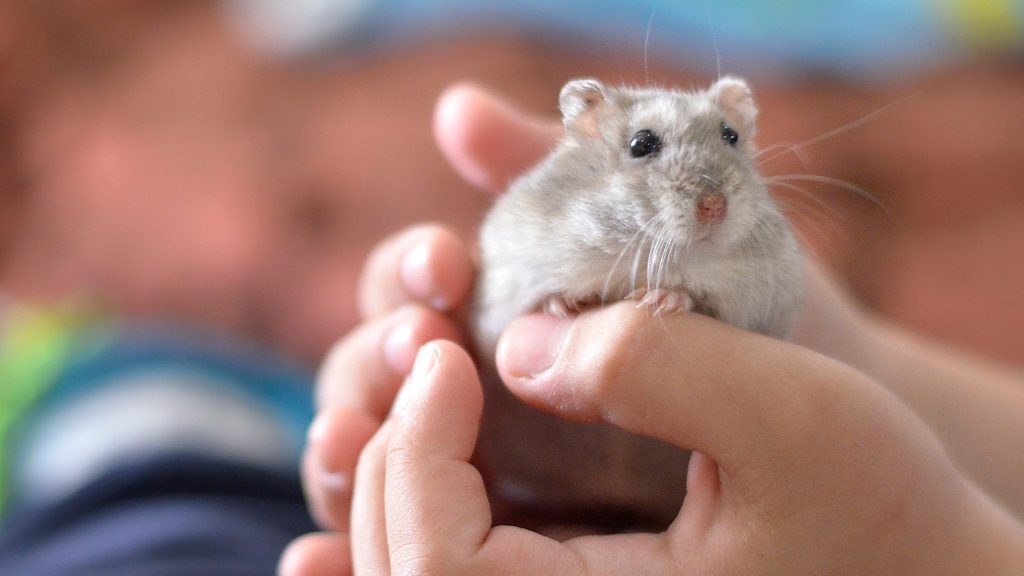
By providing a harmonious living space, pet owners not only enhance the quality of life for their pets but also take active steps towards disease prevention. With the rising trend of pet ownership in the United States, it is essential to reassess how our furry companions’ environments impact their health. Creating spaces that are clean, secure, and enriching can pave the way for healthier, happier pets.
Exploring this intricate relationship between habitat and health unveils vital insights that enhance pet welfare. Simple adjustments, such as reconfiguring living spaces or revamping outdoor areas, can lead to significant improvements in the health and happiness of your beloved companions. As responsible pet owners, it is our duty to prioritize our pets’ environments to ensure they lead fulfilling lives.
Dive Deeper: Click here to learn more about the importance of natural habitats for pet health
Indoor Conditions: A Foundation for Pet Health
When discussing the relationship between pets’ habitat and the prevention of common diseases, the indoor environment often deserves focused attention. The atmosphere inside a home can profoundly influence a pet’s health. Elements such as air quality, sanitation, and temperature control need to be considered to forge a safe habitat conducive to well-being.
Air Quality
The air quality in a home can significantly affect a pet’s respiratory health. Pets are often lower to the ground and more susceptible to airborne contaminants. Dust, mold, and pet dander can trigger allergies and even contribute to the onset of chronic respiratory issues, such as bronchitis. Using air purifiers and maintaining proper humidity levels not only helps reduce allergens but also ensures a comfortable living space for pets. Homes equipped with good ventilation systems can significantly improve indoor air quality, promoting respiratory health.
Temperature Regulation
Temperature control is another critical aspect of a pet’s indoor habitat. Animals have varied tolerances to heat and cold, and extreme temperatures can lead to complications. For example, dogs with short coats may struggle in colder climates, leading to hypothermia if not properly sheltered. Conversely, high indoor temperatures can lead to heatstroke, especially in brachycephalic breeds like Bulldogs and Pugs. It is essential for pet owners to provide appropriate bedding, heating pads, or cooling mats to ensure pets remain comfortable throughout the year.
Sanitation and Pest Control
Maintaining a clean indoor environment is essential for disease prevention. Sanitation practices help reduce the risk of infections and infestations that can pose serious health threats to pets. Consider the following measures:
- Regular cleaning: Frequent vacuuming, mopping, and dusting can help remove allergens and prevent the buildup of harmful bacteria.
- Pest control: Implementing safe pest control measures can mitigate the risks associated with parasites such as fleas, ticks, and mites, which are known to transmit diseases.
- Safe storage: Properly storing cleaning supplies and toxic substances out of reach can prevent accidental ingestion or exposure.
The idea that a pet’s indoor habitat is merely about comfort is an outdated notion. A thoughtfully designed indoor environment can actively contribute to preventing various health complications, including allergies, ‘sick building syndrome’ in pets, and the spread of infectious diseases. When harmonizing the components of a pet’s living space, owners play an instrumental role in setting the foundation for a healthier, disease-free life.
By fostering an environment that prioritizes clean air, temperature control, and sanitation practices, pet owners not only prolong the lives of their pets but also enhance their overall quality of life. The significance of indoor habitats cannot be overstated, especially in an age where pets are seen as integral family members. Understanding how to create an environment that values health allows for the prevention of common diseases effectively.
| Category | Details |
|---|---|
| Habitat Cleanliness | Maintaining a clean habitat significantly reduces the risk of disease transmission among pets. |
| Environmental Enrichment | A stimulating environment helps in building a strong immune system, thus preventing common ailments. |
| Proper Ventilation | Good airflow reduces moisture, preventing mold and bacteria growth that leads to respiratory issues in pets. |
| Space to Roam | Providing ample space allows pets to exercise, crucial for their overall health and disease resistance. |
The relationship between pets’ habitat and the prevention of common diseases cannot be overstated. A pet’s living environment directly influences their health and vulnerability to diseases. For instance, habitat cleanliness plays a pivotal role in minimizing exposure to parasites and pathogens. Regularly cleaning the space where pets live can significantly lower the risk of illness.Moreover, environmental enrichment is vital for a pet’s mental and physical well-being. Incorporating toys, activities, and social interactions into their habitat contributes to a robust immune system, making them less susceptible to common health issues.Furthermore, proper ventilation within a pet’s living area is essential for maintaining a healthy atmosphere. It helps to mitigate dampness and aids in reducing the chances of respiratory problems, thereby ensuring that pets can breathe easily.Lastly, ensuring that pets have a space to roam is crucial for their health. Adequate physical activity not only keeps pets fit but also boosts their overall immunity, making them less likely to contract diseases. Creating a healthy habitat is an investment in your pet’s long-term health and happiness.
DIVE DEEPER: Click here to uncover tailored feeding tips for your furry friends</
Outdoor Spaces: Nature’s Role in Health and Happiness
While indoor conditions form a solid foundation for pet health, the outdoor habitat plays an equally significant role in disease prevention and overall well-being. The interaction between pets and their natural environment can foster physical health, mental stimulation, and socialization, all of which contribute to reducing the risk of common health issues. Careful management of outdoor spaces can either promote a pet’s health or inadvertently lead to exposure to various hazards.
Natural Enrichment
Outdoor spaces provide essential opportunities for natural enrichment, allowing pets to engage their senses and instincts. Fresh air, varied terrain, and the sights and sounds of nature encourage physical activity, which is vital for maintaining healthy weight and cardiovascular health. Regular outdoor exercise can prevent obesity-related conditions such as diabetes and joint issues, which are prevalent in sedentary pets. Furthermore, outdoor playtime reduces anxiety and destructive behaviors attributed to boredom, providing mental stimulation that is crucial for psychological health.
Exposure to Sunlight
Another vital aspect of outdoor exposure is the benefits of sunlight. Sunlight is a natural source of vitamin D, which is essential for calcium absorption and overall bone health. However, pet owners must balance outdoor time with appropriate precautions against overexposure. Factors such as the pet’s coat, breed, and skin sensitivity can influence the risk of heat stress or sunburn, particularly in animals with light-colored or thinning fur. Creating shaded areas and ensuring adequate hydration can help maintain safe and enjoyable outdoor experiences.
Safe Exploration and Disease Prevention
Creating a secure outdoor space is fundamental to minimizing risks. Numerous parasites, such as ticks, fleas, and mosquitoes, thrive in outdoor settings and can pose severe health threats through diseases like Lyme disease and heartworm. Regular veterinary check-ups and preventative treatments, including vaccinations and parasite control, should be an integral part of outdoor activities. Additionally, pet owners should assess the environment for potential hazards, such as toxic plants, chemicals, and sharp objects, which can lead to injuries or poisoning.
- Leashing vs. Free Roaming: While letting pets roam freely can seem appealing, it often exposes them to city traffic, aggressive animals, and unknowable contamination sources. Using a leash or a designated pet-friendly area can help mitigate these risks.
- Governance of Local Wildlife: Urban areas may present challenges in the form of wildlife interactions. Raccoons, skunks, and even feral cats can expose pets to diseases such as rabies. Awareness of local wildlife and how to manage encounters is a key aspect of ensuring pet health.
The juxtaposition of outdoor play and careful management exemplifies the harmonious relationship pets share with their habitats. By facilitating outdoor exploration while implementing safety measures, pet owners can enrich their pets’ lives while significantly reducing the risks of common diseases. The thoughtful provision of outdoor spaces aligns closely with the overall goal of nurturing a healthy and happy pet population.
Ultimately, fostering a holistic habitat approach—where both indoor and outdoor conditions are meticulously managed—serves as an empowering strategy for pet owners striving to improve their animals’ quality of life and longevity. By understanding the delicate balance of nature and nurture, pet owners can lead their furry companions toward a healthier future, enriched by both their homes and their natural surroundings.
DISCOVER MORE: Click here to dive deeper
Conclusion: A Comprehensive Approach to Pet Health
The intricate relationship between pets’ habitats and the prevention of common diseases underscores the importance of both indoor and outdoor environments in ensuring pets lead healthy lives. As we have explored, a carefully curated indoor habitat promotes physical health through a clean, secure, and enriched space that significantly decreases the likelihood of illness. Equally important, outdoor environments offer vital opportunities for exercise, natural enrichment, and sunlight exposure, all of which support holistic well-being.
Pet owners must recognize that optimal health is achieved not only through the comfort of home but also through safe, engaging interactions with nature. Implementing preventative measures against potential hazards like parasites and environmental dangers is crucial. Creating secure outdoor spaces, maintaining regular veterinary check-ups, and understanding local wildlife interactions can enhance the safety of outdoor exploration.
Furthermore, the balance between indoor care and outdoor adventure can empower pet owners to be proactive in their pets’ health. Investing in these environments fosters not only physical fitness but also emotional stability, ultimately leading to longer, happier lives. This comprehensive approach emphasizes the necessity for pet parents to stay informed and take action, not only for their furry companions’ immediate enjoyment but for their long-term health and vitality.
As our understanding of the effects of habitat on pet health expands, further exploration into innovative practices and environmental improvements could pave the way for healthier future generations of pets. By prioritizing an adaptable habitat strategy, pet owners can safeguard against common diseases and enhance their pets’ quality of life, ensuring a bond that lasts for years to come.