Pets and the Reduction of Loneliness in the Elderly: Benefits for Cognitive Health
The Growing Issue of Loneliness in Seniors
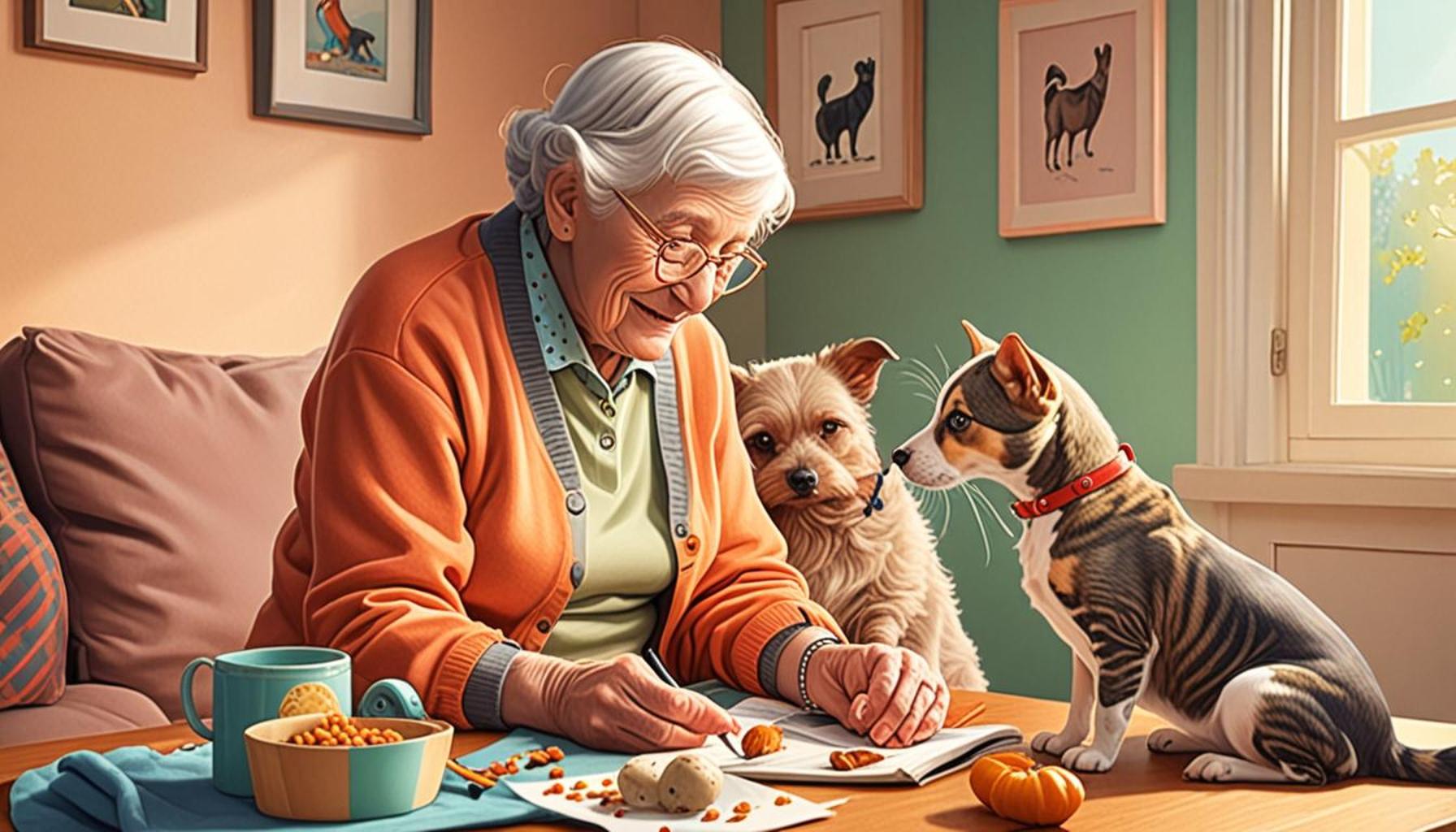
As the demographics of our nation shift toward an older population, the spotlight on mental well-being has grown even brighter. Loneliness isn’t just a fleeting emotion; it can manifest into a significant public health concern, particularly among seniors. Studies reveal that social isolation can trigger a range of health issues, from heart disease to cognitive decline. In fact, research indicates that seniors suffering from loneliness have a 50% increased risk of mortality compared to their more socially active counterparts.
How Pets Alleviate Loneliness
One of the most compelling solutions that has emerged to combat this pervasive issue is the companionship of pets. The presence of animals in the home can serve as a potent antidote to loneliness. The reasons for this are multifaceted and worth exploring.
- Emotional Support: Pets provide unwavering affection and loyalty, which can be tremendously comforting for elderly individuals who may feel abandoned or neglected. For instance, many seniors find that simply petting a dog or cat can release oxytocin—the love hormone—reducing anxiety and creating feelings of happiness.
- Routine and Structure: Caring for a pet, whether it’s walking a dog or feeding a cat, encourages a daily routine. This structure can be particularly beneficial for seniors, as it promotes physical activity and can serve as a motivational anchor, making them less likely to withdraw from social interactions.
- Cognitive Stimulation: Engaging with pets often requires mental acuity, from remembering care routines to interpreting animal behavior. This interaction can stimulate cognitive functions, increasing mental sharpness and potentially delaying the onset of cognitive impairments. For example, participating in dog training classes not only engages the mind but also fosters social connections with fellow pet owners.
Research Findings Supporting Pet Relationships
Numerous studies support the notion that pet ownership enhances mental health and well-being in older adults. A study published in the journal Aging & Mental Health found that seniors who interact with animals exhibit lower levels of stress and improved overall mood. Furthermore, a survey conducted by the American Pet Products Association revealed that approximately 67% of U.S. households own a pet, with many of these families including elderly individuals who benefit immensely from that bond.
This beneficial connection with pets can produce significant long-term advantages, leading to increased life satisfaction and emotional resilience. The unconditional love offered by dogs, cats, and even smaller animals like rabbits or birds can facilitate not just companionship but also social interaction within communities. Programs like pet therapy highlight how animals can foster connections between seniors and others, breaking the cycle of loneliness.
The Path Forward
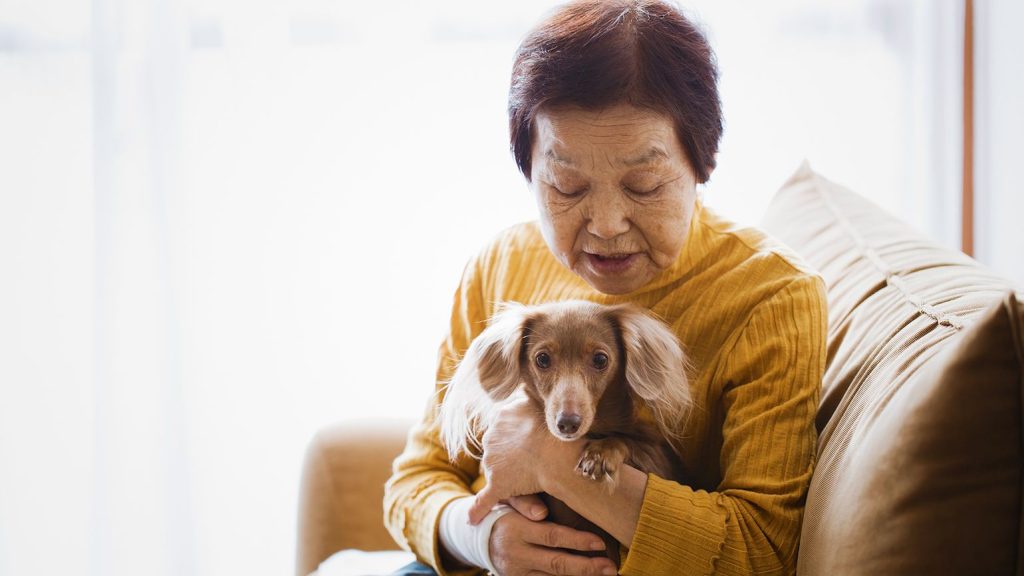
With the ongoing increase in the elderly population in the U.S., it is crucial to allow discussions around the interactions of pets and human mental health to flourish. Embracing the companionship of animals may not only enhance cognitive health but could be pivotal in improving the quality of life for older adults. The heartwarming influence of furry companions could indeed be the key to a more vibrant and fulfilling journey through the golden years, offering not merely solace but a renewed purpose.
DON’T MISS OUT: Click here to learn how to create the perfect home for your pet
The Emotional Bond: A Pillar Against Loneliness
In exploring the profound relationship between pets and mental health, it’s essential to recognize how the emotional bond between seniors and their furry companions serves as a lifeline against loneliness. Pets have an innate ability to provide not just warmth and comfort but also a sense of purpose. This companionship becomes particularly crucial as individuals age and often experience significant life changes, such as the loss of loved ones or the transition to retirement living.
- Unconditional Love: Pets offer a form of unconditional love that is uniquely rewarding. Elderly individuals often feel a profound sense of purpose when caring for an animal. This emotional connection helps to combat feelings of isolation and enhances feelings of belonging. By fostering a sense of responsibility, pets encourage seniors to engage more actively with their daily lives.
- Non-Judgmental Companions: Unlike human interactions that may sometimes be fraught with judgment or misunderstanding, pets offer unwavering, non-judgmental companionship. This can be particularly comforting for seniors who may feel marginalized or dismissed by others. The simple act of petting a cat or playing with a dog can evoke feelings of acceptance and joy, promoting emotional well-being.
- Facilitating Social Interactions: We often overlook how pets can be incredible social catalysts. Seniors walking their dogs are likely to encounter fellow dog owners, leading to conversations that may blossom into friendships. These interactions not only reduce loneliness but also serve as opportunities for cognitive engagement as seniors navigate social dynamics.
The Scientific Backing
Beyond anecdotal evidence, numerous scientific studies validate the therapeutic effects of pets on mental health among the elderly. A study in the Journal of Gerontology noted that seniors who owned pets were less likely to experience feelings of loneliness or depression than those without animals. Notably, participants reported higher levels of happiness and overall life satisfaction.
Moreover, a review from the Journal of Animal Psychology found significant correlations between pet ownership and improved cognitive functions in older adults. Engaging with pets requires mental engagement—whether it’s training a puppy, recognizing a pet’s needs, or keeping a pet’s schedule—these activities can help stave off cognitive decline. This cognitive stimulation is invaluable in fostering a sense of mental acuity as they age.
In a world where the elderly often face numerous barriers to social interaction, the companionship of pets shines as a beacon of hope. Pets not only alleviate feelings of loneliness but also encourage cognitive engagement through daily interactions. The bond is powerful, proving that a wagging tail or a gentle purr can do wonders for enhancing mental well-being, thereby promoting a healthier, more interconnected lifestyle for seniors.
| Advantage | Details |
|---|---|
| Companionship | Pets offer a non-judgmental presence, significantly reducing feelings of loneliness for elderly individuals. |
| Enhanced Routine | The responsibilities of pet care promote a structured daily routine, beneficial for cognitive stability and health. |
| Emotional Support | Engagement with pets facilitates emotional expression, which is crucial in maintaining mental wellness. |
| Social Opportunities | Pets act as social catalysts, encouraging interactions with others during walks or gatherings, and reducing feelings of isolation. |
The bond between the elderly and their pets is remarkable, with layers of benefits that extend beyond mere companionship. Having a pet not only fills a profound emotional void but also actively engages seniors in physical activities, naturally fostering healthier lifestyles. Importantly, research has shown that the presence of pets can elicit positive physiological responses, such as decreased blood pressure and lower stress levels. Moreover, the gentle act of petting a dog or cat can lead to the release of oxytocin, a hormone linked to bonding and emotional connection, enhancing cognitive functions. This interdependence between humans and animals emphasizes the unique role pets play in enriching the senior experience, ultimately crafting a life filled with positivity and cognitive maintainability.
LEARN MORE: Click here for essential tips on boosting your pet’s health
Engagement Through Care: Building Cognitive Resilience
As the links between pets and cognitive health surface, the role of pets in fostering mental agility becomes increasingly clear. The act of caring for a pet doesn’t merely fulfill emotional needs; it actively engages seniors in a way that challenges and exercises their cognitive abilities. This engagement can manifest in various forms, right from routine chores to playful interactions, presenting ample opportunities for mental stimulation.
- Routine Tasks and Responsibilities: The daily efforts required for pet care—such as feeding, grooming, and regular vet visits—demand consistent attention and planning. For elderly individuals, these tasks can serve as cognitive exercises, requiring them to remember schedules, follow feeding protocols, or manage medical appointments. Such routine responsibilities can help reinforce memory retention, which is vital for maintaining cognitive functions as one ages.
- Active Play and Interaction: Engaging with pets, whether playing fetch with a dog or coaxing a cat to chase a string, stimulates both the mind and body. These activities not only bring joy but also necessitate quick decision-making and problem-solving—skills that are vital for cognitive health. Activities that require physical movement promote not only physical well-being but also enhance mental sharpness.
- Mindfulness and Emotional Regulation: Interacting with pets fosters a state of mindfulness, where seniors become present in the moment, focusing on the simple joys of companionship. This mindfulness can lead to improved emotional regulation; studies show that emotional intelligence—our ability to process and respond to emotions—tends to enhance with increased social connections, including those fostered by pets. Being attuned to a pet’s needs also enhances empathy and emotional sensitivity.
Structured Programs and Therapy Pets
Recognizing the benefits of pets in combating loneliness and elevating cognitive health, many communities are developing structured programs that incorporate animals into the lives of the elderly. A growing movement in the United States involves therapy animals, which visit nursing homes and assisted living facilities, providing comfort to seniors who may not have the resources to maintain a pet. Research indicates that these interactions significantly contribute to lower stress levels, improved mood, and even higher cognitive functioning.
Furthermore, programs that facilitate pet adoption specifically for older adults are gaining traction. Organizations, such as Pet Partners and local animal shelters, are creating avenues for seniors to adopt pets that are considered low-maintenance, making it more feasible to integrate animals into their lives without added stress. This not only alleviates feelings of loneliness but also imparts a sense of companionship that fosters engagement and cognitive vitality.
The Ripple Effect: Community and Connection
Having a pet often creates a ripple effect within the community. Pet ownership encourages seniors to engage with their surroundings, creating opportunities for community interaction. This can be particularly beneficial for those who might otherwise lead solitary lives. For instance, participating in dog-walking groups or attending local pet shows gives seniors chances to mingle with others who share similar interests, reinforcing social networks and, concurrent with studies, contributing to better cognitive resilience.
In summary, the relationship between pets and elderly individuals goes beyond mere companionship, serving as a crucial factor in maintaining cognitive health. By understanding and leveraging this bond, we not only reduce loneliness but also enhance the cognitive well-being of our aging population, paving the way for richer, more fulfilling lives in their later years.
LEARN MORE: Click here to discover the vital role of dietary guidelines for your pet’s health
Conclusion: Embracing Companionship for Cognitive Enhancement
In conclusion, the profound bond between pets and the elderly presents a remarkable avenue for reducing loneliness while simultaneously promoting cognitive health. As we’ve explored, the responsibilities associated with pet ownership—ranging from daily care routines to interactive play—enrich the mental engagement of seniors, reinforcing critical cognitive skills such as memory and problem-solving. This engagement is not merely an emotional salve; it is a practical approach to enhancing mental agility and emotional resilience.
The advent of structured programs—such as therapy pets visiting senior facilities and targeted pet adoption initiatives—not only makes pet companionship more accessible to older adults but also underscores the importance of fostering community ties. With participation in communal pet activities, seniors can further diminish feelings of isolation, cultivate new social networks, and enhance their overall quality of life.
Moreover, the mindfulness and emotional support derived from pet interactions can lead to improved psychological well-being, fostering a holistic approach to aging that prioritizes cognitive vitality. As we continue to appreciate the multi-faceted relationship between pets and the elderly, it becomes clear that the implications are vast and transformative. Thus, encouraging pet companionship serves as a powerful tool in the quest to support the cognitive health of our aging population and ensure they lead enriching, fulfilled lives.