The Benefits of Pet Presence in Surgery Recovery

The Role of Pets in Recovery and Healing
In recent years, the profound influence of pet presence in surgical recovery has captured the interest of medical researchers and practitioners alike. Studies continuously indicate that the companionship of a beloved pet during recovery can offer significant emotional and physical advantages. This growing body of research highlights the multifaceted role pets play in enhancing wellbeing during vulnerable periods of illness and recovery.
One of the most vital contributions pets offer is emotional support. During recovery, many individuals face feelings of loneliness and anxiety, which can impede their healing process. In fact, a study published in the Journal of Health Psychology found that pet owners often report a decrease in loneliness and a boost in mood following interactions with their pets. For example, a dog’s calm presence or a cat’s gentle purring can evoke feelings of comfort and companionship that are especially beneficial when convalescing from surgery.
- Lower Stress Levels: The simple act of petting an animal can be therapeutic. Research demonstrates that such interactions actually decrease cortisol levels, the hormone linked to stress. People recovering from surgery have reported experiencing lower stress and anxiety when they engage with their pets, which can enhance their overall sense of wellbeing.
- Encouragement to Move: Pets can serve as significant motivators for physical activity. Dogs, for instance, often require walks, which can encourage owners to engage in light physical activity, helping them rebound more effectively from surgery. Moreover, that movement can stimulate blood flow and prevent complications like blood clots, aiding in a swifter recovery.
The bond between pets and their owners is often profound and uniquely personal. This connection creates an environment where healing transcends the physical realm and encompasses emotional recovery as well. It is during these challenging times that the loyalty and unconditional love of a pet can become a lifeline, fostering resilience and a renewed zest for life.
With ample evidence supporting the therapeutic benefits of animal companionship, it’s no surprise that healthcare providers are increasingly advocating for pet therapy as a complementary approach to traditional post-surgery care. Hospitals in various states, from California to New York, have initiated pet therapy programs where trained therapy animals are brought to visit patients, further solidifying the importance of pets in recovery. This integration illustrates an evolving perspective within medical communities, emphasizing that recovery is a holistic journey—both physical and emotional. Thus, the presence of a furry companion can be a transformative element in one’s healing process.
DIVE DEEPER: Click here to learn more
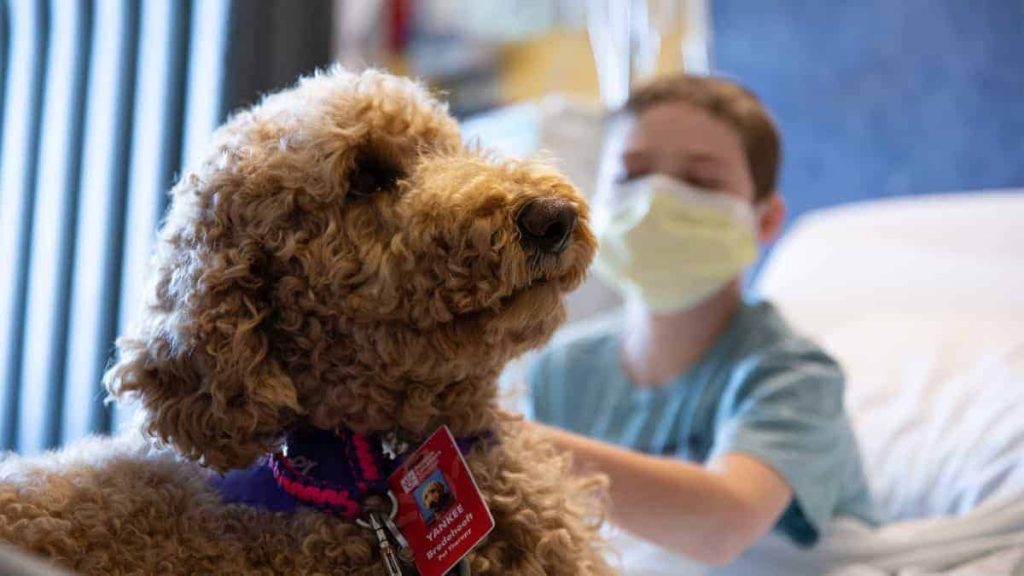
Emotional Resilience Through Furry Companionship
The journey of recovery after surgery is often paved with emotional ups and downs, making the presence of a pet not just beneficial but potentially life-changing. Pets create a comforting atmosphere that can significantly enhance emotional resilience during this challenging period. The companionship of animals has been shown to release oxytocin, also known as the “bonding hormone,” which promotes a sense of safety and emotional connection. This can be especially crucial for individuals facing the stress of recovery, as a pet’s unwavering affection can lift one’s spirits just when they need it most.
According to a study published by the American Psychological Association, individuals with pets reported feeling less angry, depressed, and anxious compared to those without. Pet owners often find that their furry friends serve as non-judgmental listeners; simply talking to them while recovering can provide solace and comfort that might feel unattainable in a hospital setting. As a result, many people find that being surrounded by their pets allows for a more harmonious healing process.
Physical Benefits of Having Pets Nearby
The benefits of pet presence go beyond emotional support and into the realm of physical health. For post-surgery patients, engaging in activities with pets can promote light physical exercise that aids healing. Activities like walking a dog or playing fetch can act as gentle encouragement to slowly resume normal activity levels. This light activity is essential because it helps prevent postoperative complications such as muscle stiffness, reduced mobility, and even the risk of thrombosis or blood clots.
Another overlooked aspect is the psychological boost that pets provide, which may aid in pain management. The act of petting a dog or cat can raise endorphin levels, acting as a natural pain reliever. According to research from the Human-Animal Bond Research Institute, patients engaging in interactions with their pets have reported decreased perceptions of pain, leading to a more positive outlook during recovery. Lower pain levels can improve compliance with rehabilitation activities, which are crucial for a successful recovery.
- Strengthened Immunity: Interaction with pets has been linked to enhanced immune function, which can lead to quicker recovery times and reduced risks of post-surgical infections.
- Encouraged Routine: Pets tend to establish daily routines, which can guide owners in maintaining a consistent schedule for medication and rehabilitation exercises effectively.
- Enhanced Mental Well-being: The consistency of having a pet nearby can reduce feelings of unpredictability and chaos, particularly during the tumultuous period of recovery.
As we realize the profound impact pets have on recovery, it’s clear that their role extends far beyond companionship; they become crucial allies in the journey towards healing. Understanding this dynamic offers a compelling case for the incorporation of pets into recovery programs, reinforcing the idea that emotional and physical health are closely intertwined in the healing process.
| Category | Description |
|---|---|
| Emotional Support | Pets can offer unwavering emotional support, alleviating feelings of loneliness and anxiety during recovery. |
| Encouragement for Movement | Having a pet encourages patients to participate in light activities, promoting physical rehabilitation and quicker recovery. |
The emotional bond between a patient and their pet can significantly influence the healing process. Studies have shown that pet presence can lead to reduced anxiety and improved mood, accelerating recovery times. This is not merely anecdotal; numerous patients report feeling more emotionally stable when their furry companions are nearby. Moreover, pets serve as motivational tools, encouraging surgery recovery patients to engage in necessary physical activities. Simple tasks like walking the dog can inspire patients to move, which is vital for physical rehabilitation. Engaging with pets can actively contribute to physical recovery, making the healing journey not only more manageable but also enjoyable. With these multifaceted benefits, it becomes clear that the companionship of pets plays a crucial role in post-surgery recovery, inviting further exploration into how we can leverage this relationship for enhanced health outcomes.
DON’T MISS: Click here to discover effective strategies
Creating a Supportive Healing Environment
In addition to emotional and physical benefits, pets contribute significantly to the formation of a supportive healing environment. Their intuitive nature allows them to respond to their owner’s moods, often providing comfort precisely when needed. This connection can enhance the overall recovery experience, making a house feel like a home again after the stress of surgery. For instance, pets often sense when their owners are in pain or discomfort and will curl up beside them, offering not just warmth but emotional stability, which might be more elusive in the sterile setting of a recovery room.
Furthermore, pets have been observed to engage their owners in restorative practices such as mindfulness. When one focuses on the rhythmic motion of petting a cat or dog, it can serve as a meditative act, drawing attention away from pain and anxiety. Various studies have examined this phenomenon, revealing that pet-assisted therapy can substantially reduce perceived stress levels in recovering patients. This allows individuals to engage more fully in their recovery process, fostering not only physical healing but also mental clarity.
Social Opportunities and Structure
Pets also encourage social interaction, which is crucial for mental health during recovery. Owning a pet often facilitates meetings with neighbors and other pet lovers, leading to increased socialization. For example, walking a dog in the neighborhood can spark conversations with other pet owners, promoting community engagement and connections. Social interaction has been shown to decrease feelings of isolation and loneliness that can accompany recovery, thereby improving mood and outlook on healing.
Moreover, the routine that pets require provides a structure to daily life that can be immensely beneficial during the uncertain times of recovery. Caring for a pet often instills a sense of purpose; feeding, grooming, and playing with them evokes feelings of responsibility and normalcy. In turn, this purpose can motivate patients to adhere to their recovery schedules, such as physical therapy appointments and medication regimens, leading to a more disciplined recovery plan. Studies have indicated that the predictability derived from caring for a pet correlates with improved mental health outcomes.
- Reduction of Stress Hormones: Interactions with pets can lead to lower levels of cortisol, the hormone responsible for stress, resulting in a calmer and more focused state conducive to healing.
- Positive Distraction: Pets serve as effective distractions from physical discomfort, allowing individuals to engage with something that brings joy and reduces focus on pain.
- Enhanced Quality of Life: Simply having a pet nearby can markedly improve overall life satisfaction, making the journey of recovery more enjoyable and fulfilling.
As the evidence mounts regarding the multifaceted benefits of pet presence in surgery recovery, it becomes increasingly important for both patients and healthcare providers to understand how these relationships can foster an enriched healing environment. By integrating pets into the recovery process, individuals may discover not only physical healing but also a renewed sense of joy and connection to life. In this way, the companionship of a beloved pet may hold the key to unlocking a more fulfilling recovery experience.
DISCOVER MORE: Click here for a step-by-step guide
Conclusion: The Transformative Role of Pets in Recovery
The growing body of evidence illustrates that the benefits of pet presence in surgery recovery extend far beyond mere companionship. Pets not only offer emotional support and comfort but also play a crucial role in creating a nurturing environment that promotes both physical and mental healing. Their unique ability to connect with individuals and instinctively sense their emotional states can significantly ease the strain associated with post-surgery recovery.
Moreover, the routine and responsibility involved in pet care inject structure into the day-to-day life of recovering patients, fostering a sense of purpose during a time that can feel chaotic and uncertain. By providing opportunities for social interaction—whether through casual chats with fellow pet owners or engaging family members in shared responsibilities—pets also effectively combat the isolation that often accompanies recovery.
The multifaceted advantages of having pets during rehabilitation underscore the importance of integrating pet presence into recovery plans, potentially leading to enhanced outcomes. As medical professionals and patients alike recognize these positive influences, we may pave the way for a more holistic approach to recovery that acknowledges the vital contributions of our furry companions.
In remembering the words of renowned animal behaviorist John Bradshaw, “Dogs are a reminder that life is not just about working; it’s also about connecting.” Embracing the companionship of pets during the recovery process may well be one of the most rewarding steps on the road to healing.