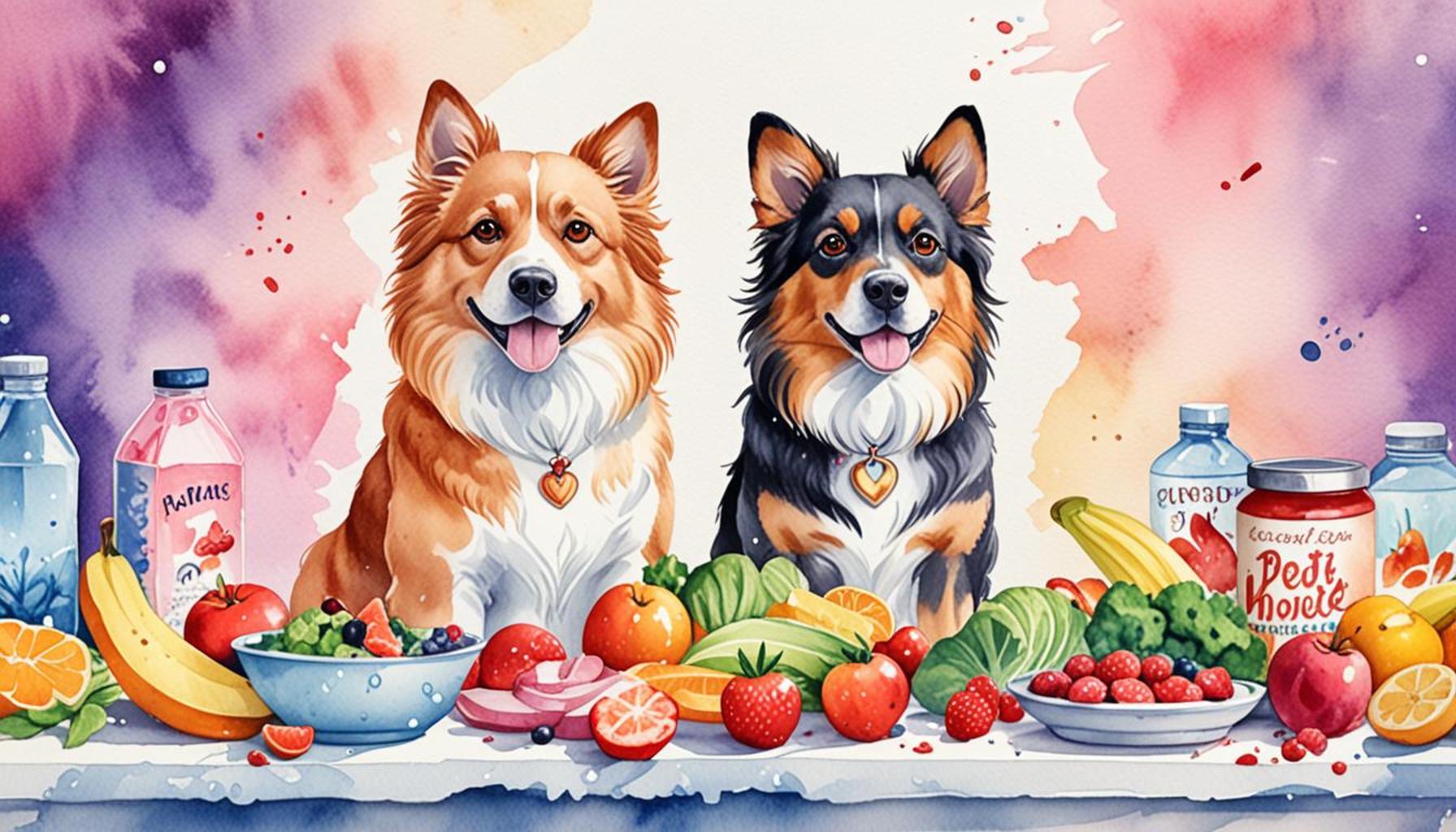
The Importance of Proper Nutrition for Pets
Understanding Pet Nutrition
Nourishing your pet goes beyond simply filling their bowl with food. Proper nutrition is essential for maintaining their overall health and vitality. With so many options available, it is crucial to decipher what your furry friend truly needs.
Why is Nutrition Important?
Proper nutrition for pets serves several vital functions that are foundational to their well-being. Understanding the impact of diet can help you make better choices for your beloved companion.
- Supports Growth: A balanced diet is critical for puppies and kittens, who require specific nutrients to develop strong bones, healthy teeth, and vibrant energy levels. For instance, small-breed puppies may benefit more from a diet rich in fats to support their higher metabolism, while larger breeds may need added calcium for bone health.
- Boosts Immune System: Nutrient-rich foods help fight diseases by providing essential vitamins and minerals. Ingredients like antioxidants from fruits and vegetables can aid in cellular repair, while omega fatty acids strengthen the immune response. Pet owners should look for foods that list real ingredients rather than fillers to ensure their pets receive adequate immune support.
- Enhances Longevity: Quality nutrition can lead to a longer, healthier life. Research suggests that pets on balanced diets are less likely to develop obesity-related illnesses such as diabetes or heart disease. For example, dog breeds predisposed to hip dysplasia can benefit from a diet enriched with glucosamine and omega fatty acids to maintain joint health.
Key Nutritional Components
When considering your pet’s diet, focus on these essential components:
- Proteins: Vital for muscle development and repair, proteins also play a role in immune function and hormone production. For many pets, animal-based proteins, such as chicken, beef, or fish, offer the most bioavailable sources of amino acids necessary for bodily functions.
- Fats: Provide energy and keep skin and coat healthy. Healthy fats, such as those from fish oil or flaxseed oil, can also promote cognitive function in older pets. It’s important to monitor fat content, especially in senior pets who may require a lower calorie intake to maintain healthy weight.
- Vitamins and Minerals: Necessary for various bodily functions and overall well-being. Essential vitamins like A, D, E, and K ensure proper vision, bone health, and blood clotting, while minerals such as zinc and iron contribute to immune function and energy production.
By understanding these elements, pet owners can make informed choices that contribute to their companion’s health. In the following sections, we will delve deeper into specifics on crafting a proper diet for your pets, ensuring they thrive in their daily lives. When combining wholesome home-cooked meals, commercially available pet foods, or veterinary-prescribed diets, awareness of nutritional balances will be the key to your pet’s optimal health journey.
LEARN MORE: Click here for valuable insights

Navigating Pet Food Labels
When it comes to choosing the right food for your pet, a deep dive into the packaging can reveal just how much misinformation exists in the market. Understanding pet food labels is an essential skill for savvy pet owners, as the choices on supermarket shelves can be overwhelming. Many brands market themselves as “natural” or “premium,” yet these terms may not always comply with stringent regulations.
Reading Ingredients Carefully
One of the best ways to assess the quality of pet food is to scrutinize the ingredient list. Ingredients are listed by weight, which means the primary components of the food may not be what you expect. Here are some tips to help you decode pet food labels:
- Real meat as the first ingredient: Look for pet foods that list real animal protein sources, such as chicken, turkey, or beef, as the first ingredient. This implies that the food is primarily made from protein and is likely to be more nutritious.
- Avoid fillers: Ingredients like corn, wheat, and soy often serve as fillers that can be detrimental to pets’ health. These may lead to allergies or sensitivities in some animals. Opt for grain-free or wholesome carbohydrate sources, such as sweet potatoes or brown rice.
- Watch for preservatives: Look for foods that use natural preservatives (e.g., tocopherols) rather than artificial ones (e.g., BHA or BHT). Natural preservatives are kinder on your pet’s system and can contribute to longer shelf life, without compromising health.
- Check for nutrient additives: Many premium pet foods include added vitamins and minerals that can enhance a pet’s diet. Pay attention to the nutrients listed, as these additions can greatly influence your pet’s health over time.
Consulting Your Veterinarian
While it’s crucial to educate yourself about pet nutrition, consulting your veterinarian can be equally beneficial. Vets can provide tailored recommendations based on your pet’s breed, age, weight, and health conditions. Regular check-ups should always include a discussion about your pet’s diet, as their nutritional needs can change over time.
For instance, if you own a senior pet, they may require different dietary considerations compared to a playful puppy. Understanding these distinctions, such as the need for lower calories or specialized nutrients, can help keep your pet in optimal health.
By taking the time to explore and understand pet food labels and seeking professional advice, you empower yourself to make informed food choices. This vigilance could prevent health issues and ultimately lead to a happier and more vibrant life for your beloved companions.
| Category | Key Features |
|---|---|
| Nutrient Balance | Proper nutrition includes a balanced diet tailored to your pet’s species, age, weight, and health condition, ensuring they receive essential vitamins and minerals. |
| Digestive Health | A well-balanced diet promotes optimal digestive function, mitigating risks of gastrointestinal issues and enhancing nutrient absorption in pets. |
| Weight Management | Proper nutrition plays a critical role in maintaining a healthy weight, which reduces the risk of obesity-related diseases like diabetes or joint problems. |
| Enhanced Longevity | Quality nutrition can extend your pet’s lifespan, as a diet rich in antioxidants and omega fatty acids supports overall health and vitality. |
Understanding the importance of proper nutrition for pets is crucial for every pet owner. The dietary needs of our furry friends are unique and can significantly impact their quality of life. Each nutrient plays a designated role; for example, proteins are vital for muscle development, while fats provide energy. Choosing the right pet food with the right proportions of these nutrients can alleviate many health issues and enhance well-being.Moreover, educating yourself about common pet dietary mistakes can prevent inadvertent harm; for instance, human food often contains harmful ingredients for animals. Regular consultations with veterinary professionals about your pet’s dietary plan can ensure that you’re making informed and beneficial choices. The journey to better nutrition requires diligence but promises numerous rewards for both pets and their owners.
DISCOVER MORE: Click here to learn how pets enhance your well-being
Understanding Nutritional Needs for Different Life Stages
As pets progress through different life stages, their nutritional requirements shift significantly. Recognizing these changes is key to addressing the specific health and energy needs of your pet. From playful puppies to wise senior dogs, each stage of life has unique demands that proper nutrition can fulfill.
Specific Needs for Puppies and Kittens
Puppies and kittens experience rapid growth and development, necessitating diets that are rich in calories, protein, and essential nutrients. Puppy food and kitten food are formulated to fuel their constant energy and support their developing bodies. Higher protein content helps with muscle development, while increased calcium and phosphorus levels support skeletal growth.
Additionally, the inclusion of DHA (docosahexaenoic acid), an omega-3 fatty acid found in fish, is important for brain and eye development. This is why many premium brands highlight DHA in their formulations as a beneficial ingredient. Always consult with your veterinarian about the best options to ensure that your young pet is not only thriving in the short term but also building a solid foundation for a healthy adulthood.
Dietary Adjustments for Adult Pets
Once they reach adulthood, pets’ activity levels and health status play a pivotal role in determining their dietary needs. Energetic dogs might require high-protein diets to match their high levels of physical activity. Meanwhile, less active or overweight pets may benefit from special formulas designed for weight management, which often feature fewer calories and added fiber to help them feel full without overeating.
It is also essential to monitor for any food allergies or sensitivities that can arise during this stage. Common allergens such as beef, chicken, or grains can lead to digestive issues or skin problems. Diets that exclude these common irritants are known as hypoallergenic pet foods, which can be beneficial for pets that show signs of allergies.
Senior Pet Nutrition
As pets age, their metabolism slows down, and they may require fewer calories to maintain a healthy weight. Proper nutrition for senior pets should focus on maintaining lean muscle mass and supporting joint health. Foods designed for senior pets usually contain enhanced levels of antioxidants to combat age-related cellular damage.
Additionally, glucosamine and chondroitin sulfate are often added to senior diets to promote joint health and reduce discomfort from arthritis. Furthermore, managing digestive health becomes increasingly relevant for older pets, as they may experience gastrointestinal issues. Incorporating fiber-rich ingredients can support healthy digestion and prevent obesity, an issue many older pets face.
Addressing Specific Health Conditions
Finally, some pets may require specialized diets due to medical conditions such as diabetes, kidney disease, or food allergies. Veterinary-formulated food tailored to these conditions is critical. For instance, diabetic pets may benefit from low-carb, high-fiber foods to help regulate blood sugar levels, while pets with kidney disease often need diets reduced in protein and phosphorus to alleviate kidney stress.
By paying attention to your pet’s specific life stage and health requirements, you can select the best possible nutrition for them. The road to optimal health begins with understanding that nutrition is a powerful tool, supporting longevity and quality of life for our cherished companions.
DISCOVER MORE: Click here to learn how nutrition can enhance your health
Conclusion: Nourishing Your Pet for a Healthier Tomorrow
In summary, proper nutrition for pets is an essential component of their overall health and well-being. From the playful energy of puppies and kittens to the specific dietary adjustments required by adults and seniors, each life stage presents unique nutritional needs that must be met. Understanding these requirements empowers pet owners to make informed decisions that will greatly impact their beloved companions’ vitality and longevity.
Moreover, recognizing and addressing specific health conditions through tailored diets is crucial for ensuring quality of life for pets with chronic issues. Whether it’s selecting hypoallergenic pet foods for food sensitivities or specialized diets for medical conditions, consulting with a veterinarian can pave the way for creating the optimal meal plan.
The data is clear: pets that receive balanced nutrition experience fewer health problems, have more energy, and often enjoy life more fully. It is our responsibility as pet owners to prioritize their dietary needs, making sure they receive all essential nutrients, whether through commercial pet foods or home-cooked meals formulated under expert guidance.
So, let us commit to enhancing our pets’ diets, ensuring that every meal is a building block for a healthier future. As we elevate our pets’ nutrition, we honor the bond we share with them, enriching their lives and ours. Take the time to research, consult professionals, and keep abreast of the latest findings in pet nutrition to provide the best for your furry friends.