How to Deal with Common Allergies in Dogs and Cats

Understanding Your Pet’s Allergies
For many pet owners, a dog or cat is more than just an animal; they are considered vital family members. It is heart-wrenching to witness them suffering from allergies, which can lead to irritability, discomfort, and even more serious health issues. Just like humans, dogs and cats are susceptible to a variety of allergens that can trigger these unpleasant reactions. Thus, understanding how to effectively manage and treat these allergies is vital for enhancing their well-being.
How Allergies Manifest
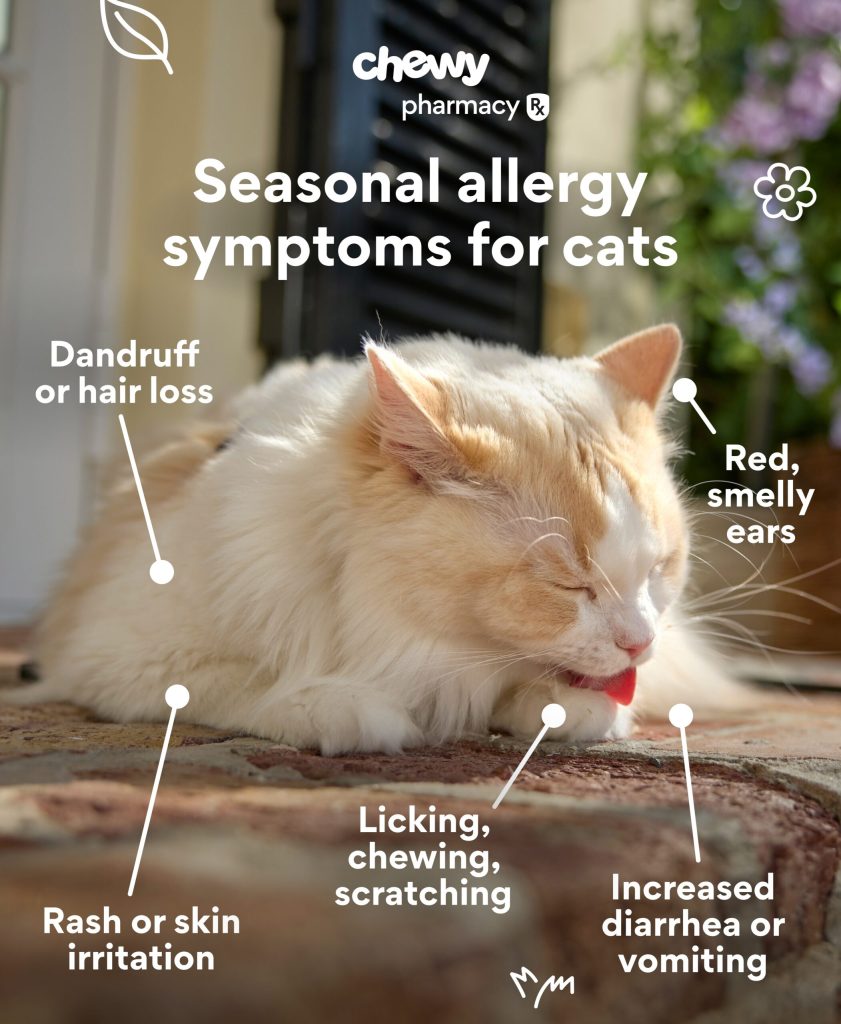
Allergies in pets can display through a range of symptoms that may vary from one individual to another. The most common signs include:
- Itchy skin or rashes: Pets may scratch, lick, or chew at their skin, leading to the potential development of open sores or infections.
- Respiratory issues: Allergens can lead to symptoms similar to asthma in cats and dogs, manifesting as sneezing, coughing, or wheezing.
- Gastrointestinal discomfort: Food allergies, in particular, can cause upset stomachs, resulting in vomiting or diarrhea.
Common Allergens
Identifying the sources of these allergens is imperative for treatment. Some of the most prevalent allergens include:
- Pollen: Seasonal pollen from various grasses and trees can cause hay fever-like symptoms in pets, particularly during the spring and summer months.
- Dust mites and mold: Household dust, as well as mold found in damp areas of the home, can trigger allergic reactions year-round.
- Food ingredients: Common allergens in pet food, such as chicken, beef, or dairy, can provoke gastrointestinal and skin-related issues.
- Flea saliva: Even a single flea can cause significant distress; pets may develop flea allergy dermatitis, resulting in itching and inflammation.
The Path to Relief
Recognizing the signs of allergies is the crucial first step toward alleviating your pet’s suffering. If you suspect your pet may have allergies, consulting a veterinarian is essential. They can help in diagnosing the specific triggers with the help of allergy tests and recommend effective treatments.
Common treatment strategies include avoiding identified allergens, specialized diets to manage food allergies, antihistamines, or corticosteroids prescribed to relieve symptoms. Additionally, regular grooming can be an effective way to prevent and manage skin irritations, while maintaining a clean living area can minimize dust mites and allergens. Exploring options such as hypoallergenic pet food or flea control medications can also provide added relief.
With a keen eye for detail and a proactive approach, pet owners can ensure their furry companions lead happier, healthier lives, free from the discomfort of allergies. By taking steps to understand and address these issues, you can significantly enhance your pet’s quality of life.
DIVE DEEPER: Click here to discover the key to your pet’s long-term health
Identifying Allergy Triggers
When it comes to tackling allergies in our furry friends, the first step is identifying what triggers those uncomfortable reactions. Allergens can be as diverse as the pets themselves, and pinpointing the specific cause can be a tedious, yet necessary journey. Many pet owners often overlook common sources of allergens that are prevalent in everyday environments.
Environmental Allergens
One of the most significant contributors to allergies in dogs and cats is environmental allergens. These include:
- Pollen: Pollens from blooming flowers, trees, and grasses can impact your pet, especially during peak seasons.
- Mold spores: These can grow in damp areas of your home, and even outside, presenting a risk to sensitive pets.
- Dust mites: Present in most households, dust mites can thrive in bedding and carpets, leading to chronic symptoms.
- Dander: Pet dander itself can create a cycle of allergic responses, even in other pets or family members.
Food Allergies: A Hidden Culprit
Food allergies represent another common yet often misunderstood source of discomfort for pets. Allergies to ingredients such as chicken, beef, or grains have become increasingly identified among dogs and cats. Symptoms can range from itchy skin and irritated ears to gastrointestinal issues, manifesting as upset stomachs or chronic diarrhea.
Understanding the difference between food intolerance and a true food allergy is crucial. While food sensitivity may lead to digestive issues, a food allergy triggers the immune response, which can be much more severe. If you suspect your pet’s symptoms are related to their diet, consider a food trial under your veterinarian’s guidance, as this can help determine which ingredients to avoid.
The Flea Factor
Don’t underestimate the impact of fleas when it comes to allergies! Flea allergy dermatitis is one of the most common skin disorders in dogs and cats. For affected pets, even a single flea bite can cause significant irritation and a persistent itch. The saliva of fleas contains allergens that can trigger allergic reactions, and managing fleas with comprehensive prevention strategies is vital.
Additionally, keep in mind that allergies can be seasonal or year-round. By paying close attention to your pet’s symptoms and any environmental changes, you can compile a list of potential triggers. Maintaining a diary of symptoms can help you identify patterns and inform discussions with your veterinarian.
With this foundational understanding of allergy triggers, pet owners can begin to create a plan of action that prioritizes their animal’s comfort and health. Taking the time to explore these possibilities is not only a critical step toward providing relief but also an investment in your pet’s long-term well-being.
Understanding Common Allergies in Pets
Allergies in pets can stem from various sources and manifest in multiple ways. As a responsible pet owner, it’s essential to recognize the skin irritations, digestive issues, and respiratory problems that often accompany common allergens. These can include environmental factors like pollen, dust mites, and molds, as well as food ingredients such as proteins or grains.
Identifying Symptoms
Common symptoms of allergies in dogs and cats include excessive scratching, licking, ear infections, and gastrointestinal upset. Dogs may develop hot spots, while cats might show signs of excessive grooming or hair loss. It’s crucial to monitor your pet’s behavior and seek veterinary advice if you notice persistent symptoms.
Diagnosing Allergies
Veterinarians can employ various diagnostic methods, including skin tests and blood tests, to determine the specific allergen affecting your pet. This is vital for tailoring an effective treatment plan. If you suspect a food allergy, an elimination diet can help pinpoint the trigger.
Effective Management Strategies
Managing allergies involves a combination of strategies. Regular cleaning of your pet’s living environment can significantly reduce exposure to allergens. Bathing your animals with hypoallergenic shampoos can also alleviate skin irritations. Additionally, consider using air purifiers to improve indoor air quality and reduce environmental triggers.
Nutrition and Supplements
Diet plays a crucial role in managing allergies. High-quality, veterinary-recommended hypoallergenic diets can help your pet avoid common food allergens. Furthermore, incorporating omega-3 fatty acids can support skin health, reduce inflammation, and bolster your pet’s immune system.
Consult with a Professional
Always consult with a veterinarian for personalized advice tailored to your pet’s needs. They may recommend antihistamines, topical treatments, or corticosteroids when necessary, and can also guide you through allergy testing and long-term management strategies.
Table of Advantages
| Category | Benefits |
|---|---|
| Understanding Allergies | Allows for effective management and improved quality of life for pets. |
| Veterinary Consultation | Provides targeted treatment plans to address specific allergies. |
Understanding and managing allergies in dogs and cats require vigilance and proactive care. By recognizing symptoms early and working closely with a veterinarian, pet owners can help alleviate their pets’ discomfort and ensure they lead happy, healthy lives.
DIVE DEEPER: Click here to learn more
Managing Allergies: Strategies for Relief
Once you’ve finally identified the triggers behind your dog or cat’s allergies, the next crucial step lies in implementing effective management strategies. While complete avoidance of allergens may be challenging, especially considering the variety of potential irritants, there are numerous proactive measures pet owners can take to improve their furry companion’s quality of life.
Implementing an Allergen-Free Environment
Create a sanctuary for your pet by minimizing exposure to environmental allergens. Start by conducting regular cleaning around your home to reduce dust, pollen, and dander. Using HEPA filters in your home’s heating and cooling systems can significantly reduce airborne allergens. Regularly vacuuming carpets with a high-quality vacuum that captures allergens and washing pet bedding in hot water can also eliminate buildup.
If your pet suffers from pollen or mold allergies, keeping them indoors during peak pollen seasons or rainy days can alleviate their symptoms. Investing in an air purifier can help keep the air clear and reduce airborne irritants, providing a cleaner environment for both you and your pets.
Dietary Adjustments
When food allergies are a concern, dietary changes become a necessity. Switching to a limited-ingredient diet tailored to your pet’s specific intolerances can yield positive results. Many brands now offer hypoallergenic pet food that excludes common allergens such as beef, chicken, and grains. These diets often use novel proteins, such as salmon or venison, and unique carbohydrate sources like sweet potatoes, making them less likely to provoke an immune response.
Always consult with your veterinarian before making any drastic changes to your pet’s diet. They may recommend a supervised elimination diet to effectively determine which specific ingredients should be avoided.
Topical and Oral Treatments
For pets already experiencing allergy symptoms, topical and oral treatments may be essential in alleviating discomfort. Many veterinarians prescribe antihistamines or even corticosteroids for temporary relief from itching and inflammation. Natural alternatives, such as omega-3 fatty acids—found in fish oil—can also help reduce the inflammatory responses associated with allergies.
In addition to medication, regular grooming can play a pivotal role in managing allergies. Brushing your pet frequently can help remove excess dander and allergens from their coat, ultimately leading to fewer irritations. Bathing dogs or cats with special hypoallergenic shampoos formulated to soothe irritated skin can provide additional relief.
Flea Control and Prevention
With 30% of dogs and nearly 40% of cats estimated to suffer from flea allergies, consistent flea control is crucial. Regularly treat your pets with veterinarian-recommended flea prevention products, which may include topical treatments or oral medications. Furthermore, maintaining a clean home environment with regular vacuuming and washing of pet bedding is vital in breaking the flea life cycle.
Veterinary Guidance
Close communication with your veterinarian is indispensable throughout the allergy management process. Regular check-ups allow for adjustments to treatment plans based on your pet’s evolving needs. In some cases, veterinarians may suggest allergy testing to discover hidden triggers, enabling targeted management strategies.
Incorporating a multi-faceted approach to managing allergic reactions can lead to significant improvements in your pet’s quality of life. Recognizing early signs of allergies and responding swiftly will foster a nurturing environment where your furry family members can thrive without discomfort.
DISCOVER MORE: Click here to learn about maintaining your pet’s health
Conclusion
Managing common allergies in dogs and cats can be a challenging yet rewarding endeavor for pet owners. By carefully identifying allergen triggers and implementing effective strategies, you can significantly enhance your pet’s well-being and comfort. From creating an allergen-free environment to making dietary adjustments and utilizing veterinary guidance, a proactive approach is key.
Always prioritize regular communication with your veterinarian, as their expertise is invaluable in navigating allergy management. This close collaboration can help tailor treatments that fit your pet’s unique needs, keeping in mind that each animal may react differently to various allergens. Remember, consistency is essential; whether it’s maintaining a cleaning routine, applying flea control, or adhering to dietary changes, your commitment will directly impact your pet’s quality of life.
Additionally, stay informed about new developments in allergy treatments and preventative care. Advances in veterinary science continue to provide innovative solutions that can offer relief and even change the lives of our furry companions. Embrace a holistic approach: combine environmental controls, diet, grooming practices, and medical interventions to ensure that your pet can thrive. In doing so, you not only combat allergies effectively but also promote a happier and healthier life for your beloved dogs and cats.