Special Care for Elderly Pets: What You Need to Know
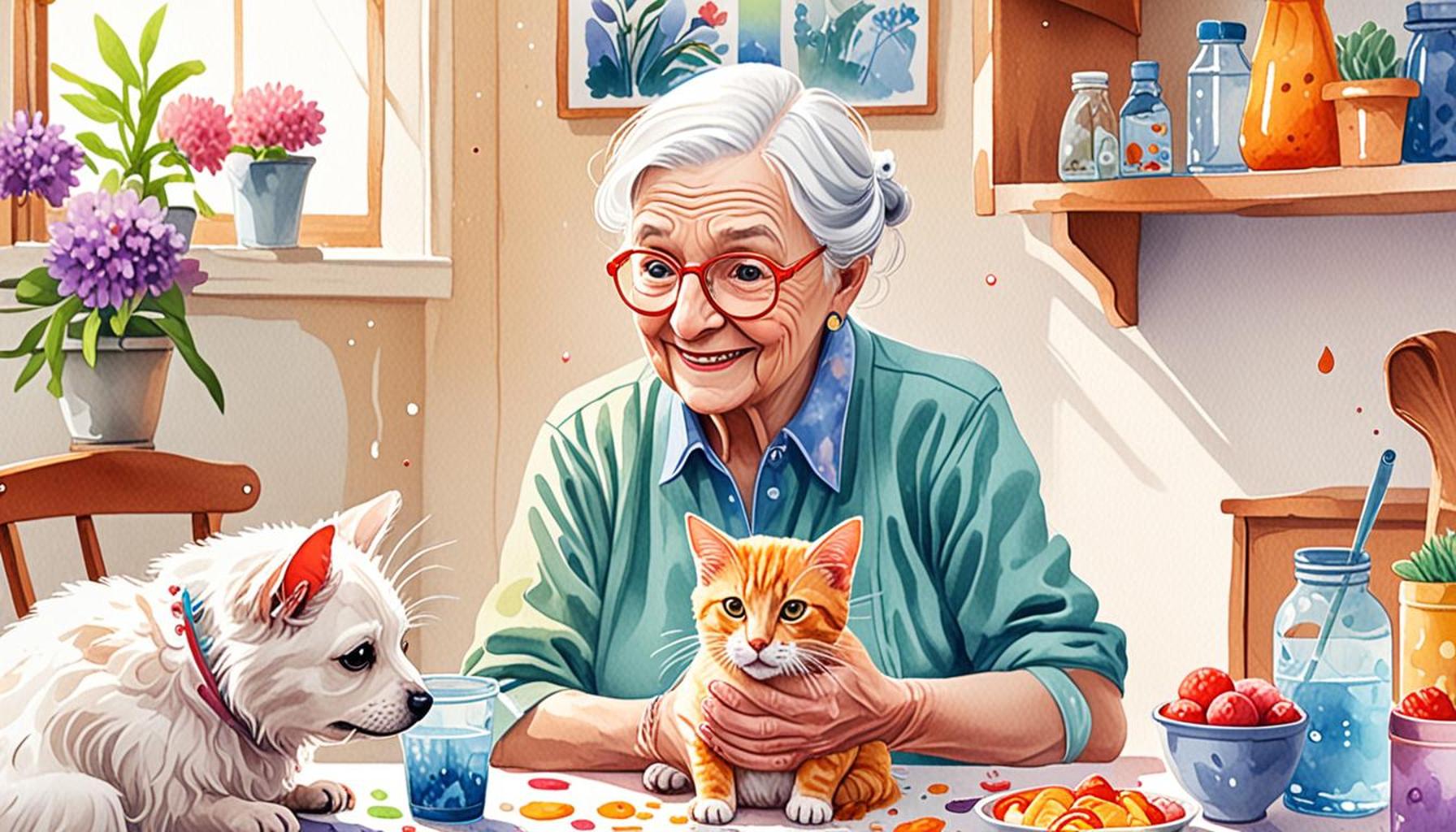
Understanding the Needs of Senior Pets
As pets age, their needs change significantly. Just like humans, elderly pets require special care to ensure their quality of life remains high. Reliable and consistent changes in their routine are essential for pet owners who want to provide the best for their furry companions during these later stages of life.
Common Challenges Faced by Senior Pets
Senior pets often deal with a range of health issues that can impact their everyday lives, including:
- Arthritis: This condition affects mobility and comfort, making it difficult for pets to enjoy their usual activities such as playing, walking, or even getting up from a resting position. For example, a once-active dog may now struggle to climb stairs or jump onto furniture.
- Dental problems: Just like humans, pets can suffer from dental issues, leading to pain and infection. Conditions such as periodontal disease can cause significant discomfort and may even result in systemic health issues if left untreated.
- Vision and hearing loss: Aging can impair a pet’s sight and hearing, impacting their ability to interact with their environment. This may lead to increased anxiety and confusion, thus affecting their overall behavior and socialization.
Recognizing these challenges is just the first step. Owners must also become familiar with the specific care needs that can make a difference in their pet’s life, allowing them to maintain a semblance of their former vitality and happiness.
Essential Care Strategies
To provide optimal care for elderly pets, consider the following strategies:
- Nutritional adjustments: Tailoring diets to support specific health issues is crucial. Senior pets often require diets lower in calories but rich in essential nutrients, such as omega-3 fatty acids, which can help reduce inflammation and support joint health.
- Regular vet visits: Annual or bi-annual veterinary check-ups are essential for early detection of health problems. These visits allow veterinarians to monitor existing conditions, adjust medications, and make dietary recommendations that can prolong your pet’s life.
- Comfortable living arrangements: Create spaces that accommodate mobility issues. Consider using orthopedic beds or ramps to help pets move comfortably. Additionally, keeping their living space free of clutter can reduce the risk of falls and stress.
By staying informed and proactive, you can successfully navigate the rewarding journey of caring for your elderly pet. Regularly educate yourself on the best practices and new developments in veterinary care. Remember, the more you understand their changing needs, the better equipped you will be to ensure your pet enjoys their golden years to the fullest.
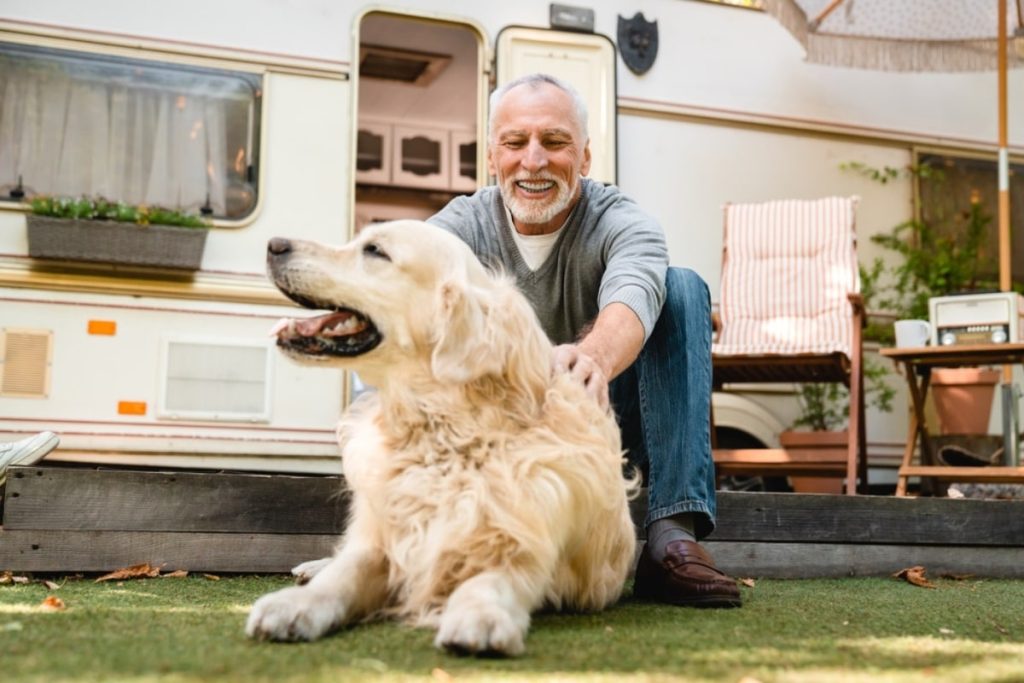
DISCOVER MORE: Click here to learn effective strategies
Prioritizing Health and Well-being
The health and well-being of senior pets is paramount, as they require focused attention on both their physical and emotional needs. Aging pets often endure various physical ailments, making it essential for owners to monitor behaviors closely. Changes in appetite, energy levels, and mood can be indicative of underlying issues that may need veterinary intervention. Furthermore, understanding how aging affects your pet’s mental state can help improve their overall happiness and quality of life.
Mental Stimulation and Emotional Health
Just as physical health is important, mental stimulation plays a vital role in the care of senior pets. Engaging activities, such as puzzle toys or training exercises, can keep their minds sharp and combat feelings of boredom or depression. Furthermore, maintaining social interaction with other pets and familiar humans can enhance their emotional well-being. It’s crucial to observe how your pet interacts with their surroundings and to introduce them to new, safe experiences that enrich their daily lives.
Recognizing Signs of Stress and Anxiety
Senior pets may also exhibit signs of stress or anxiety, especially when faced with changes in their environment or routine. Common signs may include:
- Increased vocalization: An elderly cat or dog may meow or bark more frequently if they feel anxious or disoriented.
- Withdrawal: A once sociable pet might prefer solitude, retreating from family interactions to cope with feelings of stress.
- Changes in grooming habits: Over-grooming or neglecting grooming entirely can be indicative of emotional distress.
Recognizing these signs early on can help in implementing solutions, such as establishing a consistent routine or providing safe spaces where your pet can retreat when feeling overwhelmed. Socialization and companionship remain essential at this stage, so owners should emphasize the importance of spending quality time with their furry friends to alleviate loneliness.
Supportive Products for Senior Pets
Investing in supportive products can also make a significant difference in your elderly pet’s life. Items such as:
- Joint supplements: These can help to ease joint pain associated with arthritis and other mobility issues.
- Adaptive leashes and harnesses: Designed for ease of movement, these products can help maintain a level of independence during walks.
- Interactive toys: Engaging your pet’s senses can combat cognitive decline and encourage activity and play.
Overall, staying attuned to your senior pet’s needs, both physically and emotionally, is fundamental for ensuring a joyful and fulfilling life as they age. With these considerations in mind, pet owners can navigate the challenges of caring for their elderly companions and enhance the moments they share together during this golden phase of life.
| Category | Key Features |
|---|---|
| Nutritional Needs | Elderly pets may require specially formulated diets to meet changing nutritional requirements, focusing on high-quality protein and essential vitamins. |
| Mobility Support | Providing joint supplements and ensuring a safe environment can greatly assist aging pets in maintaining their mobility and quality of life. |
As our pets enter their senior years, understanding their evolving needs becomes paramount. Nutritional needs shift significantly; senior pets often require diets that are lower in calories but higher in specific nutrients that support their health. It’s crucial to consult with a veterinarian to determine the best dietary plan that fosters overall wellbeing, particularly focusing on their digestive health and maintaining a healthy weight.Additionally, many elderly pets struggle with mobility issues due to arthritic conditions. Providing them with measures like soft bedding, ramps for easier access to favorite spots, and even specialized orthopedic beds can enhance their comfort. Regular, gentle exercise can help maintain their muscle tone, but it’s important to tailor activities based on their capabilities. By addressing these key areas, pet owners can significantly improve the quality of life for their elderly companions, ensuring they feel cherished and cared for in their golden years.
DISCOVER MORE: Click here to learn about breed selection
Nutrition and Weight Management
Proper nutrition is crucial for elderly pets, as their dietary needs often change as they age. Senior pets may benefit from diets formulated specifically for their age group, which typically contain lower calories and higher fiber. This helps address common issues such as obesity, which can exacerbate existing health problems like arthritis and diabetes. Regular consultation with a veterinarian about dietary needs is essential. They can recommend specific brands or formulations that target any health concerns your pet may have.
Hydration is Key
Many older pets suffer from dehydration due to a decreased thirst drive. Regular access to fresh water is essential, but sometimes pets may benefit from wet food to increase fluid intake. Monitoring your pet’s water consumption can provide important insights into their health. Signs of dehydration include dry gums, lethargy, or a decrease in skin elasticity. Consult your veterinarian if you’re concerned about your pet’s hydration levels.
Comfort and Mobility Enhancements
As pets age, mobility often becomes an issue, which may require adjustments to their environment. Providing comfortable bedding in quiet areas can help senior pets rest and recuperate. Pet ramps or steps can also be useful for easing access to favorite spots, such as the bed or car, which can minimize strain on their joints. In addition, non-slip rugs are effective in preventing slips and falls on slippery surfaces, thus contributing to a safer living environment.
Regular Vet Check-ups
Frequent veterinary visits become increasingly important for senior pets. A vet can perform essential health screenings that are tailored to an older pet’s needs, including blood tests, dental examinations, and screenings for common age-related diseases such as kidney or heart conditions. These proactive measures can facilitate early detection of potential problems and ensure your pet remains in optimal health. Keeping a detailed record of your pet’s medical history can also be beneficial during veterinary visits.
Maintaining a Balanced Routine
Senior pets thrive on routine, which can decrease their anxiety and provide stability as their physical and mental health change. Consistent feeding times, regular bathroom breaks, and scheduled playtime can work wonders for their behavior and well-being. However, it’s also important to remain flexible and adjust the routine as needed based on your pet’s energy levels and health. For instance, shorter and more frequent walks might replace longer outings, ensuring they still experience physical activity without overexertion.
Embracing Palliative Care
As pets approach the end of their life, considerations shift towards palliative care, focusing on comfort rather than curative treatments. Services such as massage therapy, acupuncture, and specialized diets can enhance their quality of life in their later stages. Many veterinary practices now offer holistic care options, which can assist pet owners in finding compassionate solutions to manage pain and maintain a good quality of life.
Incorporating these elements into the care plan for your elderly pet can profoundly impact their health and happiness. By focusing on their unique needs, you’re not only extending their lives but enriching them, allowing your furry companions to enjoy their golden years fully.
DISCOVER MORE: Click here for vital tips on pet nutrition
Conclusion
Caring for elderly pets is an essential aspect of companionship that requires understanding and commitment. As our furry friends age, they experience unique challenges that necessitate special consideration and adaptation from their pet parents. By prioritizing nutrition tailored to their age-related needs, ensuring sufficient hydration, enhancing comfort and mobility, and scheduling regular veterinary check-ups, you can create an environment that supports their health and happiness.
Moreover, maintaining a balanced routine can help alleviate anxiety and provide necessary stability as they navigate their golden years. It is also crucial to embrace palliative care options when appropriate, focusing on quality of life and tenderness as their journey draws to a close. Researchers have shown that proper care not only extends the lifespan of elderly pets but also enhances the overall quality of their remaining years, allowing them peace, comfort, and joy.
As you embark on this journey of special care for your elderly pet, remain proactive and informed. Engaging with veterinary professionals, utilizing their expertise on the latest health insights, and being attentive to your pet’s changing needs can greatly improve their quality of life. Ultimately, this commitment fosters a deeper bond between you and your furry friend, making their twilight years as fulfilling as possible.