The Importance of Hygiene in Maintaining the Health of Pets
Understanding the Importance of Pet Hygiene
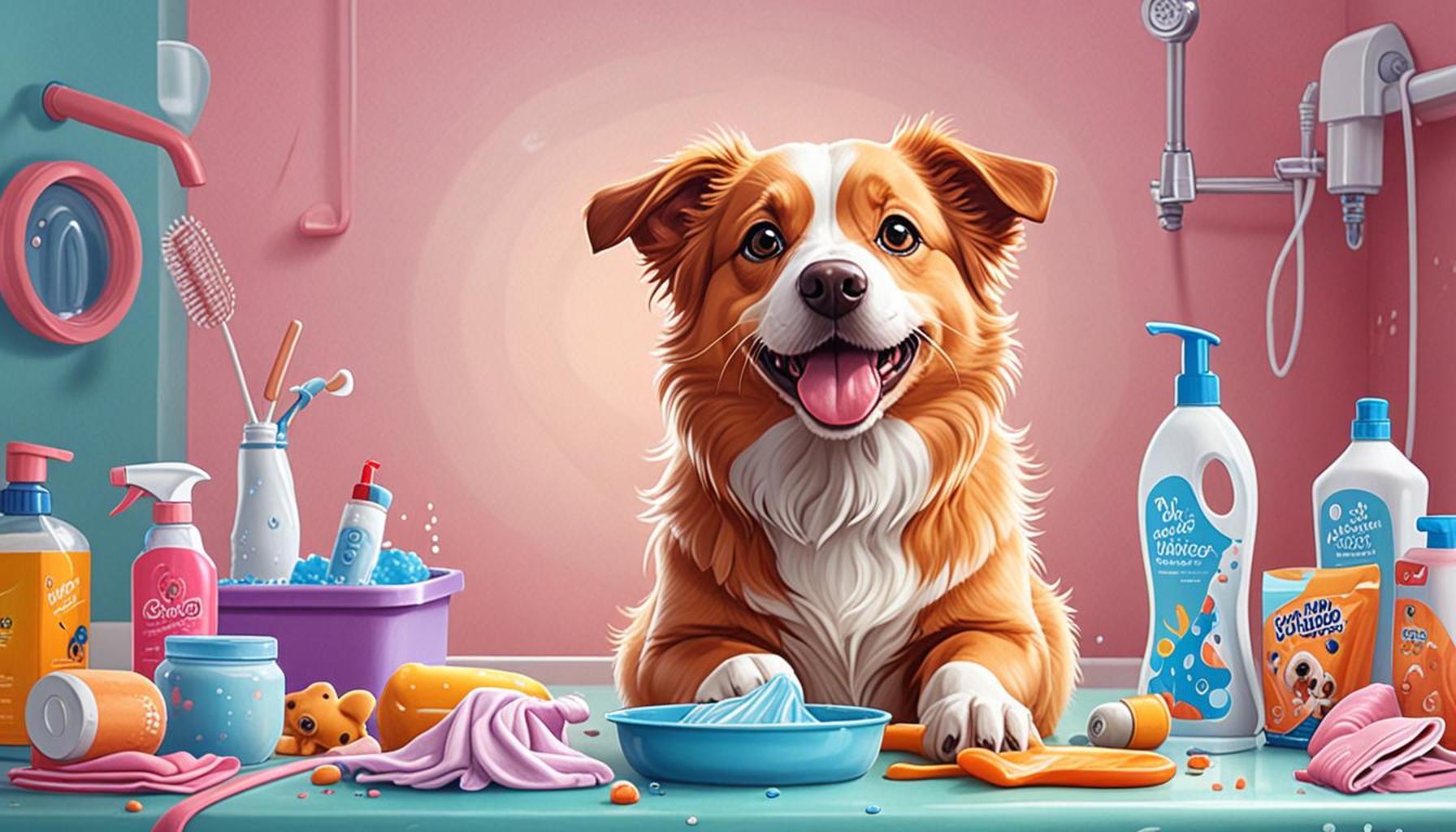
Keeping pets clean is more than just a routine chore; it is essential for their overall health and well-being. Good hygiene practices can significantly reduce the risk of infections, parasites, and various illnesses, ensuring that our furry companions lead happy and healthy lives. By embracing a comprehensive approach to pet hygiene, you can help your pet enjoy not only a better quality of life but also an extended lifespan.
Key Reasons Why Pet Hygiene is Vital
- Prevention of Diseases: Regular grooming and baths are critical in preventing skin infections and infestations. For example, routine brushing can help remove dead hair and dander, which may harbor bacteria and allergens. Additionally, keeping your dog’s coat clean is particularly important as it can fend off external parasites like fleas and ticks, which can lead to more severe health issues if left untreated.
- Dental Health: Pet dental care is often overlooked, but brushing your pet’s teeth can drastically reduce plaque buildup, promoting oral hygiene. Studies show that periodontal disease is one of the most common health problems in pets, and it can lead to serious systemic issues if bacteria from the mouth enter the bloodstream. Using flavored toothpaste designed for pets can make the experience enjoyable for them, encouraging regular dental care.
- Healthy Environment: A clean living space minimizes the risk of contamination and keeps both pets and humans safe from harmful bacteria. Regular cleaning of pet areas, such as litter boxes for cats or bedding for dogs, helps maintain hygiene and prevents unpleasant odors. This is particularly important in households with children or immunocompromised individuals, as a dirty environment can pose additional health risks.
Enhancing Quality of Life
Additionally, maintaining hygiene can significantly enhance your pet’s quality of life. When a pet is clean, they are less likely to suffer from discomfort, irritation, or negative behavioral changes. For example, an unkempt dog might experience skin irritations that cause them to scratch excessively, leading to painful wounds. On the other hand, a clean dog is happier and more playful, positively affecting their interaction with family members and other pets.
Vigilance in Pet Hygiene
Pet owners should be vigilant about various aspects of hygiene to ensure their pets not only thrive but are also kept safe from avoidable health issues. Here are some practices to consider:
- Regular baths and grooming sessions that match the breed’s specific needs can keep coats shiny and healthy.
- Cleaning litter boxes and bedding on a regular basis is crucial to maintaining a hygienic environment.
- Routine veterinary check-ups are necessary to monitor health, and vets can provide advice on specific hygiene needs for your pet.
Conclusion: Building a Stronger Bond
Understanding the importance of hygiene not only benefits your pet but also strengthens the bond between you and your beloved animal. Taking the time to ensure proper care sets the stage for a flourishing relationship and a vibrant pet life. By investing in your pet’s hygiene practices, you are also investing in their happiness, longevity, and the joy they bring to your life.
DIVE DEEPER: Click here to learn more
Promoting Health Through Pet Hygiene
When it comes to maintaining our pets’ health, hygiene practices should be at the forefront of every pet owner’s mind. Just as humans benefit from cleanliness, pets thrive when they are kept clean and groomed properly. Understanding the vital role hygiene plays in preventing health issues can empower pet owners to take actionable steps that significantly enhance their pets’ quality of life.
Preventative Measures Against Common Health Threats
The health risks associated with poor hygiene can lead to serious consequences. For instance, dogs and cats that are not regularly groomed or bathed are at a higher risk for developing skin irritations, infections, and infestations. These issues can lead to more severe medical interventions, resulting in additional stress and expense for pet owners. Regular grooming helps in:
- Reducing Allergens: Regular brushing helps remove loose fur and dander, which are common allergens in households. This can significantly improve air quality and reduce allergy symptoms for family members.
- Skin Health: A clean coat is less prone to mats and tangles, which can trap dirt and moisture. By regularly grooming your pet, especially in high-shedding months, you can prevent skin infections and promote healthy skin and coat.
- Monitoring for External Parasites: Regularly checking for fleas, ticks, and other parasites becomes much easier during grooming. Identifying these pests early can prevent infestations and the diseases they carry.
Dental Care: A Cornerstone of Pet Hygiene
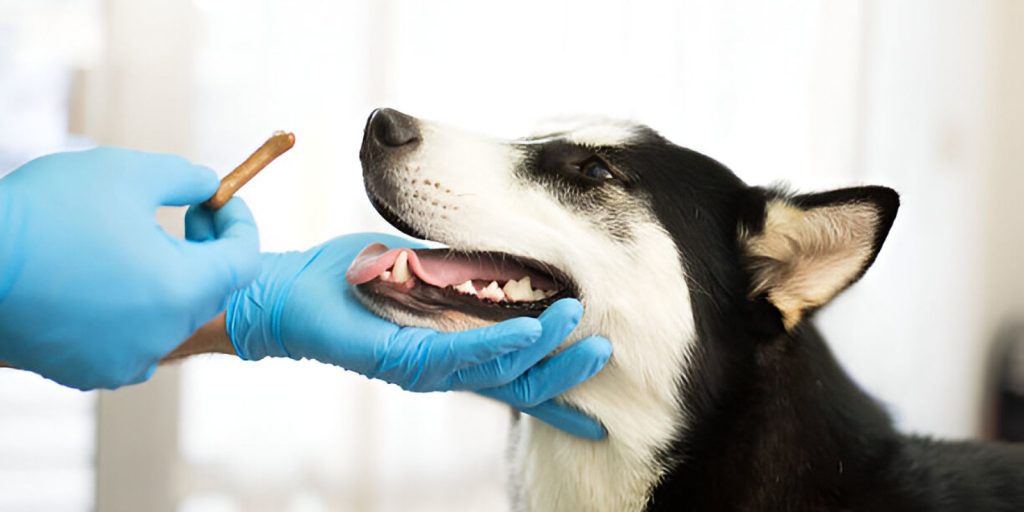
While many pet owners focus on bathing and grooming, oral hygiene is an often-overlooked aspect of pet care. Studies have shown that a staggering 80% of dogs and 70% of cats develop oral diseases by the age of three. Regular dental care can mitigate this risk and include practices such as:
- Brushing Teeth: Utilizing pet-specific toothpaste and brushes can help maintain oral hygiene. Regular brushing can prevent plaque buildup that leads to periodontal disease.
- Dental Chews and Toys: Incorporating dental chews and toys into your pet’s routine can assist in cleaning teeth and strengthening gums, while also providing mental stimulation.
- Professional Cleanings: Scheduling routine veterinary dental check-ups is crucial for assessing your pet’s oral health and performing professional cleanings as needed.
By investing time in your pet’s dental care, you can not only enhance their overall hygiene but also prevent the development of more serious health issues that could arise from neglected dental problems. Through simple practices, pet owners can lay a solid foundation for their pets’ health and well-being, fostering a happier and healthier lifestyle.
The Importance of Hygiene in Maintaining the Health of Pets
Maintaining proper hygiene is essential for ensuring that our pets live their happiest and healthiest lives. One of the most critical aspects is regular grooming. Grooming not only helps to remove loose fur and dirt but also enables pet owners to identify potential health issues, such as skin problems or parasites, before they become severe. Regular brushing can significantly reduce shedding and allergies for both pets and their human companions.
Bathing pets is another vital hygiene practice. It’s essential to use appropriate pet shampoos that are free from harsh chemicals, as human products can be harmful to animals. Bathing not only keeps your pet’s coat clean and healthy but also helps in controlling the presence of allergens and parasites. Beyond physical cleanliness, baths can promote mental well-being, offering a soothing experience for pets.
| Category | Benefits |
|---|---|
| Grooming | Reduces shedding and helps identify health issues early. |
| Bathing | Controls allergens and parasites while providing a soothing experience. |
Oral hygiene is another often-overlooked aspect of pet care. Regular dental cleaning and checks can prevent serious issues, such as periodontal disease, which can affect not only the mouth but also overall health. Pets with clean mouths are less likely to develop health complications associated with poor dental care.
Lastly, a clean living environment is imperative. Regularly cleaning pet bedding, toys, and areas where pets frequent can help mitigate the spread of germs and bacteria, ultimately contributing to better health for both pets and their owners. By understanding and implementing these hygiene practices, pet owners can significantly improve the quality of life for their beloved companions.
DIVE DEEPER: Click here to discover more
The Role of Environment in Pet Hygiene
Aside from direct hygiene practices, the environment in which pets live plays a pivotal role in their overall health. A clean living space is essential for preventing the spread of bacteria, parasites, and diseases that can significantly affect your furry friends. As a responsible pet owner, cultivating a healthy environment involves several key practices, including:
Regular Cleaning of Pet Areas
Maintaining a tidy household is crucial in supporting your pet’s hygiene. Regularly cleaning spaces like pet beds, blankets, and toys, and ensuring that food and water dishes are sanitized can greatly reduce health risks. For example, studies indicate that bacteria can breed in stagnant water. Therefore, changing your pet’s water daily and washing food dishes with hot, soapy water will help prevent gastrointestinal issues related to bacterial contamination.
- Frequent Vacuuming: Pet hair and dander accumulate quickly and can contribute to allergies, both for humans and pets. Vacuuming carpets, couches, and other surfaces regularly can help minimize these health risks.
- Cleaning Up Waste Promptly: Whether you have indoor or outdoor pets, promptly cleaning up after them prevents parasites and bacteria from contaminating your living space.
- Air Quality Management: Using air purifiers and regularly changing HVAC filters can enhance indoor air quality, reducing allergens and creating a healthier atmosphere for pets to thrive.
Paw Care: A Neglected Yet Significant Aspect
Pet hygiene also extends to paw care, which is often disregarded but can significantly influence a pet’s health. Feet can collect debris, bacteria, and allergens, making regular inspections and cleaning a necessity. Pets, especially dogs, can suffer from infections and irritations between their toes, particularly if they frequently walk on contaminated surfaces.
- Regular Inspection: Check your pet’s paws frequently for cuts, dirt, stones, and foreign objects. Keeping a close watch can catch health issues before they escalate.
- Paw Cleaning: After walks, clean your pet’s paws with a damp cloth to remove any debris or chemicals, especially during winter months when salt and other ice-melting products may be used on roads.
- Nail Trimming: Keeping your pet’s nails trimmed not only prevents painful injuries and infections but also maintains proper posture and balance, which is essential for mobility and overall health.
Grooming Beyond Appearance
Grooming is commonly perceived as a cosmetic procedure, but it’s much more integrative to health management. Regular brushing and bathing are not merely for aesthetics; they serve essential health purposes. Different breeds require various grooming frequencies, but generally, every pet benefits from periodic grooming sessions that include:
- Checking for Skin Issues: During grooming, pet owners can look for any signs of irritation, lumps, or abnormalities that may require veterinary attention.
- Reducing Shedding: Brushing helps manage shedding and minimizes the amount of hair that collects in your home, thereby reducing allergens.
- Bonding Experience: Grooming sessions can foster a bond between pet and owner, leading to lowered stress and anxiety levels in pets, further enhancing their overall health.
By prioritizing hygiene and cleanliness in your pet’s environment and grooming routines, pet owners can take significant strides in preventing health issues, ensuring a happier and healthier life for their beloved companions.
DISCOVER MORE: Click here for helpful training tips
Conclusion
In conclusion, the importance of hygiene in maintaining the health of pets cannot be overstated. A multifaceted approach that encompasses proper grooming, regular cleaning of living spaces, and diligent paw care not only safeguards your pet’s physical well-being but also enhances their emotional health. By ensuring a clean and safe environment, pet owners can significantly reduce the risk of disease transmission and promote a healthier lifestyle for their beloved companions.
Beyond just aesthetics, hygiene practices can unveil early signs of health issues, allowing for timely veterinary interventions. Furthermore, investing time in grooming not only nurtures your pet’s coat but also fosters a deeper bond between pet and owner. This relationship has profound implications for the emotional stability of pets, which is critical for their overall happiness.
As a responsible pet owner, it’s essential to recognize that hygiene is a lifelong commitment. Routine habits combined with a keen awareness of your pet’s environment and needs create a strong foundation for a healthy life. As you consider the various factors that contribute to your pet’s well-being, the role of hygiene stands out as both a preventative measure and a crucial element in promoting longevity. By prioritizing these practices, you not only improve your pet’s quality of life but also enrich the experience of companionship that comes with being a pet parent. In turn, a healthy pet leads to a happier home, creating a win-win situation for everyone involved.