Comparison between Pure Breeds and Mixed Breeds: Advantages and Disadvantages in Pet Selection
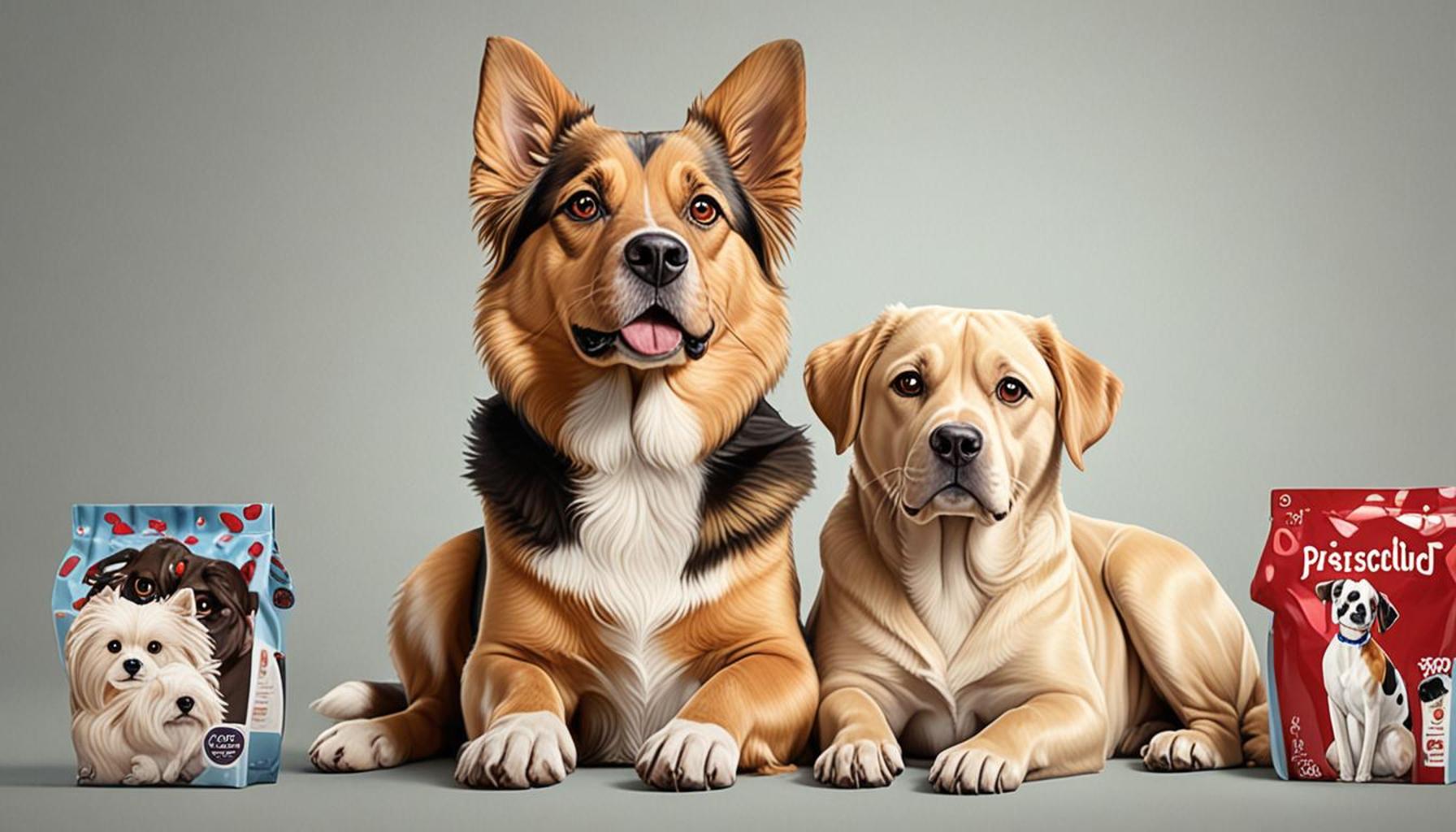
When contemplating the decision to welcome a furry friend into your home, the choice between a pure breed and a mixed breed can significantly shape your experience as a pet owner. Each category carries its unique set of traits, care requirements, and overall experiences that can influence not only the pet’s behavior but also your lifestyle. Understanding these differences is crucial in making a decision that best suits your family and living situation.
Pure Breeds: The Allure and the Challenges
Purebred animals often attract attention for their predictable traits and established lineage. Prospective pet owners are drawn to pure breeds for several compelling reasons:
- Consistent Appearance: Each pure breed exhibits a recognizable and uniform look that can fulfill aesthetic preferences. For example, Golden Retrievers are known for their beautiful golden coats and friendly expressions, while Dachshunds are adored for their unique elongated bodies and short legs.
- Established Temperaments: Many purebred dogs have standardized personalities that have been refined over generations through controlled breeding. For instance, Border Collies are renowned for their intelligence and high energy, making them excellent working dogs but also requiring active owners who can engage them.
- Participation in Competitions: Many owners find joy in showing their purebred dogs in competitions. Events like the Westminster Kennel Club Dog Show not only offer prestige but also a fun and engaging community of like-minded individuals.
However, it is important to be aware of the potential downsides. Many pure breeds are prone to specific health issues due to inbreeding practices aimed at preserving ideal traits. For example, Bulldogs often face respiratory issues, while large breeds like Great Danes can suffer from hip dysplasia. These health concerns can lead to higher veterinary bills and a more intense commitment to your pet’s wellbeing.
Mixed Breeds: The Versatile Contenders
Conversely, mixed breeds present a different set of attributes that many pet owners find appealing. The genetic diversity often brings about:
- Unique Characteristics: Mixed breed dogs can exhibit a blend of looks and temperaments, making each one distinct. A Labrador-Poodle mix, for instance, may inherit the intelligence and hypoallergenic coat of a Poodle while embodying the friendly nature of a Labrador.
- Hybrid Vigor: Mixed breeds typically benefit from hybrid vigor, which often results in fewer genetic health problems than their purebred counterparts. This can lead to a longer lifespan and lower medical expenses.
- Adoptability: Many adorable mixed breed dogs are in urgent need of homes, waiting patiently in local shelters for adoption. By choosing a mixed breed, you not only gain a loving companion but also contribute to solving the pet overpopulation crisis.
Despite their benefits, mixed breeds can present challenges related to unpredictability in physical and behavioral traits. Owners dedicated to specific activities, such as agility training or obedience competitions, may find it difficult to ascertain a mixed dog’s capability.

As we delve into the complexities of pure breeds and mixed breeds, the goal is to equip potential pet parents with the knowledge necessary to weigh the pros and cons of each. To find your ideal pet, consider your lifestyle, your experience with animals, and your readiness to manage varying traits that a pet may exhibit. By taking the time to understand both options, you can confidently embark on the exciting journey towards pet ownership!
DISCOVER MORE: Click here to learn about natural ways to ease your pet’s anxiety
The Distinct Universe of Pet Ownership
When diving into the world of pet ownership, one may find themselves captivated by the enticing variety of options available. In particular, the contrast between pure breeds and mixed breeds sets the stage for a significant decision that can shape the experience of pet ownership. While pure breeds offer predictability and an established standard, mixed breeds bring a unique charm and diversity that may perfectly suit the right family dynamic.
Pure Breeds: A Closer Look at Benefits and Pitfalls
Purebred pets come with their own set of advantages that often align well with certain lifestyles. However, these advantages accompany some challenges that prospective pet owners should be mindful of.
- Predictability in Behavior: Pure breeds are often bred for specific traits; this can lead to a consistent and predictable disposition. Owners can select a breed based on their expected behaviors—an essential factor for families with young children. For instance, the affectionate nature of a Cavalier King Charles Spaniel may prove ideal for a family looking for a gentle companion.
- Comprehensive Breed Standards: Established organizations like the American Kennel Club (AKC) provide breed standards that guide potential owners in understanding what to expect from their chosen breed. These standards encompass not just physical characteristics, but also behavioral tendencies and care requirements, offering a roadmap for prospective owners.
- Socialization and Training: Due to common traits, purebreds often share socialization and training challenges. For example, breeds like the German Shepherd are renowned for their trainability, making them a favorable option for first-time dog owners eager to engage in obedience training.
However, alongside these advantages, potential downsides exist that warrant careful consideration:
- Health Concerns: The practice of inbreeding to maintain specific traits can lead to genetic health issues. This includes conditions like hip dysplasia in larger breeds and certain respiratory challenges in brachycephalic breeds, such as Bulldogs.
- Higher Costs: Pure breeds typically come with higher purchase prices, along with potential future medical costs stemming from breed-specific health issues. Pet owners must be prepared not only for the initial investment but also for ongoing care expenses.
- Limited Adaptability: Many pure breeds may have specific environmental or exercise needs that owners must accommodate. For example, a high-energy breed like the Australian Shepherd requires regular physical and mental stimulation, which might be challenging for individuals with a more sedentary lifestyle.
The multifaceted nature of pure breeds calls for thorough research and introspection. Prospective dog owners must weigh their lifestyle and preferences against the demands of specific breeds to ensure a harmonious match.
Mixed Breeds: Embracing Diversity and Resilience
On the other hand, the allure of mixed breeds lies in their diversity and potential for hybrid vigor. They often present a combination of the best traits from their parent breeds, providing pet owners with a unique mix of personalities and characteristics.
- Physical Diversity: Mixed breed dogs display a wide variety of appearances, which can be a delight for owners seeking a pet that stands out. Whether it’s a peculiar coat pattern or an eclectic mix of sizes, these dogs prove that variety is the spice of life.
- Health Advantages: The genetic variation found in mixed breeds often leads to greater overall health and resilience. Studies suggest they may face fewer hereditary conditions, which can result in reduced medical costs over time and a longer average lifespan.
- Adoption Opportunities: Choosing a mixed breed often coincides with adopting from shelters, addressing the urgent need for homes for countless dogs waiting to be rescued. This decision not only transforms an animal’s life but also enhances the owner’s experience knowing they’ve made a difference.
Nonetheless, while the advantages of mixed breeds are compelling, potential owners should be cautious regarding their unpredictability. Factors such as appearance, temperament, and energy levels can be less obvious, making it imperative to consider how these traits align with lifestyle needs and expectations.
In the ongoing debate between pure breeds and mixed breeds, understanding both sides will empower future pet owners to navigate their decision-making process with confidence.
Exploring the Differences: Pure Breeds versus Mixed Breeds
When considering a new pet, the choice between pure breeds and mixed breeds can significantly impact your experience as a pet owner. Each category offers unique traits and benefits that cater to various lifestyles and preferences.Firstly, it’s essential to understand the characteristics of pure breeds. Typically, these animals come with a predictable demeanor and appearance due to generations of selective breeding. Owners of pure breeds often appreciate their reliability, particularly in training and behavior. For example, breeds like the Labrador Retriever or Golden Retriever are renowned for their friendly nature, making them popular family pets. However, potential owners should be aware of the various health issues that some pure breeds may encounter, resulting from inbreeding.On the other hand, mixed breeds, often celebrated for their diversity, can provide a broader range of characteristics inherited from their ancestry. This genetic variation often leads to enhanced resilience and fewer breed-specific health problems. Additionally, mixed breeds tend to adapt more easily to different environments, making them suitable for families or individuals living in various conditions. The charm of mixed breeds is underscored by their unique appearances and personalities, which are a delightful surprise for their owners.Many enthusiastic animal advocates argue that adopting mixed breeds from shelters not only saves lives but also fosters a less predictable yet rewarding experience as a pet owner. The mix of traits brought together from various breeds can lead to surprising skills and temperaments that might benefit active households or those seeking a loving companion.Both categories have their advantages and disadvantages, which can ultimately influence your decision in pet selection. It’s advisable for prospective pet owners to reflect on their lifestyle, living situation, and what they desire in a furry friend as they navigate this important choice.
DISCOVER MORE: Click here to learn how pets can help ease your stress
Navigating the Mixed Breed Experience: A Deep Dive
As we explore the mixed breed landscape further, it’s essential to understand not only the strengths but also the potential challenges that accompany selecting a mixed breed pet. The journey into mixed breed ownership is filled with myriad surprises, and prospective owners should be equipped to navigate them.
Temperament and Character Complexity
One of the defining traits of mixed breed pets is their unpredictable temperament. This arises from the blending of behavioral traits inherited from various parent breeds. For instance, a mixed breed with a Labrador Retriever parent may exhibit the friendly disposition typical of Labs, but may also possess the independent streak of a Collie parent. This complex temperament can be both a blessing and a challenge.
- Varied Personality Traits: The integration of traits from different breeds can lead to an eclectic mix, fostering unique personalities. This characteristic appeals to those who appreciate diversity, but can also lead to uncertainty in behavior, as the mix may lean toward unexpected tendencies.
- Training Sensitivity: Some mixed breeds may be more challenging to train due to their potentially diverse upbringing. Whereas a purebred dog may follow predictable training results, a mixed breed’s response might vary widely based on its lineage and individual personality, demanding a tailored training approach.
- Adaptability in Living Situations: While mixed breeds can adapt to various living environments, this adaptability is influenced by their inherent traits. Owners should consider the breeds within the mix—certain breeds may thrive in expansive spaces, while others could manage well even in apartment settings. For example, a mix containing a smaller breed may be perfectly suited for city living, while a larger mix may require ample outdoor space.
The Cost Aspect of Mixed Breed Ownership
Financial considerations are crucial in any pet ownership decision. While mixed breed dogs are often less expensive to adopt compared to purebreds—who come with elevated purchase costs—there are some factors to weigh carefully.
- Lower Adoption Fees: Typically, mixed breeds found in shelters carry lower adoption fees as compared to their purebred counterparts available through breeders. This lower barrier to entry can open the doors to pet ownership for a broader demographic.
- Potential for Fewer Health Issues: The genetic diversity inherent in mixed breeds can result in fewer health complications, which not only translates to a longer lifespan but can also lead to reduced long-term veterinary costs. However, it’s essential to monitor for any health issues that may arise, depending on the specific breeds present in the mix.
The Community Aspect: Mixed Breeds and Social Awareness
Choosing a mixed breed can often foster a strong sense of community among pet owners. Many owners of mixed breeds are advocates for adoption and rescue, promoting responsible pet ownership. This sentiment is pervasive in organizations and groups that prioritize bringing awareness to the benefits of adopting mixed breeds.
- Supportive Networks: The growing popularity of mixed breed ownership has resulted in robust networks, such as local dog rescue organizations and social media groups. These platforms not only connect adopters but also provide valuable resources for pet care, training, and health awareness.
- Advocacy for Shelter Pets: Mixed breed owners often take pride in their decision to adopt, using their voices to advocate for shelter pets. This advocacy can lead to increased awareness and support for rescuing and fostering pets in need, creating a cyclical benefit to the community.
In summary, mixed breeds present a captivating and multifaceted alternative to purebred pets, enriched by their genetic diversity and the fulfillment of giving a second chance to animals in need. Yet, understanding variations in behavior, training, costs, and community support is critical in making an informed pet ownership decision that aligns with individual lifestyles and values.
DISCOVER MORE: Click here to learn about tailored feeding guidelines for your pet</a
Conclusion: Weighing the Choices in Pet Selection
In the realm of pet selection, choosing between pure breeds and mixed breeds presents a fascinating duality, each with its own set of advantages and disadvantages. On one hand, purebred pets come with a predictable lineage, promising specific traits and behaviors that appeal to prospective owners who favor a particular breed’s characteristics. However, this predictability is often accompanied by a higher cost and a potential for hereditary health issues entrenched in their genetic makeup.
Conversely, mixed breeds offer a rich tapestry of traits and temperaments that can lead to delightful surprises in personality. Their genetic diversity often equates to enhanced health and reduced veterinary costs over time. The lower adoption fees associated with mixed breed pets make them an attractive option for those looking to welcome a furry companion into their home. Yet, the unpredictability in their behavior and the necessity for a tailored training approach can be daunting for some owners.
Ultimately, the decision of whether to adopt a purebred or mixed breed pet hinges on personal values, lifestyle considerations, and the unique dynamics that each pet brings to the family. Prospective pet owners are encouraged to thoroughly research and reflect on what they seek in a companion. As the landscape of pet ownership continues to evolve, enhancing awareness about the nuance of each option can help individuals make informed decisions that resonate with their lives. Both paths lead to companionship, loyalty, and love—key ingredients in the rewarding journey of pet ownership. Engaging with local shelters, breed-specific rescues, or knowledgeable breeders can provide further insight into making the best choice for both the owner and their future pet.