Maximize Skill Assessment with Top Online Tools Techniques

Harnessing the Power of Technology for Self-Improvement
In the fast-paced world of today, self-directed learning has become an essential skill. With access to a wealth of resources online, it’s easier than ever for individuals to learn new skills independently. However, understanding your skill level and tracking your progress can be a daunting task without the right tools.
Why Skill Assessment Matters
Assessing your skills effectively helps in pinpointing areas of strength and identifying knowledge gaps. This is crucial for personalized learning paths and improving overall efficiency in skill acquisition. Moreover, proper assessment can lead to better job opportunities and personal growth.
Exploring Online Tools
The digital age offers a variety of online tools that simplify skill assessment, making it accessible for anyone looking to enhance their abilities. By leveraging these resources, you can gain insights into your proficiency levels and receive tailored feedback. This article will explore the Top 5 online tools that can take your self-assessment journey to the next level.
Top 5: Utilizing Online Tools for Effective Skill Assessment
In an increasingly digital world, acquiring new skills has moved far beyond traditional classrooms and physical training environments. Today, a vast array of online tools offers dynamic solutions for skill assessment, enabling learners to evaluate their competencies both effectively and independently. Here, we delve into the top five online tools that are instrumental in helping you master new skills and gain confidence in your capabilities.
5. Online Skill Assessments and Quizzes
Online skill assessments and quizzes stand out as some of the most fundamental yet remarkably effective tools for evaluating one’s capabilities. Numerous websites provide interactive tests that cover a wide spectrum of subjects, from coding languages to creative writing. For example, platforms like Codecademy offer coding assessments that simulate real-world programming scenarios, providing users with practical, hands-on experience.
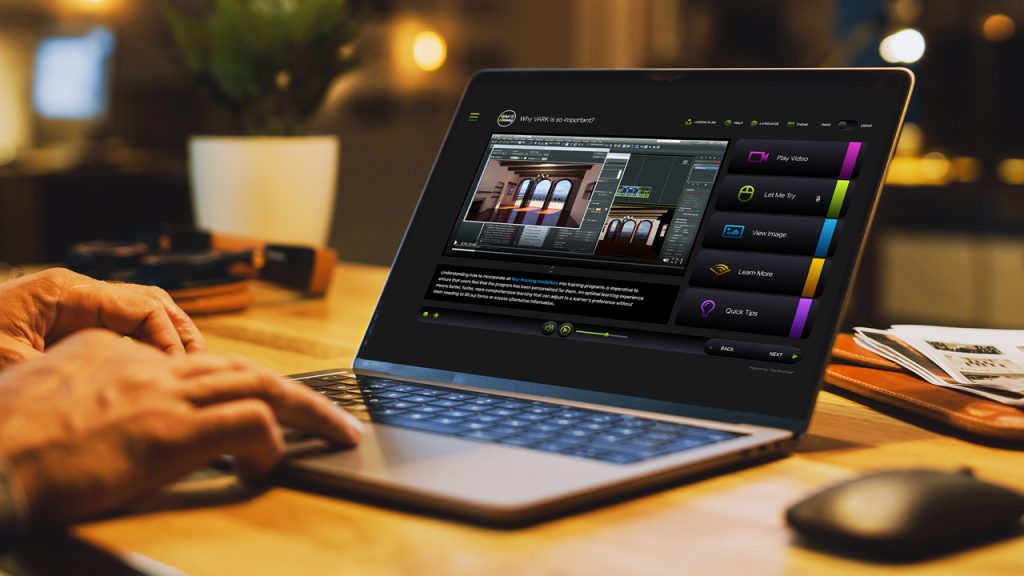
- Quick feedback on your performance: Most online quizzes offer immediate results, allowing learners to quickly identify their strengths and weaknesses.
- Wide range of topics covered: These platforms cover an extensive range of subjects, catering to diverse interests and professions.
- User-friendly interface: The ease of navigation ensures that even beginners can assess their skills without facing technical hurdles.
While this method is efficacious for novice learners, it’s crucial to understand that these tools might not always provide deep insights into practical applications or long-term development needs. Quizzes can measure knowledge retention but often fall short of evaluating skill application in complex, real-world contexts.
4. Learning Management Systems (LMS)
Learning Management Systems (LMS) like Moodle and Blackboard have drastically transformed skill assessment by offering a structured and comprehensive approach. These platforms allow organizations to design detailed assessments and integrate analytics tools for thorough progress tracking.
- Comprehensive modules with built-in assessments: Many LMS platforms offer in-depth courses tailored to specific fields, complete with embedded evaluations to test knowledge application.
- Progress tracking over time: Users benefit from systematic progress monitoring, which can help maintain momentum and motivation throughout their learning journey.
- Customized learning paths according to needs: LMS platforms enable personalized learning experiences by offering tailored content designed to meet individual developmental targets.
Despite their benefits, these systems may feel restrictive to some self-guided learners who prefer more flexibility and exploration in their learning process. The structured nature of LMS tools can sometimes limit spontaneous curiosity and the pursuit of tangentially related topics that promote holistic understanding.
3. Peer Review Platforms
Peer review platforms, such as Peergrade, offer learners the unique opportunity to engage with fellow students and gain diverse insights into their skills. By submitting work for peer evaluation, users can obtain constructive feedback that highlights blind spots and areas for improvement that might otherwise go unchecked.
- Fostering community learning: These platforms cultivate a collaborative learning environment where learners can share knowledge and experiences.
- Exposure to diverse feedback: Receiving input from various perspectives can lead to more rounded skill development and encourage openness to criticism.
- Encouraging critical thinking and reflection: Reviewing peers’ work challenges users to hone their critical thinking abilities and reflect on their own understandings.
However, relying entirely on peer assessments can introduce subjective bias, as feedback is heavily influenced by the reviewers’ personal perspectives and experience levels. Therefore, peer review is best used in conjunction with other skill assessment methods for a more balanced evaluation.
2. Interactive Skill Platforms
Interactive learning platforms, such as Skillshare and Udemy, are gaining traction among individuals eager to acquire new expertise. These platforms offer a multitude of courses accompanied by assessments at the conclusion of each module.
- Variety of courses across diverse fields: From technical skills to creative arts, these platforms cover an extensive array of topics suited for varied interests.
- Access to instructional content from experts: Learners have the benefit of engaging with material crafted by industry experts, offering insights and knowledge from experienced professionals.
- Opportunity to showcase your skills through project submissions: Practical projects help solidify learning and provide concrete demonstrations of acquired skills.
While these platforms are excellent for structured learning, the quality of assessment heavily depends on the course creators and the user’s commitment to engaging with the material. Some courses may offer more superficial evaluations, emphasizing content retention over application.
1. Personalized Learning Analytics
Topping our list are platforms that provide personalized learning analytics, such as Khan Academy and Coursera. These tools stand out for their ability to deliver tailored insights and adjust the learning trajectory based on individual progression data.
- Real-time progress tracking and feedback: Learners receive instant insights into their learning journey, facilitating immediate adjustments to their study strategies.
- Customizable learning paths to focus on personal goals: By analyzing user performance, these platforms recommend content catered to individual interests and needs.
- Adaptive learning strategies based on user data: Leveraging user data, these tools adjust instructional material to better suit the learner’s pace and comprehension level.
This level of personalization fosters deeper engagement and provides critical insights into areas requiring improvement. Such tools empower learners to take charge of their education, channeling focus and effort into areas with the greatest impact on their professional and personal growth.
In conclusion, embracing these online tools can vastly enhance your self-learning journey. Begin by exploring the option that most aligns with your learning style and objectives. As you experiment with these tools, you will see your skills evolve, making assessments a key component of your growth narrative.
This expanded article offers more detailed insights and elaborates on the benefits and considerations of each tool, providing readers with a comprehensive understanding of the landscape of online skill assessment tools.
| Category | Details |
|---|---|
| Accessibility | Online tools offer 24/7 access from any location, making it convenient for individuals to assess their skills at their own pace. |
| Cost-Effectiveness | Many online assessment platforms provide affordable or free options, eliminating the need for costly in-person evaluations. |
| Personalized Feedback | These tools often deliver instant feedback, allowing users to identify areas for improvement without delay. |
| Comprehensive Analytics | Online assessments can provide detailed analytics on performance trends, enabling better strategic planning for skill development. |
Frequently Asked Questions: Utilizing Online Tools for Effective Skill Assessment
What are the benefits of using online tools for skill assessment?
The use of online tools for skill assessment offers numerous advantages. They provide immediate feedback and can be accessed anytime, anywhere, making them a convenient option for both employers and employees. Online tools typically feature real-time data analytics, allowing for effective tracking and personalizing skill development plans. Moreover, they can easily integrate with other learning platforms to provide a comprehensive assessment experience.
How reliable are online skill assessment tools?
Online skill assessment tools are generally reliable due to their use of advanced algorithms and artificial intelligence to evaluate skills accurately. Reputable platforms update their algorithms regularly to reflect the latest industry standards. However, it is crucial to choose tools that have strong credibility and offer a robust verification process. Examining user reviews and case studies can provide additional insights into a tool’s reliability.
Can online assessments accurately measure practical skills?
While theoretical knowledge is assessed effectively through online tools, practical skills can be more challenging to evaluate. Some advanced tools incorporate simulations and interactive modules that allow candidates to demonstrate practical skills virtually. Although these methods continue to evolve, it is advisable to complement online assessments with real-world tasks when feasible to ensure a comprehensive evaluation.
What types of skills can be assessed online?
Online tools are versatile and can be used to assess a wide range of skills, from technical abilities such as coding and data analysis to soft skills like communication and leadership. They can also evaluate industry-specific skills, ensuring that the assessment aligns closely with job requirements. The adaptability of these tools allows them to cater to various fields and specialties.
Are there privacy concerns related to online skill assessments?
Privacy is a legitimate concern when utilizing online skill assessments. Reputable platforms prioritize data protection by adhering to strict privacy policies and employing encryption techniques to safeguard personal information. Users should be informed about how their data will be managed and shared. Always review the terms of service and privacy policies of the tools you choose to employ.
Conclusion
In today’s fast-paced digital world, utilizing online tools for effective skill assessment has become an essential strategy for individuals seeking to enhance and self-evaluate their proficiency in various domains. This approach transcends traditional methods, offering flexibility, accessibility, and a range of resources tailored to diverse learning needs. By integrating online assessments into your self-directed learning journey, you can benefit from immediate feedback, personalized learning paths, and a myriad of data-driven insights.
The article explored five key aspects of why online tools are indispensable for skill assessment: accessibility, technological advancement, personalized feedback, cost efficiency, and the comprehensive range of assessments available. These tools not only democratize learning but empower learners to track their progress efficiently, identify gaps in their knowledge, and adapt their learning strategies accordingly.
Moreover, online skill assessments can bridge the gap between theoretical knowledge and practical application, fostering deeper comprehension and skill mastery. With the aid of simulations, gamified assessments, and interactive platforms, learners are encouraged to engage more deeply with the material.
As the education landscape continues to evolve, individuals and organizations alike must consider leveraging these tools to remain competitive and proficient in their respective fields. By embracing technology-enhanced assessments, you are not just keeping pace with change but actively shaping your own educational journey.
Ultimately, the capacity to effectively assess and enhance skills through online tools is a vital component in how we learn and grow independently. Whether you’re a self-learner aiming to acquire new skills or an educator seeking innovative assessment methods, the potential benefits of online tools are immense and worth exploring. As we move forward, the integration of these tools will likely become more seamless and intuitively embedded in the fabric of self-directed education, making it an exciting frontier in lifelong learning.