Adaptation of Pets to Different Domestic Environments
Understanding Pet Adaptation
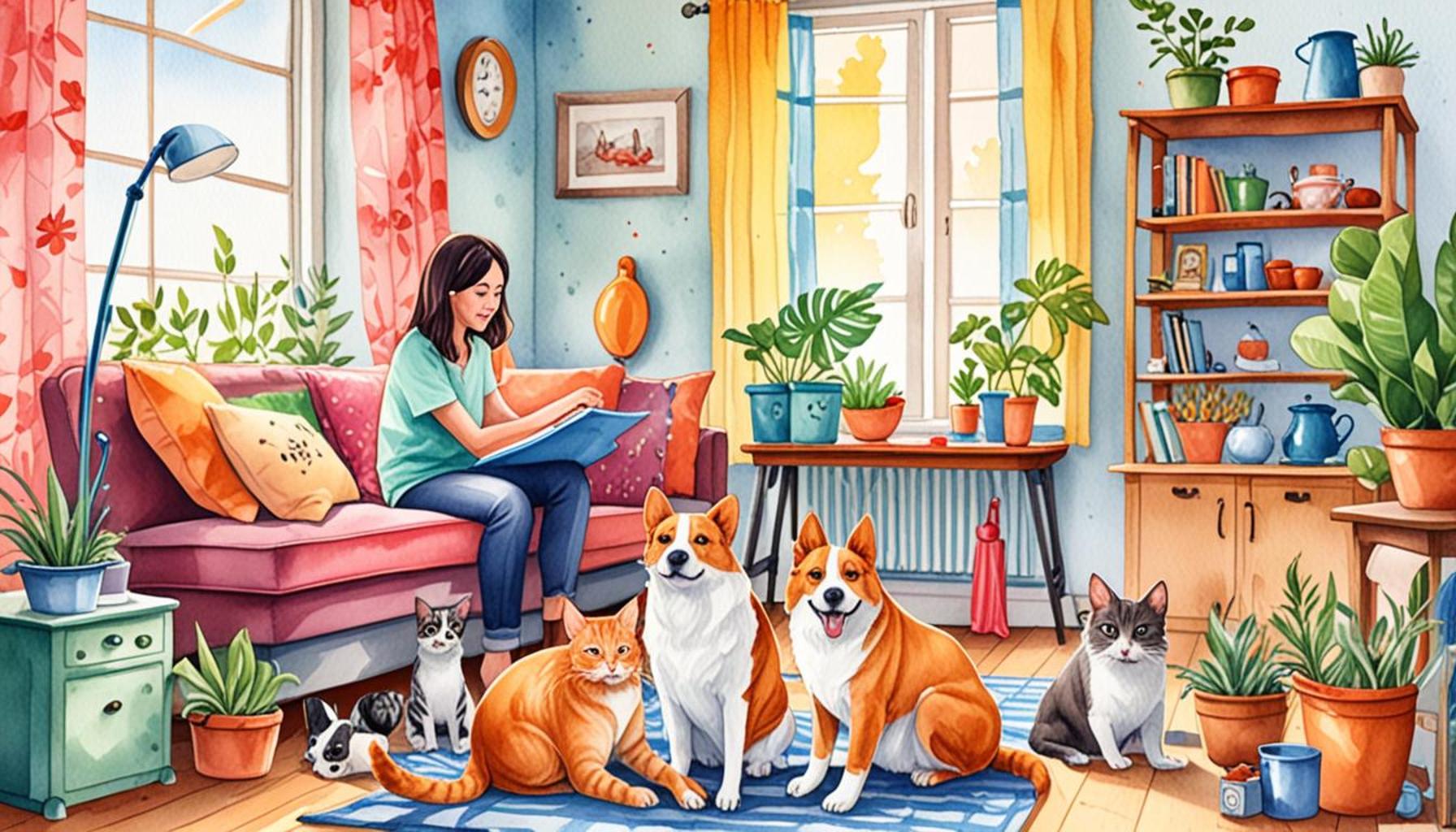
Pets are more than just companions; they are vital members of our families. Their ability to adapt to different domestic environments is truly remarkable. Whether it’s a bustling city apartment or a quiet country home, pets can adjust, but it often requires different considerations. The process can be complex, depending on the type of pet and the specific challenges they may face during the transition, as well as the love and support they receive from their humans.
Factors Influencing Adaptation
Many elements affect how pets acclimate to their surroundings, including:
- Space: The amount of living area available can influence a pet’s comfort. For example, a large dog may feel cramped in a small apartment, leading to restlessness and anxiety. Conversely, smaller pets like cats or rabbits may thrive in compact spaces, provided they have enough stimulation and vertical climbing options.
- Environment: Urban settings may present noise and unfamiliar sights, while rural areas may expose pets to wildlife. For instance, a dog used to city life might struggle with the sudden appearance of deer or other animals in a rural setting. Sounds that don’t phase country pets, like honking horns or sirens, can be bewildering for those new to city noise.
- Socialization: The presence of other pets and people plays a crucial role in their adjustments. Pets that are well-socialized prior to this transition tend to adapt faster. For example, an outgoing dog may thrive in a household with multiple pets, engaging with them through play, while a more timid pet might need gradual introductions to prevent overwhelming stress.
Understanding these factors is crucial for pet owners who aim to ensure a smooth transition for their furry friends. Not every pet will adapt in the same way, leading to a variety of adjustments based on their individual needs. Some pets may exhibit signs of anxiety, such as excessive barking or hiding, while others may adapt seamlessly. By recognizing common challenges, such as these behavioral changes, and identifying effective solutions, pet owners can enhance their pets’ quality of life in any living space.
Why It Matters
Adapting pets to different environments not only impacts their behavior but also their mental and physical well-being. For instance, pets that feel secure in their environment are less likely to engage in destructive behaviors, creating a peaceful home atmosphere. Insights into their adaptation processes can foster a harmonious home life, reducing stress for both pets and owners. Effective strategies—including establishing a routine, providing safe spaces, and engaging in regular play—will empower you to create a nurturing environment that meets your pet’s needs.
In conclusion, the journey of pet adaptation is as much about the humans involved as it is about the pets themselves. By investing time and effort into understanding the unique aspects of your pet and their reactions to new environments, you contribute significantly to easing their transition and enhancing their overall happiness and health.
DIVE DEEPER: Click here to discover the significance of natural habitats for your pet’s well-being
Adapting Pets to New Spaces
As families relocate or change their living situations, the adaptation of pets to different domestic environments becomes a significant consideration. Each household presents unique challenges and opportunities for your furry family members. Understanding how various factors influence adaptation can help pet owners create a nurturing environment that eases this transition. For instance, newly adopted pets or those transitioning from one environment to another may face various stresses as they navigate the changes around them.
Common Behavioral Adjustments
When pets move to a new environment, they often experience a range of emotional responses that can manifest in their behavior. Among the most common adjustments are:
- Changes in Sleep Patterns: Pets can react to their new spaces by altering their sleeping habits. Some may feel insecure and may want to stay close to their owners, leading to disrupted sleep for both humans and animals.
- Exploration and Curiosity: While many pets are naturally curious, a new home can provide an overwhelming amount of stimuli. Cats, for example, may spend more time hiding than exploring, as they adjust to the unfamiliar territory.
- Vocalization Changes: Increased barking, meowing, or even growling can indicate stress or discomfort. Pets with a strong attachment to their previous environment might vocalize their unease, seeking reassurance from their owners.
- Increased Aggression or Withdrawn Behavior: Some pets may feel threatened in new surroundings, leading to defensive behaviors. Others may retreat into themselves, becoming withdrawn or less active as they adapt to their new environment.
Recognizing these adjustments can aid pet owners in providing the necessary support during the transition. It’s crucial to understand that these behaviors often stem from anxiety related to the unfamiliar environment, rather than any inherent behavioral issues. Understanding how to interpret these signs plays a key role in making adaptation easier for your pets.
Environmental Enrichment
One effective strategy for enhancing pets’ adaptation to different domestic environments is to create a stimulating atmosphere that caters to their needs. Environmental enrichment includes a variety of activities and resources that can make the new space feel familiar and secure. Here are several suggestions to consider:
- Interactive Toys: Providing toys that require mental engagement can help alleviate stress and boredom.
- Safe Spaces: Designate areas where pets can retreat when feeling overwhelmed, such as cozy beds or crate spaces that offer comfort and security.
- Routine Establishment: Consistency is key. Regular feeding, playtime, and walks will help pets feel more secure in their new environment.
- Gradual Introductions: If there are other pets in the household, introduce them slowly to avoid overwhelming reactions and promote smooth social interactions.
By integrating these elements into their new surroundings, pet owners can significantly ease the adjustment process and foster a secure environment that encourages pets to thrive. Ultimately, understanding and addressing these challenges will contribute to a successful transition that benefits both pets and their humans.
Understanding Pet Adaptation to Domestic Environments
The process of adapting pets to various domestic environments is essential for their well-being and development. This adaptation can vary widely depending on the type of pet, the living conditions, and the human-animal interaction present. Understanding these dynamics is crucial for pet owners who want to ensure a harmonious living situation.
Pets possess unique capabilities for adjusting to new settings, but this process can often require patience and intentionality from their owners. For instance, dogs are typically more adaptable due to their social nature, often thriving in bustling households or even more rigid environments. On the other hand, cats, known for their sensitivity, may need gradual exposure to new surroundings to feel comfortable. This adaptability can be enhanced by creating a safe space, keeping their routine consistent, and incorporating familiar items like toys or bedding to ease their transition.
Furthermore, the individual characteristics of each species, including its temperament and history, play a significant role in how well a pet can adjust to a new domestic setting. For example, shelter animals may require more time and support to acclimatize than pets raised in stable environments. Thus, becoming attuned to the specific needs of your pet is an indispensable part of fostering their adaptation.
| Category | Details |
|---|---|
| Comfort Zones | Creating familiar spaces aids in soothing pets in new environments. |
| Socialization | Regular interaction with humans and other animals is pivotal for acclimatization. |
Moreover, living in urban settings may pose additional challenges for pet adaptation. Noise, crowded spaces, and smaller living quarters can be overwhelming. Understanding how these factors impact your pet can lead to better strategies for integrating them into city life. This may involve more frequent exercise and social outings to combat the stressors of urban living.
As we explore further, recognizing each pet’s unique personality traits can revolutionize our approach to their adaptation journey. Employing one-on-one bonding time, engaging in pet-friendly activities, and introducing gradual changes can lay the groundwork for a smoother transition into varied domestic settings.
DISCOVER MORE: Click here to find the perfect breed for you
Building Trust and Security
Another essential aspect of the adaptation of pets to different domestic environments is building a sense of trust and security. As pets explore their new surroundings, they often rely heavily on their owners for stability. By fostering an emotionally supportive atmosphere, owners can assist their pets in adjusting more effectively. Here are several strategies to help in this crucial phase:
Positive Reinforcement
Utilizing positive reinforcement techniques can greatly enhance your pet’s confidence in their new environment. Rewarding good behavior with treats, praise, or affection fosters a sense of security and helps pets associate their new home with positive experiences. For instance, when a dog explores a new room or a cat leaves its hiding spot to investigate, promptly rewarding these actions encourages further exploration. Studies show that positive reinforcement not only aids in building trust but can also reduce anxiety in dogs and cats, making them more adaptable to their new surroundings.
Familiar Items and Scent
Incorporating familiar items, such as blankets, toys, or bedding from the previous living situation, can be invaluable in easing the transition. Pets are highly attuned to scent, and having items that carry familiar smells can provide comfort and security. When introducing new items into the home, consider keeping their favorite toys close for the first few weeks. This connection to their previous home can significantly alleviate the anxiety that comes with a new environment, paving the way for gradual acclimatization.
Socialization Opportunities
Providing opportunities for socialization is crucial to the adaptation process. Engaging with other pets or inviting friends with pets over can expose your pet to new experiences and interactions, helping them develop social skills and boost their confidence. However, it’s essential to ensure that all introductions are done safely and gradually; sudden or overwhelming encounters can lead to heightened stress. A controlled environment where pets can meet and interact with each other in a relaxed manner reduces the potential for negative experiences.
Desensitization Techniques
Desensitization can effectively aid pets that are particularly anxious about new sounds or sights in their environment. Gradually exposing pets to stimuli that cause anxiety—like vacuum cleaners, doorbells, or household noises—in a controlled manner helps them learn that these sounds do not pose a threat. For example, playing recordings of common household sounds at a low volume while engaging your pet in play or offering treats can create a positive association, reinforcing their adaptability to the new environment. This methodical approach helps pets feel more at ease and less fearful in their unfamiliar settings.
Engaging with Pet Professionals
Consulting with a veterinarian or a pet behaviorist can also play a pivotal role in pets’ adaptation. These professionals can offer insights specifically tailored to your pet’s needs, addressing anxiety or behavioral issues that may arise during this transitional phase. Additionally, some veterinary offices provide resources on training workshops, support groups, or education courses for new pet owners, further facilitating a smooth adaptation process.
Ultimately, the adaptation of pets to different domestic environments is a multifaceted journey that incorporates emotional support, trust-building, and effective communication. By implementing thoughtful strategies to ease their anxiety and apprehension, pet owners can create an enriching atmosphere that allows their beloved companions to flourish in any setting.
DIVE DEEPER: Click here to learn why natural habitats matter
Conclusion
In conclusion, the adaptation of pets to different domestic environments is a crucial aspect of ensuring their well-being and happiness. As discussed, this process involves a blend of emotional support, socialization, and gradual desensitization to new sights and sounds. Understanding your pet’s individual needs and personality traits is essential for creating a nurturing environment that mirrors the comfort of their previous home.
Utilizing techniques such as positive reinforcement, providing familiar items, and encouraging social interactions all contribute to building a strong foundation of trust and security. It is vital for pet owners to acknowledge that each animal is unique, and thus, patience is key during the adaptation stage. Moreover, engaging with pet professionals can provide tailored strategies that enhance the overall adaptation process, addressing specific behaviors or anxieties.
As the bond between humans and their pets deepens, the importance of providing a stable and loving environment cannot be overstated. Through proactive measures and continued dedication, pet owners can help their furry companions navigate the complexities of their new settings. More than simply adjusting to a new house, pets deserve the opportunity to thrive emotionally and mentally, ensuring that their transitions are not just successful, but enriching experiences. Ultimately, an understanding and compassionate approach to the adaptation of pets can lead to a harmonious household that benefits both pets and owners alike.