How Breed Selection Can Influence Training Behavior and Obedience in Pets

Understanding the Impact of Breed Selection
When embarking on the journey of training a pet, one factor that cannot be understated is the role of breed selection. Different breeds possess unique traits that significantly influence their capacity for learning, behavior, and adaptability to various training methods. A comprehensive understanding of these breed-specific characteristics can guide prospective pet owners to choose companions that align with their lifestyle and training ambitions, ensuring a rewarding experience for both the pet and the owner.
Key Considerations in Breed Selection
Several essential factors shape the way breed selection impacts training behavior:
- Intelligence: Breeds like Border Collies and Poodles are often celebrated for their exceptional intelligence and trainability. For instance, Border Collies rank at the top of intelligence surveys and can learn complex commands within minutes. This high learning capacity allows owners to pursue advanced training such as agility or obedience competitions.
- Temperament: The innate personality of a breed can also play a pivotal role in training. Golden Retrievers, known for their friendly and eager-to-please nature, often excel in obedience training. Their gentle disposition makes them excellent therapy dogs, showcasing how temperament translates into trainability.
- Energy Levels: Breeds with high energy, like Labrador Retrievers and Dalmatians, demand structured training sessions that incorporate physical activity to maintain focus. For example, a poorly exercised high-energy dog may develop behavioral issues, making training exponentially more difficult.
- Socialization Needs: Some breeds, such as Bulldogs, may struggle with adapting to social environments, which can impact training. It’s crucial that owners recognize these needs; breeds with lower social instincts might require more dedicated socialization efforts to develop well-rounded behavior.
The Connection Between Breed and Training
The complex interplay between breed characteristics and training methodologies reveals that not all approaches yield the same results across different breeds. For instance, while positive reinforcement often works well with eager-to-please breeds, such as Retrievers, dogs prone to stubbornness, like some terrier breeds, may respond better to firm and structured discipline. This raises the importance of recognizing breed-specific traits and adapting training strategies accordingly.
Ultimately, understanding your pet’s breed characteristics is vital for effective training and establishes realistic expectations for both the pet and owner. By acknowledging these nuances, pet owners can create a more enjoyable training experience, ultimately fostering a stronger bond with their furry companions. Armed with knowledge about breed-specific needs and behaviors, you can embark on training with clarity and confidence, paving the way for a harmonious relationship.
DISCOVER MORE: Click here for valuable training tips
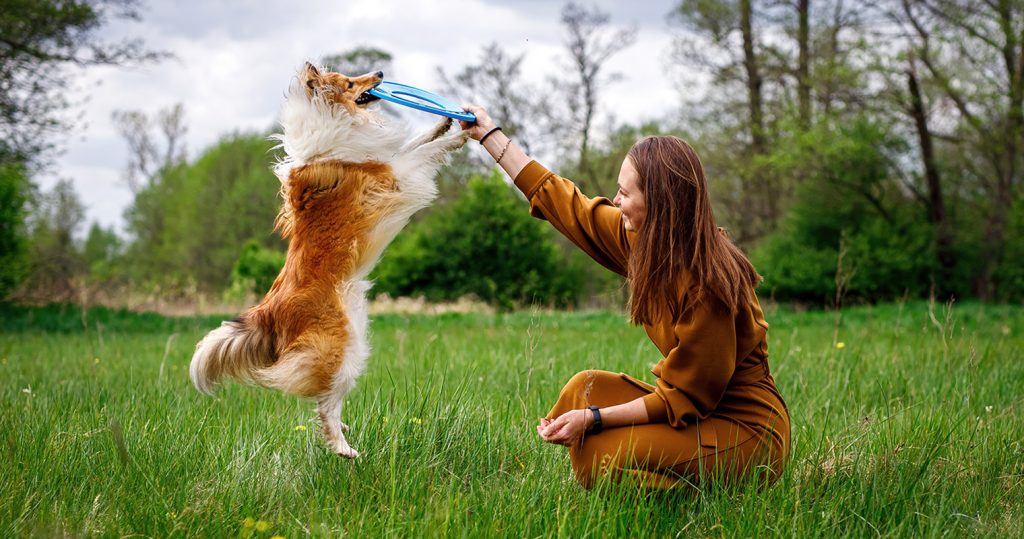
Unpacking Breed-Specific Learning Styles
Understanding how different breeds learn and respond to training techniques is crucial for any pet owner looking to cultivate good behavior and obedience in their furry companions. The inherent qualities that each breed brings to the table can significantly influence training success, and recognizing these can make all the difference in achieving a well-behaved pet. Here, we delve into several pivotal aspects of how breed selection impacts training behavior.
Intelligence Variations Across Breeds
A breed’s intelligence can often dictate how quickly they can learn commands and routines. Breeds such as German Shepherds and Golden Retrievers are not only highly intelligent but also eager to engage with humans, making them strong candidates for training in various disciplines. In contrast, breeds like Bulldogs may not exhibit the same level of innate intelligence, but their unique personality traits suggest that they require a different approach. As an example, while a German Shepherd might swiftly learn new tricks, a Bulldog may need repetitive training methods and extended patience from their owners to master commands.
Responding to Training Techniques
Different breeds often respond uniquely to various training techniques, illustrating the need for tailored approaches. For instance:
- Positive Reinforcement: Breeds that are more food-driven, such as Labrador Retrievers, thrive on positive reinforcement methods. Treats and praises can motivate them to repeat good behaviors and learn new commands quickly.
- Firm Discipline: Breeds known for their stubborn tendencies, like Irish Setters or certain Bulldog varieties, often require a more assertive training style. A firm but fair approach helps to set clear boundaries, which they need to understand their roles within the household.
- Play-Based Learning: Highly energetic breeds, such as Border Collies or Australian Shepherds, can benefit from incorporating play into training sessions. Engaging their playful nature makes learning fun and maintains their focus, facilitating better retention of commands.
Behavioral Traits Shaping Training Success
Beyond intelligence and training responses, inherent behavioral traits can play a crucial role in determining the ease of training. Breeds with high sociability, such as Beagles or Poodles, are typically easier to train in settings involving distractions, as their social nature allows them to adjust more readily. Conversely, more independent breeds, such as Basenjis, may require more structured training environments and consistent patience from their owners, as they are less inclined to seek approval compared to their sociable counterparts.
Ultimately, understanding these breed-specific training behaviors not only enhances the bond between pets and their owners but also instills a sense of confidence in training techniques. By acknowledging and respecting the intrinsic qualities of a chosen breed, potential pet owners can set themselves and their pets up for success, paving the way for a more harmonious coexistence.
| Training Style | Breed Characteristics |
|---|---|
| Positive Reinforcement | High motivation in breeds like Golden Retrievers |
| Consistency in Commands | Obedience in Working breeds such as German Shepherds |
As we delve deeper into the intricate relationship between breed selection and training behaviors, it becomes evident that certain breeds possess inherent traits that directly influence their responsiveness to various training methodologies. For instance, breeds known for their high intelligence and eagerness to please, such as Border Collies and Labrador Retrievers, often thrive under positive reinforcement techniques, which emphasize reward over punishment. This method capitalizes on their natural motivation, leading to effective habit formation during training.Conversely, breeds like the Rottweiler or Doberman are more responsive to a structured and consistent approach, where consistency in commands helps solidify their understanding of obedience. These breeds often require a skilled handler who can provide the necessary leadership and guidance. Furthermore, understanding the specific breed characteristics can enhance communication between the trainer and pet, making the training process smoother and more successful. By identifying the unique traits of various breeds, trainers can tailor their strategies, resulting in improved obedience and a more harmonious relationship between pets and their owners.
DIVE DEEPER: Click here to discover the importance of natural habitats for pets
Temperament and Socialization: Key Influencers of Training
The unique temperament of a breed significantly dictates how they interact with training practices and their ability to assimilate into their owners’ lifestyles. Temperament, which encompasses emotional stability, energy levels, and social tendencies, shapes not only obedience but also how effective training sessions will be. A dog’s temperament can vary dramatically even within breeds, but established patterns can guide owners in optimizing training strategies.
The Role of Socialization in Training Success
Socialization, the process of exposing pets to different environments, people, and experiences, is particularly impactful for training behavior. Breeds known for their friendly dispositions, like Cavalier King Charles Spaniels and Boxers, tend to adjust well to new settings and challenges during training. Their naturally outgoing personalities allow them to learn commands in more dynamic environments, which often enhances their responsiveness. In contrast, breeds with a more reserved or cautious nature, such as Shiba Inus and Chihuahuas, may require gradual acclimatization to various stimuli. For these breeds, positive exposures can help reduce anxiety, ultimately leading to smoother training experiences.
Energy Levels and Learning Capacity
Another consideration is how a breed’s energy levels can influence their training approach. High-energy breeds such as Vizslas and Jack Russell Terriers may struggle to maintain focus during lengthy training sessions due to their exuberance. Short, engaging bursts of training interspersed with physical activities can enhance their learning process. For moderately active breeds like English Bulldogs, focusing on mental stimulation through puzzle games or short training activities can produce better results, keeping them attentive and motivated throughout the training experience. Understanding these differences allows owners to tailor their sessions, making training a more enjoyable process for both themselves and their pets.
Adaptation to Training Environments
The ability to adjust to different training environments is often linked to a breed’s inherent instincts. Breeds bred for working or herding, like Australian Cattle Dogs, often possess strong instincts and a willingness to engage, making them highly trainable in varied surroundings. On the other hand, a breed like the Basset Hound, with its strong scent-driven instincts, may require more structured environments to curb distractions and focus on training tasks. Adaptability can significantly alter the effectiveness of training sessions; thus, setting the right stage for learning is just as important as the methods employed.
Real-World Applications of Breed Understanding
When adopting or training a pet, understanding these nuances can improve outcomes. For instance, an aspiring owner of a Cocker Spaniel should prepare for more frequent socialization opportunities and interactive training sessions, while a potential Afghan Hound owner might focus on building patience and employing consistent reinforcement techniques. Additionally, leveraging local classes or training groups that consider breed characteristics can enhance not only individual learning but also allow for social group acclimatization, benefitting both the pet and owner.
In summary, the complex interplay of temperament, energy levels, and socialization in determining training engagement and obedience cannot be overstated. Recognizing these breed-specific traits not only cultivates a better training atmosphere but also solidifies the human-animal bond that is foundational for every pet household.
DIVE DEEPER: Click here to discover how pets can enhance your well-being
Conclusion: Maximizing Training Success Through Breed-Specific Insights
In light of the various factors influencing training behavior and obedience, it becomes evident that breed selection plays a pivotal role in shaping a pet’s learning journey. Understanding the inherent temperaments, energy levels, and socialization needs of different breeds allows pet owners to tailor their training approaches effectively. For instance, breeds such as Labrador Retrievers, known for their eagerness to please, may flourish under consistent commands and praise, while more independent breeds like the Basenji might require a blend of patience and creative training methods to achieve desired behaviors.
Moreover, recognizing that high-energy breeds necessitate shorter, more dynamic training sessions, while low-energy breeds thrive on mental challenges and calm environments, can significantly enhance the training experience for both pets and their owners. Such insights not only support better training outcomes but also help in nurturing a strong bond between the human and animal that is crucial for a harmonious life together.
As prospective pet owners navigate breed selection, they should consider not just aesthetics but the robust behavioral and training functionalities that different breeds offer. By melding a solid understanding of breed characteristics with personalized training strategies, pet owners can unlock their pets’ full potential, fostering responsible ownership and lifelong companionship. For those looking to delve deeper into this subject, exploring resources on breed behavior and training techniques can provide a wealth of knowledge, further enriching the pet ownership experience.