How Functional Nutrition Can Help Manage Chronic Diseases in Pets
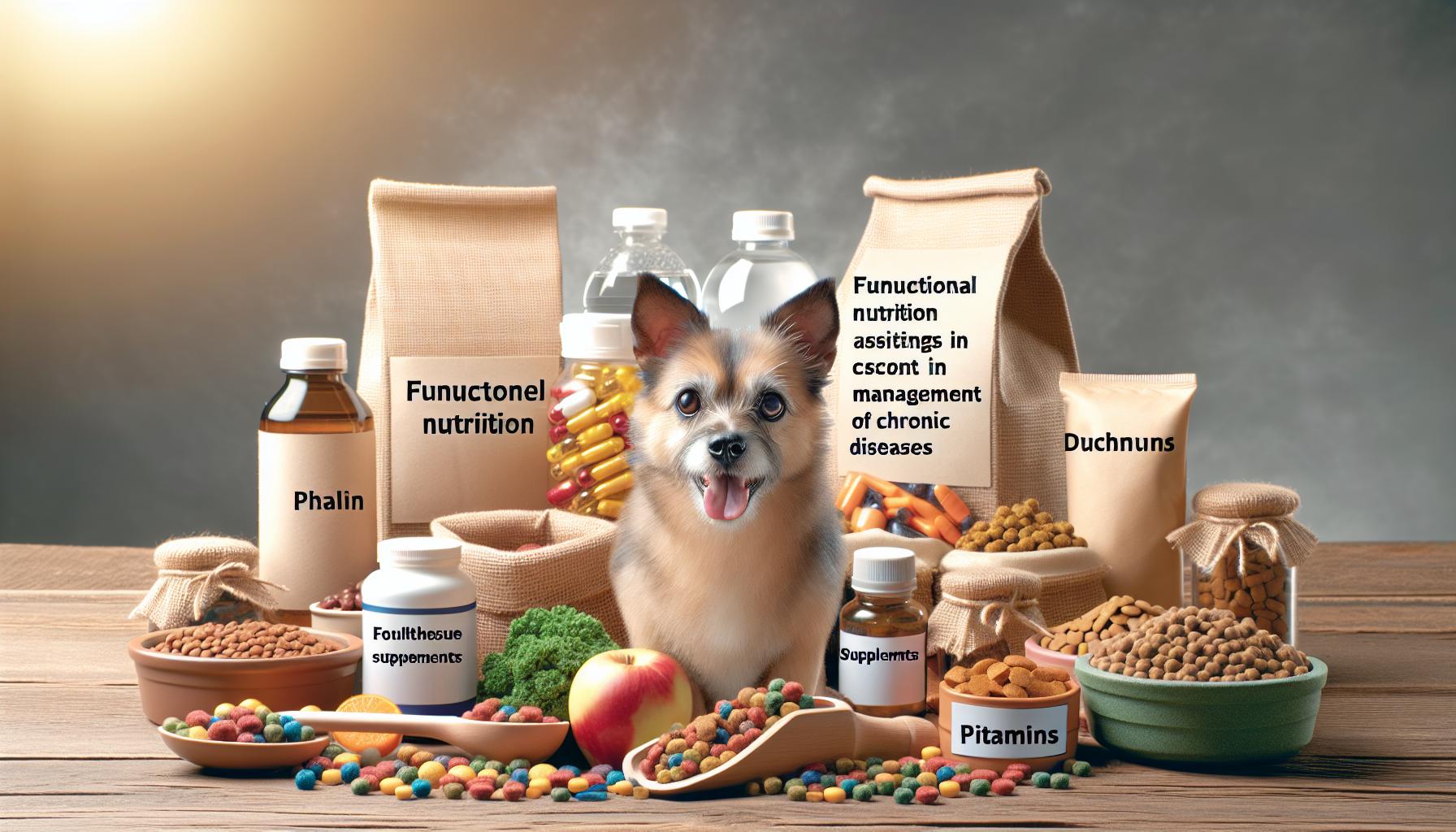
The Role of Functional Nutrition in Pet Health
Pet owners often find themselves grappling with the challenges posed by chronic diseases in their beloved companions. These conditions can range from diabetes and obesity to kidney disease and allergies. While conventional treatments can help manage symptoms, they may not address the underlying health issues, leaving many pet owners seeking alternative solutions. Fortunately, a transformative approach known as functional nutrition is gaining traction among veterinarians and pet owners alike, providing a thorough and holistic method to enhance pet health.
This holistic method emphasizes the importance of whole foods and their role in overall health. Instead of relying exclusively on processed pet foods that might be loaded with fillers, functional nutrition focuses on nutrient-dense options, such as lean proteins, fruits, vegetables, and healthy fats. For example, a diet rich in omega-3 fatty acids, found in fish and flaxseed, can help manage inflammation, a common issue in pets suffering from chronic conditions.
By honing in on the specific nutritional needs of pets, functional nutrition aims to:
- Support the immune system – Certain nutrients like vitamins C and E, and minerals such as zinc and selenium, play a crucial role in enhancing immune response. This is particularly vital for pets with weakened immune systems due to chronic illnesses.
- Reduce inflammation – Incorporating foods rich in antioxidants and anti-inflammatory compounds can significantly improve the health outcomes for pets suffering from conditions like arthritis or allergies.
- Improve metabolic function – Functional nutrition promotes a diet that stabilizes blood sugar levels, especially important for pets with diabetes. This can involve regulating carbohydrate intake while focusing on high-quality protein sources.
- Enhance digestion – Probiotics and prebiotics, often found in fermented foods, can help support gut health, aiding in nutrient absorption and overall digestive function for pets plagued by gastrointestinal issues.
Unlike traditional diets, which may simply manage symptoms, functional nutrition seeks to address the root causes of chronic conditions. A balanced regimen that includes an abundance of vitamins, minerals, and quality proteins can significantly impact a pet’s quality of life. For instance, various studies have indicated that dogs on functional diets exhibit improved energy levels, a shinier coat, and decreased frequency of illnesses.
Let’s explore how functional nutrition can serve as an effective strategy in managing chronic diseases, offering pet owners not just hope, but real solutions that foster longevity and vitality for their furry friends. As we continue to learn more about the direct link between nutrition and health, it’s vital for pet owners to consult with a veterinarian specializing in nutrition to create a customized plan tailored to their pet’s individual needs. This proactive approach not only enhances the pet’s lifespan but also improves their quality of life, ensuring that their tail-wagging days are far from over.
Understanding the Basics of Functional Nutrition
Functional nutrition pivots on the idea that food is not merely sustenance; it is powerful medicine that can heal and protect. For pets battling chronic diseases, this approach becomes vital, aiming to nourish their bodies while addressing the root of their ailments. The focus is shifted from simply providing adequate calories to delivering a balanced spectrum of nutrients that promote health at every level.
At the heart of functional nutrition is the concept of using whole, unprocessed foods rich in vitamins, minerals, and phytonutrients. The introduction of nutrient-dense ingredients helps pet owners formulate diets tailored to their furry friends’ specific health needs. For example, while dogs and cats can thrive on traditional kibble, many chronic conditions can be alleviated by incorporating whole ingredients like sweet potatoes, carrots, or quinoa, which are known for their anti-inflammatory and antioxidant benefits.
Key Components of Functional Nutrition for Pets
Implementing functional nutrition involves various strategies that target specific health concerns. Here are some key areas where tailored nutrition can make a significant impact:
- Customized Diet Plans – Every pet is unique, and their diets should reflect that. Veterinary nutritionists can help design meal plans that address individual health challenges, be it diabetes management or skin allergies.
- Ingredient Quality – Focus on sourcing high-quality, fresh ingredients that are free of artificial preservatives and fillers. The value of whole food ingredients like fresh fruits and vegetables cannot be overstated, as they provide a rich source of essential nutrients.
- Meal Frequency and Portions – Understanding how often and how much to feed is crucial. Regular small meals can help regulate blood sugar levels for pets with diabetes, while proper portion sizes can prevent obesity.
- Monitoring and Adjusting – Successful functional nutrition is not a set-it-and-forget-it approach. Continuous monitoring, which can include regular vet check-ups and adjusting the diet as needed, is paramount for managing chronic diseases.
Additionally, studies have shown that implementing functional nutrition can lead to remarkable improvements in a pet’s health status. For instance, an increase in dietary fiber can aid in weight management and improve digestive health while the inclusion of probiotics fosters a robust gut microbiome, essential for overall wellness.
Incorporating herbs and supplements, such as turmeric or glucosamine, can further provide anti-inflammatory properties and support joint health, especially for older pets or those suffering from arthritis. By blending science with nutrition, pet owners can harness the healing properties of food to extend their companions’ lives and enhance their everyday experiences.
As we dive deeper into the world of functional nutrition, it becomes increasingly clear why this holistic approach is crucial for managing chronic diseases in pets. The shift from traditional diets to more customized, nutrient-rich alternatives should be seen as a proactive step toward fostering longevity and vitality for our furry companions.
| Category | Benefits |
|---|---|
| Customized Diet Plans | Tailored dietary recommendations address specific health issues, improving the pet’s overall well-being. |
| Improved Nutrient Absorption | Functional nutrition enhances metabolic functions, allowing pets to better utilize nutrients for healing. |
In the context of managing chronic diseases in pets, customized diet plans play a crucial role. Unlike generic pet foods, these plans account for the individual health needs of a pet. For example, a dog diagnosed with diabetes may benefit from a low-glycemic diet, while a pet suffering from kidney disease may require a diet lower in protein and phosphorus. These tailored recommendations can lead to significant improvements in health, energy levels, and overall quality of life.Additionally, improved nutrient absorption is another invaluable benefit of functional nutrition. Many pets with chronic diseases suffer from conditions that impair digestion and nutrient uptake. By focusing on whole foods and nutrient-dense ingredients, functional nutrition not only supports the body’s healing processes but also optimizes metabolic functions, which is essential for pets battling chronic issues. Implementing such nutritional strategies may significantly boost a pet’s resilience and enhance the daily living experience. Understanding how functional nutrition can substantially influence a pet’s health opens new avenues for managing chronic conditions effectively.
Holistic Approaches to Functional Nutrition
Beyond simply customizing diets and incorporating high-quality ingredients, functional nutrition also embraces holistic approaches that consider the entire well-being of pets. Recognizing that health encompasses not only the physical but also the mental and emotional facets of a pet’s life can lead to a more comprehensive care strategy. This perspective creates a synergy between nutrition, lifestyle, and overall quality of life.
Understanding the Gut-Brain Connection
An often-overlooked aspect of pet health is the connection between the gut and the brain, known as the gut-brain axis. Emerging research indicates that gut health significantly influences behavior and mood in animals. This means that a well-balanced diet rich in probiotics, fiber, and nutrients can not only aid in physical health but also contribute to improved emotional well-being. Functional nutrition focuses on nurturing the gut microbiome, helping pets feel calmer and more balanced, which is especially crucial for pets with chronic stress or anxiety related to their illnesses.
Incorporating Nutritional Supplements
While a foundational diet of whole foods is important, many pets with chronic diseases may also benefit from targeted nutritional supplements. For example, omega-3 fatty acids, sourced from fish oil or flaxseed, are known for their anti-inflammatory properties and can be particularly beneficial for pets suffering from arthritis or skin conditions. Furthermore, supplements like glucosamine can aid in joint health, while antioxidants such as vitamin E support the immune system.
Pet owners should work closely with veterinarians or veterinary nutritionists to determine which supplements, if any, are appropriate for their pet’s unique needs. As some ingredients can interact with medications, ensuring a carefully monitored approach is essential for success.
The Role of Hydration in Functional Nutrition
Hydration is another crucial element often neglected in discussions about functional nutrition. Pets suffering from chronic diseases such as kidney disease or diabetes may have different hydration needs compared to healthy pets. Providing access to fresh, filtered water, incorporating hydrating foods such as watermelon or cucumber, and even considering homemade bone broth as a feeding supplement can enhance hydration and overall wellness. Dehydration can exacerbate many chronic health issues, making it a key focus in any dietary plan.
The Importance of Regular Vet Consultations
Continuity in care is essential when managing any chronic condition. Regular consultations with a veterinarian ensure pet owners can tailor their pets’ diets in alignment with their evolving health needs. Monitoring progress through consistent check-ups allows for necessary dietary adjustments and reinforces a team approach between the veterinarian, owner, and, of course, the pet.
As pet owners become more aware of the body’s multifaceted approach to nutrition, the possibilities for managing chronic diseases become broader and more effective. Functional nutrition not only empowers pet owners to take an active role in their pet’s health, but it also opens up new avenues for improved quality of life, longevity, and perhaps even the prevention of future health issues that could arise. The time to reevaluate what goes into our pets’ bowls and understand the incredible potential of functional nutrition is now.
Conclusion
In conclusion, functional nutrition presents a promising and holistic approach to managing chronic diseases in pets. By focusing on specific dietary strategies, understanding the intricate gut-brain connection, and incorporating targeted nutritional supplements, pet owners can contribute significantly to their furry companions’ health and well-being. The recognition that optimal nutrition encompasses not only the physical but also the emotional needs of pets leads to a more comprehensive care strategy that can alleviate symptoms and enhance the quality of life.
Moreover, it is essential to underline the critical role of hydration and regular veterinary consultations in this process. These elements ensure that each pet’s nutritional plan is tailored to address their unique health challenges effectively. By fostering strong communication with veterinary professionals, pet owners can remain proactive in adapting their pets’ dietary needs over time, maximizing the potential for recovery and prevention of further health issues.
Ultimately, as we continue to explore the depth of functional nutrition’s impact on pet health, it becomes clear that our choices in feeding can lead to remarkable transformations. Pets may thrive not just in their physical capacity but also in emotional stability when nourished holistically. For those passionate about their pet’s longevity and vitality, the time to embark on this journey toward improved nutrition and wellness is now. Discover the potential benefits of functional nutrition and take proactive steps in enhancing your pet’s life today.