How to Choose the Ideal Pet for Adoption: Tips for Finding the Perfect Companion

Finding Your Perfect Companion
Bringing a pet into your home is more than just a decision; it’s a commitment that brings joy, companionship, and responsibility. With countless animals in need of loving homes, choosing the right pet can seem daunting. However, with the right tips and knowledge, you can find your ideal match.
Why Adoption Matters
Adopting a pet saves lives and provides them with much-needed comfort. There are numerous compelling reasons to consider adoption:
- Every adoption makes a difference – By choosing to adopt, you are providing an animal with a safe environment, shelter, and love, ultimately giving them a second chance at life. Organizations like the ASPCA and local humane societies work tirelessly to rescue pets from shelters and situations of neglect. This kind of compassionate choice fosters a cycle of hope, encouraging others to consider adoption.
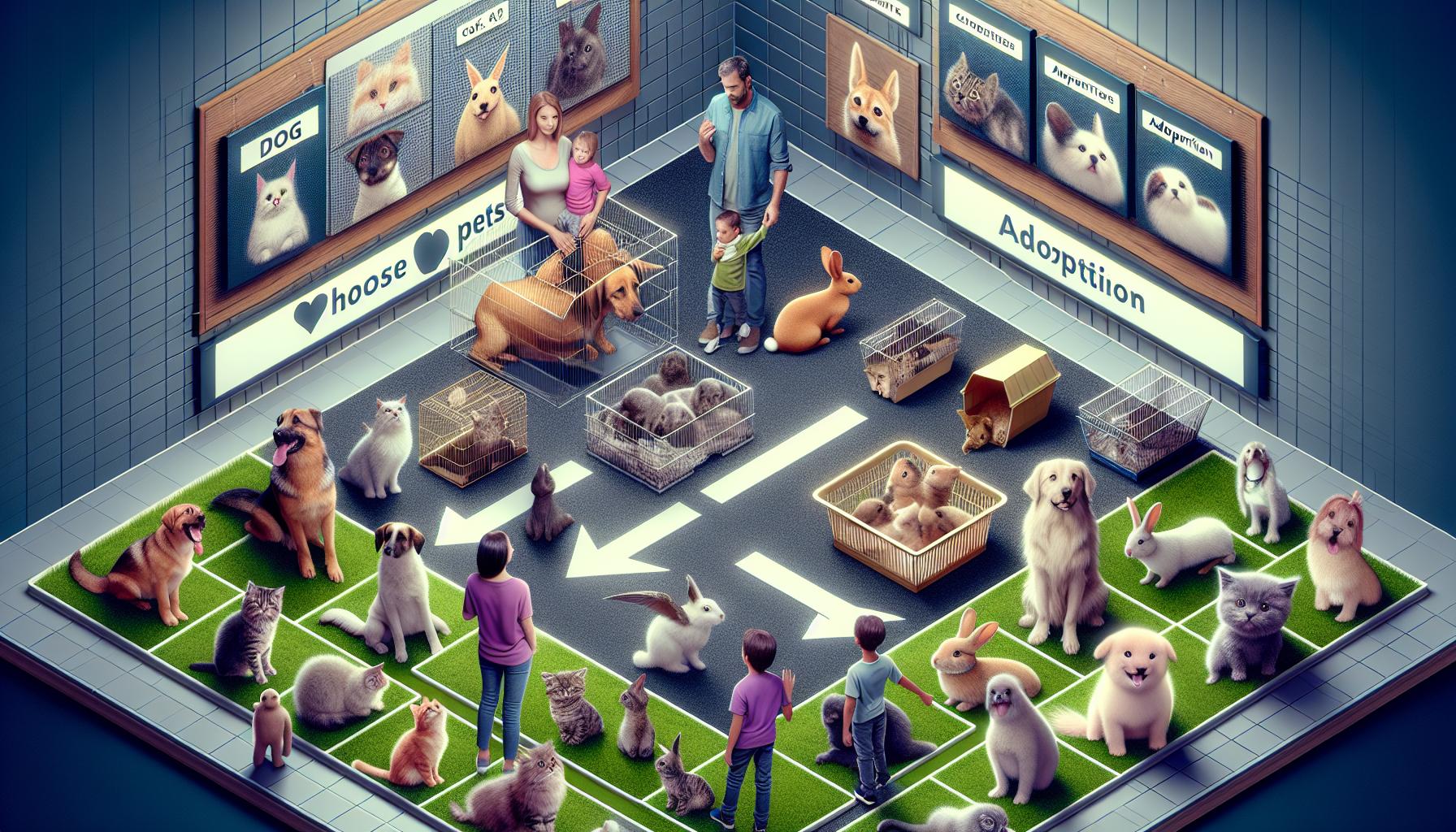
- Variety of options – The range of adoptable pets is extensive. Whether you are drawn to the exuberance of a Labrador, the affectionate purring of a Persian cat, or even the curious antics of a rabbit or guinea pig, you will find a plethora of choices. Many shelters offer “meet and greet” sessions, allowing potential adopters to interact with various animals and make an informed decision.
- Support local shelters – The fees associated with adoption often go towards the care of other animals in the shelter, paying for food, medical care, and rehabilitation. Supporting these organizations not only helps individual animals but also reinforces the overall enrichment of your community.
What to Consider
Choosing the right pet involves reflecting on several important factors. Here are key aspects to think about:
- Living Space – Consider the size of your home and yard, as some pets require more room to thrive. For example, large breeds like Great Danes might need extensive space to move comfortably, while smaller animals such as hamsters or cats can adapt well to apartments.
- Activity Level – Evaluate your lifestyle. Are you an active individual who enjoys outdoor adventures? If so, a high-energy dog like a Border Collie may be a perfect match. Conversely, if you prefer a more relaxed lifestyle, a less active breed or an older cat may provide the perfect amount of companionship without the demand for excessive exercise.
- Allergies – Be mindful of any allergies that may affect your choice of pet. Some breeds, like Poodles or Bichon Frises, are known to be more hypoallergenic, making them suitable for individuals with sensitivities.
With various elements to consider, making an informed decision can lead to a fulfilling relationship with your new furry friend. Take time to reflect on your home environment and personal lifestyle, and don’t hesitate to seek advice from local shelters or veterinarians. Explore these tips as you embark on this rewarding journey of finding your perfect companion!
DISCOVER MORE: Click here to learn about positive reinforcement techniques
Factors to Help You Make the Best Decision
Choosing a pet is a thrilling journey, but it requires careful consideration of various factors that align with your lifestyle and the needs of the animal. Understanding these components is crucial for fostering a lasting bond with your new companion.
Time Commitment
Every pet demands a certain amount of time, which varies greatly depending on the species and individual temperament. Dogs, especially, require daily exercise, training, and social interaction. On average, dogs need at least 30 minutes to 2 hours of exercise each day, depending on their breed and energy level. Conversely, cats are often more independent and may only need playtime and interaction a few times a day.
Pet’s Lifespan
When adopting a pet, it’s important to consider their lifespan, as this is a long-term commitment. Depending on the type of pet, you could have a companion for several years, even decades. Here are some average lifespans for common pets:
- Dogs: 10-15 years, though some smaller breeds can live longer.
- Cats: 12-20 years, with many living well into their late teens.
- Rabbits: 8-12 years, making them a long-term addition to the family.
- Guinea Pigs: 5-8 years, a gentle and social choice for families.
Understanding these timelines will help you gauge whether you are prepared for such an enduring responsibility, allowing you to plan for the future alongside your potential pet.
Financial Responsibility
While the initial adoption fee can be significantly lower than buying a pet from a breeder, owning a pet comes with ongoing costs that vary by species and size. Some key expenses include:
- Food: Quality pet food is essential for a pet’s health, and the costs will vary depending on the size and dietary requirements of your animal.
- Routine Veterinary Care: Regular check-ups, vaccinations, and emergency care can add up. On average, expect to spend between $200 to $400 annually.
- Supplies: Items such as leashes, collars, litter boxes, scratching posts, and toys represent additional upfront and ongoing costs.
Considering these aspects of pet ownership can help you understand the financial commitment you’ll need to sustain throughout your pet’s life.
Compatibility with Family Members
It’s vital to take into account the needs and personalities of everyone in your household when deciding on a pet. Not all pets are suited for every environment or family dynamic. When discussing potential pets with your family, consider:
- Children’s Ages: Younger children may mesh well with playful pets like puppies or kittens, while older children might prefer more independent animals.
- Other Pets: If you have existing pets, compatibility is key. Some pets may not get along well, leading to stress for all involved.
- Allergy Considerations: As previously mentioned, allergies can play a significant role in your choice. Make sure to discuss this with your family members to find the most suitable option.
Taking the time to assess these elements will not only ease the transition for your new pet but will also enhance the overall harmony of your household. Remember, this process isn’t simply about finding a pet that looks cute; it’s about finding a genuinely harmonious fit for both your family and your new companion.
Choosing the ideal pet for adoption is a journey that requires careful consideration and understanding of your lifestyle and the needs of various animals. Before you make a commitment, it’s essential to evaluate several key factors that will help guide your decision.Firstly, assess your living environment. If you live in a small apartment, a small dog, cat, or even a small pet like a rabbit or guinea pig may be a more suitable choice. Larger breeds or more energetic pets typically require more space to thrive. Additionally, consider whether your home has a yard, access to parks, or if you will need to provide regular exercise elsewhere.Another critical aspect is your schedule. Pets require time, attention, and social interaction. If you work long hours or travel frequently, certain breeds may not adapt well to loneliness. Research the energy levels and companionship needs of the animal you’re considering. For instance, some dog breeds are highly active and need daily exercise, while cats can often be more independent.It’s also crucial to consider family dynamics. If you have young children or other pets, some breeds are more tolerant than others. Search for pets that are known to be good with kids or other animals, ensuring a harmonious environment.Additionally, be aware of the financial commitment involved in pet ownership. Besides adoption fees, factor in food, healthcare, grooming, and potential training costs. Pets can be a long-term commitment, sometimes spanning over a decade, so being prepared for these responsibilities will ensure that you provide a stable home for your new companion.Lastly, explore local animal shelters and rescues. Many organizations conduct assessments to match potential adopters with suitable pets, helping you find the right fit based on your lifestyle and preferences. Adopting from a shelter not only gives an animal a home but also contributes to reducing the overall stray population.As you embark on the wonderful adventure of pet adoption, remember to take your time and gather all necessary information. The perfect companion is waiting for you, but ensuring a mutual fit is essential for a happy life together.Now, to help summarize the vital aspects of choosing the perfect pet for adoption, here’s a well-organized table highlighting key categories and their respective benefits:
| Category | Benefits |
|---|---|
| Living Environment | Choosing a pet based on space availability ensures comfortable living. |
| Schedule Compatibility | Understanding time requirements helps prevent pet anxiety. |
| Family Dynamics | Selecting pet breeds that are family-friendly fosters positive interactions. |
| Financial Commitment | Budgeting prepares you for long-term pet care responsibilities. |
| Shelter Adoption Benefits | Rescue organizations often match you with the ideal pet. |
DISCOVER MORE: Click here to learn about balanced nutrition for your pets
Understanding An Animal’s Unique Needs
When considering a pet for adoption, it’s essential to delve beyond the surface and understand the unique needs and behavior traits associated with different species and breeds. This awareness will not only help you select a pet that fits your lifestyle but also enables you to provide the best care possible for your new companion.
Energy Levels and Behavior
Different pets come with varying energy levels and behavioral tendencies that can significantly affect your home life. For instance, high-energy dog breeds like Border Collies and Jack Russell Terriers require ample exercise and mental stimulation to stay happy and healthy. If you lead a more sedentary lifestyle, consider adopting a calm breed such as a Bulldog or Basset Hound, which may require less vigorous activity.
Similarly, cat breeds also vary greatly in temperament. For instance, Siamese cats are known for being vocal and interactive, while Persian cats tend to be more laid-back and independent. Choosing a pet with a compatible energy level and personality can lead to a fulfilling relationship.
Space Requirements
Your living situation significantly plays a role in selecting the right pet. If you reside in a small apartment, a smaller breed dog or a cat that thrives in confined spaces might be the best choice. Many small dog breeds, like the Dachshund and Pomeranian, adapt well to apartment living and require less room to roam.
Additionally, consider whether your living environment is pet-friendly. For instance, if you have a yard, it can benefit larger dogs and provide them the necessary space to play and exercise. On the other hand, if you live in an apartment, researching outdoor spaces nearby, such as parks or dog runs, may enhance the quality of life for your future pet.
Specific Care Needs
All pets have specific care requirements that must be addressed, particularly with regard to grooming, dietary needs, and health care. For example, breeds with long fur, such as Golden Retrievers or Shih Tzus, require regular grooming sessions, which can be time-consuming and may also lead to additional costs for professional grooming services.
- Dietary Needs: Certain breeds may have specific dietary restrictions or require special food formulations due to allergies or health conditions.
- Health Conditions: Some dog breeds are prone to specific hereditary health issues; for instance, Bulldogs may face breathing problems, while Dachshunds are notorious for back issues. Understanding these predispositions can prepare you for potential medical expenses down the road.
Taking the time to research and understand the specific needs of the breed or species you wish to adopt is vital for ensuring both you and your pet can thrive together.
Availability of Resources
It’s also critical to evaluate the resources available in your community related to pet care. Access to a reputable veterinarian, pet trainers, and qualified animal behaviorists is invaluable for new pet owners. Engage with local pet shelters or community resources to gather information on the types of services available. Many shelters also offer post-adoption support and guidance, which can be particularly beneficial as you acclimate your new pet to their home.
Investigating these community resources not only prepares you better for pet ownership but also connects you to a network of fellow pet owners who can share insights and experiences, making the journey more enjoyable.
DISCOVER MORE: Click here for tips on creating a pet-friendly home
Conclusion: Embracing Pet Adoption with Thoughtfulness
Embarking on the journey of adopting a pet is a significant and heartwarming decision that extends beyond simply choosing an animal. It involves a deep understanding of the unique needs of various species and breeds, and how they align with your lifestyle. By carefully considering factors such as energy levels, space requirements, and specific care needs, you can ensure a harmonious match that benefits both you and your new companion.
Moreover, availability of community resources, including veterinary services and training programs, can play a vital role in your pet’s adaptation and your success as a pet owner. Engaging with local shelters not only opens doors to adopting potential companions but also provides ongoing support that can be invaluable during the adjustment phase.
Adoption is not just about finding a pet; it’s about forging a lasting bond with a creature reliant on your love and care. As you move forward, remember to prioritize research, reflect on your day-to-day routines, and remain open to the joys and challenges that come with pet ownership. Ultimately, finding the ideal pet can lead to enriching experiences and memories that will last a lifetime. Whether you select a high-energy dog that matches your active lifestyle, or a calm, cuddly cat that fits snugly into your quiet home, your thoughtful consideration will pave the way for a rewarding partnership.
Take the plunge into adoption with a sense of intention, and you’ll not only enrich your own life but also provide a loving home for a deserving animal.