How to Create an Ideal Habitat Environment for Your Pet at Home
Crafting an Inviting Sanctuary for Your Pets
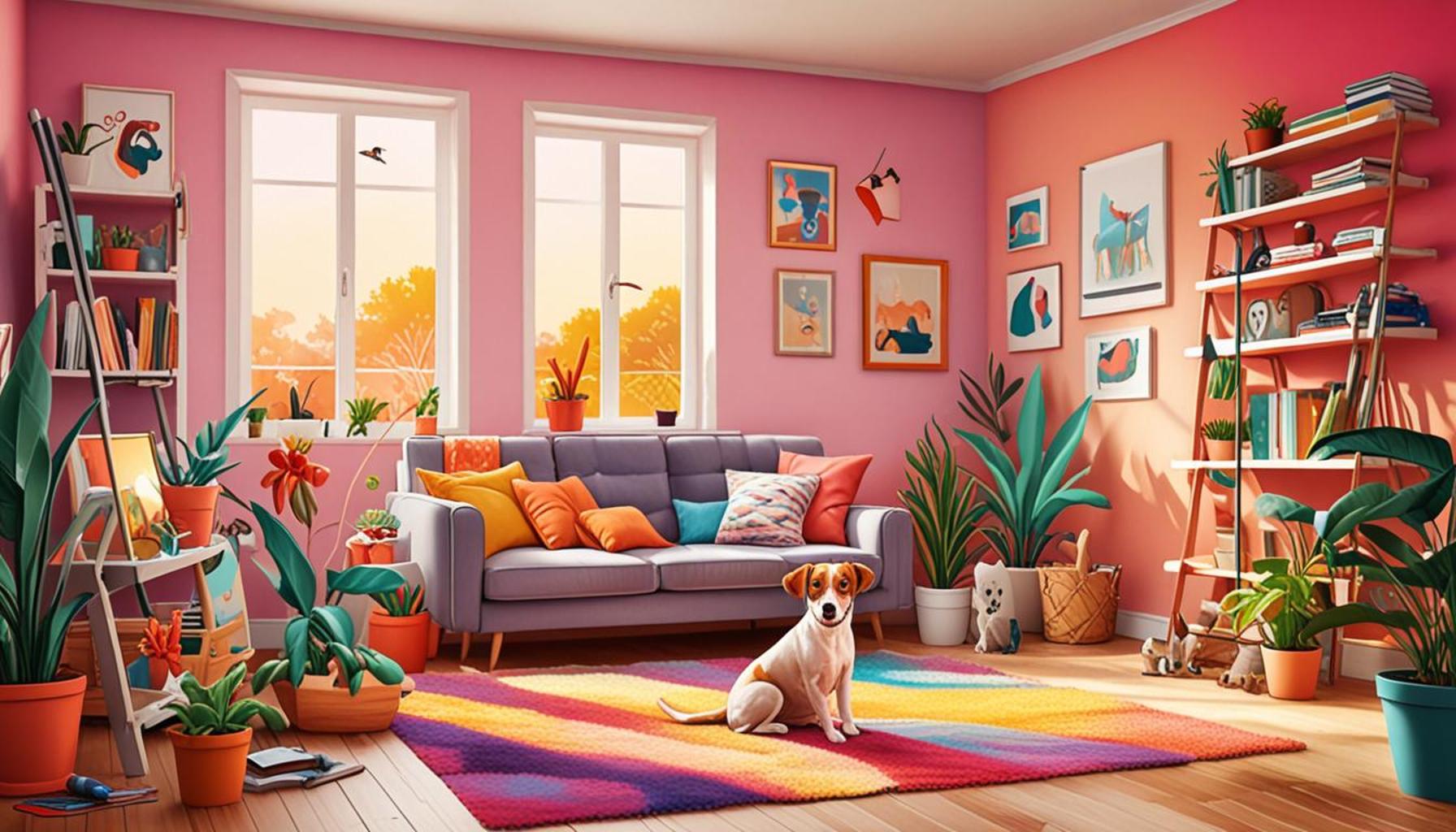
Creating a habitat that mirrors your pet’s natural environment is fundamental in promoting their physical health and emotional well-being. An ideal habitat serves as more than just a functional space; it allows your pets to express their natural behaviors, reduces anxiety, and contributes to a fulfilling life. Whether your companion is a lively dog, an inquisitive cat, a spirited bird, or a tranquil reptile, it is vital to design a living space tailored to their specific needs.
Certain aspects should be prioritized to cultivate a comfortable and stimulating environment for your pets:
- Space: The physical dimensions of your pet’s habitat are crucial. For instance, large dog breeds such as Golden Retrievers require ample space to roam and play, while smaller breeds can thrive in more compact areas. Cats, on the other hand, benefit from vertical spaces like shelves or cat trees that allow them to climb and observe their surroundings.
- Safety: Ensuring your pets are safe within their environment is non-negotiable. This means removing potential dangers such as toxic plants—which can be harmful to cats and dogs alike—sharp objects, or even loose cords that may cause injury or strangulation. Conducting a thorough inspection of your home for hazards should be a first step in creating a pet-friendly habitat.
- Enrichment: A stimulating environment is essential for your pet’s mental and physical health. For dogs, this can include puzzle toys that dispense treats, while cats may enjoy feather wands or interactive laser pointers that incite their natural hunting instincts. Birds benefit from perches, swings, and bells that promote play and socialization, whereas reptiles need enriching substrates and hiding spots that mimic their natural habitats.
- Comfort: Comfort can have a profound effect on your pet’s quality of life. Offering soft bedding and cozy sleeping areas can greatly improve their rest. Moreover, providing climate control—whether through heating for reptiles or air conditioning for dogs and cats during warmer months—ensures that your pets remain content and healthy.
Understanding the unique needs of different pets is paramount. While dogs typically crave companionship, playtime, and regular exercise, cats often prefer solitude, exploration, and elevated spaces where they feel secure. Birds require adequate flight space and social interaction with both their human family and fellow birds, while reptiles need controlled habitats reflecting their specific environmental conditions, including humidity and temperature.
The journey to creating an optimal habitat is a rewarding one that enhances both your life and that of your furry or feathered friends. By investing time and effort into understanding and meeting your pet’s individual needs, you can develop a nurturing environment ideally suited to their lifestyles. Join us as we delve deeper into specific habitat setups and explore practical tips and products to transform your home into the perfect sanctuary for your beloved pets.
DIVE DEEPER: Click here to learn more about adapting your pet’s diet

Understanding Your Pet’s Needs
To effectively create an ideal habitat environment for your pet at home, it’s essential to start by understanding their specific needs. Each species, breed, and even individual pet have unique requirements that are crucial for their happiness and health. Failing to recognize these needs could result in stress, behavioral issues, or even health problems.
For Dogs: Unlike many pets, dogs are highly social animals. They thrive on interaction, exercise, and companionship. To cater to their needs, consider these factors:
- Exercise Areas: If you have a large breed dog, ensure you have sufficient room for them to stretch their legs. Install a secure, fenced-in yard or consider activities like agility training that allow for both physical and mental stimulation.
- Socialization Spaces: Create a designated area where your dog can interact with family members or other pets safely. Group play sessions, either in your yard or at a local dog park, can fulfill their social needs and prevent feelings of loneliness.
For Cats: Cats are more solitary by nature, but they too require a space that can accommodate their instincts. Here are some tips:
- Vertical Spaces: Cats love climbing and perching. Installing shelves or providing cat trees can enrich their environment significantly and make them feel safe and secure as they observe their territory.
- Hiding Spots: Cats often seek out cozy spaces to retreat when they need downtime. Providing tunnels, boxes, or designated “cat caves” allows for enhanced security and privacy.
For Birds: Birds require specific environments that support their need to fly and socialize. Addressing these needs is crucial for their well-being:
- Flight Space: Depending on the species, provide a large enough cage that enables flapping and short-distance flying. Playgyms and safe areas for supervised flying sessions are essential for their mental health.
- Social Interaction: Birds are social creatures. To keep them happy, interact with them daily, and if possible, get a companion bird to fulfill their social needs.
For Reptiles: Creating a habitat for reptiles can be a bit different; it requires a keen understanding of their environmental needs:
- Climate Control: Make sure your reptile’s habitat is equipped with heating elements, UVB lights, and appropriate humidity levels for their native environment. Research is vital to recreate these conditions accurately.
- Substrates and Hiding Spots: Providing substrates that promote natural behaviors like burrowing or climbing is essential. Add decorative rocks, plants, or hides to mimic their natural surroundings.
Once you have a grasp on the specific needs of your pet, you can start designing an ideal habitat that complements their lifestyle. Remember, creating a space that allows them to engage in natural behaviors and enhances their comfort can result in a happier and healthier pet.
| Category | Description |
|---|---|
| Comfort and Safety | Ensuring your pet’s living space is both comfortable and secure is essential for their well-being. |
| Environmental Enrichment | Engaging your pet with stimulating environments encourages natural behaviors and exploration. |
| Hygiene and Cleanliness | A clean habitat reduces disease risks and keeps your pet healthy. |
| Social Interaction | Positive interactions with family members and other pets create a nurturing environment. |
| Personal Space | Providing a designated area for your pet to retreat fosters a sense of security. |
Creating an ideal habitat environment for your pet at home is a multifaceted endeavor that blends comfort, safety, and stimulation. First and foremost, comfort and safety must be prioritized by selecting appropriate bedding, securing hazardous areas, and ensuring proper ventilation. Furthermore, consider incorporating environmental enrichment through toys and interactive activities. This not only entertains your pet but also nurtures their mental and physical health. Regularly cleaning their environment is equally crucial, maintaining high standards of hygiene and cleanliness to minimize health risks.Additionally, social interaction is key to developing sociable animals; regular playtime or training sessions with family members strengthen emotional bonds. Lastly, ensuring that your pet has a private space to relax can enhance their sense of security, creating a well-rounded habitat conducive to their happiness and health. In this way, understanding these vital components will arm you with the knowledge to create an enriching, comforting, and safe environment for your beloved pet.
DISCOVER MORE: Click here to learn about breed selection for your pet’s health
Implementing Key Elements in Your Pet’s Habitat
With a clear understanding of your pet’s specific needs established, the next step in creating an ideal habitat is to thoughtfully implement various elements that enhance their living environment. Each pet’s habitat should not only meet their physical needs but also provide psychological and emotional support essential for their well-being.
Enrichment Activities: Introducing a range of enrichment activities tailored to your pet can greatly enhance their habitat experience. For dogs, consider puzzle toys filled with treats that challenge their minds and keep them engaged. You can also rotate toys regularly to maintain their interest. For cats, try incorporating feather wands or laser pointers to cater to their hunting instincts. Reptiles may enjoy variations in habitat setup, such as different branches or rocks to climb on, promoting natural exploratory behavior.
Safe and Comfortable Bedding: Ensuring a comfortable sleeping area is vital for every pet. Dogs and cats often require specific types of bedding that cater to their sleeping habits. Orthopedic beds can provide crucial support for older pets, while ultra-soft cushions satisfy those that seek comfort. Ensure that bedding is made from materials that are safe for the pet and can be easily cleaned. For small mammals such as rabbits or guinea pigs, consider bedding made from natural materials like aspen shavings or hay, which offers both comfort and safety.
Proper Nutrition Stations: A well-designed habitat should also include designated spaces for feeding. Ensure that food and water dishes are stable and easy for your pet to access. Elevated food bowls are ideal for large breeds, while anti-slip mats can help smaller pets manage their feeds without spilling. Carefully select nutritious, balanced diets that cater specifically to your pet’s age, size, and health conditions. For birds, ensure that food is varied and consider introducing foraging opportunities to keep their diet engaging and exciting.
Regular Cleaning and Maintenance: A significant aspect of maintaining an excellent environment involves regular cleaning routines. Keeping areas like litter boxes, bedding, and feeding stations clean is crucial in preventing diseases and ensuring your pet’s comfort. For cages, spot-clean daily and conduct full cleanings weekly to manage odors and bacteria effectively. In addition, ensure any plants in the vicinity are pet-safe—some can be toxic and are best removed from homes with pets.
Creating a Safe Environment: Safety should always be a priority. Check your living space for potential hazards. For example, small animals should be kept in a block-locked cage system to avoid escapes, while dogs need leashes during walks. Additionally, remove or secure cords and small items that pose choking or strangulation risks. If your pet is prone to anxiety, consider adding items that provide comfort, such as snug blankets or calming aids like pheromone diffusers.
Social Interaction and Training: A well-rounded habitat must also include socialization opportunities. For dogs, weekly training classes can improve manners and social skills, contributing to their happiness. For cats, engaging in playtime with their favorite toys fosters the bond between you and your pet, creating a sense of security. Birds, too, benefit from time spent outside their cages, allowing for interaction while supervised.
Incorporating these elements into your pet’s habitat will create a nurturing environment fostering comfort, safety, and joy. Adapting and modifying the space as your pet grows will help ensure that their living situation remains ideal throughout their lifetime.
DIVE DEEPER: Click here to discover more about enhancing your pet’s nutrition
Conclusion: Crafting a Tailored Habitat for Happiness
Creating an ideal habitat environment for your pet at home is a multifaceted undertaking that requires thoughtful consideration of their unique needs. By incorporating enrichment activities, such as puzzle toys for dogs or climbing structures for reptiles, you not only stimulate their natural instincts but also enhance their overall quality of life. Furthermore, providing safe and comfortable bedding ensures that your pet has a cozy space to retreat to, which is crucial for their physical and mental well-being.
Proper nutrition is critical; establishing dedicated nutrition stations that cater to your pet’s specific dietary needs helps ensure they remain healthy and energetic. Maintaining a rigorous cleaning routine is imperative, as it prevents diseases and keeps their habitat inviting. Safety is another cornerstone; by eliminating potential hazards within the home and creating a secure environment, you show commitment to their well-being.
Don’t overlook the importance of social interaction and training, which contribute to a pet’s happiness and security. A well-rounded habitat is not just about physical space; it also fosters emotional connections. Ultimately, your active involvement in adjusting and optimizing your pet’s habitat will play a pivotal role in their overall happiness and health. As you embark on this journey of creating an ideal living environment, remember that this ongoing process provides both you and your beloved companion an opportunity for growth and bonding, paving the way for many joyful moments together.