How to Identify Signs of Stress in Pets

Being attuned to your pet’s emotional health can greatly affect their overall well-being, much like it does in humans. Animals experience a range of emotions, and just like us, they can feel stressed. This stress can arise from various sources, including changes in their environment, alterations in routine, or even health issues. The importance of understanding the nuances of your pet’s emotional state cannot be overstated, as early detection can lead to effective management of stress, fostering a more nurturing and enjoyable living situation.
Recognizing the Signs
Many pet owners may overlook the warning signs indicating their pet is experiencing stress. Being vigilant is key, as timely intervention can prevent more severe complications down the road. Here are some indicators to watch for:
- Changes in Behavior: Watch for signs such as aggression, which may manifest as growling, snapping, or uncharacteristic defensiveness. Conversely, some pets may withdraw, choosing to hide or isolate themselves rather than engage with family members. Others might become overly clingy, following you around the house and demanding more attention.
- Physical Symptoms: Stress may also present itself through physical signs. For instance, excessive licking could lead to bald spots or skin infections, while incessant shedding might fill your home with fur and indicate that your pet is feeling overwhelmed. Gastrointestinal disturbances such as diarrhea or appetite loss are also common, further pointing to the need for emotional support.
- Vocalizations: Pay attention to your pet’s vocalizations. An increase in barking from dogs or more frequent meowing from cats can signal distress. For example, if your normally serene cat starts vocalizing loudly and persistently, it may be a plea for assistance or a sign of anxiety.
Why It Matters
Understanding these signs of stress in pets is not just an exercise in awareness; it holds significant implications for your pet’s health and happiness. Chronic stress can lead to long-term issues, including behavioral problems or physiological conditions that could require veterinary intervention. For instance, stressed animals are more likely to develop separation anxiety, which can complicate pet ownership. Alternatively, a pet suffering from stress could be at a higher risk of developing heart problems or a weakened immune system, making them susceptible to illness.
Creating a supportive environment is critical. Simple changes, such as establishing a regular routine, providing a safe space for your pet to retreat to, or engaging them with interactive toys, can have profound effects on their mood. By understanding and acknowledging your pet’s stress signals, you’re not only enhancing their life quality, but you’re also deepening the bond you share. This knowledge empowers you as a pet owner, equipping you to provide the care and attention your furry companion deserves.
DISCOVER MORE: Click here to learn how to choose the perfect breed for your lifestyle
Common Stress Indicators in Pets
Identifying signs of stress in pets can be a daunting task, particularly because animals often don’t express their discomfort in ways that are readily recognizable to humans. However, being observant can make a world of difference in your pet’s emotional health. Here are some widely reported indicators you should watch for:
- Changes in Daily Habits: A sudden shift in your pet’s routine—whether it’s sleeping more or less, changes in eating habits, or changes in bathroom habits—can indicate stress. If you notice your dog passing up their favorite treats or your cat avoiding their litter box, it’s time to step back and assess their environment.
- Altered Sociability: Pets may express stress by either becoming overly reclusive or excessively needy. A normally social dog who begins to shy away from interaction, or a cat that typically enjoys companionship but now hides for hours, could be signaling that something isn’t right. This can also be true for pets who become increasingly aggressive, as heightened stress levels may result in a defensive attitude.
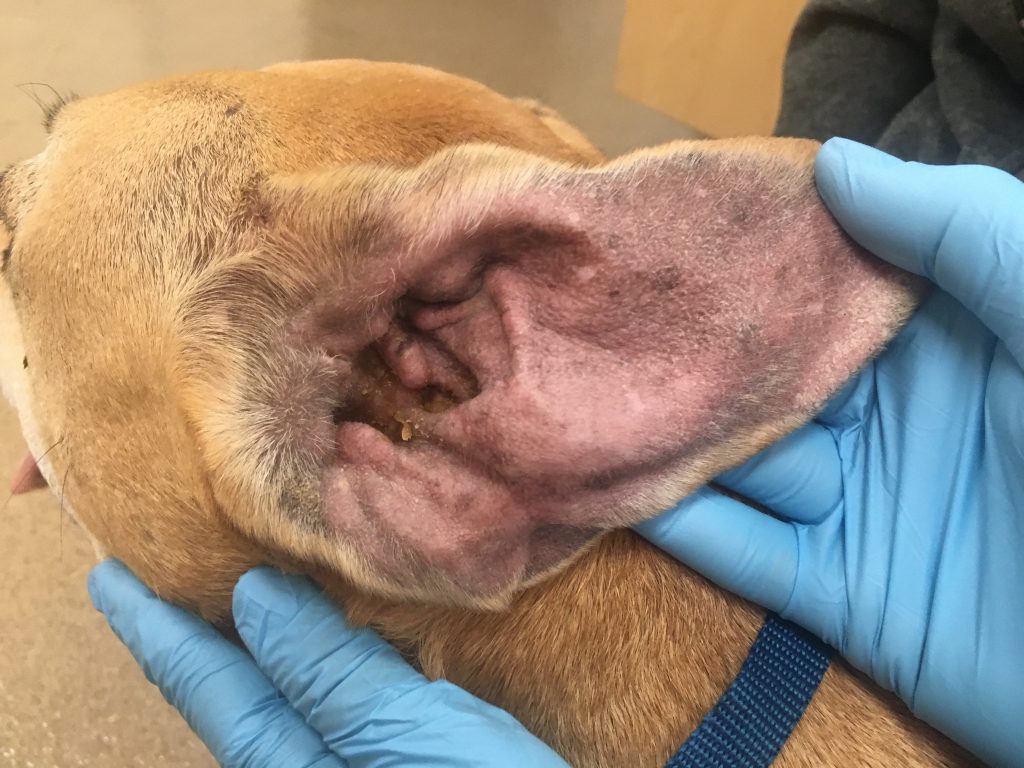
- Increased Grooming: While grooming is a normal behavior for pets, excessive licking or grooming can lead to bald patches or skin irritations and often indicates underlying stress. If your pet seems to be over-grooming, it’s important to explore the potential causes of this anxiety-driven behavior.
Monitoring Physical Signs
Beyond behavioral changes, it’s crucial to keep an eye on your pet’s physical well-being. Stress can manifest in several physical symptoms that can impact their health:
- Weight Fluctuations: Rapid weight loss or gain can be associated with stress. A decreased appetite may lead to weight loss, while some pets may resort to emotional eating, causing them to gain weight. Monitoring their weight regularly can help you catch adverse changes early.
- Panting and Salivating: Elevated heart rates, panting, or excessive drooling can be telltale signs that your pet is under stress. Dogs particularly show these symptoms when they are anxious or fearful.
- Unexplained Aggression: If a previously docile pet starts exhibiting uncharacteristic aggression—barking excessively, lunging at guests, or hissing unprovoked—this could be a response to stressors they may not understand.
By staying alert to these behavioral and physical changes in your pet, you can better assess their emotional health and provide the necessary interventions. Understanding your animal’s unique personality traits will also help significantly; each pet’s response to stress can vary widely. Being proactive in recognizing the signs of stress allows you to create a supportive environment, ultimately enhancing your furry friend’s overall quality of life.
| Signs of Stress | Impact on Pets |
|---|---|
| Increased Aggression | Pets may exhibit sudden outbursts towards humans or other animals. |
| Excessive Grooming | A compulsive behavior that can lead to skin issues and hair loss. |
| Hiding or Withdrawal | Pets may isolate themselves, seeking solitude in quiet spaces. |
| Changes in Eating Habits | Loss of appetite or overeating can indicate stress-related issues. |
Recognizing these signs of stress can be crucial for the well-being of your pets. It’s essential to understand that just like humans, animals can experience anxiety and emotional distress. When they display increased aggression, it signals discomfort or fear, often stemming from environmental changes or traumatic experiences. Meanwhile, excessive grooming may indicate a need for self-soothing or relief from overwhelming feelings.Another important sign to observe is when your pet starts hiding or withdrawing from interaction, as this behavior often reveals their instinctual response to seek safety. Additionally, changes in eating habits such as losing interest in their food or eating drastically more can also point towards stress. By being alert to these signs, you can take proactive steps to provide your pet with a secure and comforting environment. Keep these indicators in mind as you work towards maintaining your pet’s mental health and happiness.
DISCOVER MORE: Click here for insightful strategies
Understanding Behavioral Signals
In addition to the physical manifestations of stress, various behavioral signals can further illuminate your pet’s emotional state. Understanding these behaviors can empower pet owners to identify stress early, creating a healthier living environment for their furry companions.
- Destructive Behavior: If your usually well-behaved pet suddenly starts chewing furniture, scratching doors, or digging up the yard, they may be acting out due to stress. Destructive behavior is often a cry for help, indicating that they are unable to cope with changes in their environment, such as a recent move, a new family member, or changes in routine.
- Vocalization Changes: Increased barking, whining, or growling can signify stress or anxiety. For instance, if your dog begins to bark excessively when they are left alone, this could indicate separation anxiety. Cats may also vocalize differently when stressed, often producing loud yowls as a form of distress. Monitoring these vocalization patterns can provide valuable clues about their emotional health.
- Repetitive Behaviors: Some pets exhibit compulsive behaviors such as tail chasing, pacing, or repetitive licking as a coping mechanism for stress. These behaviors can be obsessive and may require intervention; pets may get so caught up in these patterns that they neglect their basic needs, leading to more severe health issues.
Environmental Triggers
Attention should also be paid to the environment surrounding your pet. Certain factors can trigger stress and anxiety, making it vital for pet owners to recognize these potential stressors:
- Changes in Household Dynamics: A new member in the household, whether human or pet, can significantly influence your pet’s emotional state. The introduction of babies, other pets, or even new furniture can unsettle their routine. Familiarizing pets with gradual changes can ease their anxiety during transitions.
- Exposure to Loud Noises: Pets, especially dogs, can be particularly sensitive to loud sounds, including thunderstorms, fireworks, or even household appliances. If your pet shows signs of stress during these events—like hiding or trembling—consider creating a safe space where they can retreat until the noise subsides.
- Lack of Routine: Pets thrive on consistency. Regular feeding times, daily exercise, and predictable interactions create a sense of security. Any disruption to this routine can lead to stress and anxiety levels rising. For instance, a pet sitter who changes their schedule could leave your pet feeling vulnerable.
It’s essential to engage with your pet in a manner that fosters a sense of security. Pay attention to their reactions to different environments and experiences, and make necessary adjustments to their daily life that helps reduce their stress levels. By being vigilant about signs of stress in pets, you’ll be able to intervene in a timely manner, promoting a balanced and happy life for your furry friends.
DIVE DEEPER: Click here to discover how pets can benefit your mental health
Conclusion: Nurturing Your Pet’s Emotional Well-being
Identifying the signs of stress in pets is crucial for maintaining their emotional and physical well-being. By observing behavioral changes, such as destructive actions or unusual vocalizations, pet owners can gain insight into the underlying issues their furry friends might be facing. Recognizing environmental triggers, such as loud noises or shifts in household dynamics, is equally important in providing a balanced atmosphere for your pets.
Creating a supportive environment is key to alleviating stress. Establishing a regular routine, providing safe spaces, and engaging in positive interactions can significantly enhance your pet’s sense of security. Remember, the well-being of pets is intertwined with their emotional health, and small adjustments in their daily lives can lead to remarkable changes in their behavior and overall happiness.
Staying informed and proactive is essential for responsible pet ownership. By continually educating yourself about pet behavior and understanding the nuances of their emotional signals, you pave the way for a harmonious relationship with your companions. As you navigate the ups and downs of pet ownership, always prioritize your pet’s mental health, ensuring they lead a fulfilling and stress-free life. Together, with awareness and care, you can cultivate an environment where your pets thrive, ultimately enriching the bond between you and your beloved animals.