How to Teach Basic Commands to Puppies: A Practical Guide for New Owners

The Excitement and Responsibility of Puppy Training
Bringing a puppy into your home is an exhilarating adventure, filled with joy and the occasional challenge. The moment you gaze into those bright, eager eyes, your heart swells with affection. Yet, this new chapter comes with a set of responsibilities, the most vital of which is teaching your puppy basic commands. This fundamental training not only deepens the bond between you and your furry child but also lays the groundwork for a well-behaved companion throughout life.
Many new pet owners might feel overwhelmed by the prospect of training a puppy. The good news is that by breaking the process down into manageable, bite-sized steps, you can create a rewarding experience that benefits both you and your puppy. Understanding the following key reasons for teaching basic commands is essential in motivating you to move forward:
- Safety: Commands like “sit” and “stay” are more than just fancy parlances; they can save your puppy’s life. Imagine a scenario where your puppy is about to dart into a busy street. A firm “stay” can prevent the worst from happening, ensuring your dog remains safe in potentially dangerous situations.
- Communication: Training creates a profound understanding between you and your puppy. Much like a parent teaching their child, you’re guiding your puppy to comprehend verbal cues and body language. This establishes respect and helps create a cohesive family dynamic.
- Socialization: A well-trained puppy is often a joy to have in public spaces. A dog that knows how to “heel” or “come” upon request is much easier to manage in situations such as dog parks or crowded streets. This not only eases the stress of outings but also enables your puppy to engage positively with other dogs and people.
This guide will equip you with various practical strategies to teach your puppy essential commands effectively. Each step of the training process will be articulated clearly and thoughtfully:
- Step-by-step training techniques: Following an incremental and easy-to-understand approach will make training smoother and enjoyable.
- Common mistakes to avoid: Recognizing pitfalls—like inconsistency in commands or neglecting socialization—can save you time and frustration.
- Tools and resources: The right tools, such as a sturdy leash and training treats, can significantly enhance your experience. Resources like local dog obedience classes or online platforms can offer valuable guidance.
By dedicating time and effort to training, you are not just instilling commands; you are fostering a relationship built on trust and understanding. Think of it as investing in a lifelong friendship with your canine companion. As we delve deeper into the art of puppy training, you will begin to unlock the tremendous potential of your new furry friend, paving the way for countless happy memories together!
Setting the Stage for Success: Preparing for Puppy Training
Before delving into the exciting world of teaching your puppy basic commands, it’s crucial to create an environment that fosters learning and engagement. The initial steps you take can significantly influence your puppy’s receptiveness to training. Here, we explore several essential factors to consider:
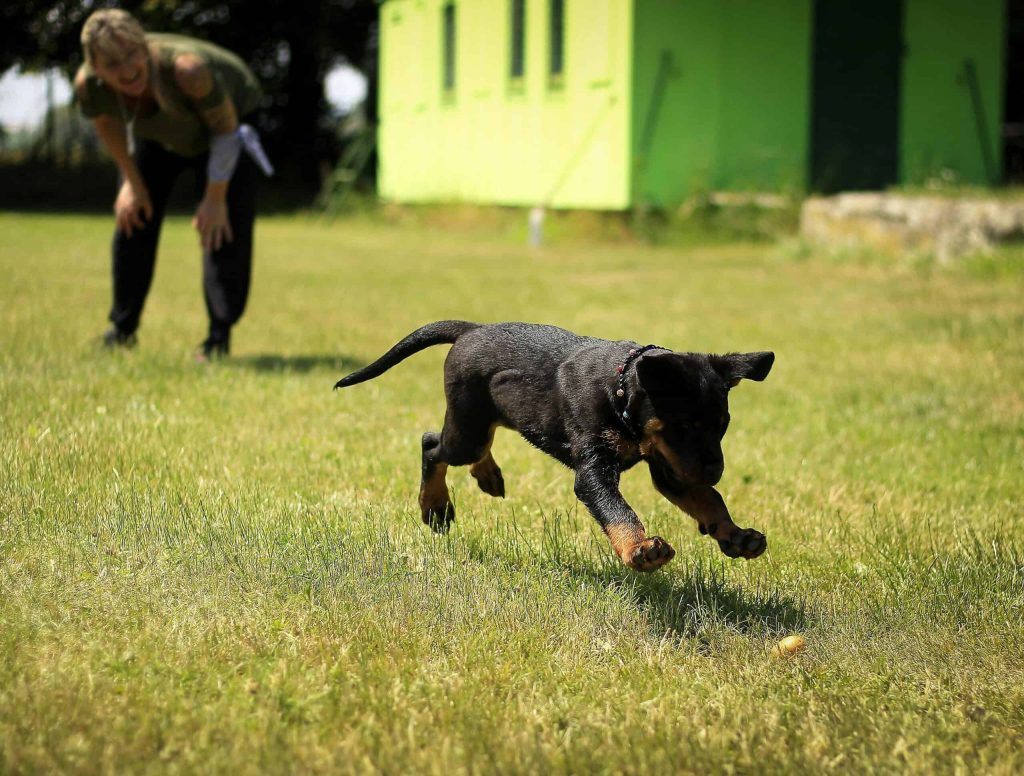
- Choose the Right Time: Puppies have varying attention spans, often lasting only about 5 minutes for every month of their age. Choose short training sessions, ideally around 5 to 10 minutes, to ensure that your puppy remains focused and enthusiastic. Early morning or late afternoon, just after your puppy has had a chance to play or eat, are often the best times to engage in training.
- Create a Distraction-Free Zone: Start training in a quiet environment where distractions are minimal. This allows your puppy to concentrate on you and the commands being taught. Avoid areas with loud noises, other pets, or tempting sights that may lure your puppy’s attention away.
- Gather Training Supplies: Arm yourself with essential tools that can assist greatly during your training sessions. A sturdy leash, collar or harness, and an assortment of small training treats will make a world of difference. Look for treats that are highly appealing to your puppy, such as soft, bite-sized morsels, to keep them motivated.
- Use Clear Commands: Consistency in command language is vital. Use one distinct word or phrase like “sit,” “stay,” or “come” without variations. This helps avoid confusion, ensuring your puppy understands what is expected of them. Additionally, always use a calm and friendly tone to make your puppy feel secure.
- Establish a Reward System: Positive reinforcement is one of the most effective training methods. Whenever your puppy follows a command correctly, reward them immediately with verbal praise or a tasty treat. This reinforces the behavior and encourages them to repeat it in the future.
Once your training environment is adequately set up, you can focus on the actual commands you wish to teach. Beginning with foundational commands creates a solid base for more complex training later on. The first commands to consider include “sit,” “stay,” and “come.” These commands are not just integral for day-to-day interactions; they also enhance your puppy’s overall behavior, making outings or visits to friends much more enjoyable.
In the following sections, we will break down each command, analyzing effective techniques, potential pitfalls, and the nuances of puppy behavior that can aid in the teaching process. By approaching training with patience and understanding, you’ll soon witness your puppy transform into a well-mannered companion—one bound for a lasting adventure by your side!
Understanding Basic Commands
Teaching your puppy basic commands is essential for establishing a strong foundation in obedience and communication. Start with fundamental commands like “sit“, “stay“, “come“, and “down“. Mastering these commands not only enhances your puppy’s behavior but also creates a safe environment for both of you. Focus on positive reinforcement, as it motivates your puppy to learn. Use treats, praise, and playtime to reward your puppy immediately after they perform the desired command. Remember, consistency is key; practice the same commands in various locations to help your puppy generalize their learning.Additionally, short and engaging training sessions—approximately 5 to 10 minutes—keep your puppy’s attention and make the learning process enjoyable. Training can be a valuable bonding experience that strengthens the relationship between you and your puppy, encouraging trust and respect.
Challenges and Solutions
As you embark on this training journey, you may encounter challenges. For instance, puppies may sometimes lose focus or become easily distracted. Creating a calm, quiet environment for training sessions can significantly improve concentration. If your puppy struggles with a command, break it down into smaller, manageable steps, and practice each step before putting it all together.Another common issue is excessive barking or impulsive behavior when practicing outside. Teaching the “quiet” or “leave it” command can be beneficial in these cases, helping your puppy learn to control their impulses and respond appropriately to stimuli in their surroundings.Implementing these strategies can lead to rewarding outcomes, transforming your puppy into a well-mannered companion. The journey doesn’t end with basic commands; ongoing reinforcement and advanced training will continue to benefit your puppy as they mature.
The Role of Socialization
Socialization plays a crucial role in your puppy’s training process. Exposing your puppy to a variety of environments, people, and other animals at an early age helps reduce anxiety and fear, making them more adaptable and confident. Organized puppy playdates or training classes can provide excellent socialization opportunities, where they can learn both from interactions and from observing other dogs.Incorporating commands during socialization activities not only reinforces what they’ve learned but also enhances real-world application. For instance, having your dog “sit” while meeting new friends can help maintain control and ensure polite greetings.Good communication and consistent training will set the groundwork for a well-behaved, social, and happy dog. Invest time and effort into teaching your puppy these basic commands while also prioritizing their social well-being to create a balanced and fulfilling life together.
Teaching Essential Commands: Step-by-Step Instructions
Now that you’ve prepared the environment for training, it’s time to dive into teaching your puppy the basic commands. Focusing on key commands such as “sit,” “stay,” and “come” will lay the groundwork for good behavior and communication between you and your furry friend. Here’s how to effectively teach these commands, step by step:
Teaching “Sit”
The command “sit” is often the first command new owners learn to teach their puppies. Not only is it simple, but it also helps establish your position as the leader.
- Get your puppy’s attention: Start by standing in front of your puppy while holding a treat close to their nose.
- Guide them into position: Slowly move the treat above their head. As they follow the treat upward with their eyes, their bottom will naturally lower to the ground.
- Command and reward: As soon as they sit, clearly say “sit” and reward them with the treat and enthusiastic praise.
- Practice regularly: Repeat this process several times during a training session and gradually reduce your reliance on treats as your puppy learns.
Teaching “Stay”
<p<The “stay” command is crucial for ensuring your puppy remains in one place, which can enhance safety during walks or busy moments.
- Start in the “sit” position: Ask your puppy to sit first.
- Introduce the command: Hold your hand out in front of you with your palm facing them and say “stay” in a firm but friendly tone.
- Take a step back: Move a step away from your puppy; if they remain seated, return and reward them immediately.
- Increase distance over time: Gradually increase the distance between you and your puppy before rewarding them. This helps them understand the command in a variety of situations.
Teaching “Come”
The command “come” is perhaps one of the most important commands for your puppy’s safety. This command ensures your puppy returns to you, whether in the park or at home.
- Start with excitement: Call your puppy’s name followed by the command “come” in an enthusiastic tone to entice them.
- Use treats to motivate: Place some treats on the ground and encourage them to move toward you while saying “come.”
- Reward immediately: When they reach you, shower them with praise and treats. Make this a should-be fun experience for them!
- Practice in varying locations: Start indoors, then progress to a secure outdoor area to practice. The more diverse the settings, the more reliable the command.
Throughout the training process, it is crucial to remember that patience and consistency play key roles. Puppies have short attention spans and can become easily frustrated. Keeping training sessions light-hearted, fun, and engaging helps maintain their enthusiasm. Scheduling these activities throughout the day can reinforce their learning and strengthen your bond.
Furthermore, make sure to utilize tools like clickers or a verbal marker to reinforce desirable behavior. These methods provide instant feedback, making it clear which actions are getting rewarded. As your puppy learns and masters each command, you’ll not only witness their growth but also build an informed, trusting relationship that enhances your daily lives together.
Conclusion: Building a Strong Foundation with Basic Commands
In conclusion, teaching basic commands to your puppy not only nurtures their learning but also fosters a strong bond between you and your furry companion. The commands “sit,” “stay,” and “come” serve as the cornerstones of effective communication, contributing to your puppy’s safety and good behavior. As you embark on this rewarding journey, remember that patience, consistency, and positive reinforcement are key elements to achieving success.
Training should be an engaging experience, one where both you and your puppy can have fun. Incorporating play and praise can significantly enhance their motivation and eagerness to learn. Additionally, learning in a variety of environments equips your puppy with the ability to respond to commands regardless of distractions, which is crucial for their development as a well-behaved adult dog.
As new owners, it is essential to stay informed and explore additional training methods and resources that can aid in your puppy’s education. Whether through books, training classes, or online tutorials, there are myriad avenues available to help you refine your techniques and deepen your understanding of canine behavior. Ultimately, the efforts you invest in teaching your puppy today will lead to a harmonious and fulfilling partnership for years to come.
So grab those treats, get ready to practice, and watch as your puppy transforms into a well-mannered member of your family. With the right approach and a heart full of love, every puppy can become a cherished companion and a master of basic commands.