How to Train Cats: Demystifying Feline Training
Understanding Feline Training
Many people believe that cats are too independent to train. However, this is a common misconception. In reality, cats can learn a variety of commands and tricks, just like dogs. With the right approach and mindset, you can transform your cat into a well-behaved companion that can entertain you with tricks and understand basic commands.
Why Train Your Cat?
Training your feline friend offers numerous benefits that go beyond simply performing tricks. Here are some compelling reasons to consider:
- Improved Behavior: Training can help prevent unwanted habits such as scratching furniture, knocking things off shelves, or inappropriate litter box behavior. Teaching your cat to engage with designated scratching posts or using a clicker to reinforce good habits can dramatically alter their behavior.
- Enhanced Bonding: Strengthen your connection through interaction. Training is a great way to spend quality time together, building trust and understanding. Engaging in training sessions helps you become more attuned to your cat’s needs and personality, enhancing your relationship.
- Mental Stimulation: Cats are naturally curious creatures, and training can keep them mentally sharp and engaged. Learning new commands or tricks can prevent boredom, which is often the precursor to destructive behavior. Activities like puzzle toys or clicker training not only provide stimulation but also introduce fun challenges for their minds.
The key to effective training is understanding your cat’s nature. Unlike dogs, cats are motivated by different incentives. Their training often relies on:
- Treat Rewards: Use positive reinforcement by offering treats that your cat loves, making them eager to learn. Experiment with various treats, from store-bought options to homemade delights made from cooked chicken or fish, to find what excites your furry friend.
- Playtime: Engage them with toys they adore, such as feather wands or laser pointers, rewarding them for responding to commands or showing desired behaviors. This fosters a playful atmosphere where learning feels like fun.
- Consistency: Establish a routine to reinforce learning. Hold training sessions at the same time every day, and ensure all family members are on the same page regarding commands and rewards to prevent confusion.
Getting Started
Before diving in, familiarize yourself with common cat behaviors. Knowing how they communicate and react will make the training process smoother. Pay close attention to your cat’s body language; signs like tail flicking, ear positioning, and vocalizations can indicate whether they are receptive to learning. For instance, a relaxed cat with a calm tail indicates they are open to training, while a puffed-up tail may suggest that they are feeling threatened or stressed.
By exploring the fascinating world of feline training, you’ll discover that you have the power to teach your cat new tricks and help them thrive in your home. Whether you want to teach them to sit, high five, or even walk on a leash, these methods and techniques can work wonders in shaping your cat’s behavior and enriching your life together. As you embark on this rewarding journey, you may find that training your cat not only fosters good behavior but also deepens the affection that exists between the two of you.
Essential Techniques for Cat Training
Training your cat can be both an enjoyable and fulfilling endeavor. However, it’s crucial to choose the right techniques that align with feline behavior and motivation. With their inquisitive nature, cats require training methods that engage their curiosity while emphasizing positive reinforcement. Here are some essential techniques to get you started on the right paw:
Utilizing Clicker Training
One of the most effective methods for training your cat is clicker training. This technique involves using a small device that makes a clicking sound to signal to your cat that they have done something right. To implement this method, follow these steps:
- Get a Clicker: Purchase a clicker from your local pet store or online. It’s a simple and inexpensive tool that can greatly enhance your training sessions.
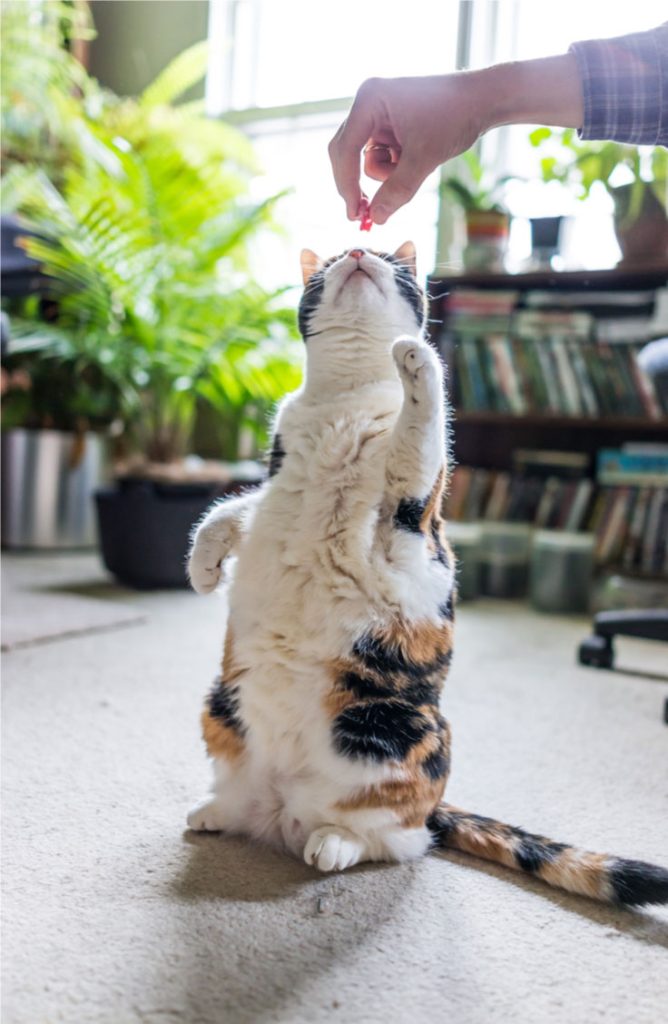
- Associate the Click with a Reward: Start by clicking the clicker and immediately offering a treat. Repeat this several times until your cat associates the sound of the clicker with a reward.
- Begin Training Commands: Once your cat understands the connection between the click and the treat, begin introducing commands such as “sit” or “high five”. Click and reward once they perform the action.
Creating a Training Schedule
To maintain consistency, it’s beneficial to set aside regular time for training sessions. Cats typically respond best to short and frequent training sessions, ideally lasting between 5 to 10 minutes. Ideally, you should:
- Train at the Same Time Daily: Establish a routine so that your cat begins to anticipate training sessions. Morning playtime can be an optimal choice.
- Incorporate Variety: Keep your cat engaged by varying the commands or tricks you practice during each session. This can prevent boredom and maintain your cat’s interest.
- Stay Patient: Every cat learns at their own pace. If your cat is struggling with a command, give them time to understand before moving on.
Leverage the Power of Play
While traditional training methods work well, incorporating play into your training can transform learning into an enjoyable experience for your cat. Cats naturally love to chase, pounce, and engage with their environment. Use this to your advantage by incorporating toys during training:
- Reward with Play: If your cat responds well to a command, use their favorite toy for a play session as a reward instead of a treat.
- Engagement with Interactive Toys: Consider puzzles or toys that challenge their problem-solving skills, stimulating their minds while reinforcing training.
- Connect Through Play: Use playtime as an extended form of training where the goal is to reinforce commands amid fun interactions with toys.
By implementing these essential techniques, you can embark on a successful journey toward training your feline friend. Remember that positive reinforcement is key, making the experience both enjoyable and rewarding for your cat. With a mix of patience, consistency, and playfulness, you can demystify feline training and unlock your cat’s potential, creating a harmonious bond that thrives on understanding and communication.
| Training Method | Advantages |
|---|---|
| Positive Reinforcement | Encourages good behavior by rewarding cats with treats or praise, leading to a stronger bond. |
| Clicker Training | Utilizes a sound to mark desired behaviors, allowing for precise training and quick learning. |
As you delve deeper into the world of *feline training*, you’ll discover that various methods can yield impressive results, often tailored to the unique personality of your cat. The use of positive reinforcement is highly effective, as it empowers cats to learn through reward-based systems, fostering trust and enhancing the human-animal relationship. This method aligns well with cats’ natural instincts and helps channel their playful energy positively. Another popular technique is clicker training, which operates on the principle of marking desired actions immediately with a distinct sound. This precision allows pet owners to communicate effectively with their feline friends, paving the way for a clearer understanding of commands. Both methods not only cultivate essential skills but also ensure that training sessions remain engaging and fun for your cat, promoting a healthy lifestyle and enriching their environment. By incorporating these techniques, you’re not just training your cat; you’re building an enriching experience that strengthens your bond and enhances their quality of life.
Enhancing Training with Environmental Conditioning
Creating a conducive environment for your cat can significantly enhance their training experience. By understanding and manipulating the factors within their surroundings, you can optimize your training sessions and accelerate learning. Here are some strategies to consider:
Designate a Training Space
Choosing the right location for training is essential. A designated training space that is free of distractions allows your cat to focus better. Consider the following approaches:
- Quiet and Familiar Area: Select a space that your cat is comfortable in, such as a favorite room or corner. This familiarity can help them feel more secure during training.
- Minimize Distractions: Ensure that noise or other pets are not distracting your cat. By keeping the environment calm, your cat can concentrate on learning.
- Use Visual Aids: Incorporating colorful mats or cushions in your designated area can help your cat associate the space with training, further engaging them during sessions.
Incorporate Sensory Stimulation
Cats are highly responsive to their senses, and using this to your advantage can create a dynamic learning atmosphere. Here’s how to integrate sensory stimuli into your training:
- Use Scent to Engage: Many cats are motivated by scents. Try using catnip or other appealing smells as a reward to attract their interest and reinforce positive behaviors.
- Incorporate Sounds: Utilize different sounds during training, such as jingling bells or soft music. Over time, your cat can learn to associate these sounds with specific commands or actions.
- Interactive Environment: Introduce elements like climbing structures or tunnels to your training sessions. This encourages natural behaviors and keeps your cat engaged, creating a playful learning experience.
Recognizing and Rewarding Positive Behavior
The key to successful feline training lies in effectively recognizing and rewarding positive behaviors. This creates an atmosphere of trust and encouragement that fosters learning. Here are some important tactics:
- Immediate Reinforcement: When your cat successfully follows a command or exhibits the desired behavior, immediately reward them to strengthen the association in their mind.
- Celebrate Small Wins: Even minor achievements deserve recognition. This can involve verbal praise, gentle petting, or a small treat—anything that reinforces their efforts.
- Be Mindful of Timing: Ensure that you reward your cat as soon as they complete the task. Delaying reinforcement can confuse them, making it harder for them to associate the behavior with the reward.
By integrating environmental factors, sensory stimulation, and timely rewards into your training protocol, you can create an enriching experience that resonates with your feline friend. Remember, each cat is unique, and adjusting your method based on their responses can lead to a more successful training journey.
Conclusion: Unraveling the Mysteries of Feline Training
In conclusion, training your cat is not just an exercise in obedience; it is a journey of connection and understanding between you and your feline companion. By employing positive reinforcement techniques, creating a comfortable training environment, and utilizing sensory stimulation, you can transform training sessions into engaging, enjoyable experiences. Remember that patience and consistency are paramount—cats, being the independent creatures they are, may not respond as quickly as other pets. Embrace their unique personalities and adjust your strategies accordingly.
Moreover, recognizing milestones in your cat’s development can lead to a stronger bond built on trust and communication. Whether it’s teaching basic commands, litter training, or encouraging playful behaviors, every small victory contributes to a well-adjusted and happy cat. Consider exploring online resources or even local training classes to further enhance your knowledge and skills in feline training. The pet training landscape is ever-evolving, and immersing yourself can lead to fresh insights and methods.
Ultimately, training a cat is about more than just commands; it’s a holistic approach to enriching their lives and fostering a deeper relationship. As you embark on this training adventure, remember that every cat is unique, and your training methods should reflect that individuality. By prioritizing enjoyment over perfection, you are sure to empower your feline friend and make training a rewarding experience for both of you.