Integrating Technology in Self-Skill Assessment: Tools and Techniques
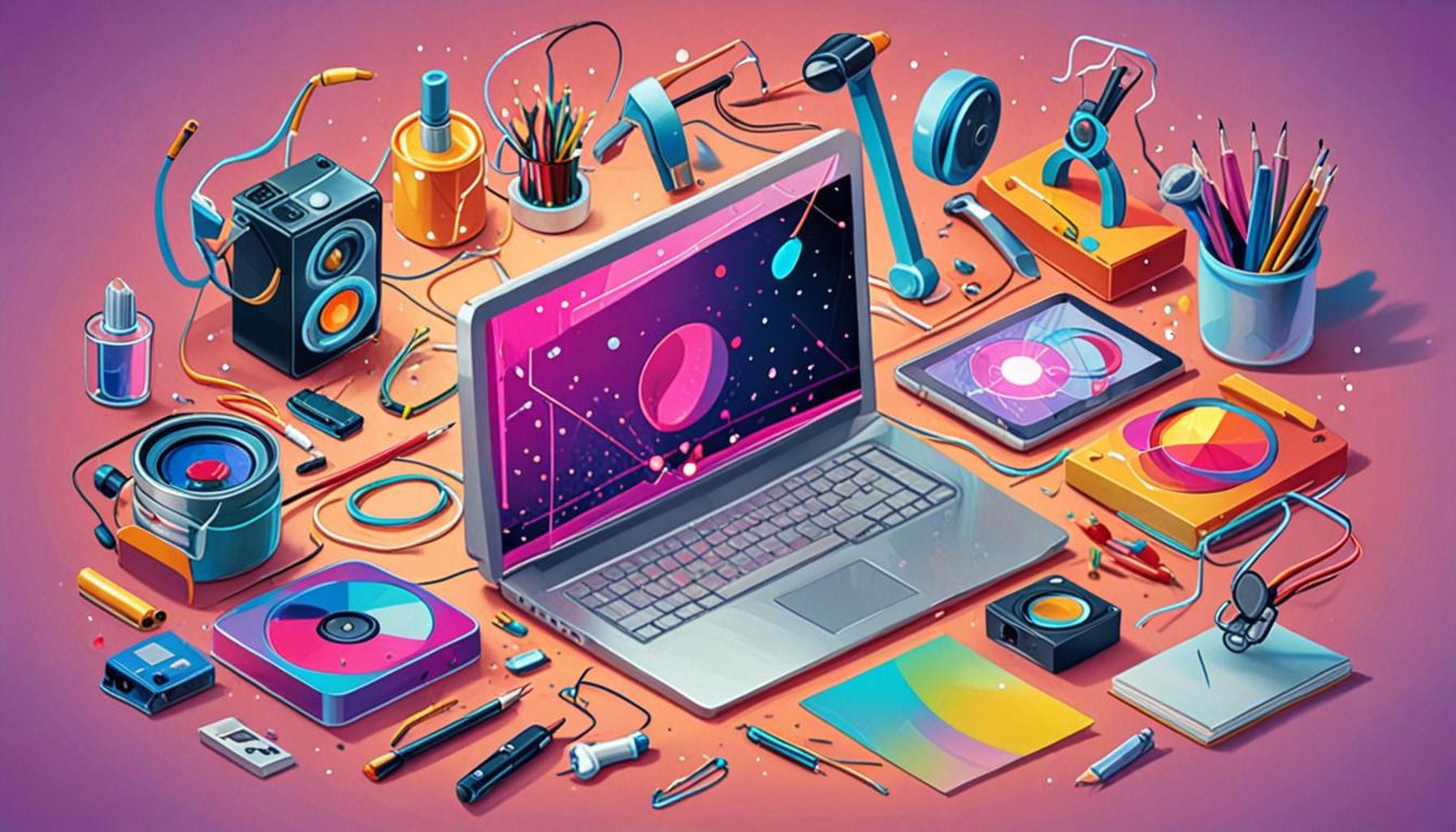
Transforming Self-Skill Assessment with Technology
The integration of innovative technologies into self-skill assessment is revolutionizing how individuals evaluate and enhance their competencies. Modern learners now have access to a suite of tools designed to make assessment processes not only more efficient but also highly personalized. Embracing these advancements is essential for anyone looking to thrive in a digital landscape where skills are constantly evolving.
Key Tools and Techniques
The realm of self-skill assessment presents an array of technological options, providing diverse ways to track, evaluate, and improve skills. Here are some notable tools:
- Online Assessment Platforms: Websites like Skillshare, LinkedIn Learning, and platforms such as Coursera offer tailored quizzes and assessments that provide immediate feedback. These platforms can help learners measure their understanding of specific subjects or skills, such as digital marketing or coding, and identify areas needing improvement.
- Mobile Apps: Applications such as Quizlet and Elevate facilitate on-the-go learning. These handy tools allow users to track their progress continuously, set goals, and receive personalized study recommendations, making skill development more accessible and manageable amidst busy schedules.
- Virtual Reality: Technologies like Oculus Rift and HTC Vive provide immersive simulations that replicate real-world scenarios. For instance, aspiring surgeons can practice intricate procedures in a risk-free environment, while corporate teams can engage in role-playing exercises to improve soft skills like negotiation or teamwork.
Such tools not only streamline the assessment process but also yield invaluable feedback that supports personal and professional growth. By utilizing these technological solutions, users can clearly identify their strengths along with the areas that require further development.
Benefits of Technology in Skill Assessment
Leveraging technology in self-skill assessment comes with numerous advantages that cater to diverse learning needs. Key benefits include:
- Immediate Feedback: The ability to receive instant results facilitates quick adjustments and improvements, allowing learners to address gaps almost in real time.
- Tailored Experiences: Assessment tools are often customizable, providing users with options that align with their individual learning preferences, whether they thrive through visual aids, interactive quizzes, or even auditory cues.
- Engagement: Technology-driven assessments boast interactive formats that encourage active participation. Gamified assessments, for example, invoke a sense of competition and fun, increasing overall engagement, particularly among younger users.
As we explore the evolution of self-skill assessment, it becomes evident that these technological tools are not merely adjuncts to traditional methods but essential components of a comprehensive learning strategy. They empower individuals to embrace lifelong learning, adapt to changing job markets, and access tailored educational resources that were once beyond reach. The digital world offers a wealth of opportunities for those ready to take charge of their skill development journey.
DISCOVER MORE: Click here to learn about the impact of goal-setting on self-motivation</
Unlocking Potential Through Innovative Assessment Tools
As industries rapidly evolve, the demand for continual skill enhancement has never been greater. The intersection of technology and self-skill assessment not only paves the way for more effective learning but also aligns closely with the increasing need for adaptability in the workforce. Embracing a variety of digital tools can lead individuals to profound self-discovery and competency development that was previously out of reach.
Popular Technologies Reshaping Skill Assessment
The incorporation of technological resources offers an abundance of options designed to cater to a broad spectrum of skills and learning styles. Consider these transformative technologies:
- AI-Powered Analytics: Programs utilizing artificial intelligence can analyze user performance across various assessments to generate personalized learning plans. By interpreting data trends, tools like Coursera and EdX create unique skill pathways that adapt based on user progress and strengths, enabling targeted improvement.
- Interactive Webinars: Platforms such as Zoom and Webex facilitate interactive sessions led by industry experts. Participants can engage in real-time discussions, ask questions, and receive journaling challenges that foster deeper comprehension and application of concepts. This live feedback captures nuances that static assessments often miss.
- PODCASTS and VIDEO CONTENT: Educational podcasts and instructional videos provide rich, varied content that users can consume at their convenience. Platforms like Skillshare and YouTube have revolutionized how skills—from coding to painting—are taught, encouraging users to track their learning journeys through subscribed playlists.
By leveraging these tools, learners gain access to personalized insights that illuminate both their proficiencies and the gaps requiring attention, reshaping traditional self-assessment into an engaging and data-driven experience.
Advantages of Technology-Powered Self-Assessment
The benefits of integrating technology into self-skill assessment extend far beyond convenience and accessibility. Here are several standout advantages that these tools offer:
- Flexibility: Users can assess their skills at their own pace and convenience. Whether they’re hopping between jobs, attending school, or managing family commitments, learning can occur whenever and wherever, ensuring that productivity remains intact.
- Gamification: Many assessment tools incorporate game-like elements, transforming what can often be a tedious process into an enjoyable experience. This engaging format motivates users to participate and improve consistently, especially among younger demographics keen on interactive learning.
- Rich Data Insights: Advanced analytical tools offer deep dives into user performance metrics, facilitating informed decision-making regarding skill development. This level of insight empowers individuals to respond dynamically to changing industry needs.
With technology at their fingertips, individuals are empowered to take charge of their learning paths, breaking traditional barriers and embracing a future characterized by growth and improvement. The journey of self-skill assessment is no longer confined to outdated methods; it has transformed into an exciting expedition fueled by innovation.
Integrating Technology in Self-Skill Assessment: Tools and Techniques
In today’s rapidly evolving digital landscape, integrating technology for self-skill assessment is not just an option but a necessity. Utilizing innovative tools and techniques not only facilitates accurate skill evaluation but also enhances learning experiences. As we delve deeper into the advanced methods available, we can uncover how technology transforms traditional assessment practices.
| Category | Key Features |
|---|---|
| Online Assessment Tools | Offer real-time feedback, user-friendly interfaces, and accessibility. |
| Data Analytics | Provides insights and trends regarding skill development progress. |
| Gamification Techniques | Engaging interactive elements that make learning enjoyable and memorable. |
| Mobile Applications | Allow learners to assess skills on-the-go, ensuring flexibility and convenience. |
Each category highlights strategies that empower learners to assess and improve their skills in intuitive ways. By embracing technology, individuals can track their development paths, enabling targeted learning interventions. Moreover, the future of skill assessments will likely incorporate artificial intelligence to customize and streamline the evaluation process. This technological integration promises profound implications, expanding learning potential and preparing individuals for the challenges of an ever-changing workforce.
DISCOVER MORE: Click here to learn about the power of self-compassion
Embracing Modern Techniques for Effective Skill Evaluation
The digital landscape is rich with innovative methods transcending traditional forms of self-skill assessment. Beyond the tools previously highlighted, there remains a spectrum of techniques that individuals can harness to refine their skills and enhance their learning experiences. These forward-thinking approaches cater to various educational backgrounds and industry requirements, ensuring that everyone can partake in this transformative process.
Digital Portfolios: Showcasing Skills Through Real-World Applications
One of the most dynamic methods for self-skill assessment is the development of digital portfolios. This technique allows individuals to compile work samples, project documents, and certifications in one accessible location. Platforms like Behance and LinkedIn not only serve as a repository for accomplishments but also act as a powerful way to reflect on personal growth over time. These portfolios can often highlight tangible skills—such as graphic design or writing capabilities—through projects that illustrate the depth and range of expertise in a highly visual and engaging format.
Self-Reflection Tools: Facilitating Personal Insight
Effective skill assessment is not isolated to quantitative measures; it also encompasses qualitative self-reflection. Guided applications, like Daylio or Reflectly, allow individuals to track daily activities, emotional responses, and skill applications. By routinely engaging with these platforms, users can identify patterns in their learning processes and adapt their approaches to skill enhancement. Furthermore, the integration of mood and stress level tracking helps link emotional well-being to performance, providing a holistic view of personal development.
Online Skill Assessments: Benchmarking Against Industry Standards
Another pivotal approach is the use of online skill assessments, which can benchmark a user’s abilities against industry standards. Services like LinkedIn Learning and Pluralsight offer tailored assessments that gauge a user’s proficiency in specific areas, from technical skills like programming to soft skills such as communication. These assessments often provide instant feedback, enabling users to grasp where they stand and what they need to amplify within their skill set.
Collaborative Learning Platforms: Peer Assessment and Feedback
Additionally, the rise of collaborative learning platforms has made peer assessment a core component of self-evaluation. Websites such as GitHub and Codecademy encourage learners to engage with peers to review each other’s work, fostering a communal learning environment. Such interaction not only builds camaraderie but cultivates critical thinking as users analyze and critique work collectively, broadening their understanding of subject matter through diverse perspectives.
By engaging with these modern techniques, learners can cultivate a diverse range of skills and improve assessments significantly. The integration of technology empowers individuals to self-define their learning pathways, adapting in real-time to both the demands of their chosen industries and the trajectory of their personal development. As we navigate a future defined by rapid change, embracing these innovative techniques remains crucial for skill assessment and enhancement.
DIVE DEEPER: Click here to uncover essential strategies
Conclusion: The Future of Self-Skill Assessment in a Digital Era
In a world increasingly defined by technology, the integration of innovative tools and techniques for self-skill assessment has never been more critical. As we explored, platforms such as digital portfolios, self-reflection tools, and online assessments provide individuals with diverse ways to evaluate and enhance their skill sets. These resources not only empower learners to track their progress but also facilitate a more nuanced understanding of their development in relation to industry standards.
The shift towards collaborative learning underscores the importance of community in personal growth. Engaging with peers through platforms like GitHub and Codecademy fosters a culture of shared learning that deepens understanding and cultivates critical thinking. Furthermore, the convergence of qualitative reflection and quantitative metrics ensures that self-assessment encompasses the whole person, paving the way for more personalized learning journeys.
As we stand on the brink of rapid technological advancements, the challenge lies in consistently adapting these tools to meet diverse learning needs. Embracing this digital evolution is essential for anyone looking to enhance their skills and remain relevant in a competitive job market. Individuals must proactively leverage these resources, stepping away from traditional assessment methods to explore a new realm of possibilities. The future of self-skill assessment is here; it’s a blend of technology and introspection that invites every learner to take charge of their personal and professional growth. Let us embrace the moment and discover the vast potential that lies within us.