Pet Training for Therapy Activities: Benefits and Methodologies

Understanding the Role of Animals in Therapeutic Settings
The landscape of therapy is rapidly evolving, and animals are playing a pivotal role in this transformation. Pet training for therapy activities encompasses a systematic approach to equipping animals with the skills needed to support individuals facing various emotional and physical hurdles. This innovative method proves to be not only beneficial but essential for enhancing therapeutic interactions across diverse populations, from children dealing with anxiety disorders to elderly individuals in assisted living facilities.
The Profound Benefits of Therapy Animals
The role of therapy pets extends beyond mere companionship. They possess a unique ability to forge emotional connections with humans, acting as catalysts for healing. This connection yields multiple advantages:
- Emotional Support: The soothing presence of therapy animals can significantly alleviate symptoms of anxiety and depression. For instance, studies have shown that interactions with therapy dogs can trigger the release of oxytocin, a hormone known to promote feelings of bonding and happiness.
- Social Interaction: During group therapy sessions, therapy pets often become the focal point for interaction. Individuals who may otherwise resist social engagement are encouraged to communicate through play and care for the animals, ultimately fostering connections amongst participants.
- Physical Engagement: Engaging in activities such as walking or grooming therapy animals promotes physical movement, which is vital for individuals recovering from illness or injury. For example, stroke patients often experience improved mobility when interacting with dogs, as they are motivated to move to be near the animal.
Training Methodologies for Therapy Animals
To ensure that therapy animals can effectively aid in therapeutic settings, structured training methodologies are imperative. These techniques are designed not only to prepare the animals but also to create valuable experiences for those they assist.
- Positive Reinforcement: This reward-based training system emphasizes the importance of celebrating desirable behaviors in pets. By using treats or praise, trainers help animals learn to respond positively to various stimuli, creating a calm and agreeable presence.
- Socialization Practices: Exposing therapy animals to various environments, sounds, and people is essential for their adaptation. For instance, therapy dogs training in busy urban settings to ensure they remain calm amidst distractions lays a strong foundation for their future work.
- Specialized Programs: Different therapeutic goals may require tailored training programs. For instance, a therapy animal working with children on the autism spectrum may undergo training focused on specific interactions that foster engagement and trust.
Growing Recognition of Therapy Animals
As society becomes increasingly aware of the benefits of integrating therapy animals into medical and psychological treatment programs, the demand for skilled therapy pets continues to rise. Understanding the methodologies behind pet training for therapy activities not only enhances these programs but also highlights the incredible potential of animals as healing companions. As new and innovative programs emerge across the United States, the exploration of this field promises to unlock further possibilities for therapeutic interventions, making the partnership between humans and animals an exciting area of research and practice. The future of therapy may very well be four-legged, creating opportunities for healing that are deeply felt and profoundly impactful.
Exploring the Effectiveness of Pet Training in Therapy
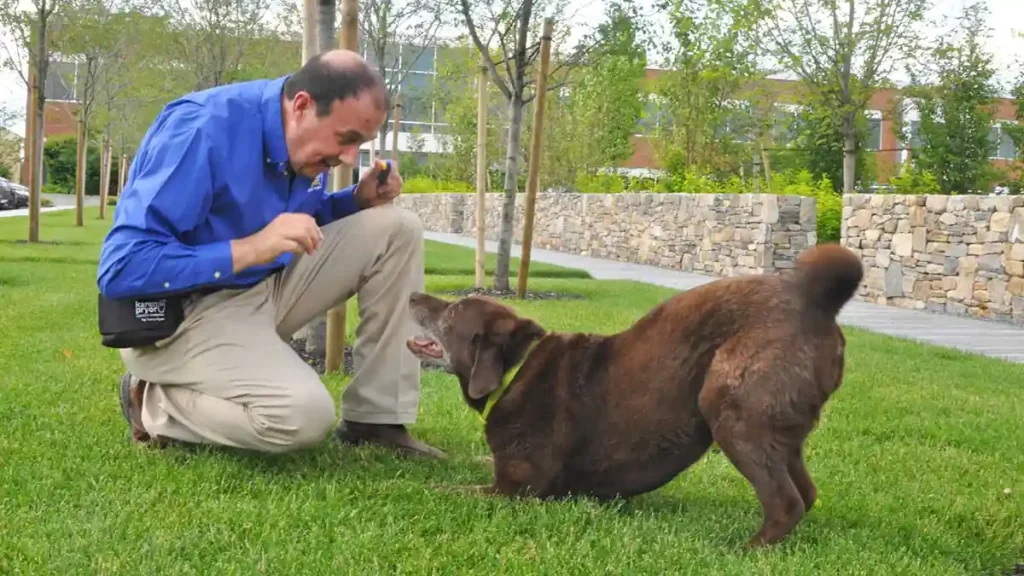
As therapy animals become integral to modern therapeutic practices, the demand for effective pet training for therapy activities grows exponentially. This transition from conventional treatments to including furry companions showcases the profound impact that a well-trained pet can have on the healing process. To appreciate the effectiveness of therapy animals, it’s essential to delve into the specialized training methodologies that equip these animals to meet the emotional and physical needs of diverse populations.
Essential Skills and Attributes for Therapy Animals
Therapy animals must exhibit a variety of skills and characteristics to thrive in their roles. Well-trained therapy pets should possess the following attributes:
- Calm Demeanor: A therapy animal must maintain a balanced temperament, showing composure in various environments. This steadiness helps individuals feel safe and secure during their therapeutic sessions.
- Social Affability: Therapy pets should be friendly and approachable, enabling seamless interaction with people of all ages and backgrounds. This sociability encourages participants to engage openly, fostering therapeutic connections.
- Adaptability: Whether visiting a bustling hospital or a quiet nursing home, therapy animals need to adjust to new surroundings and stimuli without displaying stress. This adaptability is crucial for successful interventions.
Each of these traits contributes to the effectiveness of therapy animals, making them valuable partners in therapeutic practices. As such, trainers prioritize these aspects when developing their educational programs.
Comprehensive Training Approaches
The training methodologies employed for therapy animals can be broken down into several layers, ensuring a holistic approach to their education.
- Behavior Conditioning: This involves teaching therapy animals to respond to commands and cues reliably. By conditioning behaviors, trainers ensure that animals can perform tasks that may soothe or aid participants, such as sitting or laying down when prompted.
- Desensitization Techniques: Therapy animals must be exposed to various stimuli, including loud noises or sudden movements, during training. Gradual exposure helps them learn to remain calm, reducing anxiety for both the animal and the individuals they assist.
- Task-Specific Training: Based on the therapeutic context, therapy animals might need to learn specific tasks. For instance, a therapy dog working with veterans may be trained to recognize signs of distress and provide comforting behavior, such as leaning close or nudging gently.
Implementing these varied training techniques not only prepares animals for their roles but also enhances the overall effectiveness of therapy by promoting positive experiences for both the pets and the individuals they support.
Impact on Therapeutic Outcomes
The intersection of trained therapy pets and their human counterparts cultivates an enriching environment conducive to healing. Research indicates that therapy animals can lead to improved outcomes in therapy settings, such as increased participation rates and enhanced emotional responses. Moreover, as communities recognize the necessity of pet training for therapy activities, therapeutic programs across the United States are evolving to incorporate this partnership, ensuring that the healing benefits of animal interactions are accessible to everyone in need.
| Category | Description |
|---|---|
| Cognitive Benefits | Enhances mental stimulation through interactive training exercises, helping improve cognitive functions. |
| Emotional Well-being | Promotes emotional stability and reduces anxiety, making therapy sessions more effective for participants. |
In the realm of animal-assisted therapy, incorporating structured pet training methodologies can yield significant rewards. First, let us explore the category of Cognitive Benefits. When participants engage in pet training, they comfortably ascend into an environment rich in mental stimulation. This interaction not only fosters a bond between human and animal but can also lead to measurable improvements in cognitive functions, such as memory retention and problem-solving abilities. Next, we delve into Emotional Well-being. The therapeutic bond between pets and individuals can substantially boost emotional health, providing avenues for lessening stress and anxiety. The palpable connection formed during therapy sessions enhances emotional engagement, ensuring that individuals feel supported and understood. These benefits underscore the transformative power of integrating pets into therapy activities, making it an area ripe for exploration and implementation. As these methodologies continue to evolve, the potential for their impact is immense and calls for further investigation.
Benefits of Incorporating Trained Pets in Therapy
The integration of trained pets into therapeutic activities has been shown to yield significant benefits, not just for individuals receiving therapy but also for healthcare providers and therapy facilitators. By exploring these advantages, we can understand why pet training for therapy activities is becoming a focal point in modern healing practices.
Enhanced Emotional Well-being
One of the most profound benefits of therapy animals is their ability to enhance emotional well-being. Studies have repeatedly demonstrated that interactions with therapy animals can lead to decreased levels of anxiety, depression, and stress. For instance, a study published in the journal Anthrozoös showed that individuals interacting with therapy dogs experienced a noticeable drop in cortisol levels—often referred to as the stress hormone—while simultaneously enjoying increased levels of oxytocin, known as the “bonding hormone.”
Social Skill Development
Trained therapy animals not only assist in emotional healing but also play a crucial role in developing social skills. Engaging with a dog, cat, or even rabbits can encourage individuals, particularly children, to interact more freely with others. The simple act of petting a therapy animal can initiate conversations, break down barriers among peers, and foster friendships. For children on the autism spectrum, therapy animals can serve as effective bridges to social interactions, allowing them to connect with their environment and peers in a nurturing, non-threatening manner.
Physical Benefits
The benefits of having therapy animals extend beyond emotional and social support; they also promote physical well-being. Engaging in physical activities, such as walking or playing with a therapy dog, can motivate individuals to be more active, thereby improving their overall fitness levels. For patients undergoing rehabilitation, the presence of a therapy animal can serve as an incentive to participate in exercises they might otherwise avoid. Rehabilitation centers across the United States have begun implementing structured activities involving trained animals precisely for this reason, leading to improved adherence to therapy regimens.
Professional Development for Caregivers and Therapists
The introduction of trained therapy pets into therapy sessions not only benefits clients but also enhances professional development for caregivers and therapists. Healthcare providers often report increased job satisfaction when collaborating with therapy animals. The presence of a furry companion can create a more relaxed atmosphere, enabling therapists to forge stronger connections with their clients. Furthermore, having therapy animals on site can lead to a more collaborative environment among staff, fostering teamwork and communication as they share moments with the delightful pets.
Community Engagement and Accessibility
As the movement to include trained therapy animals in therapeutic practices grows, communities are beginning to recognize the importance of making these services more accessible. Many organizations are developing outreach programs that include therapy pet services in schools, hospitals, and senior living centers, aiming to reach underserved populations. By providing training to therapy animals in these community programs, organizations not only support the presence of therapeutic benefits but also strengthen the bond between animals and humans, creating a culture of compassion and empathy.
In summary, the multifaceted advantages of pet training for therapy activities span emotional, physical, and social realms, greatly enriching the quality of therapeutic interactions. As research continues to elucidate these benefits, the role of trained therapy animals in therapeutic settings will likely expand, leading to more comprehensive approaches to well-being and healing across the United States.
Conclusion
In conclusion, pet training for therapy activities offers a vast array of benefits that enrich both the therapeutic experience and the quality of life for individuals involved. The multifaceted advantages highlight the significant impact that therapy animals can have on emotional, social, and physical well-being. As we have explored, the enhanced emotional support, development of valuable social skills, and encouragement of physical activity all contribute to improved patient outcomes across various settings, including schools, hospitals, and rehabilitation centers.
Moreover, the inclusion of trained therapy animals fosters a more collaborative atmosphere among therapy facilitators, promoting job satisfaction and stronger bonds within healthcare teams. Importantly, the growing momentum behind community outreach initiatives is making these therapeutic services increasingly accessible to underserved groups, creating a culture where compassion and empathy are at the forefront of healing.
As research continues to unveil the profound effects of therapy animals on mental and physical health, it is crucial to embrace and expand methodologies that incorporate pet training into therapeutic frameworks. The journey towards optimizing human-animal interactions in therapy not only reveals new paths to healing but also underscores the importance of nurturing our connections with animals, encouraging a harmonious blend of professional care and the unconditional support that our furry companions provide.
Ultimately, the world of pet training for therapy activities opens up exciting avenues for individuals seeking holistic approaches to well-being, emphasizing the vital role that animals play in fostering resilience, joy, and recovery.