Positive Reinforcement Techniques for Dogs: How Does It Work?

Understanding Positive Reinforcement in Dog Training
Dog training often feels like navigating a labyrinth, but the key to success lies in understanding positive reinforcement techniques. These methods focus on rewarding desirable behaviors, allowing our furry companions to learn more effectively. Adopting this approach transforms training into a fun and engaging experience for both dogs and their owners.
What is Positive Reinforcement?
At its core, positive reinforcement involves providing a reward when a dog exhibits a desired behavior. This encourages them to repeat the action, paving the way for effective communication. Common forms of reinforcement include:
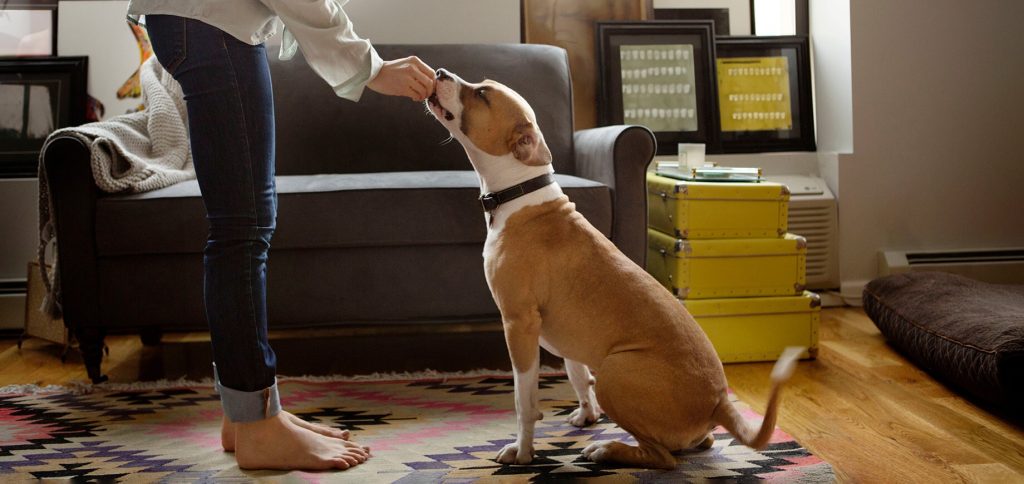
- Treats: Using tasty snacks as immediate rewards can be a highly effective strategy. For example, if you’re teaching your dog to sit, offering a small treat right after they comply reinforces that behavior and makes it more likely they will do it again.
- Praise: Verbal encouragement or affection after good behavior plays a vital role in dog training. A simple “Good boy!” or a gentle scratch behind the ears conveys approval and fosters a positive association with that action.
- Playtime: Engaging your dog in interactive play, such as throwing a ball or tugging on a toy, serves as a fantastic reward. After tasks like coming when called, providing a burst of playtime not only reinforces the behavior but also enhances the emotional bond between you and your pet.
These techniques not only nurture a trusting bond between you and your dog, but they are also critical for effective training. It’s important to note that positive reinforcement is backed by science; research shows this method can significantly enhance learning while promoting emotional well-being in dogs.
Why Choose Positive Reinforcement?
Opting for positive reinforcement techniques can lead to numerous benefits, including:
- Building a strong relationship with your dog: Trust is the foundation of any strong bond, and positive reinforcement fosters an atmosphere where your dog feels safe and understood.
- Ensuring quicker learning of commands: Studies have shown that dogs trained using positive methods tend to learn commands faster than those subjected to punitive measures.
- Reducing fear and anxiety in training situations: Since this method is non-threatening, it diminishes the likelihood of fear-related behaviors, making both training and daily interactions more pleasurable.
As we delve deeper into the fascinating world of positive reinforcement techniques, you’ll uncover how they can transform your dog into a well-behaved companion while enriching the training experience for both of you. This approach not only respects your dog’s individuality but also fosters a cooperative relationship that benefits both parties.
For those interested in exploring further, various training classes and resources are available across the United States that specialize in positive reinforcement. By immersing yourself in this method, you will not only cultivate a more obedient pet but also enhance the joy and connection you share with your canine friend.
How Positive Reinforcement Works in Dog Training
Understanding how positive reinforcement works is crucial for anyone looking to train their dog effectively. This method harnesses the principles of behavioral psychology, focusing on the rewards that follow desirable actions. When a dog receives a reward for performing a specific behavior, it creates a strong association between the action and the positive outcome. Over time, this leads to a higher likelihood of the behavior being repeated.
The Science Behind Positive Reinforcement
Research indicates that positive reinforcement taps into the operant conditioning framework, originally coined by psychologist B.F. Skinner. This process involves four key components:
- Positive Reinforcement: Adding something desirable to increase the likelihood of a behavior (e.g., a treat after sitting on command).
- Negative Reinforcement: Removing something unpleasant to enhance behavior (not to be confused with punishment).
- Positive Punishment: Adding something unpleasant in response to unwanted behavior (such as a stern tone or spray of water).
- Negative Punishment: Taking away something desirable to reduce unwanted behavior (like withholding playtime when a dog jumps up).
Of these four components, positive reinforcement has garnered attention for its humane and effective approach. It’s crucial for dog owners to understand that while corrections can be beneficial in teaching limits, the focus should always remain on reinforcing good behavior.
How to Implement Positive Reinforcement
Successfully employing positive reinforcement techniques involves a few key steps:
- Timing is Everything: Immediate rewards are essential. If a dog performs a desired action, rewarding them right away helps them link the behavior with the reward.
- Be Consistent: Consistency helps dogs clearly understand what behaviors are expected. Use the same commands and rewards across training sessions.
- Gradual Build-up: Start with simple commands and gradually introduce more complex ones as your dog masters basic behaviors.
- Vary the Rewards: Mixing treats, praise, and playtime can keep your dog engaged. This unpredictability enhances their motivation to repeat behaviors.
This method fosters a sense of achievement in dogs, which is reflected in their eagerness to comply. Moreover, incorporating a variety of rewards caters to the unique personalities and preferences of different breeds, making training more personalized and effective.
As we continue to explore the various applications of positive reinforcement in dog training, you’ll discover how this approach creates a nurturing environment—one where both dogs and their owners thrive. The goal of obedience training should not solely be compliance but building a respectful partnership with your canine companion, making every session a step toward mutual understanding.
Understanding Positive Reinforcement Techniques
Positive reinforcement is a dog training strategy that focuses on rewarding desired behaviors rather than punishing undesirable ones. This approach has gained significant traction among pet owners and trainers alike due to its effectiveness and humane nature. By understanding how positive reinforcement techniques work, dog owners can create a more engaging and rewarding training environment for their pets.
Mechanisms of Positive Reinforcement
At the core of positive reinforcement is the principle that behaviors followed by rewards are more likely to be repeated. When a dog performs a desired behavior, such as sitting on command, they receive a reward, which could be anything from a tasty treat to verbal praise or a favorite toy. This approach not only promotes a stronger bond between the dog and owner but also fosters a positive learning atmosphere.The key to effective positive reinforcement lies in timing and consistency. Rewards must be delivered immediately following the desired behavior to create a clear connection in the dog’s mind. For instance, if you want your dog to stop barking when guests arrive, rewarding them with a treat as soon as they quiet down helps reinforce that calm behavior.
Types of Rewards Used
Rewards can vary widely and should be tailored to each dog’s preferences. Common rewards include:- Tasty Treats: During training sessions, small, high-value treats work wonders in motivating dogs. Experimenting with different flavors can help discover what excites your pet the most.- Verbal Praise: Dogs thrive on positive attention. Using a cheerful tone and encouraging phrases boosts their confidence and encourages them to repeat the behavior.- Playtime: For some dogs, their favorite toy or a game of fetch can be the ultimate reward. Incorporating play into training can keep the experience enjoyable.As you explore positive reinforcement techniques, it becomes evident that this approach not only yields better-trained dogs but also contributes to their overall happiness and emotional well-being. By creating a fun and rewarding learning experience, dog owners can help their pets flourish, strengthening the human-animal bond in the process.
| Category 1 | Category 2 |
|---|---|
| Effective Learning | Dogs learn faster and retain commands longer. |
| Positive Environment | Creates a trusting relationship between dog and owner. |
The positive reinforcement approach opens doors to a realm of training possibilities, demonstrating that motivating dogs with rewards can lead to exceptional behavioral outcomes and enriched lives for both pets and their owners.
Practical Applications of Positive Reinforcement Techniques
Positive reinforcement techniques can be seamlessly integrated into everyday interactions with dogs, making training a natural and enjoyable process for both the pet and the owner. Utilizing these methods can not only improve obedience but also foster a stronger bond, enhancing the overall relationship between humans and their canine companions.
Everyday Training Scenarios
Incorporating positive reinforcement into daily routines can be both fun and effective. For example, when taking your dog outside, reward them immediately after they relieve themselves in the designated area. By doing so, your dog learns to associate that action with praise and treats, increasing the likelihood of compliance in the future.
Another instance is during leash training. If your dog walks calmly at your side without pulling, offering them treats or verbal praise reinforces that behavior. As you move along, mix in short training sessions where you ask your dog to perform commands like “sit” or “stay,” rewarding them for compliance. This creates a training routine that intertwines seamlessly with daily walks.
Utilizing Clicker Training
Clicker training is a popular method that complements positive reinforcement techniques. This system uses a small device that makes a unique sound—a click—when your dog performs the desired behavior. By clicking and rewarding immediately after the behavior, you establish a clear connection, enabling your dog to understand exactly what they did right.
The beauty of clicker training lies in its versatility and effectiveness. Whether you are teaching basic commands or complex tricks, the clicker serves as a bridge, clearly indicating the moment of correct behavior. Additionally, the sound of the click becomes a powerful stimulus that excites the dog, heightening their focus and enthusiasm during training sessions.
Addressing Behavioral Issues
Positive reinforcement can also be utilized to address behavioral problems. For instance, if your dog exhibits anxiety during car rides, rewarding them with treats or praise for calm behavior can gradually build their confidence and reduce stress. This technique fosters a positive association with previously fearful situations, helping your dog feel more secure over time.
Addressing common issues such as excessive barking or jumping can also benefit from this approach. For instance, instead of scolding your dog for barking when the doorbell rings, wait until they stop barking, then reward them for their silence. This technique redirects their focus toward the desired behavior, promoting a calm and composed demeanor.
Building a Reward System
Creating a structured reward system can significantly enhance the effectiveness of positive reinforcement techniques. Consider developing a tiered system where different behaviors yield varying levels of rewards. For example, basic commands might earn low-value treats, while more complex behaviors earn high-value rewards such as their favorite toy or extra playtime. This approach keeps the training fresh and exciting for the dog, eliciting better responses and a strong desire to learn.
By recognizing the unique preferences of your dog, you can tailor the reward system to maximize motivation. Some dogs may respond better to praise or play than treats, while others may thrive on a combination of various rewards. Understanding your dog’s individualized needs ensures a productive training environment.
Implementing positive reinforcement not only enriches the training experience but also creates an enjoyable process that benefits both dogs and owners. As this method continues to evolve, its principles remain rooted in creating a nurturing environment that encourages positive behavior and strengthens the bond we share with our furry counterparts.
Conclusion
In summary, positive reinforcement techniques for dogs present an engaging and effective approach to canine training that emphasizes rewards rather than punishment. These methods, which can easily be integrated into daily routines, not only facilitate better obedience but also cultivate a deep and meaningful bond between owners and their furry friends.
As we’ve explored, leveraging everyday scenarios such as walks and playtime serves to reinforce desired behaviors, making the training experience enjoyable and natural. The implementation of tools like clicker training enhances clarity during sessions, enabling dogs to grasp commands with greater certainty. This approach is instrumental in addressing behavioral issues by fostering a positive environment where dogs feel secure and encouraged to learn.
Furthermore, establishing a tailored reward system ensures that each dog’s unique preferences are considered, ultimately maximizing motivation and enthusiasm in training. The effects of these techniques reach far beyond basic obedience; they pave the way for lifelong learning and adaptability in various situations.
As you embark on your journey of positive reinforcement training, remember that patience and consistency are key components of success. Continuous exploration of this method can lead to new discoveries and deeper insights into your dog’s personality and potential. By investing time in understanding how positive reinforcement works, you not only enhance your dog’s behavior but also enrich the overall experience of companionship, making each moment with your pet rewarding for both you and them.