The Benefits of Animal-Assisted Therapy for Mental Health

Understanding the Impact of Animal-Assisted Therapy
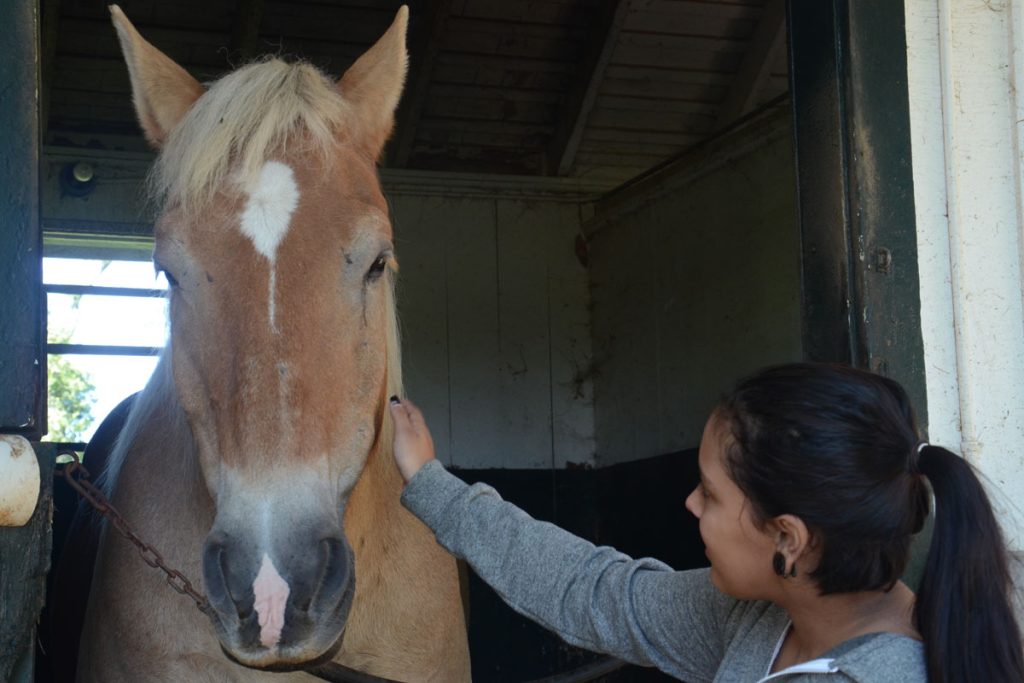
As mental health awareness continues to grow, innovative therapies are gaining traction. One such approach that has been creating waves is Animal-Assisted Therapy (AAT). Integrating animals into therapeutic settings offers unique benefits that traditional methods may not provide. This groundbreaking form of therapy utilizes the innate bond between humans and animals to promote healing and emotional well-being.
Animal-Assisted Therapy can aid in a variety of mental health challenges, including:
- Anxiety – Interacting with animals can significantly reduce feelings of stress and promote relaxation. Studies have shown that even a brief encounter with a therapy dog can lead to a reduction in cortisol levels, the body’s stress hormone.
- Depression – The presence of a therapy animal can inspire joy and companionship. For instance, patients in nursing homes have reported feelings of happiness and reduced feelings of loneliness after regular visits from therapy cats or dogs.
- Post-Traumatic Stress Disorder (PTSD) – Animals can create a safe space for individuals to process trauma. Service dogs are often employed for veterans struggling with PTSD, aiding them in navigating daily life and offering emotional support during challenging times.
Research has indicated that AAT not only improves emotional well-being but can also enhance social interaction, especially in children and the elderly. Children with autism, for example, often demonstrate improved communication skills and a greater willingness to engage with peers when involved in therapy sessions with dogs. Similarly, elderly individuals may show increased social interactions and improved mood, contributing to a better quality of life.
Moreover, AAT fosters motivation in individuals who may feel isolated or withdrawn. Engaging with animals can be a gentle nudge for patients to step outside their comfort zones, encouraging positive behaviors and fostering a sense of responsibility. This is particularly crucial in environments such as schools and rehabilitation centers, where motivation can often diminish.
In the United States, programs involving therapy dogs, horses, and even dolphins are making significant strides in mental health facilities, schools, and community centers. Organizations like Therapy Animals of Greater Orlando and the Human Animal Bond Research Institute are instrumental in training therapy animals and establishing protocols that ensure the safety and effectiveness of AAT. With the combination of animal companionship and professional guidance, Animal-Assisted Therapy is reshaping how we approach mental health treatment. This promising field continues to evolve, encouraging further research and exploration into how animals can assist in the therapeutic journey.
DON’T MISS: Click here to learn how to customize pet feeding</p
The Therapeutic Power of Animal Companionship
As individuals search for innovative solutions to improve mental health, Animal-Assisted Therapy (AAT) emerges as a transformative approach that marries the benefits of human-animal interaction with therapeutic practices. By harnessing the natural bond between humans and animals, AAT aids in alleviating various mental health challenges, creating a supportive environment that promotes healing and growth.
One of the most significant advantages of AAT is its ability to address anxiety. The calming presence of animals, particularly therapy dogs, can create a soothing atmosphere that reduces feelings of stress. Research has revealed that individuals who engage in therapy sessions with animals often report lower levels of anxiety, experiencing a greater sense of peace and relaxation during interactions. This reduction in stress levels is not merely anecdotal; studies confirm that just a brief interaction with a therapy animal can significantly decrease cortisol levels, the hormone responsible for stress.
In addition to anxiety management, AAT is proving to be beneficial for individuals battling depression. With the companionship provided by therapy animals, patients can experience improved mood transitions. For instance, in facilities such as nursing homes, regular therapy animal visits have led to measurable increases in joy and a marked decrease in feelings of loneliness. The unyielding loyalty and affection of therapy pets can evoke warmth and happiness, providing essential emotional support for those feeling isolated.
For those grappling with Post-Traumatic Stress Disorder (PTSD), AAT offers a unique approach to emotional support. Veterans, in particular, have found solace in therapy dogs, which provide a sense of safety and stability as they navigate the challenges of daily life. The gentle nature of these animals can be instrumental in helping individuals open up about their trauma, fostering an environment where healing can begin. The bond formed with a therapy animal allows for an unexpected but critical outlet for expressing emotions and processing difficult experiences.
The Impact on Social Interactions
Further to the emotional benefits, AAT encourages improved social interactions, especially among children and the elderly. For children diagnosed with autism, interactions with therapy animals can enhance communication skills and increase social engagement. The presence of an animal can act as a bridge, helping children feel more comfortable and open when interacting with their peers. Similarly, elderly individuals often report heightened mood and increased connectivity with others following therapy sessions with animals, which significantly impacts their overall quality of life.
- Enhanced mood: Therapy animals stimulate emotional responses that lead to elevated happiness.
- Encouraging socialization: Animals help break down barriers, fostering interactions among individuals.
- Increased responsibility: Caring for therapy animals instills a sense of duty and purpose, motivating individuals to take active steps towards recovery.
As the field of AAT continues to grow in the United States, programs integrating therapy dogs, horses, and even dolphins are gaining notable recognition. Organizations dedicated to training therapy animals and establishing protocols ensure that AAT not only benefits individuals but does so safely and effectively. Emphasizing the unique connection between humans and animals, Animal-Assisted Therapy is paving a new path in mental health treatment, encouraging further exploration into the depths of this innovative practice.
| Categories of Benefits | Details |
|---|---|
| Emotional Support | Animals provide unconditional love and companionship, significantly alleviating feelings of loneliness and depression. |
| Stress Reduction | Interacting with therapy animals has been shown to lower cortisol levels, thus reducing stress and promoting mental well-being. |
| Social Interaction | Therapy animals can facilitate social interactions amongst patients, fostering communication skills and building connections. |
| Physical Activity | Engaging with animals encourages physical activity, which is beneficial for both mental and physical health. |
Animal-assisted therapy has shown promising results for individuals grappling with various mental health issues. The presence of therapy animals has created a gentle environment that can enhance the recovery process. Particularly for individuals with anxiety disorders, the calming effect of spending time with animals alleviates symptoms effectively. In recent studies, research indicates that therapy animals can lead to significant improvements in depression and anxiety scales among participating individuals. Additionally, the benefits are not limited to human patients alone; therapy animals also experience levels of stress relief when engaging in therapy activities. This unique reciprocity enhances the therapeutic experience for both parties, leading to overall positive outcomes. As professionals and patients alike continue to explore the impact of animal-assisted therapy in mental health, the potential for integrating these practices into more traditional therapy models becomes a captivating prospect for further examination.
DISCOVER MORE: Click here to find out how pets can help with stress
The Expansive Role of AAT in Diverse Settings
Animal-Assisted Therapy (AAT) is not confined to clinical environments alone; its application spans various settings, including schools, rehabilitation centers, and nursing homes, demonstrating its versatility and broad appeal. In educational settings, the integration of therapy animals has been lauded for its ability to create a nurturing learning environment. Children, especially those with learning disabilities or emotional challenges, find solace in the presence of therapy animals. For instance, programs that implement reading assistance involving therapy dogs significantly improve children’s reading fluency while simultaneously nurturing their confidence. The non-judgmental demeanor of a dog encourages children to practice reading aloud without the fear of criticism, allowing them to flourish academically and emotionally.
Moreover, the use of therapy animals in rehabilitation programs has shown promising results for individuals recovering from substance abuse and addiction. The act of caring for an animal instills a sense of accountability and routine, which are crucial components in overcoming addiction. Studies indicate that interaction with therapy animals promotes dopamine release in the brain, often referred to as the “feel-good” neurotransmitter, enabling individuals to experience short bursts of pleasure. This positive reinforcement is particularly beneficial in maintaining motivation during recovery journeys.
The Role of Animal Bonding in Mental Health Recovery
In addition to improving academic performance and aiding in rehabilitation, AAT helps facilitate the essential concept of attachment in mental health recovery. The bond formed between a person and an animal can serve as a catalyst for emotional healing. For many individuals suffering from mental health issues, feelings of trust and security are essential, and therapy animals can fulfill these needs by being constant, non-judgmental companions. This attachment can be particularly influential in those who struggle with relationship-building, such as individuals with borderline personality disorder or complex trauma histories. The unconditional love and support from a therapy animal may lead to an enhanced sense of self-worth, encouraging individuals to cultivate healthier interpersonal relationships.
Furthermore, AAT is increasingly utilized in hospital settings, providing comfort to patients dealing with chronic illness or intensive care. Studies have shown that interactions with therapy animals help decrease feelings of pain and discomfort, lowering blood pressure and heart rates during stressful medical procedures. While traditional methods such as medication and counseling play crucial roles in patient care, the integration of AAT provides a holistic approach that addresses both emotional and physical well-being, paving the way for comprehensive treatment plans.
- Support in schools: Therapy animals contribute to enhanced learning experiences and emotional support for children.
- Rehabilitation assistance: Caring for therapy animals instills responsibility and encourages recovery in addiction treatments.
- Facilitation of attachment: The bond with a therapy animal encourages trust, security, and improved self-worth.
- Comfort in healthcare: AAT helps alleviate pain and anxiety in hospital settings, enhancing patient care.
The expanding role of Animal-Assisted Therapy across various environments underscores its significance as a valuable resource in mental health treatment. By integrating therapy animals into multiple facets of life, AAT continues to provide meaningful support that resonates with individuals seeking healing and enhanced emotional well-being. As more research emerges in this dynamic field, the ongoing potential for AAT to reshape mental health landscapes remains an exciting aspect for practitioners and patients alike.
DISCOVER MORE: Click here to find out how pets can boost your mental health
Conclusion: A New Era in Mental Health Treatment
As we delve deeper into the therapeutic landscape, the role of Animal-Assisted Therapy (AAT) emerges as an increasingly valuable approach to enhancing mental health. The profound impacts of bonding with therapy animals are evident across a multitude of settings—from schools that nurture emotional growth in children to rehabilitation centers that promote recovery from addiction. The evidence collected from various studies underscores AAT’s potential in fostering emotional resilience, nurturing relationships, and alleviating anxiety and pain.
In an era where mental health concerns are on the rise, AAT presents a unique opportunity to intertwine compassionate care with psychological healing. By providing a safe, non-judgmental space, therapy animals offer companionship and emotional support that can drive significant improvements in mental well-being. The journey toward recovery often involves building trust and self-worth, areas where the unconditional love of an animal can catalyze transformation.
Looking forward, the advent of AAT may redefine conventional treatment methodologies, prompting mental health practitioners to adopt more holistic approaches. The integration of therapy animals, tailored to individual needs, holds the promise of not only enhancing existing treatment plans but also paving the way for creative, adaptive solutions in mental health care.
As the research continues to unfold, it is essential for both health professionals and communities to explore the vast potential of Animal-Assisted Therapy. By embracing this innovative approach, we can take significant strides toward improving the mental health landscape, ensuring that individuals receive comprehensive care that addresses both emotional and physical well-being.