The Importance of Animal-Assisted Therapy in Mental Health

The Impact of Animal-Assisted Therapy on Mental Health
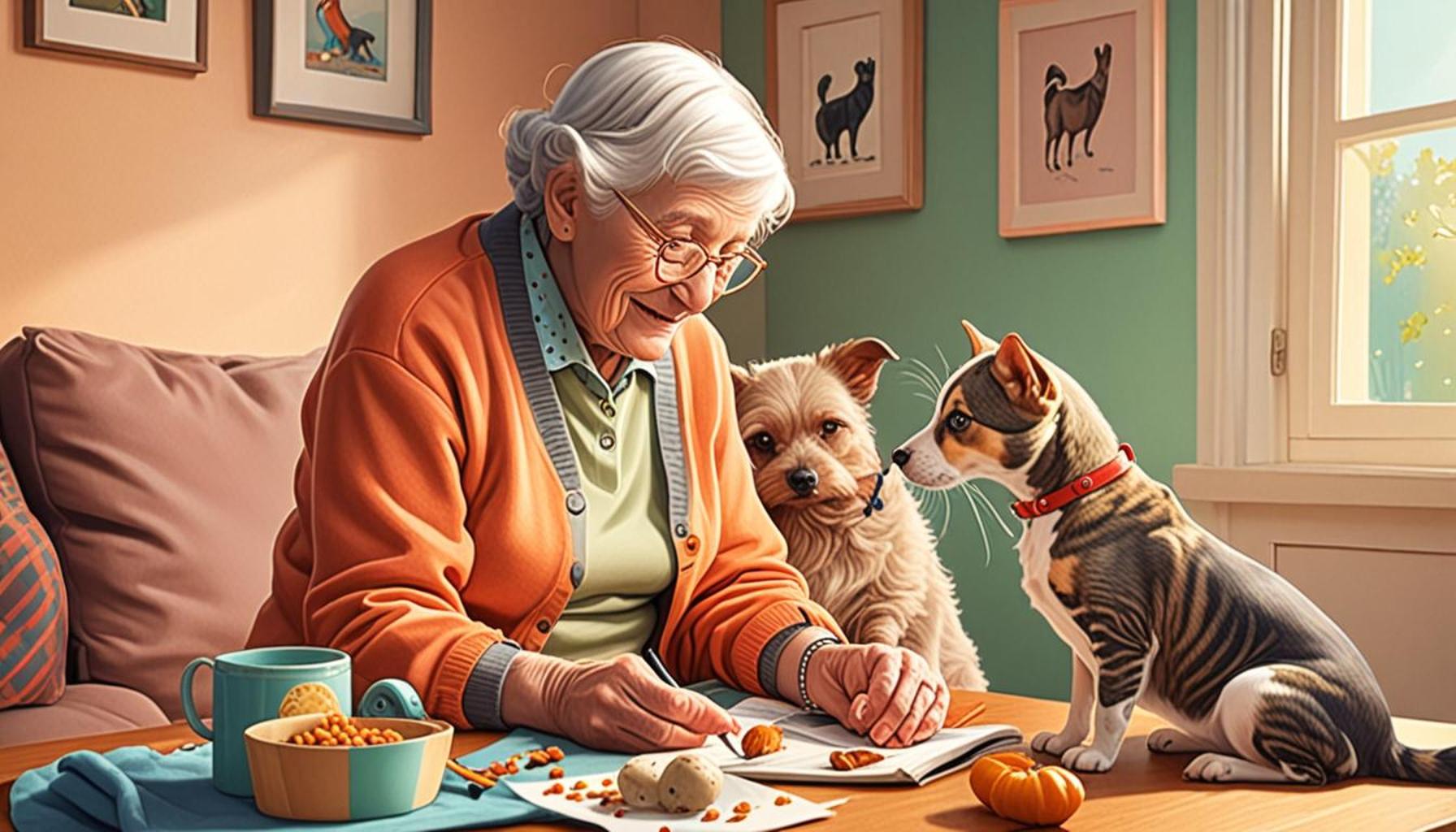
The integration of animals in therapeutic contexts has become a revolutionary approach in mental health care, particularly as a means to alleviate psychological distress. Animal-assisted therapy (AAT) is distinct in its capacity to harness the innate bond between humans and animals to support emotional healing. This innovative modality has gained recognition for its profound effects on individuals battling mental health issues, with a growing body of research supporting its efficacy.
The core of AAT lies in the comfort and companionship that animals provide. This can be particularly beneficial for individuals struggling with anxiety or depression, as the presence of a furry friend may evoke feelings of calm and safety. A study published in the Journal of Psychiatric Research indicated that patients who engaged in AAT reported lower levels of anxiety and significantly improved moods compared to those who did not participate in animal interactions.
Key Advantages of Animal-Assisted Therapy
Several key benefits of AAT have been identified:
- Enhanced Emotional Resilience: The act of petting or simply being near an animal can lead to the release of oxytocin, also known as the “love hormone,” which helps reduce stress and promote feelings of connection. For example, therapy dogs are often used in settings such as airports to soothe anxious travelers.
- Improved Social Skills: Animals serve as excellent social facilitators. They can help individuals, particularly those with social anxiety or autism spectrum disorders, engage in therapeutic activities. AAT sessions often incorporate group exercises that encourage communication and teamwork, helping participants practice social skills in a safe environment.
- Physical Health Benefits: AAT does not only address emotional health; it also has quantifiable physical health benefits. Some studies show a significant decrease in blood pressure and heart rate among individuals participating in AAT, leading to overall improved health outcomes.
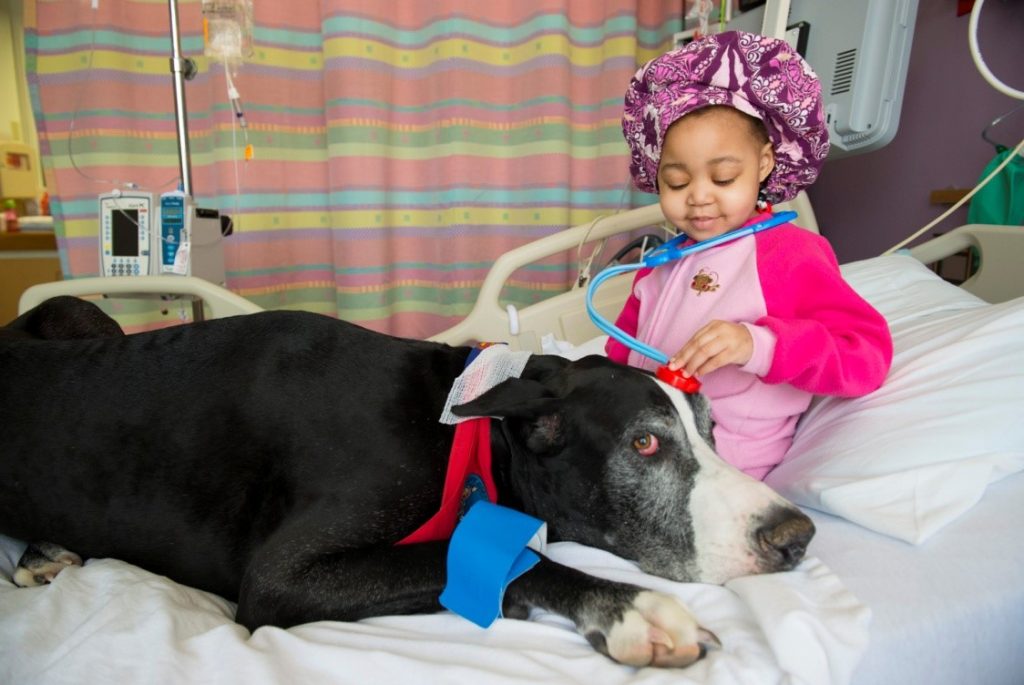
As mental health challenges, including anxiety and depression, continue to rise in the United States—affecting millions—it’s crucial to explore effective, holistic therapies. AAT has been successfully implemented in a variety of environments, including schools where therapy animals assist children facing emotional difficulties, hospitals where they help patients cope with illness, and rehabilitation centers, enhancing the recovery experiences for individuals in treatment.
Psychologists, counselors, and other mental health professionals are now increasingly considering the integration of animals into their therapeutic practices. This burgeoning interest stems from the compelling evidence supporting the positive role of animals in therapy. The bonds formed between humans and animals not only provide emotional support but also create opportunities for deeper, meaningful connections that can complement traditional therapeutic techniques.
In conclusion, as awareness of AAT grows, it invites a broader discussion on the importance of holistic approaches to mental health care. Many professionals and individuals are advocating for the inclusion of animal partners in therapy sessions, recognizing their ability to nurture and enhance the healing journey.
DISCOVER MORE: Click here for essential tips
Understanding the Role of Animals in Therapy
The essence of animal-assisted therapy (AAT) lies in the unique bond that humans share with animals, an interaction that can cultivate profound emotional experiences and facilitate healing. The presence of animals—be it dogs, cats, or even horses—can create a nurturing environment that is especially beneficial for individuals grappling with mental health challenges. These interactions can instill a sense of purpose, reduce feelings of isolation, and enhance self-esteem, proving invaluable for individuals in therapy.
One of the most compelling aspects of AAT is its versatility. The therapy can be tailored to meet the specific needs of individuals across various age groups and backgrounds. For children facing emotional or developmental concerns, therapy animals can serve as catalysts for communication and expression. Adolescents navigating the tumultuous period of teenage life often find solace in the companionship of a therapy pet, which can assist in developing skills to manage anxiety and build resilience. Adults dealing with depression or other mental health issues may discover that the unconditional love of an animal offers an invaluable source of comfort and companionship, which traditional therapeutic approaches sometimes fail to provide.
Scientific Evidence Supporting AAT
Research indicates that the benefits of animal-assisted therapy on mental health are not merely anecdotal. Numerous studies reaffirm the effectiveness of this approach. Highlights from recent research include:
- Reduction of Anxiety and Stress: A study conducted by the University of Missouri found that interacting with therapy dogs led to a significant decrease in both physiological and psychological indicators of stress. Participants who spent time with therapy dogs showed lower cortisol levels, a hormone associated with stress, as well as reduced feelings of anxiety.
- Enhanced Mood and Emotional Well-being: Another important study published in the Journal of Emotional Support Animal Research showed that individuals engaged in AAT reported less depression and enhanced moods in various settings, including mental health facilities and outpatient programs. The natural affection and spontaneity of animals can create joyful interactions, leading to improved emotional states.
- Facilitating Coping Mechanisms: Therapy animals can also provide support during particularly challenging moments, such as crisis situations or traumatic experiences. Having an animal present can help individuals learn effective coping mechanisms, providing a sense of stability and clarity during therapy sessions.
As the understanding of mental health evolves, AAT has gained traction as an integral part of comprehensive care. Mental health professionals are increasingly advocating for the incorporation of animals into treatment plans, recognizing that the bonds formed during these interactions can contribute significantly to the healing process. The therapeutic partnership between humans and animals not only promotes emotional recovery but also encourages a holistic approach that prioritizes the individual’s overall well-being.
In summation, the role of animals in animal-assisted therapy highlights a transformative shift in mental health care, utilizing the unique strengths of our furry companions to foster healing and emotional growth. Through continued research and advocacy, AAT is poised to take its place as a cornerstone of modern therapeutic practices.
The Importance of Animal-Assisted Therapy in Mental Health
Animal-Assisted Therapy (AAT) is gaining traction as a complementary approach to traditional mental health treatments. This therapeutic mode involves guided interactions between patients and trained animals, particularly dogs and horses. Research indicates that engaging with animals during therapy sessions can positively impact individuals struggling with anxiety, depression, and PTSD. AAT could significantly enhance emotional well-being by fostering a sense of trust and safety. Patients may feel more comfortable expressing their feelings in the presence of a non-judgmental animal, which cultivates an environment conducive to healing. Furthermore, the sensory stimulation provided through petting and bonding with animals can lead to reduced stress levels. When a person engages in AAT, the act of touching and interacting with an animal can lower cortisol levels—the hormone associated with stress—while promoting the release of serotonin, a chemical linked to well-being.The role of animals goes beyond just improving mood; they also aid in social reintegration, especially for individuals who may find human interactions overwhelming. Animals act as social catalysts, often leading to increased conversation among individuals in therapy groups or facilitating connections between patients and caretakers. This aspect highlights the importance of animals in breaking down barriers that often obstruct emotional expression.In practical settings, AAT is being integrated into hospitals, rehabilitation centers, and community health programs. As mental health professionals recognize the unique benefits of incorporating animals into treatment, there is a growing interest in studying strategies for effective implementation. To further illustrate these benefits, the following table provides key insights into various aspects of AAT and its advantages:
| Category | Description |
|---|---|
| Emotional Benefits | Creates trust, reduces feelings of isolation, and enhances communication. |
| Physical Health | Lowers stress hormones and boosts mood through physical interaction. |
This growing interest and research into AAT provide valuable opportunities for improving mental health treatment methodologies, making it a noteworthy subject for both practitioners and those seeking new avenues for improving mental health outcomes.
DISCOVER MORE: Click here to learn how pets can enhance your well-being
Broadening Perspectives: AAT and Specific Mental Health Conditions
Animal-assisted therapy (AAT) has emerged as a powerful intervention tool for various mental health conditions, including PTSD, depression, and autism spectrum disorders. By recognizing the nuanced ways in which animals facilitate emotional connection, therapists can develop more personalized treatment plans that cater to the unique needs of their patients.
For veterans struggling with post-traumatic stress disorder (PTSD), AAT can serve as a bridge to recovery. Research by the U.S. Department of Veterans Affairs highlights that therapy dogs significantly reduce the symptoms of PTSD, including hyperarousal and avoidance behaviors. The tactile sensations of petting a dog can ground individuals in the present moment, counteracting intrusive thoughts and promoting mindfulness. This is particularly important as many veterans face barriers to traditional therapy methods, such as trust issues or feelings of stigmatization.
In the realm of depression, studies have shown that the presence of animals can significantly reduce feelings of loneliness and despair. A study published in the journal Animals revealed that participants in AAT programs experienced improvements in their overall mood and quality of life. This improvement stems from the routine care involved in looking after an animal, which often encourages individuals to engage more actively in life. The natural interactions offered by therapy animals can lead to laughter and joy, which are crucial elements in combating the pervasive gloom that often accompanies depression.
Children on the autism spectrum can also gain considerably from AAT. The consistent and nonjudgmental companionship of therapy animals helps in building social skills and fostering communication. Research conducted by the University of Southern California found that children with autism who interacted with therapy dogs demonstrated an increase in social engagement and eye contact. One striking phenomenon is how the presence of an animal can divert attention from the child’s anxiety, thereby allowing them to focus on the interaction itself and develop interactive behaviors more comfortably. Facilitators have reported that the animal acts as a social lubricant, enabling more natural communication with peers and adults.
Implementation in Clinical Settings
The integration of AAT into clinical settings requires careful consideration and structured protocols. The American Psychological Association has begun to advocate for the systematic training of therapy animals and their handlers to ensure optimal outcomes during sessions. The protocol includes regular assessments of both the therapists and the animals to confirm that they are providing safe and effective support for their respective clients.
Moreover, telehealth has opened new avenues for AAT. Given the rise of remote therapy sessions, therapists can now use digital platforms to incorporate animal presence interactively. This innovation is particularly helpful for individuals unable to attend in-person sessions, as virtual interactions with therapy animals can still evoke positive emotional responses. By utilizing technology, therapists can extend the reach of AAT, ensuring that its benefits are accessible to a broader audience.
As AAT continues to gain traction within the mental health community, understanding its implications and applications is becoming increasingly important. With the backing of scientific research and the endorsement of mental health professionals across the country, the significance of integrating animals into therapeutic practices cannot be overstated. Through these multifaceted therapies, individuals can find hope, healing, and a renewed sense of connection in their journey toward mental well-being.
DIVE DEEPER: Click here to learn more about how breed selection affects pet behavior
Conclusion: The Transformative Potential of AAT in Mental Health
As we have explored, animal-assisted therapy (AAT) stands at the intersection of empathy and healing, proving to be a vital adjunct in the treatment of various mental health conditions. From alleviating symptoms of post-traumatic stress disorder (PTSD) in veterans to enriching the emotional landscape of individuals grappling with depression and enhancing social skills in children on the autism spectrum, AAT offers a unique and relatable form of support that traditional therapies may lack. The gentle presence of animals brings not only comfort but also a sense of responsibility and joy, encouraging individuals to actively participate in their recovery process.
Furthermore, with the rise of telehealth, AAT is becoming increasingly accessible, allowing therapists to integrate animal interactions into remote sessions. This evolution has opened new doors for patients who previously faced barriers to treatment, ensuring that the healing benefits of AAT are not restricted by geography or circumstance. The systematic implementation of structured protocols and training in clinical settings only fortifies the effectiveness of AAT, fostering a culture of safety and efficacy.
The growing body of research supporting AAT underscores its importance in contemporary mental health practices. As we move forward, a commitment to understanding, refining, and promoting animal-assisted therapy is imperative. By embracing this compassionate approach, we can offer hope and healing to those in need, paving the way toward a brighter, more connected future in mental health care.