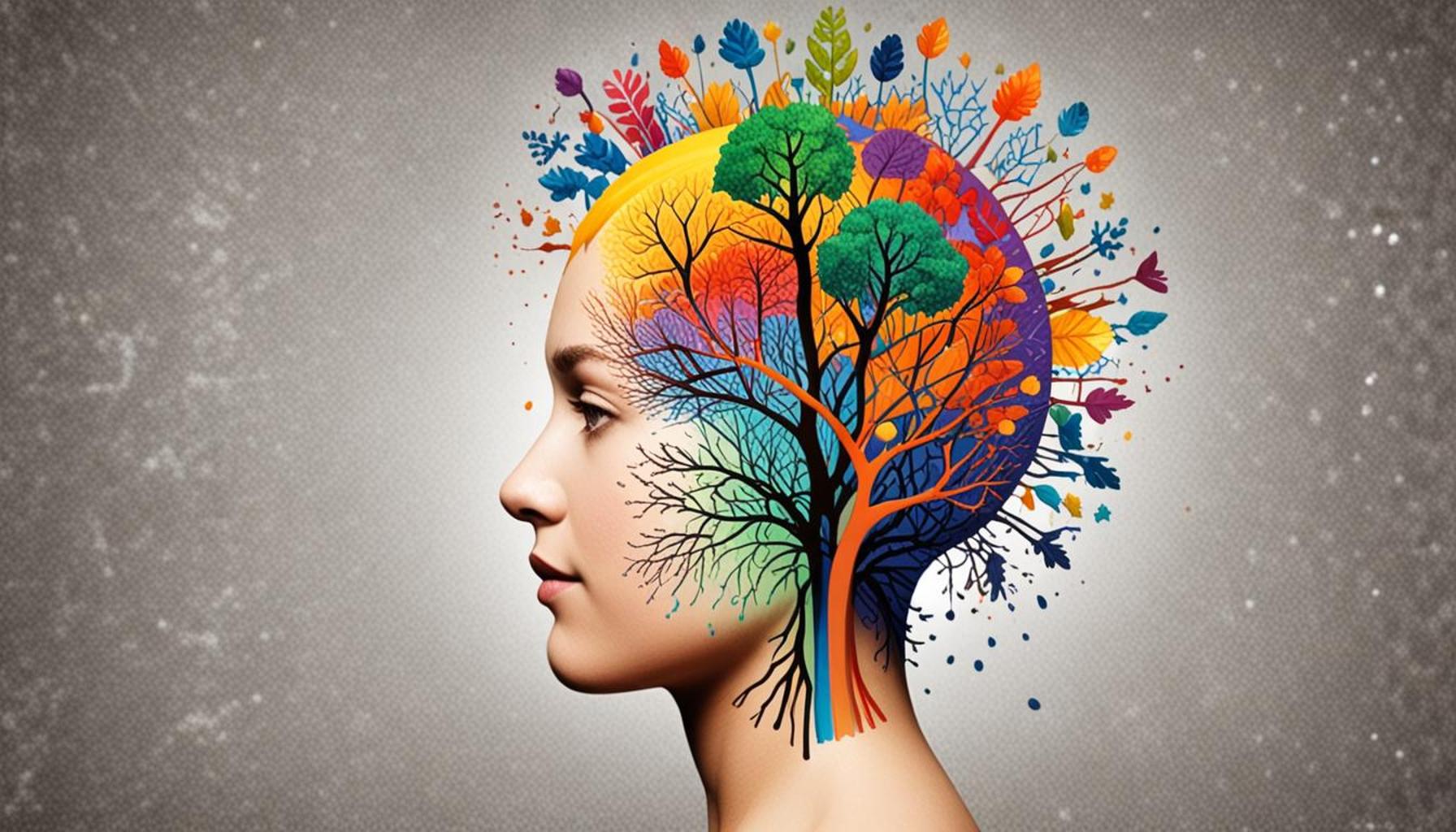
The importance of interdisciplinarity in self-directed learning and how to apply it

Exploring Interdisciplinarity in Today’s World
The modern landscape is characterized by an ever-growing complexity, driven by rapid advancements in technology and globalization. As such, acquiring the ability to blend insights and methodologies from diverse fields has become paramount. Interdisciplinarity stands as a powerful tool, breaking down the silos that often impede innovation and holistic understanding. By merging concepts from various disciplines, individuals can enhance their learning experience and harness creativity, leading to more effective problem-solving.
The benefits of adopting an interdisciplinary approach are manifold and profoundly impactful:
- Enhanced Problem-Solving: One of the most significant advantages of interdisciplinary learning is its capacity to foster innovative solutions. For example, consider the challenge of climate change, which requires insights from science, economics, and public policy. By integrating knowledge from these areas, researchers can devise comprehensive strategies that address not just the environmental impacts, but also the socio-economic factors involved.
- Broader Skill Set: Engaging with multiple disciplines cultivates versatile skills that can be adapted to various professional environments. A student who studies both psychology and marketing, for instance, can leverage an understanding of human behavior to create more effective advertising campaigns. This versatility is invaluable in a job market that increasingly seeks candidates with multifaceted abilities.
- Increased Engagement: Interdisciplinary studies stimulate curiosity and critical thinking. By studying a subject like bioethics, which intersects science and philosophy, learners are prompted to consider the implications of scientific advances on society. Such inquiries can lead to deeper engagement and a thirst for knowledge that extends beyond the classroom.
To effectively embrace interdisciplinarity in self-directed learning, various strategies can be employed that facilitate this holistic approach:
- Collaborative Projects: Teaming up with peers from different fields can provide new perspectives. For instance, a group of students from healthcare, technology, and business programs could collaborate to design a telehealth platform that is not only effective but also user-friendly and economically viable.
- Crossover Research: Exploring topics that lie at the intersection of multiple disciplines can lead to groundbreaking insights. For example, studying the effects of social media on mental health requires knowledge from sociology, psychology, and communication studies, providing a comprehensive understanding of its impacts.
- Online Courses: With the burgeoning availability of Massive Open Online Courses (MOOCs), learners can easily enroll in programs that merge subjects like environmental science and technology, allowing them to gain insights from both realms and understand their interplay.
Ultimately, cultivating a mindset that embraces interdisciplinary exploration not only deepens one’s understanding of complex subjects but also equips learners with the necessary skills to navigate future challenges. In an era that values adaptability, innovation, and cross-pollination of ideas, the interdisciplinary approach is not just beneficial; it is essential for success in any field.
DISCOVER MORE: Click here to learn about the impact of community and networking

The Power of Interdisciplinarity in Self-Directed Learning
As the pace of change accelerates in our interconnected world, the need for self-directed learners to embrace an interdisciplinary approach becomes increasingly vital. This method not only enhances the depth of knowledge but also fosters a capacity for critical thinking, enabling individuals to tackle multifaceted challenges head-on. By integrating insights from multiple fields, learners can cultivate a rich tapestry of understanding that empowers them to innovate and adapt to evolving circumstances.
One of the most notable aspects of interdisciplinary learning is its ability to integrate diverse perspectives. For instance, if an individual delves into the intersection of environmental science, urban planning, and sociology, they can gain a comprehensive view of the factors contributing to urban sustainability. Such integration encourages learners to question existing paradigms and develop solutions that are both effective and contextually relevant.
Moreover, interdisciplinary learning nurtures creativity. When individuals draw connections between seemingly unrelated areas, they open doors to novel ideas and approaches. This can be observed in fields such as art therapy, which combines psychology and the arts to promote emotional well-being. Students engaging in such interdisciplinary studies often discover innovative ways to express themselves while benefiting from enhanced mental health outcomes.
The practical applications of interdisciplinary learning are vast. Here are some strategies that individuals can employ to effectively engage with different fields:
- Integrated Learning Projects: Designing projects that require inputs from various disciplines encourages a more comprehensive understanding. For example, developing a community health initiative could involve insights from public health, sociology, and education, resulting in a program that addresses both the medical and social determinants of health.
- Interdisciplinary Mentorship: Seeking mentorship from professionals across different fields can provide valuable guidance. For instance, a learner interested in technology may benefit from insights not only from IT specialists but also from experts in philosophy or ethics, allowing them to navigate the moral implications of technological advancements.
- Workshops and Conferences: Participating in workshops that feature speakers from various disciplines exposes learners to new ideas and methodologies. Highlighting the relevance of interdisciplinarity in forums can spark discussion and collaboration, ultimately broadening one’s horizons.
By actively applying interdisciplinary practices, self-directed learners can gain a competitive advantage in today’s job market. Employers increasingly seek candidates who can think critically and navigate complex situations through a multifaceted lens. The integration of interdisciplinary knowledge allows professionals to contribute meaningfully to discussions and innovations across their fields.
In summary, embracing an interdisciplinary approach to self-directed learning significantly enhances the learner’s ability to engage effectively with the world. It creates pathways of understanding that lead to innovative solutions, cultivates a rich skill set, and fosters deeper engagement with diverse subjects. The capacity to connect and apply knowledge across disciplines is not just beneficial—it’s essential for success in a rapidly evolving landscape.
The Importance of Interdisciplinarity in Self-Directed Learning
In today’s rapidly changing world, the landscape of education is shifting. Traditional learning methods often fall short, particularly in equipping learners with the multifaceted skills required for success. This is where interdisciplinarity comes into play, offering a robust framework for self-directed learning. By integrating knowledge from various academic disciplines, learners can develop a more holistic understanding of complex problems, thereby fostering critical thinking, creativity, and innovation.Interdisciplinary approaches encourage students to traverse academic boundaries, connecting insights from, for instance, science and art, or technology and philosophy. This not only enriches the learning experience but also cultivates adaptability—an essential trait for navigating the complexities of contemporary life. Moreover, it enables learners to draw unique connections that enhance problem-solving abilities. To apply interdisciplinarity in self-directed learning effectively, one can start by identifying personal interests that overlap the fields. For example, a student interested in environmental science can explore topics in policy, ethics, and economics to comprehensively address climate change issues. Engaging in interdisciplinary projects, forming study groups with diverse skill sets, and utilizing online platforms to access varied resources are practical steps toward integrating this valuable approach.The fusion of disciplines paves the way for lifelong learning, a necessity in our information-driven society. Emphasizing the importance of self-directed interdisciplinary learning not only helps learners gain depth in their chosen fields but also broadens their horizons, preparing them for unforeseen challenges and opportunities ahead.
| Category 1 | Category 2 |
|---|---|
| Interdisciplinary Learning | Combines knowledge from various fields to generate innovative solutions. |
| Benefits of applying interdisciplinarity | Enhances problem-solving skills, fosters creativity, and expands personal insight. |
This dynamic approach to education holds the potential to not only transform individual learning experiences but also influence societal progress as a whole, proving that interdisciplinary paths lead to a rich terrain of knowledge and skill acquisition.
DIVE DEEPER: Click here to uncover more insights
Strategies to Foster Interdisciplinary Connections in Self-Directed Learning
To fully harness the power of interdisciplinarity in self-directed learning, individuals must actively seek to bridge gaps between various fields. This can facilitate a more nuanced understanding of complex societal issues and enhance everyday problem-solving skills. Here, we explore additional strategies to deepen interdisciplinary connections and encourage learners to think beyond conventional silos.
One effective method is through collaborative learning networks. This entails forming study groups or learning communities where participants bring diverse expertise to the table. For example, a group composed of a teacher, a healthcare professional, and a business analyst can tackle projects related to educational technology, pulling from their combined experiences to innovate solutions that cater to holistic learning approaches. Such collaborative environments foster dialogue and allow learners to challenge each other’s perspectives, enriching the overall learning experience.
Additionally, engaging in real-world problem-solving projects can be particularly transformative. Learners can identify community issues and collaborate with stakeholders from different disciplines to craft comprehensive solutions. Consider a local environmental concern, like the pollution of a river. An interdisciplinary team consisting of environmental scientists, engineers, and social activists can analyze data, create viable interventions, and advocate for policy changes. This hands-on experience not only solidifies interdisciplinary learning but also promotes civic engagement.
Another compelling avenue is the integration of technology to facilitate interdisciplinary exploration. Online courses and platforms like Coursera, edX, or Khan Academy offer a plethora of options across various fields. Learners can curate their educational journeys, picking courses from mathematics, technology, and arts that collectively enhance their understanding. Furthermore, tools such as virtual reality (VR) can simulate interdisciplinary scenarios, allowing users to interactively engage with complex topics in a dynamic environment.
Moreover, interdisciplinary research is gaining traction in academic settings, often pushing boundaries to explore previously under-examined areas. Participating in academic research that spans multiple fields offers another layer of engaging learning. Universities across the United States encourage students to collaborate on multidisciplinary research teams focused on issues like climate change, public health, or technology ethics. As students work alongside faculty across various departments, they learn to appreciate different methods of inquiry and apply them to their studies.
Incorporating reflections on cultural competencies can further enhance interdisciplinary learning, especially in a diverse society like the United States. Understanding various cultural contexts equips learners with the ability to engage with global problems more effectively. Workshops that address cross-cultural communication and global citizenship can help develop an awareness of how different disciplines approach similar issues. This cultural lens not only enriches discussions but also creates a more inclusive learning environment.
Lastly, lifelong learning should be a cornerstone of interdisciplinary engagement. Many professionals integrate and learn about trends within and outside their domains to maintain relevance in their fields. By continuously seeking knowledge, attending seminars, reading interdisciplinary literature, and participating in webinars, learners remain adaptable and informed, critical traits in a rapidly changing landscape. Interdisciplinary approaches to self-directed learning empower individuals to take charge of their education, encouraging exploration and innovation.
DISCOVER MORE: Click here to learn how self-reflection fuels motivation
Conclusion
In today’s interconnected world, the significance of interdisciplinarity in self-directed learning cannot be overstated. As learners venture beyond the confines of traditional educational disciplines, they unlock the potential for deeper understanding and innovative problem-solving. By embracing diverse perspectives and blending knowledge from fields such as science, art, business, and social studies, individuals not only enhance their cognitive abilities but also prepare themselves to navigate the complexities of modern life.
Practical strategies—such as forming collaborative learning networks, engaging in real-world problem-solving, and leveraging technology—serve as catalysts for interdisciplinary exploration. As learners actively draw from multiple domains, they cultivate skills essential for adaptability and creativity. The integration of these broader perspectives fosters critical thinking, making it easier to address pressing societal issues, from environmental concerns to healthcare challenges.
Moreover, as we consider the cultural dynamics of an increasingly global society, the incorporation of cultural competencies can significantly enhance interdisciplinary learning experiences. By understanding various cultural contexts, learners emerge with a more holistic view of global problems and potential solutions.
Ultimately, self-directed learning augmented by an interdisciplinary approach becomes a lifelong journey of discovery and growth. It empowers individuals to pursue knowledge actively, maintain relevance in their fields, and contribute meaningfully to their communities. As we embrace this integrated learning model, the potential for innovation and informed action becomes not only a possibility but a reality.