The Importance of Nutritional Information in Feeding Dogs and Cats
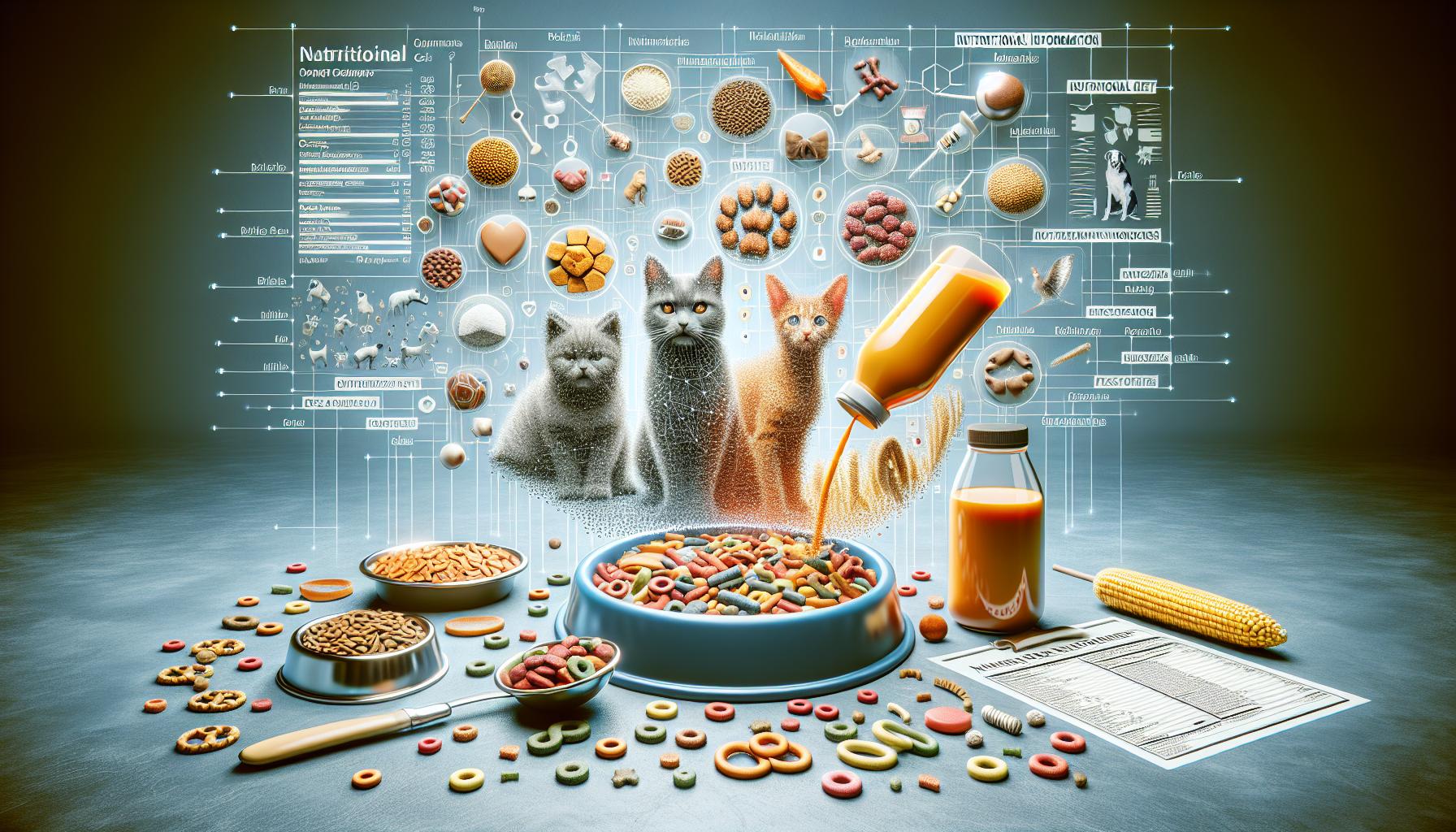
The Importance of Choosing the Right Food for Your Pets
Navigating the vast landscape of pet food options can feel overwhelming for many pet owners. In a world where the choices range from dry kibble, wet food, raw diets, and specialized formulas, understanding nutritional information is paramount. It allows pet owners to make informed decisions that not only influence their pets’ health but also enhance their overall happiness and vitality.
One critical aspect of pet nutrition is ensuring a balanced diet. Dogs and cats require specific nutrients, including proteins, fats, carbohydrates, vitamins, and minerals, in varying amounts. For instance, dogs benefit from a higher protein diet than some other pets, while cats require certain amino acids like taurine, which they cannot produce on their own. A well-rounded diet strengthens their immune system, supports muscle growth, and maintains a healthy weight.
Another vital consideration is the potential for health issues. Just as humans can suffer from food allergies, pets can be adversely affected by certain ingredients, leading to skin irritations, digestive issues, or more severe conditions such as obesity and diabetes. For example, some grains and fillers commonly found in pet foods can be hard for dogs to digest and may contribute to weight gain. Understanding the ingredients listed on food labels empowers pet owners to select formulations free of allergens that can trigger adverse reactions in their pets.
Proper nutrition plays a significant role in longevity and quality of life. A dog or cat that receives adequate vitamins and minerals is likely to lead a longer, healthier life. Studies conducted by veterinary associations have indicated that pets fed nutritionally complete diets are less prone to chronic illnesses, thereby ensuring not just prolonged lifespans but also improved life quality. For example, Omega-3 fatty acids, often found in fish oils and certain dog foods, can help reduce inflammation and promote cognitive function, enhancing the pet’s quality of life as they age.
In recent years, awareness of nutritional needs for pets has surged in the United States, prompting various resources to emerge to assist owners in understanding food labels. Veterinary nutritionists play an increasingly important role by advising pet owners on appropriate dietary choices tailored to their pets’ specific needs. With a little research and thoughtful consideration, pet owners can make choices that significantly impact their furry friends’ lives.
Overall, engaging in this crucial topic will deepen your understanding of pet nutrition and provide insight into how their diet directly affects their daily life and well-being. Dive deeper into the array of nutrients and food types available, as well as how to interpret food labels effectively, to become the best advocate for your beloved pets. Stay tuned, as we will explore these vital factors in further detail.
DISCOVER MORE: Click here to learn about training exotic animals
Understanding the Nutritional Needs of Dogs and Cats
When it comes to pet nutrition, the ingredients in pet food are more than just mere components; they serve as essential building blocks for your pet’s health. Both dogs and cats are distinct in their dietary requirements, and recognizing these unique needs is crucial for pet owners aiming to provide a well-balanced diet. For example, while both animals derive energy from carbohydrates, the proportion of protein varies significantly between species. Dogs can metabolize a higher percentage of carbohydrates, yet cats, being obligate carnivores, thrive primarily on protein sources.
Moreover, the lifecycle stage of your pet must be considered when selecting food. Puppies and kittens have different nutritional requirements than adult or senior pets. Nutritional deficiencies or imbalances during critical developmental phases can lead to lifelong health issues. For instance, growing puppies require higher levels of calories, protein, and certain vitamins, such as vitamin D and calcium, in order to support their rapid growth and skeletal development. In contrast, senior pets may benefit from diets reduced in calories but enriched with antioxidants to support their aging immune systems.
The Role of Nutritional Information on Food Labels
Understanding nutritional information on pet food labels is fundamental for making informed choices. The Association of American Feed Control Officials (AAFCO) provides guidelines that many manufacturers adhere to when formulating their products. The AAFCO statement indicates whether a food is complete and balanced for a specific life stage, which is paramount for ensuring your pet’s dietary needs are met. Analyzing this information involves looking closely at:
- Guaranteed Analysis: Lists the minimum percentages of crude protein and fat, as well as the maximum percentages of fiber and moisture. This provides an overview of the food’s nutrient content.
- Ingredient List: Ingredients are listed by weight, so the first few items are crucial. Whole meats or meat meals should top the list, as these are more beneficial for protein intake.
- Feeding Guidelines: Offers a suggested daily quantity based on your pet’s weight to help prevent overfeeding or underfeeding.
Translating these aspects into everyday decision-making can feel daunting. However, many resources are available to help demystify this process. Websites, pet forums, and community pet nutrition workshops offer valuable insights and support. Collaborating with a veterinary nutritionist can also provide tailored advice based on your pet’s unique needs, helping to clarify any doubts you may have about nutritional content and ingredient quality.
Understanding these key components of pet nutrition equips owners with the tools necessary to ensure their dogs and cats receive the nourishment they need for a healthy and fulfilling life. As awareness continues to grow, we can all become advocates of better health choices for our beloved pets, paving the way for a more informed future in pet ownership.
| Advantages | Description |
|---|---|
| Enhanced Health | Nutritional information leads to better health outcomes for pets, helping manage weight, digestion, and overall wellness. |
| Informed Choices | Pet owners can make educated decisions regarding food selection, optimizing the diet to meet individual health needs. |
Understanding the significance of nutritional information is crucial for anyone who cares for dogs and cats. By deciphering pet food labels, owners can pinpoint quality ingredients, ensuring their furry companions receive a balanced diet packed with essential nutrients. Nutritional information reveals protein sources, vitamins, and minerals that play an integral role in supporting a pet’s healthy lifestyle.Moreover, the right nutritional balance can prevent serious health issues. For example, diets rich in omega fatty acids are linked to improved coat shine and skin health. Additionally, recognizing the importance of digestible carbohydrates can significantly affect a pet’s energy levels and vitality. With the rise of various dietary trends, such as grain-free and high-protein diets, understanding nutritional information enables pet owners to navigate these options wisely, preventing potential adverse effects.The awareness and comprehension of nutritional information also promote longevity and a better quality of life in our pets, as well as reducing veterinary costs associated with nutrition-related ailments. Knowledge is power; the more owners understand nutrition, the better equipped they are to foster the health and well-being of their beloved pets.
DISCOVER MORE: Click here to learn about the crucial role of nutrition in your pet’s health
Quality vs. Quantity: The Impact of Nutrition on Pet Well-Being
The quality of ingredients in pet food is just as critical as the quantity consumed. Many pet owners assume that all commercial pet foods are created equal, but this could not be further from the truth. A broad spectrum of products exists in the marketplace, ranging from premium brands boasting higher-quality ingredients to budget-friendly options with fillers and artificial additives. The nutritional impact of these choices can significantly influence the overall health of dogs and cats.
High-quality pet foods typically prioritize whole meats and wholesome ingredients, offering a more balanced approach to nutrition. These foods are designed to closely mimic a dog’s or cat’s natural diet, which primarily consists of proteins and fats. Conversely, lower-quality options often contain by-products, unidentified meat sources, or excessive fillers like corn and soy, which can lead to nutrient imbalances. Research shows that animals fed nutritious diets experience fewer health issues, such as obesity, allergies, and chronic diseases. A study published in the Journal of Animal Science indicates that properly formulated diets can enhance longevity and reduce the risk of age-related illnesses.
Understanding Allergies and Food Sensitivities
Another crucial aspect of pet nutrition that often gets overlooked is the presence of food allergies and sensitivities. Just like humans, dogs and cats can suffer from adverse reactions to certain ingredients. Common allergens in pet food include beef, chicken, dairy, wheat, and corn. Identifying these triggers requires observing your pet’s behavior and health. Symptoms can manifest as skin irritations, digestive upset, and changes in energy levels.
For this reason, the elimination diet approach is often recommended by veterinarians. This involves removing potential allergens from your pet’s diet and monitoring for signs of improvement. Nutritional information plays a vital role here, as it helps owners navigate available products to find alternatives free of the identified allergens. Many brands now offer specialized formulas designed for pets with food sensitivities, which can alleviate uncomfortable symptoms.
The Role of Supplements
As part of a well-rounded approach to pet nutrition, many pet owners consider adding supplements to their pets’ diets to enhance overall health. Nutritional information on food labels can act as a guide in this aspect as well. For example, specific vitamins, minerals, or fatty acids found in high-quality foods may reduce the need for additional supplements. However, if your pet is on a diet that may be lacking certain nutrients, supplements can support health and wellness.
Omega-3 fatty acids, for instance, are known for their beneficial effects on skin and coat health, while glucosamine can help support joint health, especially in aging pets. When considering supplements, it’s important to consult with a veterinarian, who can recommend appropriate options based on your pet’s unique health profile and nutritional needs.
In summary, digging deeper into the nutritional information not only leads to informed food choices but also sets the stage for proactive pet care. By understanding the ingredients, potential sensitivities, and the overall quality of pet food, owners can navigate the complex landscape of pet nutrition, securing the best possible outcomes for their furry friends. As the pet care industry continues to evolve, remaining educated about these choices will ultimately empower pet owners, enhancing the quality of life for their canine and feline companions.
DISCOVER MORE: Click here for tips on keeping your pet mentally stimulated
Conclusion: A Path to Healthier Pets through Nutritional Knowledge
The journey toward optimal health for our beloved pets begins with an understanding of nutritional information available in their food. As responsible pet owners, it is crucial to remember that the ingredients we choose for our dogs and cats can have profound effects on their overall well-being. High-quality nutrition not only aids in preventing various health issues such as allergies, obesity, and chronic diseases but also contributes to their vigor and longevity.
Furthermore, recognizing the significance of food allergies and sensitivities opens avenues for tailored dietary solutions, ensuring that our furry companions thrive within their unique biological frameworks. With the rise of specialized formulas and supplements, the modern pet food market offers an impressive range of options that cater to specific needs, empowering owners to make informed decisions.
Investing time in researching nutritional labels and understanding key ingredients will provide a clearer pathway in selecting products that align with your pet’s health requirements. Regular consultations with veterinarians will further enhance this understanding, enabling pet owners to adopt a proactive approach to nutrition.
As the awareness of nutrition continues to grow within the pet care community, embracing the responsibility of being an informed consumer will pave the way for happier, healthier, and more vibrant companions. It is our duty to advocate for the best possible nutrition for our pets, ultimately transforming routine feeding into a fundamental component of their long and joyful lives.