The Influence of Training on the Prevention of Undesirable Behaviors in Dogs

Understanding Canine Behavior
Every dog owner has encountered a moment when their furry friend exhibits undesirable behaviors. From excessive barking to chewing furniture, these actions can be frustrating and disruptive. However, the cornerstone of effective pet ownership lies in understanding how training can significantly influence and mitigate these behaviors.
Benefits of Training
Training not only promotes good behavior but also enhances the bond between dogs and their owners. Here are some key benefits:
- Improved Communication: Training establishes a two-way understanding between the dog and the owner. Commands like ‘sit’, ‘stay’, and ‘come’ not only instruct the dog on what to do but also help owners understand their dog’s needs and moods better. This mutual comprehension facilitates smoother interactions.
- Socialization: Introducing dogs to various environments, people, and other animals through training helps them become well-adjusted. For instance, puppies that attend socialization classes from a young age are less likely to exhibit fear-based behaviors as adults, enabling them to navigate different social situations with confidence.
- Prevention of Behavioral Issues: Early training can help avoid problems like aggression or anxiety. A well-trained dog is less likely to jump on guests, bark incessantly, or develop separation anxiety. Proactive training can save owners from future heartache and potential behavioral crises.
In the United States, training programs vary widely, ranging from group classes at local pet stores to one-on-one sessions with professional trainers. The principles, however, remain consistent across different methodologies—ensuring that addressing undesirable behaviors early on can lead to a harmonious home environment.
Key Training Techniques
Effective training techniques include:
- Positive Reinforcement: This method involves rewarding good behavior to encourage its repetition. For example, giving treats or affection when a dog obeys a command can reinforce the action, making it more likely to be repeated.
- Consistency: Utilizing the same commands and signals helps avoid confusion. If one family member uses ‘down’ for a dog to lie down while another uses ‘lie down,’ it can create misunderstandings. Consistent commands ensure clarity, making training more effective.
- Professional Guidance: Enlisting the help of certified trainers or attending classes offers both proper instruction and socialization opportunities for dogs. Trainers can provide tailored advice and techniques suited to a dog’s unique personality, enhancing the training experience for both the dog and owner.
As we delve deeper into the relationship between training and behavior management, it becomes clear that proactive steps can lead to a more enjoyable experience for both dogs and their owners. Understanding and implementing effective training strategies can lead to lasting change, ultimately fostering a greater sense of peace within the home.
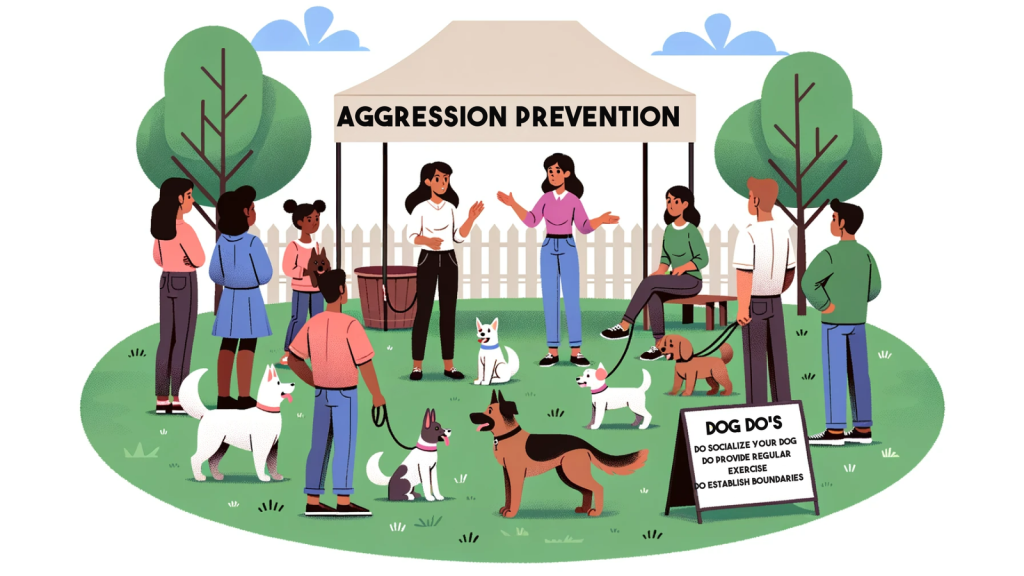
The Role of Training in Shaping Canine Behavior
Understanding how training influences undesirable behaviors in dogs is essential for any pet owner aiming to cultivate a well-behaved companion. It’s important to recognize that canine behavior is not merely a result of instinct but significantly shaped by the experiences and instructions provided by their human counterparts. Therefore, the right training approach can cover a broad spectrum of behavioral challenges.
Identifying Undesirable Behaviors
Before addressing how training can prevent undesirable behaviors, it’s crucial to identify what these behaviors may look like. Common issues that many dog owners face include:
- Excessive Barking: This can range from barking at passersby to whining when left alone. Understanding the triggers behind this barking can inform training efforts.
- Destructive Chewing: Dogs often chew furniture, shoes, or even walls when they are bored, anxious, or teething. Training can redirect this energy toward appropriate chew toys.
- Puppy Nipping: While common during play, uncontrolled nipping can become a problematic behavior if not addressed early on. Training can teach dogs to interact gently.
- Inappropriate Jumping: Many dogs tend to jump on people as a way to greet them, which can be overwhelming for guests. Training can replace this behavior with a more polite greeting.
Recognizing these behaviors is the first step. Once identified, training can be implemented to guide the dog toward more acceptable actions. But what makes training effective in curbing these behaviors?
The Influence of Training Techniques
The most suitable training techniques can make a profound difference in managing and preventing undesirable behaviors. These methods can lead to lasting behavioral change and are characterized by:
- Engagement: Keeping training sessions interactive and enjoyable ensures that dogs are attentive and eager to learn. Techniques such as play and games can blend learning with fun, making the process enjoyable for both dog and owner.
- Immediate Feedback: Dogs thrive on immediate rewards. Using treats or praise right after they perform the desired behavior reinforces strong connections between actions and rewards, establishing a cycle of positive behavior.
- Patience and Persistence: Consistently working with dogs over time will yield gradual improvements. Dog owners must remember that patience is essential; behaviors don’t change overnight, and persistence pays off in the long run.
Implementing these training techniques effectively can significantly diminish undesirable behaviors, leading to not just a well-behaved dog, but also a more harmonious living environment for the entire household. As we explore the proactive nature of training further, it becomes evident how integral these strategies are in transforming canine behavior and enhancing the owner-pet relationship.
The Role of Consistency and Positive Reinforcement in Dog Training
Training your dog effectively is not just about commands; it’s about establishing a consistent and trusting relationship. Consistency in training methods is crucial for preventing undesirable behaviors. Dogs thrive on routine and clarity—mixed signals can lead to confusion, resulting in behavioral issues. By maintaining a consistent approach, such as using the same commands and rewards, you foster an environment where your dog understands expectations.Incorporating positive reinforcement techniques, such as treats or praise, has been shown to be a highly effective way to instill good behavior. Research indicates that dogs respond better to rewards rather than punishment. This approach not only nurtures a positive bond between you and your dog but also encourages them to repeat desirable actions. For example, rewarding your dog for sitting calmly can prevent jumping or barking in excitement.Moreover, understanding the reasons behind undesirable behaviors is essential. Many behaviors stem from anxiety, boredom, or a lack of physical exercise. By integrating training with ample exercise and mental stimulation, you create a balanced lifestyle for your dog, reducing the likelihood of them engaging in problematic habits. As owners, it’s our responsibility to ensure that our dogs lead fulfilling lives, which in turn minimizes undesirable behaviors. By opting for a thoughtful training strategy, you can help your dog develop into a well-mannered companion.
| Training Method | Advantages |
|---|---|
| Consistent Commands | Helps dogs understand and follow commands easily. |
| Positive Reinforcement | Encourages good behavior and fosters a trusting relationship. |
| Mental Stimulation | Reduces boredom and promotes a balanced lifestyle. |
Implementing Effective Training Strategies
Once a dog owner has identified the undesirable behaviors their canine companion is exhibiting, the next step is to implement effective training strategies that specifically address these challenges. This training is not simply about correcting behavior; it is about nurturing a dog’s development and helping them become a well-adjusted member of the family.
Positive Reinforcement and Consistency
The practice of positive reinforcement stands at the forefront of successful dog training. This method focuses on rewarding desirable behaviors rather than punishing undesirable ones. For instance, if a dog refrains from barking when a visitor arrives, rewarding them with a treat fosters a connection between the action and the reward. Over time, the dog learns to associate calmness with positive outcomes, reducing unwanted barking.
Consistency is equally critical in this training landscape. When owners establish clear rules and routines, dogs are less likely to become confused about what behaviors are expected. For instance, if a dog is rewarded for sitting quietly but sometimes allowed to bark freely, it creates mixed signals. For effective training, owners must commit to consistent responses to both positive and negative behaviors. A dog that learns to expect a specific response will develop a clearer understanding of household expectations, greatly minimizing undesirable behaviors.
Socialization as a Preventive Measure
Another pivotal aspect of dog training is socialization. Exposing dogs to various environments, people, and other animals at an early age can help prevent many behavioral issues. For example, a well-socialized puppy is less likely to exhibit aggression or fearfulness towards strangers. Instead of barking, a confident dog can learn to greet new faces calmly. This exposure should be done gradually and positively, encouraging dogs to explore the world without fear.
Socialization doesn’t end with puppyhood; ongoing opportunities to interact with other dogs and people reinforce these lessons. Puppy playdates, obedience classes, or even visits to dog parks can provide critical social experiences that keep undesirable behaviors at bay.
Finding Professional Help
For pet owners who may feel overwhelmed by behavioral challenges, seeking the assistance of professional dog trainers can be a game changer. Professional trainers can assess specific issues and tailor training plans to address them effectively. This personalized approach can include behavioral modification techniques that are particularly effective for entrenched or severe undesirable behaviors. Methods such as desensitization can be particularly useful for dogs that react strongly to certain stimuli, such as loud noises or unfamiliar dogs.
Additionally, trainers can offer insights into the dynamics of the owner-pet relationship, ensuring that pet owners understand how their actions contribute to their dog’s behavior. They can guide on setting realistic expectations and developing a training style that resonates with both the owner and the dog.
Ultimately, the integration of effective training strategies—be it through positive reinforcement, consistency, socialization, or professional help—can empower dog owners to take control of their pets’ behavioral outcomes. By investing the time and effort into understanding and implementing these strategies, owners can shape their dogs into well-rounded companions while minimizing undesirable behaviors in the process.
Conclusion
In summary, the impact of effective training on the prevention of undesirable behaviors in dogs cannot be overstated. Through methods like positive reinforcement, consistent rule-setting, and proactive socialization, dog owners have the ability to not only address lapsed behaviors but also cultivate a more harmonious relationship with their pets. This multifaceted approach to training offers the dual benefit of addressing immediate challenges while fostering long-term behavioral development.
The proactive investment in training creates a ripple effect that enhances a dog’s overall experience within the household. Engaging with professional trainers can further amplify these results, especially for complex issues that require tailored strategies. As owners seek these solutions, they also gain invaluable insights into their own behavior and its influence on their dog’s actions, thus promoting a deeper bond.
Moreover, understanding the importance of a dog’s environment and ongoing social interaction highlights the dynamic nature of canine behavior. As we embrace these educational practices, it becomes increasingly clear that well-trained dogs not only lead to reduced undesirable behaviors but also contribute to a happier, more fulfilling life for both pets and their owners. Educating oneself about dog behavior training and utilizing these techniques can transform everyday challenges into opportunities for growth, ultimately leading to exemplary canine companions.
Embracing comprehensive training approaches not only prevents undesirable behaviors but also enriches the human-animal connection, ensuring a more lasting companionship filled with joy and understanding.