The Role of Adoption Organizations in Promoting Animal Welfare and Reducing Abandonment

Every year, millions of animals find themselves homeless, wandering the streets or confined in overcrowded shelters. This situation not only poses a significant issue for animal welfare but also highlights the pressing need for community involvement in addressing this crisis. While the statistics are alarming, adoption organizations play a pivotal role in combating these challenges by advocating for animal welfare and working tirelessly to reduce abandonment rates. Their dedicated efforts not only save lives but also nurture a culture of compassion and responsibility within communities.
Key Contributions of Adoption Organizations
Adoption organizations are vital forces in promoting animal welfare through various means, effectively functioning as lifelines for countless animals in peril. Here are some of their well-regarded contributions:
- Rescue operations: These organizations actively save animals from precarious situations, such as those found in puppy mills, natural disasters, or abusive environments. For example, organizations like the ASPCA routinely conduct rescue missions where they apprehend animals from abusive homes and provide immediate medical care and rehabilitation.
- Community outreach: Through education programs and workshops, adoption organizations inform the public about the importance of responsible pet ownership. Initiatives include information sessions that cover topics like spaying and neutering, proper pet care, and the long-term commitments involved in pet ownership, often engaging with schools and local communities to foster understanding from a young age.
- Fostering programs: Many organizations offer fostering programs that provide temporary homes for animals until they can be permanently adopted. This crucial step alleviates the burden on overcrowded shelters and often improves an animal’s adoptability by allowing them to experience a home environment. For instance, organizations like Best Friends Animal Society have extensive foster networks that help increase their adoption rates.
- Advocacy: Advocacy efforts remain important, as these organizations lobby for better animal welfare laws and policies at municipal, state, and national levels. By engaging in grassroots movements and collaborating with lawmakers, they amplify the voices of animals and work toward more humane treatment standards.
The Importance of Their Work
The work of adoption organizations correlates directly with significant benefits for both animals and communities. For instance, towns and cities with robust adoption initiatives often experience:
- Reduced stray animal populations: By promoting adoption, spaying, and neutering, organizations help manage the pet population effectively. Studies have shown that communities with active adoption drives witness a marked decline in stray populations.
- Lower euthanasia rates in shelters: Well-run adoption organizations significantly decrease shelter euthanasia rates by facilitating more adoptions. According to the Humane Society of the United States, adoption outreach efforts have led to a decrease in euthanasia rates across many shelters nationwide.
- Increased public awareness about the responsibilities of pet ownership: Through their educational programs, these organizations help dispel myths surrounding pet ownership, fostering an informed public that understands the importance of caring for a pet as a long-term commitment.
In this landscape, understanding the role of adoption organizations is crucial for fostering a more humane approach to animal welfare in the United States. Their impact is not just limited to saving individual animals but extends to enhancing the well-being of entire communities. By championing the cause of these organizations, individuals can contribute to a brighter future for animals, one filled with hope, compassion, and the promise of a loving home.
Transformative Impact on Animal Welfare
Adoption organizations are at the forefront of a transformative movement aimed at addressing the challenges of animal welfare and abandonment. Their multifaceted approach not only rescues animals from dire situations but also fosters community responsibility and ethical pet ownership. One of the primary channels through which these organizations operate is through direct animal rescue operations, where they intervene in cases of abuse, neglect, and abandonment. For example, organizations like the American Society for the Prevention of Cruelty to Animals (ASPCA) engage in high-profile rescue missions, often mobilizing teams to assist animals suffering in puppy mills or in the aftermath of natural disasters.
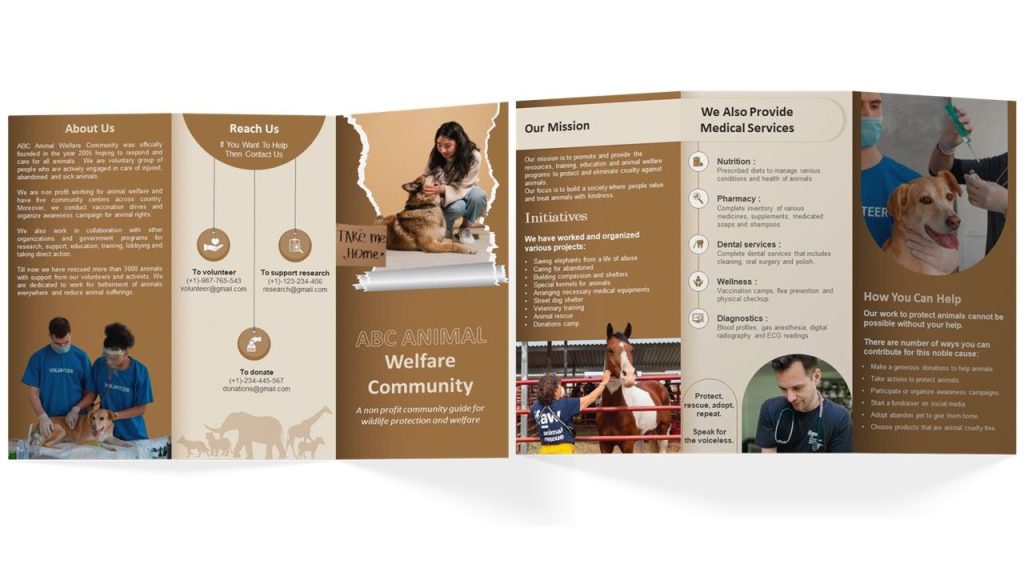
Beyond immediate rescues, adoption organizations have recognized the importance of community outreach in creating a sustainable culture of care. Through educational programs, they effectively communicate critical messages regarding responsible pet ownership. These might include vital lessons on the necessity of spaying and neutering pets, the proper care required for different breeds, and the emotional commitments involved in animal companionship. By proactively engaging with schools and community centers, organizations such as The Humane Society of the United States (HSUS) are planting the seeds of knowledge in young minds, potentially leading to a generation of conscientious pet owners.
Adoption organizations also play a crucial role through their fostering programs. Many of these entities enlist volunteers to open their homes to animals in need, providing temporary care until a permanent solution is found. This approach alleviates the burden on shelters which often face overcrowding. For instance, Best Friends Animal Society runs one of the most extensive foster networks in the nation, which not only increases adoption rates but improves the emotional well-being of animals placed in warm, loving home environments.
Furthermore, the impactful advocacy efforts put forth by these organizations cannot be overlooked. By lobbying for better legislation and policies, they champion the cause of animal rights at local and national levels. Collaborative efforts with lawmakers allow them to amplify the voices of animals that often go unheard. Campaigns aimed at stricter regulations against abusive practices and enhanced welfare standards are often spearheaded by these dedicated advocates, marking a significant stride toward improved societal treatment of animals.
The ripple effect of these initiatives is profound. Communities that prioritize adopting from shelters—championed by these organizations—tend to experience a subsequent reduction in stray animal populations and substantially lower euthanasia rates in shelters. Moreover, research indicates that areas engaged in robust adoption drives see enhanced public awareness around the responsibilities tied to pet ownership. The synergy between adoption organizations and local communities is key to fostering a landscape where animal welfare is prioritized, and abandonment rates are significantly minimized.
The Impact of Adoption Organizations on Animal Welfare
Adoption organizations play a vital role in championing animal welfare through various initiatives, resources, and community engagement. These organizations act as a bridge between abandoned pets and loving homes, facilitating adoptions that contribute significantly to reducing the number of animals left to fend for themselves. One of the key functions of these organizations is to increase awareness about responsible pet ownership. They provide educational programs that inform potential pet parents on the importance of spaying and neutering, as well as the commitment required to care for a pet throughout its life. Many adoption organizations also conduct outreach events where they showcase adoptable animals, engaging the public not only in the adoption process but also in meaningful conversations about animal rights and welfare.In addition to promoting adoptions, these organizations also work tirelessly to rehabilitate animals that have experienced neglect or abuse. Through veterinary care, training, and socialization efforts, adoption organizations transform the lives of countless animals, helping them recover physically and emotionally before finding them forever homes. For example, partnerships with local veterinarians enhance the scope of care that can be provided to animals, ensuring they are healthy, vaccinated, and ready to be integrated into new families.Moreover, the role of adoption organizations extends beyond individual pets—they also advocate for policy changes that protect animal rights at a community and statewide level. By collaborating with lawmakers, these organizations push for stronger animal welfare laws, campaign against puppy mills, and combat the growing issues surrounding pet overpopulation and abandonment. This proactive approach has significant long-term implications for community attitudes towards animals, fostering a culture of compassion and responsibility.As they work to promote animal welfare, adoption organizations are not just saving lives; they are fostering a better relationship between humans and animals overall. The connection sparked through adoption often leads to enhanced emotional health for both pets and their owners, as studies have shown that pets significantly contribute to lowering stress and improving mental health.With such interconnected roles, adoption organizations emerge as critical players in the broader strategy to reduce abandonment rates and promote a humane society for all animals. Further investigation into their practices reveals not only their success stories but also the challenges they face, underscoring the importance of continued support for their essential work in our communities.
Innovative Solutions to Combat Overpopulation and Abandonment
Adoption organizations are not only essential in rescuing animals and facilitating adoptions but also in implementing innovative solutions to combat overpopulation and animal abandonment across communities. One of the most effective strategies they employ is the establishment of spay and neuter programs. These programs are fundamental in controlling the pet population, as they prevent unwanted litters that often contribute to crowded shelters and ultimately, higher abandonment rates. Organizations like Alley Cat Allies offer affordable or free spay/neuter services, highlighting their commitment to responsible pet ownership and community health.
Recognizing that economic factors play a significant role in pet abandonment, many organizations also provide financial assistance programs for pet owners who may struggle with veterinary costs. Initiatives such as low-cost vet clinics or crisis intervention funds are designed to keep pets in homes where they are loved rather than relinquishing them to shelters. A study conducted by the American Pet Products Association revealed that financial hardship is a leading reason for pet abandonment, with 47% of pet owners citing this as a challenge. By addressing this issue head-on, adoption organizations are mitigating the impact of unforeseen economic hardships on beloved family pets.
Furthermore, adoption organizations are harnessing the power of technology and social media to elevate their outreach efforts and promote animal welfare. Platforms like Instagram, Facebook, and TikTok are being used creatively to showcase adoptable pets and share their stories. This multimedia approach not only increases visibility but also engages potential adopters in a way that fosters emotional connections. For instance, the successful campaigns utilized by Petfinder and Adopt-a-Pet demonstrate how strategic use of social media can lead to increased adoptions, spreading awareness of the urgent need for homes while inspiring community involvement.
Adoption organizations also enjoy the benefits of partnerships with local businesses, which can lead to increased funding and volunteer support. Many organizations collaborate with pet supply stores or veterinary offices to conduct adoption events and promotions. These partnerships serve to create a buzz around adoption and shine a light on the importance of animal welfare within the community. According to research from the National Federation of Humane Societies, communities with active partnerships between shelters and local businesses see a +25% increase in adoption rates compared to those without.
The role of adoption organizations extends beyond direct intervention; they are pivotal in cultivating a culture of compassion that spans generations. By introducing pet responsibility and welfare concepts in educational programs and community seminars, they lay the foundation for a more empathetic society. Education initiatives addressing misinformation about shelter pets, such as the misconception that they have behavioral issues, are key to changing perceptions and encouraging families to consider adoption as a viable and rewarding option for welcoming a new companion into their home.
Through these comprehensive actions and initiatives, adoption organizations are not merely responding to the current issues of animal abandonment and welfare; they are actively shaping a future where animal homelessness is significantly reduced, fostering an environment that nurtures the bond between humans and animals.
Conclusion
In conclusion, adoption organizations play a critical role in promoting animal welfare and [reducing abandonment](https://www.humanesociety.org) through a multi-faceted approach that encompasses outreach, education, and community involvement. Their efforts extend far beyond the walls of shelters; they actively engage in creative solutions such as spay and neuter programs and financial assistance initiatives that directly address the underlying issues of overpopulation and economic hardship. By providing these essential services, they help to reduce the number of pets entering the system, ultimately fostering a more compassionate society.
The utilization of modern technology and social media has empowered these organizations to broaden their reach, inspiring potential adopters and sparking community engagement. Through captivating campaigns, they have successfully highlighted the need for forever homes and facilitated connections between pets and families. Additionally, the partnerships formed with local businesses not only enhance their funding but also create a shared responsibility towards animal welfare within the community.
Education remains at the forefront of their mission, as organizations instill a culture of compassion that nurtures future generations. By dismantling misconceptions about shelter pets and championing responsible pet ownership, they pave the way for lasting change. As we continue to see the positive impacts of their work, it is evident that adoption organizations are not just fighting against animal abandonment; they are nurturing a societal shift that treasures the bond between humans and animals. For anyone passionate about making a difference, supporting these organizations is not just a responsibility—it is an opportunity to contribute to a brighter future for countless animals in need.