The Role of Adoption Services in Promoting Responsible Pet Ownership
The Role of Adoption Services
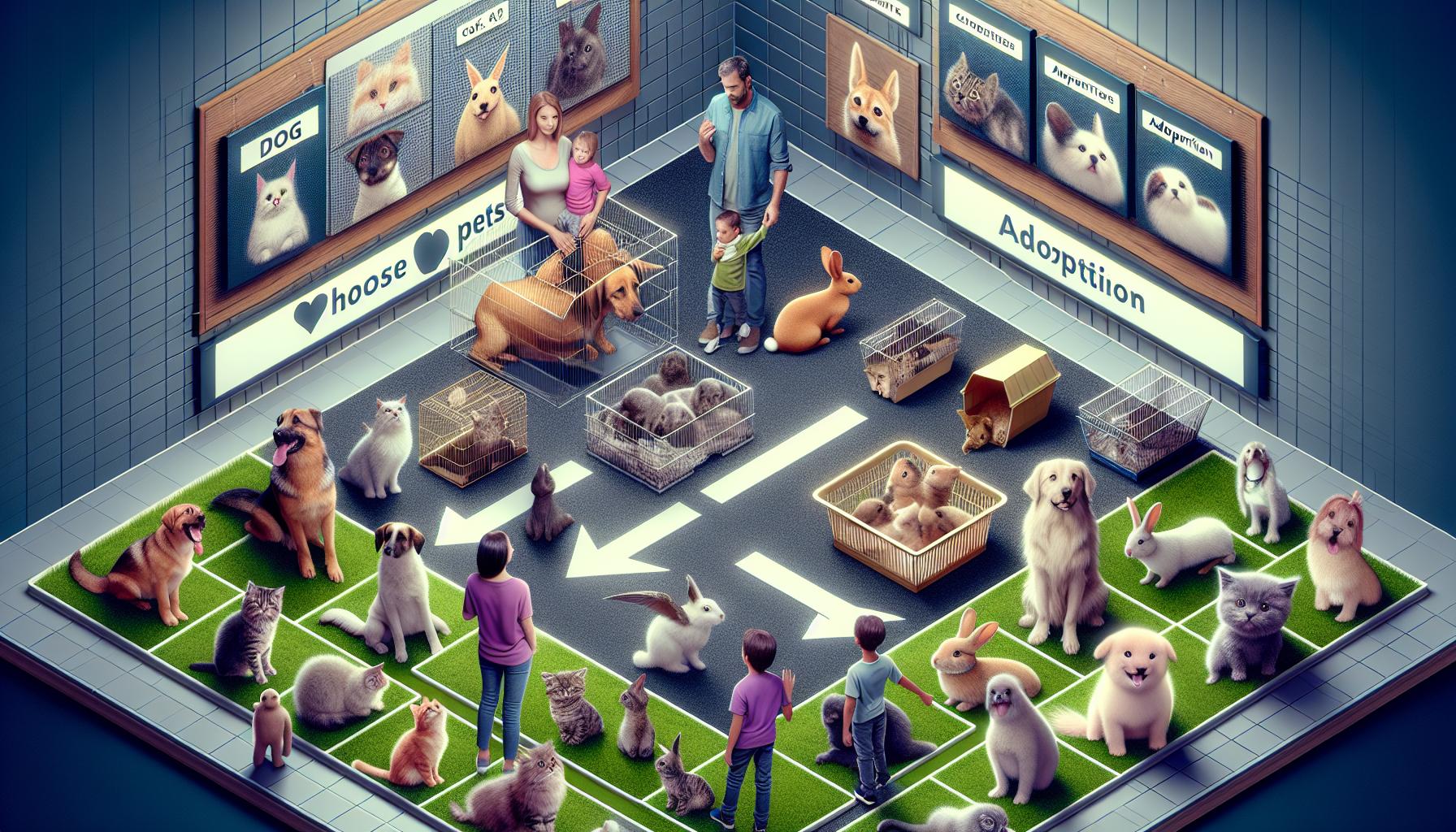
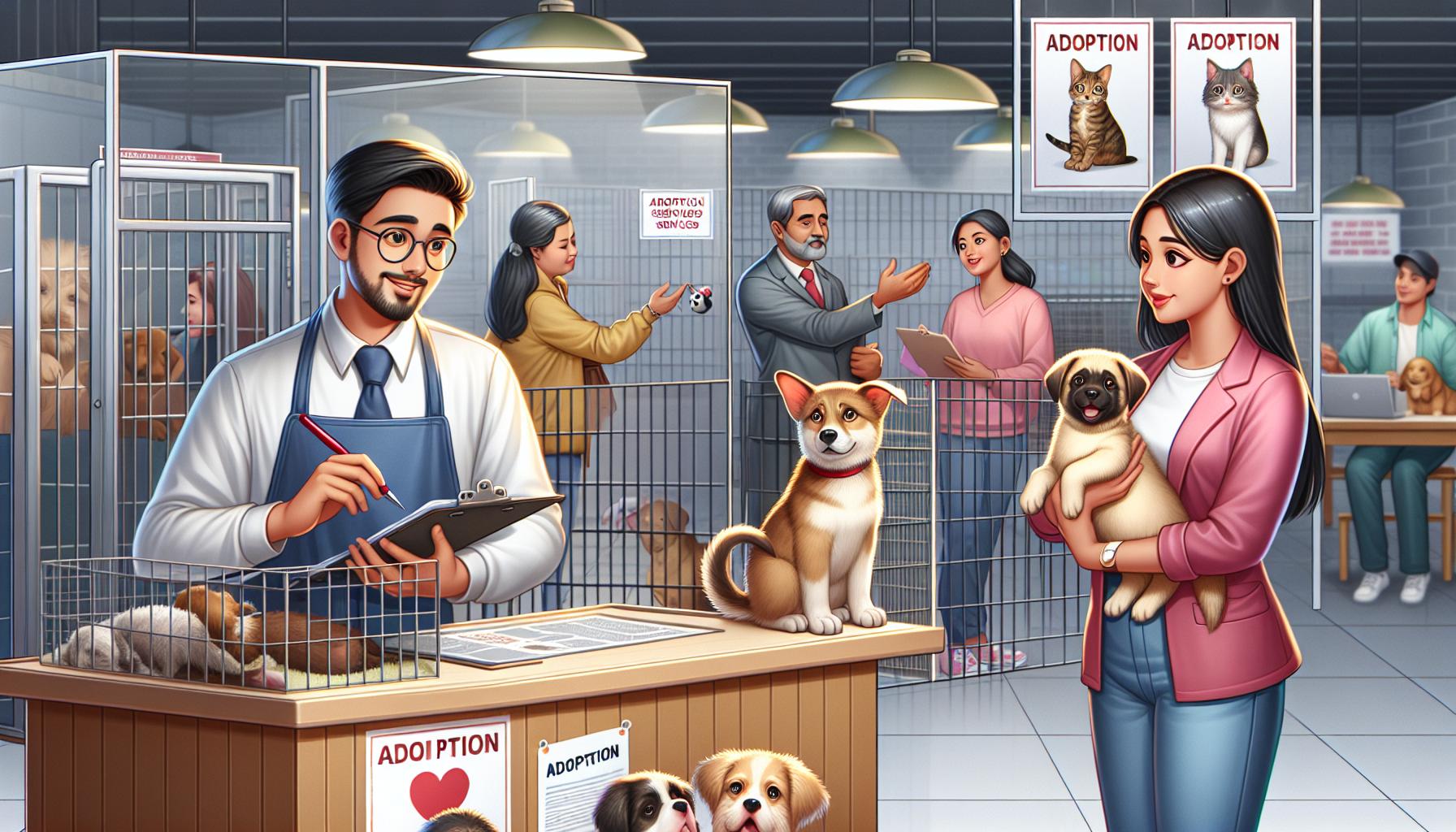
Every year, the plight of millions of animals in shelters across the United States underscores a critical issue: pet overpopulation. Adoption services serve as a beacon of hope, actively engaged in reshaping this narrative by promoting responsible pet ownership. These organizations do not merely facilitate the adoption of pets; they lay the foundation for a sustainable and informed pet ownership culture that positively impacts lives—both animal and human.
Education: Empowering New Pet Owners
One of the primary ways adoption services contribute to responsible pet ownership is through comprehensive educational programs. These programs equip potential pet owners with essential knowledge about proper pet care, nutrition, training, and veterinary needs. For instance, organizations like the American Society for the Prevention of Cruelty to Animals (ASPCA) offer workshops and online resources tailored to different pet types and their unique requirements. Such initiatives ensure that adopters are well-prepared to meet the needs of their new companions, fostering a long and healthy relationship with their pets.
Screening Processes: Ensuring Preparedness
Another significant aspect of adoption services is the rigorous screening processes implemented before an adoption is finalized. Potential adopters undergo interviews, home visits, and application reviews to assess their readiness for pet ownership. This provides a dual benefit: it safeguards the well-being of the animals by ensuring they go to homes that can care for them adequately, while also helping potential owners make informed decisions. For example, organizations may evaluate factors like lifestyle, family dynamics, work schedules, and financial capacity to ensure a good match. By taking these precautions, adoption services reduce the likelihood of pets being surrendered back to shelters.
Community Outreach: Building Awareness
Community outreach programs are another vital element in the fight against pet overpopulation. Many adoption services engage local communities through awareness campaigns, workshops, and events that highlight the benefits of adopting pets and the responsibilities that come with it. Initiatives like “Clear the Shelters” day, organized by NBC and Telemundo, encourage families to adopt animals in need while educating them about the importance of spaying and neutering to prevent unwanted litters. These outreach efforts not only help local shelters reduce their populations but also cultivate a sense of community and responsibility around animal welfare.
The Broader Impact
The impact of adoption services extends beyond just connecting pets with homes. They play a crucial role in steering societal attitudes towards responsible pet ownership. By offering ongoing support and counseling for new pet owners, these organizations help mitigate impulsive decisions that can lead to abandonment. This proactive approach ensures that pets remain in loving homes rather than ending up back in shelters.
As we explore the multifaceted contributions of adoption services, it becomes clear that they are instrumental in not just alleviating the immediate crisis of shelter overpopulation. They are also sowing the seeds for a future where pet ownership is synonymous with commitment, understanding, and care, crafting a better world for pets and their people alike. In this way, these services challenge us to rethink our relationship with animals, advocating for a narrative that embraces both compassion and responsibility across the nation.
DISCOVER MORE: Click here for helpful strategies
Foundational Support for Lifelong Commitment
Understanding the responsibilities of pet ownership is paramount for fostering a culture of responsible pet ownership. Adoption services take this educational mandate seriously, as they recognize that the success of an adoption goes beyond the day the pet leaves the shelter. They instill a framework for lifelong commitment by providing crucial resources and support systems to new pet owners.
Post-Adoption Support: A Lifeline for New Owners
Once a pet is adopted, the journey of responsible ownership continues. Many adoption services offer post-adoption support that includes behavioral training sessions, health and wellness check-ins, and access to veterinary services at discounted rates. This ongoing support is crucial in helping new pet parents adjust to their roles and addressing any challenges that may arise. For example, the Humane Society of the United States (HSUS) has initiatives where they provide training resources and behavioral consultations, helping to manage potential issues before they lead to a pet being returned to the shelter.
Promoting Spaying and Neutering
A significant part of promoting responsible pet ownership involves tackling the root causes of pet overpopulation, and adoption services are at the forefront of advocating for spaying and neutering. Many shelters require adopted pets to be sterilized as a condition of adoption, thereby ensuring that those animals do not contribute to the overwhelming number of strays. Furthermore, adoption agencies actively disseminate information on the advantages of spaying and neutering, such as:
- Reducing the number of unwanted animals in shelters.
- Lowering the risk of certain health issues and cancers.
- Mitigating unwanted behaviors such as marking territory or aggression.
These educational efforts do not just benefit the individual pet; they have a ripple effect within the community, reducing the strain on local shelters and fostering an environment where pet ownership is viewed through a lens of responsibility and care.
Fostering an Adoption-Friendly Atmosphere
The ethos of adoption services extends into the very communities they serve. By hosting adoption events that not only showcase pets but also engage the public in discussions about responsible decision-making, these organizations cultivate an adoption-friendly atmosphere. Through collaborative partnerships with local businesses, schools, and even government entities, adoption services create a robust network of support for both pets and owners. These partnerships often include:
- Pet-friendly community events.
- School programs that teach children about animal welfare.
- Collaborations with local veterinarians for community wellness days.
Such initiatives aim to harmonize the relationship between people and pets, promoting a culture built on empathy, awareness, and informed decisions that will have lasting impacts.
As we delve deeper into the multifaceted role of adoption services, it becomes clear they are not merely facilitators of connections but are proactive agents of change shaping a society where responsible pet ownership is the norm rather than the exception.
The Role of Adoption Services in Promoting Responsible Pet Ownership
Adoption services play a pivotal role in enhancing responsible pet ownership by providing essential education and resources to new pet parents. When potential adopters visit shelters or rescue organizations, they are often met with comprehensive guidance not only on the specific needs of the pet but also on the broader responsibilities that come with pet ownership. This education is a crucial element in ensuring that adopters understand the commitment involved in caring for a pet. For instance, adoption services may cover training techniques to foster a harmonious relationship between pets and owners, including behavior management tips that can save pets from being returned to shelters due to behavioral issues.
Moreover, adoption services frequently coordinate community outreach programs aimed at raising awareness about animal welfare and responsible ownership; these include spaying and neutering initiatives, vaccination drives, and microchipping events. Such programs ensure that pets not only receive necessary medical care but also that the community is educated on the lasting impacts of responsible pet ownership. Community engagement fosters a sense of collective responsibility, encouraging individuals to prioritize the welfare of pets beyond their own households.
In addition to educational efforts, many adoption services support new pet owners by offering resources like pet care workshops, nutritional advice, and access to veterinary services. This holistic approach aims to reduce the likelihood of pets being abandoned or surrendered, promoting a culture of respectful and lifelong pet partnerships. By creating connections between animals and responsible adopters, these services are instrumental in building a society where pets thrive and families grow together.
| Category | Description |
|---|---|
| Education and Training | Providing resources and techniques for new pet owners to facilitate a better understanding of pet needs. |
| Community Engagement | Programs that promote awareness on responsible pet ownership, enhancing community responsibility towards pets. |
| Support Resources | Workshops and veterinary services that help new owners care for their pets effectively. |
| Lifelong Commitment | Encouraging adopters to view pet ownership as a long-term responsibility, securing better outcomes for animals. |
DISCOVER MORE: Click here for essential tips on pet grooming
Community Engagement and Awareness Initiatives
One of the defining features of effective adoption services is their commitment to engaging the community in meaningful ways. Responsible pet ownership is not just an individual concern; it is a community-wide mission. Adoption services leverage their platforms to raise awareness about the importance of pet adoption and the associated responsibilities. This proactive engagement fosters an environment where pet ownership is approached with thoughtfulness and care.
Educational Campaigns and Workshops
Many adoption services organize educational campaigns and workshops designed to inform potential pet owners and the general public about various aspects of responsible ownership. These initiatives often cover critical topics such as:
- Understanding pet behavior and training principles.
- The ongoing financial responsibilities associated with pet care, including food, veterinary care, and grooming.
- Resources available for pet owners to manage unforeseen challenges, such as illness or behavioral issues.
For example, the ASPCA hosts regular workshops that offer information on everything from basic pet care to advanced training techniques. By making these resources publicly available and accessible, adoption services significantly reduce the barriers that may prevent individuals from adopting pets or succeeding in their new roles as pet owners.
Social Media and Digital Outreach
In today’s digital age, social media plays a crucial role in extending the reach and impact of adoption services. Many organizations skillfully utilize platforms like Facebook, Instagram, and Twitter to share stories of adopted pets, information about ongoing initiatives, and tips for responsible ownership. Engaging content not only promotes adoptions but also educates the public about the responsibilities involved. Statistics show that social media campaigns have led to an increase in adoption rates, solidifying its role in closing the gap between the community and local shelters.
For instance, during Adopt a Shelter Dog Month, organizations can create themed content highlighting the benefits of adoption and share success stories that resonate with potential adopters, further nurturing a sense of community care for pets in need.
Advocacy for Policy Changes
Beyond direct educational efforts, adoption services also engage in advocacy work to inform government policies related to pet ownership. By collaborating with lawmakers and local authorities, these organizations can promote legislation that supports responsible pet ownership initiatives, such as:
- Mandatory spay and neuter laws to curb overpopulation.
- Increased funding for local shelters and adoption programs.
- Legislation promoting the importance of pet identification and microchipping.
Through these advocacy efforts, adoption services work to create a supportive framework for responsible pet ownership at the systemic level. By encouraging laws that reinforce responsible behaviors, they not only protect animals but also enhance community awareness and responsibility.
Through educational campaigns, digital outreach, and advocacy, adoption services are establishing a strong foundation for responsible pet ownership and, ultimately, for a more compassionate society. Their multifaceted approach ensures that pet ownership is not just an obligation but a deeply fulfilling and responsible choice for everyone involved.
DISCOVER MORE: Click here to learn about the evolution of pet adoption services
Conclusion
In conclusion, adoption services serve as critical pillars in the quest for promoting responsible pet ownership within our communities. Through a multi-faceted approach that includes educational initiatives, effective use of digital platforms, and robust advocacy efforts, these organizations are not only facilitating the adoption of pets but also instilling a culture of responsibility among pet owners. Educational campaigns provide invaluable resources that empower potential adopters with knowledge about pet care and the financial commitments involved, while workshops foster a deeper understanding of pet behavior and training techniques.
The digital outreach strategies employed by these services significantly broaden their impact by using social media platforms to engage the community and share success stories, ultimately driving home the narrative that responsible pet ownership is a shared responsibility. Moreover, by participating in advocacy for policies that reinforce these principles, adoption services are creating a legislative framework that supports responsible behaviors at every level.
As we strive to cultivate a society where pet ownership is celebrated and carried out with intention, the role of adoption services becomes even more vital. They not only connect loving families with pets in need of a home but also instill a lasting respect for animal welfare and community involvement. To ensure that the journey of pet ownership is one filled with joy rather than burden, it is essential for local communities to support these initiatives and recognize the profound impact they have on fostering a compassionate society. Together, we can build a future where every pet is loved and cared for, and every owner feels equipped for the journey ahead.