The Role of Training in the Rehabilitation of Rescued Animals: Challenges and Successes

The Role of Training in Animal Rehabilitation
The journey of rescued animals towards recovery is multifaceted, often requiring a combination of patience, empathy, and expert training. Effective training is not merely about teaching commands; it is fundamentally linked to the holistic rehabilitation of the animal. Through various structured training programs, we can address the specific challenges these trusting beings face while enhancing their quality of life. One of the critical aims is to ready them for either a successful return to their natural habitat or a safe transition to a nurturing new home.
Benefits of Effective Training
Training provides numerous benefits that are essential for the successful rehabilitation of rescued animals.
- Behavior Modification: Many animals arrive in rescue situations with deeply ingrained behavioral issues stemming from trauma. Training helps in correcting these undesirable behaviors—think of a dog that may bark aggressively out of fear or a cat that shies away from human interaction. Through consistent, positive reinforcement techniques, such behaviors can often be modified, allowing the animal to interact more comfortably in their environment.
- Socialization: Proper training fosters essential social skills. For example, dogs that failed to interact with other animals or people during their formative months often struggle with aggression or anxiety. Socializing these animals in a controlled, safe environment can significantly improve their ability to form healthy relationships with humans and fellow pets.
- Basic Commands: Teaching commands such as ‘sit’, ‘stay’, and ‘come’ aids in managing rescued animals effectively. These basic cues serve as the groundwork for more advanced training and behaviors, helping ensure the safety of the animals in their new homes or environments.
Challenges to Overcome
While the benefits of training are clear, numerous obstacles can impede the progress of this endeavor. Understanding these challenges can help formulate more effective rehabilitation strategies.
- Trauma Response: Many rescued animals exhibit observable signs of severe trauma that affect their ability to learn. This may manifest as anxiety, fear-based aggression, or withdrawal, hindering the training process.
- Resource Limitations: Rehabilitation facilities often struggle with limited funding, which can affect the quality of training and available resources, including the number of trained staff members and veterinary care.
- Time Constraints: Every animal requires a tailored training approach, and this can be time-intensive. The timeline for rehabilitation varies widely among individual animals based on their history and unique needs, requiring a flexible yet structured approach from organizations and trainers.
Stories of Resilience
Despite the aforementioned challenges, inspiring success stories emerge from rehabilitation efforts nationwide. For instance, consider the tale of a Labrador Retriever named Max. Rescued from an abusive situation, Max was initially fearful of humans. However, through a dedicated rehabilitation program that integrated behavior modification and socialization techniques, he transformed into a loving companion, ultimately finding his forever home. Such stories highlight not only the effectiveness of structured rehabilitation programs but also the remarkable resilience of these animals. As we continue to explore this subject, we will see the profound impact that combining innovative training techniques with compassionate care can have on the lives of rescued animals.
In conclusion, the path to recovery for rescued animals is laden with both hurdles and triumphs. Understanding the intricate relationship between training and rehabilitation not only empowers animal welfare advocates but also enriches the lives of the animals they strive to save. As we advocate for better practices and awareness, the potential for more success stories remains ever-bright.
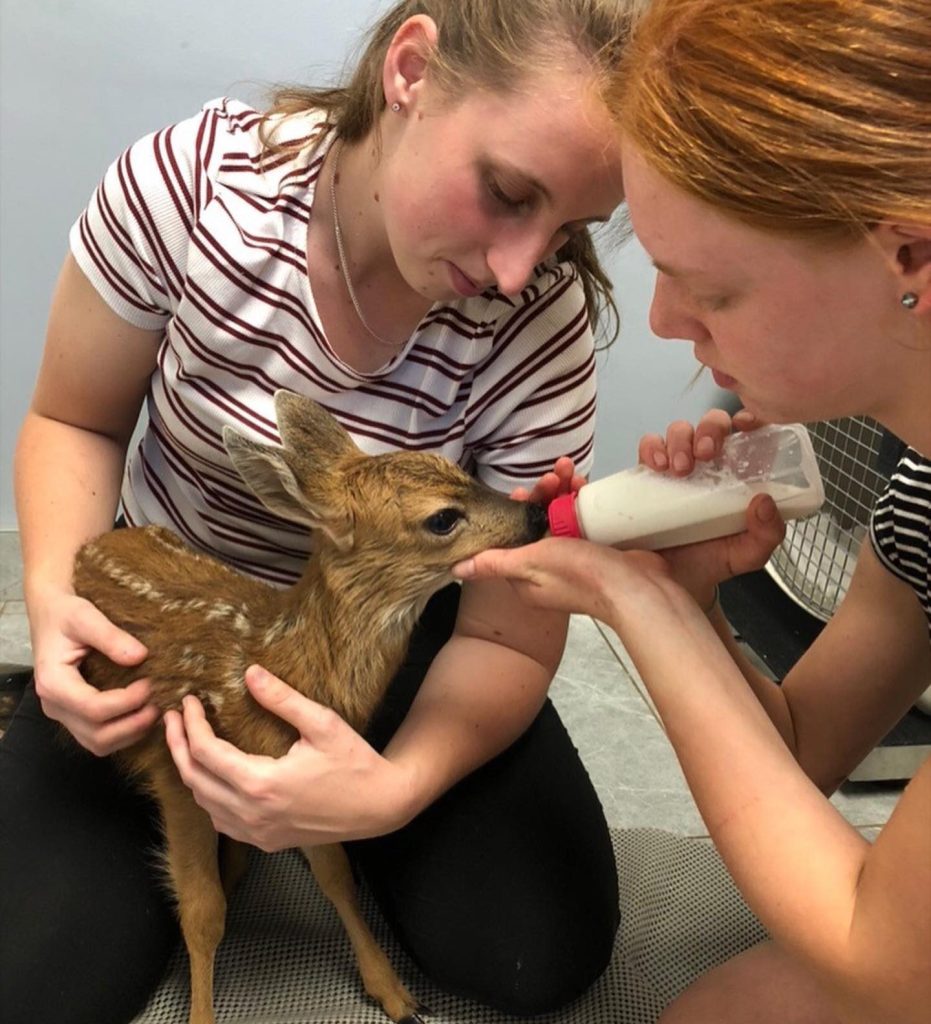
Understanding the Importance of Training in Rehabilitation
Training plays a pivotal role in the rehabilitation journey of rescued animals, acting as a bridge between their past traumas and a hopeful future. It is a crucial component that not only addresses behavioral issues but also builds trust and fosters emotional healing. For instance, a study conducted by the ASPCA reveals that well-trained animals experience a significantly lower rate of behavioral problems once they are placed in permanent homes—highlighting the direct correlation between effective training and long-term success in rehabilitation.
The Training Process: Techniques and Methods
Effective training requires a variety of techniques tailored to the specific needs of each animal. Here are some commonly employed methods that have shown success in rehabilitation settings:
- Positive Reinforcement: This method involves rewarding desired behaviors rather than punishing undesirable ones. Using treats, praise, or toys, trainers reinforce good behavior, such as walking calmly on a leash or responding to commands. This technique not only promotes cooperation but also strengthens the bond between the animal and trainer.
- Desensitization: Many rescued animals may react negatively to specific stimuli due to past experiences. Desensitization gradually exposes them to these triggers in a controlled environment, helping to reduce anxiety and fear. For example, a cat that has previously experienced aggression from other animals can be gently introduced to a dog while both are on leashes, allowing them to acclimate safely over time.
- Clicker Training: This technique uses a clicking sound to mark desired behaviors, followed by a reward. Clicker training not only clarifies communication between the trainer and the animal but also accelerates the learning process. It provides immediate feedback, which is especially beneficial for animals that may struggle with complex training tasks.
Measuring Success in Training
Tracking progress is essential to assess the effectiveness of training methods used during rehabilitation. Establishing measurable goals allows trainers to determine whether the specific challenges faced by the animal are being addressed effectively. Common indicators of success in training include:
- Increased Confidence: A significant improvement can be observed when an animal begins displaying curiosity and willingness to explore its environment, shedding remnants of its past fears.
- Improved Interactions: Success is often reflected in an animal’s ability to engage positively with other animals and humans. A previously aggressive dog may learn to greet other dogs calmly, indicating progress.
- Adoption Readiness: For many rescue organizations, a key indicator of success entails preparing animals for a successful transition into new homes. A well-trained animal is often adopted more quickly, as potential pet owners feel more assured of the animal’s behavior.
These measures not only highlight the benefits of training but also reinforce the importance of continuous learning and adaptation by trainers. As rescued animals undergo their rehabilitation journeys, the role of training remains central—not merely as a task, but as a transformative process that can change their lives for the better.
The Role of Training in the Rehabilitation of Rescued Animals: Challenges and Successes
As we delve deeper into the intricacies of animal rehabilitation, it becomes evident that training is not just a luxury but a necessity for the successful reintegration of rescued animals into their environments. Training techniques can significantly vary, but they typically focus on enhancing an animal’s ability to adapt, socialize, and understand human interactions. One major challenge faced by rehabilitation professionals is addressing the behavioral issues stemming from trauma. Many rescued animals arrive with deep-seated fears and anxieties. Effective training strategies, such as positive reinforcement, play a pivotal role in alleviating these concerns, fostering trust between the animal and the handler. Moreover, specialized training programs tailored for various species can significantly influence outcomes. For instance, dogs might require different methods compared to birds or wild mammals, each demanding unique approaches to behavior modification and skill enhancement. Recent studies indicate that animals receiving structured training exhibit marked improvements in their emotional wellbeing and readiness for adoption. This highlights not only the success of rehabilitation efforts but also the need for ongoing research and development in training methodologies, aiming to better support rescued animals in their journey to recovery.The support system surrounding the training process – including volunteers, foster homes, and professional trainers – can significantly affect the recovery timeline and success rate. Collaborative efforts can ease the transition for the animals, ensuring they have the necessary socialization skills before being placed in permanent homes. Furthermore, sharing success stories can inspire the community, leading to increased support for rescue organizations and a greater public understanding of the plight of rescued animals. Understanding the pivotal role of training in rehabilitation can bridge the knowledge gap for potential adopters, revealing the true nature and capabilities of these animals. By facilitating successful rehabilitation, we pave the way for a more compassionate society that recognizes and values every creature’s right to a happy and fulfilling life.
| Advantages | Key Features |
|---|---|
| Improved Behavior | Training helps mitigate anxiety and fear, making animals more adoptable. |
| Socialization | Engaging with humans and other animals enhances social skills, reducing future behavioral issues. |
| Trust Establishment | Utilizing positive reinforcement fosters a bond between the animal and trainer, leading to improved mental health. |
| Community Awareness | Success stories from training promote public interest and support for rescue organizations. |
Challenges Faced During the Training Process
While training is undeniably beneficial in the rehabilitation of rescued animals, it is not without its challenges. Understanding these obstacles is crucial to better navigate the intricacies of training and maximize the chances of success. One major challenge is the variation in trauma experienced by individual animals. Each animal arrives at a rescue with a unique history, and the psychological scars from abuse, neglect, or abandonment can shape their behavior in unpredictable ways. For instance, a dog that has been beaten may struggle to trust humans, making basic training commands difficult to instill without a gradual build-up of trust.
Moreover, the limited time and resources available in many rescue organizations can impede effective training. Facilities often rely on a small staff or a community of volunteers to manage training and rehabilitation. This can lead to inconsistent training approaches or insufficient time spent with each animal. According to a survey conducted by the Humane Society, many rescue organizations lack the necessary funds for professional trainers, which can make the application of advanced techniques like behavior modification or personalized training plans challenging.
The Role of Shelter Environment
The environment in which animals are housed also significantly influences training outcomes. High-stress environments, such as crowded shelters, can hinder an animal’s ability to learn and progress. A recent study published in the Journal of Applied Animal Welfare Science established that animals in quieter, less chaotic settings exhibited superior learning abilities and improved behavioral outcomes. Facilities often struggle to create such environments due to the influx of animals or limited space, making it imperative to prioritize the mental and emotional well-being of the animals during training.
- Noise and Distractions: Rescued animals can be easily distracted or frightened by noises or movements around them. Training sessions conducted in a calm and controlled setting may yield better results than those in a bustling shelter.
- Socialization Issues: Animals that arrive with little to no social exposure can exhibit fearful or aggressive tendencies towards other animals and people. Overcoming these instincts requires careful, patient work, making socialization a slow and complex process.
Success Stories and Bright Spots
<pDespite these challenges, many rescues have celebrated remarkable success stories showcasing the transformative power of training. One notable example is Best Friends Animal Society, an organization in Utah that has utilized innovative training programs aimed at building confidence and improving adoptability among its rescued animals. Their “Canine Good Citizen” program has seen thousands of dogs trained and successfully placed in forever homes, demonstrating the profound impact of structured training on an animal’s behavior.
Another inspiring case involves the ASPCA’s “Meet Your Match” program, which uses a unique color-coded system for identifying compatible dogs based on their energy levels and social needs. This approach not only streamlines the adoption process but also leads to enhanced training outcomes, as animals are paired with adopters whose lifestyles align with their behaviors. Success in these examples sheds light on the potential of tailored training methods to reshape the trajectories of rescued animals, illustrating that with dedication, compassion, and the right techniques, lasting changes are possible.
The journey of training rescued animals is ongoing, filled with both challenges and triumphs. Navigating this complexity requires a multifaceted approach that addresses individual needs and emphasizes the profound impact that structured training can have on achieving successful rehabilitation outcomes.
Conclusion
In summary, the role of training in the rehabilitation of rescued animals emerges as a pivotal component in transforming their lives and enhancing their chances for adoption. Despite the significant challenges posed by varied trauma histories, limited resources, and often disruptive shelter environments, progress is achievable through tailored approaches that prioritize the individual needs of each animal. Understanding the psychological factors at play and addressing them with compassion and consistency can lead to remarkable behavioral improvements.
The inspiring success stories from organizations like Best Friends Animal Society and the ASPCA serve as beacons of hope, emphasizing the effectiveness of structured training programs. These examples highlight that with innovative strategies, rescue organizations can break the cycle of abandonment and neglect, leading rescued animals toward brighter futures in loving homes.
As discussions around animal welfare continue to gain momentum in the United States, the integration of effective training techniques into rehabilitation efforts is more crucial than ever. This not only enhances the quality of life for these animals but also fosters a deeper connection between them and their human counterparts. By investing in both training and the creation of supportive environments, we can unlock the potential in every rescued soul, making strides toward a compassionate future where every animal finds their place. The journey may be fraught with obstacles, but the rewarding outcomes are undeniable. This reinforces the notion that with persistent effort and dedication, the rehabilitation of rescued animals is not merely a goal but a reality that can be achieved.