Tips for Creating a Safe and Comfortable Environment for Pets at Home
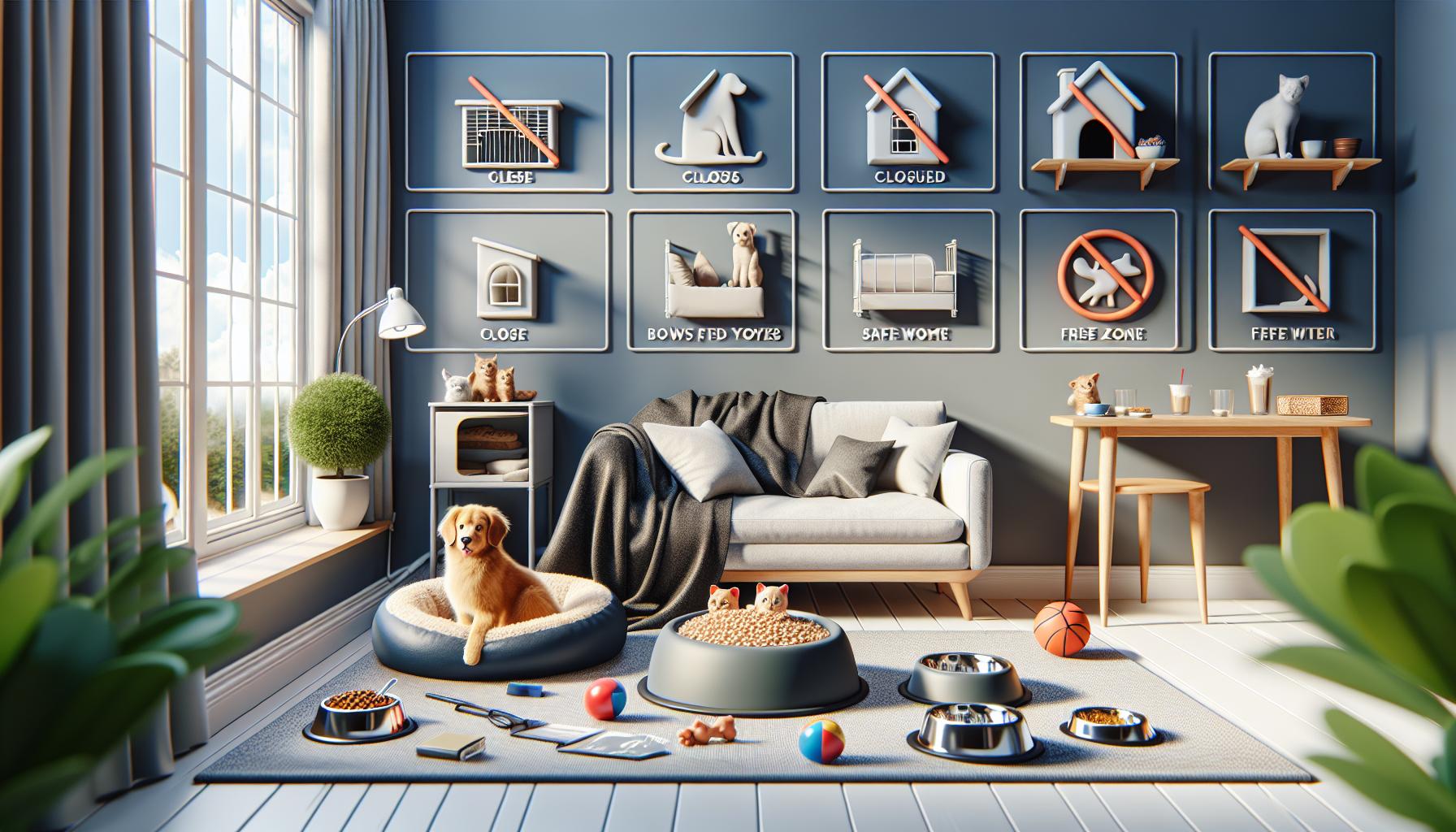
Creating a Secure Space for Your Furry Friends
Every pet owner wants their furry companions to feel safe and comfortable at home. Achieving this requires attention to detail and a little creativity. Here are a few key aspects to consider:
- Safety First: Identifying potential hazards in your home is essential for your pet’s well-being. Common dangers include toxic plants such as lilies and azaleas, which can lead to serious health issues if ingested. Additionally, keep small objects like coins, buttons, and rubber bands out of reach to prevent choking. Ensuring that electrical cords are secured and hidden can help avoid accidental shocks, while using child-proof locks on cabinets can protect curious pets from accessing harmful chemicals and cleaning supplies.
- Comfort Zones: Your home should provide cozy areas where pets can feel safe and relaxed. Consider designating spots with soft bedding or blankets where your furry friends can retreat when they want to rest. Using soft, pet-friendly furniture can also make a significant difference. For example, a designated quiet room with calming music can help reduce anxiety for pets that might be skittish during storms or fireworks.
- Play Areas: Creating engaging spaces for exercise and playtime is crucial for your pet’s physical and mental health. Designate a specific area in your home or yard for play that includes toys, tunnels, or obstacle courses. Regular playtime helps prevent behavioral issues and keeps your pets mentally stimulated. Engaging them with puzzle toys or treat dispensers can also provide hours of entertainment while stimulating their minds.
Moreover, consider the type of pet you have. Different species and breeds may have unique needs. For example:
- Dogs: Large breeds like Great Danes require secure fencing to prevent escapes, while smaller breeds may need a leash during outdoor adventures to ensure they are safe and under control. Establishing a consistent routine for walks and playtime can help build trust and strengthen the bond between you and your dog.
- Cats: Cats benefit from vertical spaces such as cat trees, shelves, or window perches, which allow them to explore their surroundings from above. Providing scratching posts can help keep their claws healthy while saving your furniture from damage.
In the United States, many pet owners overlook important environmental factors that contribute to their pets’ well-being. For instance, if you live in an area with extreme temperatures, consider providing a climate-controlled space or weather-appropriate bedding for your pets. Even simple changes, like ensuring your home is free from drafty areas or providing fresh water at all times, can significantly enhance your pet’s quality of life.
By focusing on both safety and comfort, you can create a harmonious household where your beloved pets thrive. Taking the time to assess your home and mitigate risks not only results in happier pets but also fosters a sense of security and trust. Explore more tips and tricks to ensure your home meets these essential needs and become a responsible pet owner dedicated to your furry friend’s happiness and health.
DISCOVER MORE: Click here to learn essential puppy socialization strategies
Understanding Your Pet’s Unique Needs
Creating a safe and comfortable environment for your pets extends beyond just removing potential dangers; it also involves understanding their individual behavioral traits and physical requirements. Recognizing these aspects can significantly enhance their quality of life at home. Here are several important factors to consider when designing an inviting space for your furry friends:
- Temperament: Each pet exhibits its own personality traits, which can influence how they interact with their environment. For instance, a high-energy dog breed like a Border Collie may require more space to run and play, while a laid-back breed such as a Bulldog might appreciate quieter, cozier spots. Knowing your pet’s temperament can help guide the layout of your home and the activities you provide them.
- Exercise Requirements: Regular exercise is critical for your pet’s physical and mental health. For dogs, consider designs for a dedicated outdoor space equipped with agility equipment or a simple fetch yard. Cats, on the other hand, benefit from climbing structures and interactive play sessions that mimic natural hunting behaviors. A recent study showed that pets owning ample space to exercise and engage in play are less prone to obesity and related health issues.
- Dietary Needs: Fleeting access to clean water is a simple yet crucial element of creating a pet-friendly home. Additionally, consider storing pet food in a secure location to prevent overeating or food theft. It may also be wise to consult a veterinarian about the best dietary approaches suitable for your specific breed or species, ensuring that your pets maintain a healthy and balanced diet.
- Socialization: Social creatures like dogs thrive on interaction, whether with other pets or their human family members. Design focal points within your home that encourage social playtime, such as open spaces with interactive toys. Meanwhile, cats might enjoy areas where they can observe bustling activity, allowing them to stay engaged without the pressure of direct interaction.
As pet owners in the United States, understanding local laws and guidelines around pet ownership is also vital. For example, anticipating leash laws, zoning regulations regarding pets, and even local ordinances on pet noise can further enhance your pet’s living environment. Furthermore, being aware of the prevalence of pet-related services in your area, such as grooming and daycare facilities, can enrich both you and your pet’s lifestyle.
Remember, creating a safe and comfortable home for your pets is an evolving process that requires periodic adjustments according to your pet’s changing needs. By paying attention to these crucial factors, you can foster an environment that not only keeps them safe but also nurtures their well-being and happiness. Stay tuned for more insightful tips on making your home a haven for your beloved pets.
| Safety Measures | Importance |
|---|---|
| Secure loose wires and cords | Prevents choking hazards and protects electronic devices from potential puppy play. |
| Install baby gates | Keeps pets away from hazardous areas like stairs or kitchens where they might get injured. |
| Use pet-friendly plants | Avoids toxic exposure from common household plants that are harmful to pets. |
| Create a designated pet area | Provides a safe retreat and makes your pet feel more secure in their home environment. |
Ensuring that your home is a haven for your pets is essential for their health and wellbeing. Incorporating safety measures enhances their comfort. For instance, securing cords prevents chewing dangers that can lead to serious injuries. Likewise, pet-friendly plants promote a safer atmosphere, minimizing the risks of toxic ingestion. Creating a designated pet zone not only gives them a space to relax but also establishes boundaries and reduces anxiety from overwhelming home areas. These steps not only safeguard your furry companions but also make a welcoming environment aimed at fostering their comfort. Implementing these tips can substantially elevate your home’s pet-friendliness, encouraging a harmonious living experience for both pets and their owners.
DISCOVER MORE: Click here to learn about enhancing your pet’s health
Creating Stimulating Spaces for Pets
In addition to understanding your pet’s unique needs, it is imperative to create an environment that promotes stimulation, security, and comfort. Animals, especially domesticated ones, thrive when they have not only the essentials but also engaging and enriching experiences. Here are some vital tips for crafting stimulating spaces for your furry companions:
- Safe Zones: Designate specific areas in your home as “safe zones” where your pet can retreat and relax. This could be a cozy bed or a covered crate in a quiet corner. Having a safe space helps reduce stress and anxiety, especially during noisy events like thunderstorms or fireworks. A comfortable bed not only provides physical support but also offers emotional security, giving your pet a sense of ownership and belonging.
- Interactive Toys: Keeping your pet engaged is crucial. Invest in a variety of interactive pet toys that challenge their minds and reflexes. Puzzle toys filled with treats can significantly reduce boredom, and for dogs, fetch sticks or balls with squeakers may keep them occupied for hours. Additionally, consider rotating toys periodically to maintain interest and prevent the novelty from wearing off too quickly.
- Vertical Space for Cats: Cats are naturally inclined to climb and observe from above. Installing cat trees, shelves, or window perches can cater to this instinct. Vertical spaces not only provide physical activity but also serve as observation points, where cats can watch the world go by. This not only satisfies their curiosity but also helps reduce anxiety and aggressive behavior associated with feeling confined.
- Outdoor Access: If possible, ensure that you’re providing your pets with safe access to the outdoors. This could be through a secure fenced yard, a screened-in porch, or even regular supervised walks. Pets like dogs benefit immensely from outdoor activities that engage their senses and allow them to interact with the world. For cats, consider leash training or creating a ‘catio’ (cat patio) where they can experience the outdoors without the risks associated with free roaming.
- Calming Elements: Incorporate calming elements within your home such as soothing music, pet-friendly essential oils, or soft lighting. Studies have shown that certain sounds and environments can decrease stress levels in pets, making them feel more at ease. Consider using pheromone diffusers designed for pets, which can help with anxiety in both cats and dogs during stressful situations.
- Pet-Friendly Décor: When selecting furniture and decoration, choose materials that are both durable and easy to clean. Look for scratch-resistant surfaces, stain-proof fabrics, and non-toxic plants. This not only protects your home but also keeps your pets safe from harmful substances. Remember that your pets are a part of your family; having a pet-friendly environment allows everyone to coexist comfortably.
By understanding how to create stimulating and designated spaces, you can significantly improve your pet’s quality of life. Keep in mind that every pet is different; observing their preferred activities, resting areas, and social habits will enable you to tailor your efforts effectively. As you delve into these practical tips, you’ll discover how small adjustments can lead to a happier and healthier home for your beloved pets.
DISCOVER MORE: Click here to learn about the benefits of pet adoption
Conclusion
In summary, creating a safe and comfortable environment for pets at home involves a multifaceted approach that prioritizes stimulation, security, and comfort. By implementing strategies such as establishing designated safe zones, incorporating interactive toys, and ensuring access to outdoor spaces, you can enrich your pet’s daily experiences and promote their well-being. Remember that every animal has distinct preferences and needs; thus, taking the time to observe their behavior can offer valuable insights into how to accommodate them best.
The choice of pet-friendly décor and calming elements, such as soothing sounds and scents, further contribute to a harmonious household. As you craft these environments, think of the emotional and psychological benefits your furry companions will gain from such thoughtful adjustments. Engaging them physically and mentally not only fosters happiness but also strengthens the bond you share.
Ultimately, a well-designed space is about more than just aesthetics; it’s about providing a loving and nurturing home for your pets. As you explore these tips and implement them, you become a greater advocate for your pets’ quality of life. Creating a safe and comfortable environment is an ongoing journey that reflects your commitment as a pet owner—a journey filled with joy, love, and, of course, the fulfillment of nurturing your beloved companions.