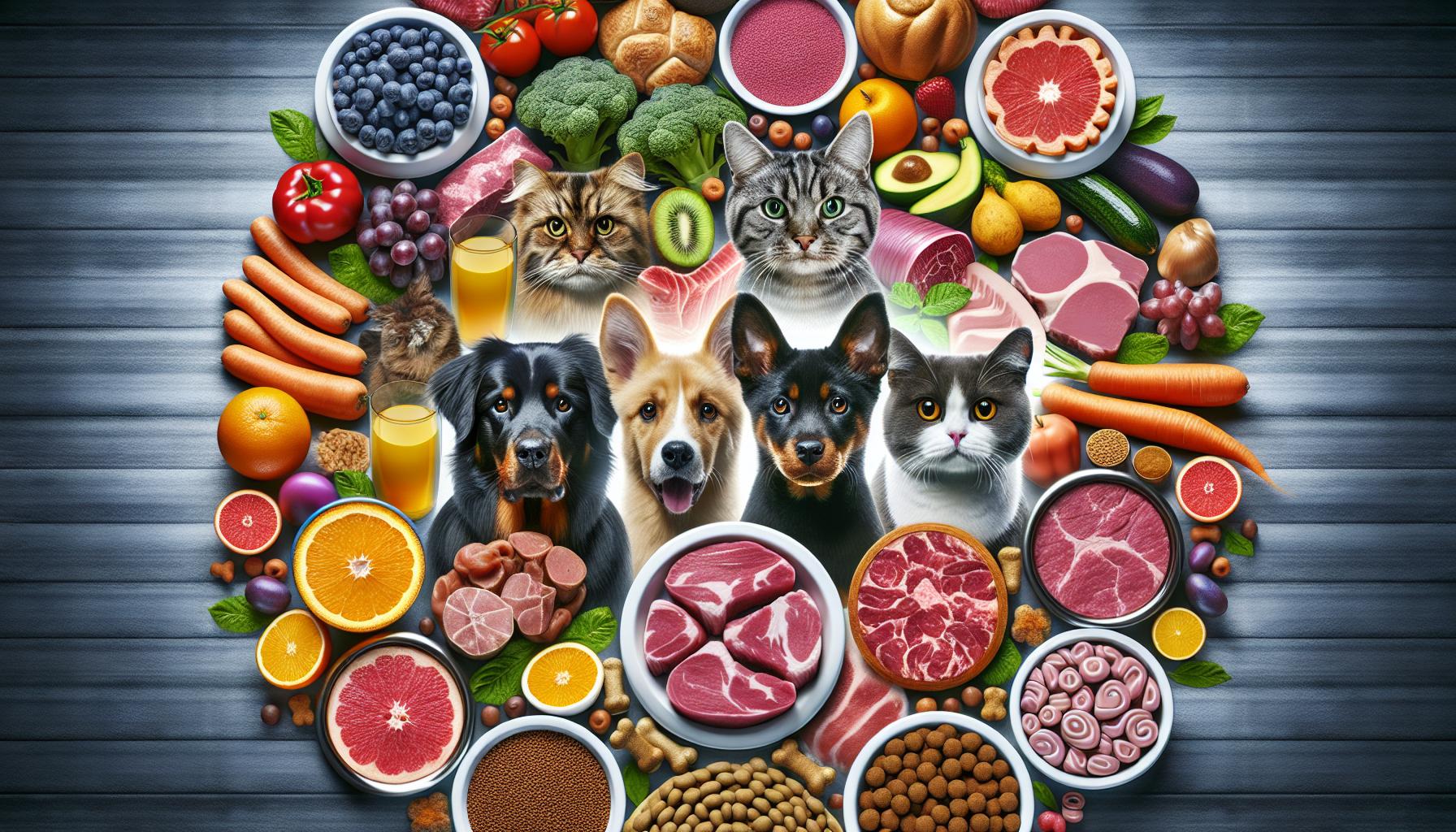
Tips for Ensuring a Balanced Diet: Essential Nutrients for Pet Health

Understanding Pet Nutrition: The Basics
Every pet owner knows that a healthy diet is fundamental to a pet’s well-being. However, navigating the maze of pet nutrition can often be challenging. With a plethora of options available on the market, the responsibility of choosing the right food can feel overwhelming. To make informed decisions, one must carefully consider essential nutrients, food types, and specific dietary needs unique to their pets.
Key Nutrients for Your Pet
To ensure your furry friend receives a balanced diet, it’s crucial to prioritize key nutrients that promote longevity and vitality. These nutrients serve various purposes essential for maintaining health:
- Proteins: These are the building blocks of life, crucial for growth, tissue repair, and muscle development. High-quality protein sources such as chicken, beef, and fish not only support muscle strength but also contribute to a shiny coat and improved overall health.
- Fats: Often misunderstood, fats are vital for energy and essential for maintaining cell structure. Healthy fats from sources like fish oil can support brain health and improve skin condition. These fats are particularly important for energetic breeds which require additional calories to sustain their activity levels.
- Carbohydrates: While some pet owners believe carbs are unnecessary for pets, they play an important role in digestive health and energy supply. Ingredients like brown rice and sweet potatoes can provide long-lasting energy and fiber, promoting a healthy gut.
- Vitamins and Minerals: These micronutrients are key players in various bodily functions, from immune support to bone health. A well-rounded diet including fruits and vegetables can offer a rich source of these essential nutrients.
Tailoring Diets to Individual Needs
Pets, just like humans, require a variety of food types to thrive. The choices might be abundant, but availability can also lead to confusion. It’s crucial to understand your pet’s specific dietary requirements based on factors including:
- Age: Puppies and kittens have different nutritional needs compared to adults and seniors. For instance, younger pets require higher protein levels for growth, whereas older pets may benefit from diets lower in calories to manage weight.
- Breed: Different breeds may have unique health issues that necessitate specialized diets. For example, large breeds like Great Danes are more prone to joint issues, making a diet rich in glucosamine and omega-3 fatty acids beneficial.
- Activity Level: Active, energetic pets, especially working or sporting breeds, have different caloric and nutrient requirements compared to more sedentary pets. Adjusting their food based on their activity can prevent obesity and health complications.
Practical Tips for a Balanced Diet
By paying careful attention to these factors, you can help your pets maintain their health and happiness. Here are some practical tips to ensure your pet’s diet remains perfectly balanced and loaded with essential nutrients for optimal health:
- Consult your veterinarian before making any significant changes to your pet’s diet, as they can recommend the best food based on your pet’s specific needs.
- Introduce new food gradually to avoid digestive upset, mixing it with their current food over a week or so.
- Always provide access to fresh and clean water, particularly if your pet is on a dry food diet.
- Consider rotational feeding, offering different proteins or kibble brands to provide variety and prevent food boredom.
In conclusion, understanding and implementing a well-rounded diet tailored to your pet’s needs not only has immediate health benefits but also leads to a vibrant and happy life for your furry companions. By exploring the intricacies of pet nutrition, you empower yourself to nurture your pet towards a long and fulfilling life.
DISCOVER MORE: Click here to learn about the benefits of skin care for your pets
Practical Tips for a Nourishing Diet
When it comes to ensuring your pet receives a balanced diet, the journey begins with understanding the variety of food options available, the quality of those options, and the specific needs of your pet. Implementing the right strategies can make a substantial difference in your pet’s health and happiness. Here are some essential tips to help you navigate the myriad of dietary choices:
Choosing the Right Food
Not all pet food is created equal. Therefore, it’s paramount to select high-quality brands that meet the nutritional standards established by the Association of American Feed Control Officials (AAFCO). Look for packages that indicate the food is formulated to meet AAFCO standards, as this ensures it contains the necessary amounts of essential nutrients. Consider the following factors:
- Ingredient List: The first few ingredients should be a source of high-quality protein such as meat or fish. Ingredients like whole grains, fruits, and vegetables should follow.
- Life Stage Formulation: Choose food that corresponds to your pet’s life stage—puppy, adult, or senior. Each stage has different nutritional requirements.
- Specific Formulations: If your pet has specific health concerns, such as allergies or weight management issues, look for special formulations designed to address these conditions.
Incorporating Variety
Just as diversity in our diets contributes to our health, the same principle applies to our pets. Rotational feeding—offering different types of protein or kibble brands—can provide a more well-rounded array of nutrients and keep mealtime exciting for your furry friend. Experimenting with various proteins, such as lamb, turkey, or salmon, can enrich your pet’s diet while preventing food boredom.
Monitoring Portion Sizes
Portion control plays a critical role in maintaining a balanced diet and weight management. Overfeeding can lead to obesity, which in turn is associated with several health problems like diabetes, heart disease, and joint issues. Here are some helpful tips to effectively control portions:
- Follow Guidelines: Refer to the feeding guidelines on the pet food label, adjusting based on your pet’s specific weight and activity level.
- Use Measuring Tools: Use a measuring cup or a kitchen scale to ensure you are providing the correct amount of food.
- Limit Treats: Treats should not exceed more than 10% of your pet’s daily caloric intake. Opt for healthy options like small pieces of cooked chicken or carrots.
By integrating these tips into your pet’s mealtime routine, you will pave the way for a healthier lifestyle, reinforcing the essential nutrients necessary for their overall well-being. Taking the time to examine the labels, incorporate variety, and monitor portions will undoubtedly lead to a fulfilling and vibrant life for your beloved companion.
Understanding the Essential Nutrients Your Pet Needs
Providing a balanced diet for your pet goes beyond just food; it’s about ensuring they receive the right mix of nutrients essential for their overall health. Just like humans, pets require a variety of nutrients to support their bodily functions. These nutrients can be categorized into macronutrients and micronutrients.
Macronutrients for Optimal Energy
Proteins, fats, and carbohydrates are the primary macronutrients found in pet food. Proteins are the building blocks for muscles, tissues, and enzymes, while fats provide a concentrated source of energy and are vital for absorbing fat-soluble vitamins. Carbohydrates, although not essential, can be an excellent energy source and provide fiber for digestive health. It’s important to choose high-quality sources of these macronutrients—like real meat, whole grains, and healthy fats—to ensure your pet thrives.
Micronutrients to Boost Immunity
Vitamins and minerals are essential micronutrients that support various bodily functions. For instance, vitamin A is crucial for vision and skin health, while B vitamins help convert food into energy. Minerals like calcium and phosphorus are vital for bone health. Ensuring your pet’s diet is rich in these micronutrients can enhance their immune system, reduce the risk of chronic diseases, and contribute to longevity.
Water: The Most Overlooked Nutrient
It’s also essential not to overlook water—in fact, it’s the most critical nutrient of all! Proper hydration aids in digestion, nutrient absorption, and temperature regulation. Always ensure your pet has access to fresh, clean water at all times.
Allergies and Sensitivities
In some cases, pets might have allergies or sensitivities to certain foods. If you notice your pet showing signs of discomfort or changes in behavior after eating, consult your veterinarian. They can guide you on the best diet tailored to your pet’s specific needs.
| Nutrient Category | Importance |
|---|---|
| Proteins | Essential for muscle and tissue development. |
| Vitamins | Boosts immunity and supports various bodily functions. |
| Water | Aids in digestion and nutrient absorption. |
| Minerals | Crucial for bone health and metabolic processes. |
By understanding and incorporating these essential nutrients into your pet’s diet, you will not only promote their health but also enhance their quality of life. Stay informed, and make choices that align with their specific dietary needs!
DIVE DEEPER: Click here to discover the impact of pet adoption
Understanding Essential Nutrients for Optimal Health
Essential nutrients play a critical role in your pet’s health and well-being. Just as humans need a variety of nutrients to thrive, so do our furry companions. Here are some of the key nutrients to look for in your pet’s diet and why they matter:
Proteins: The Building Blocks
Proteins are essential for your pet’s growth, repair, and overall maintenance of body tissues. They are comprised of amino acids, some of which are classified as essential because the body cannot synthesize them. For dogs and cats, sources like chicken, beef, and fish provide high-quality proteins. It’s also critical to assess the protein digestibility of the food. Foods with high biological value are more easily absorbed. Aim for a balance: higher protein percentages can be beneficial for active pets, while moderate levels are ideal for less active or older pets.
Fats: A Source of Energy
Although often viewed negatively, fats are a vital component of a balanced diet. They provide energy, promote healthy skin and coat, and aid in the absorption of fat-soluble vitamins (A, D, E, and K). Specifically, omega-3 and omega-6 fatty acids are particularly beneficial, supporting heart and joint health while reducing inflammation. Look for high-quality fat sources in pet food, such as fish oil or chicken fat, ensuring your pet enjoys the numerous benefits that healthy fats offer.
Carbohydrates: Fuel for Active Pets
While pets are primarily carnivorous (cats) or omnivorous (dogs), carbohydrates can still play a significant role in their diet. Healthy carbohydrates from whole grains, fruits, and vegetables provide energy and support digestive health. Fiber, particularly from sources like sweet potatoes and peas, can help maintain gut health by promoting regular bowel movements. When considering carbohydrates, aim for complex sources, as they provide gradual energy release and prevent blood sugar spikes.
Vitamins and Minerals: Micro-nutrients Matter
Vitamins and minerals, though required in small amounts, are essential for various metabolic processes in your pet’s body. Specifically, calcium and phosphorus contribute to strong bones and teeth, while vitamin D aids calcium absorption. Additionally, antioxidants like vitamin C and E can bolster your pet’s immune system, allowing them to fend off illnesses. When evaluating commercial pet food, verify that it the food is supplemented with essential vitamins and minerals to fulfill all dietary demands.
Hydration: Don’t Overlook Water
Most pet owners remember to provide food, but hydration is equally crucial. Water is involved in every bodily function, from digestion to temperature regulation. Ensure that your pet has access to fresh, clean water at all times. If your pet enjoys eating wet food, it can also serve as a hydration source. Cats, in particular, may benefit from a high-moisture diet to promote healthy urinary tract function.
With a thorough understanding of these essential nutrients, you can make informed choices when selecting food that will best support your pet’s health. Paying attention to their specific dietary needs based on their age, size, and health will not only enhance their day-to-day vitality but also promote longevity and quality of life.
DIVE DEEPER: Click here to uncover the evolution of pet adoption
Conclusion: A Comprehensive Approach to Pet Nutrition
In summary, ensuring that our pets receive a balanced diet filled with essential nutrients is crucial for promoting their health and enhancing their quality of life. By understanding the roles of proteins, fats, carbohydrates, vitamins, minerals, and hydration, you can make informed dietary choices that align with your pet’s specific needs. Choosing high-quality food tailored to your pet’s age, breed, activity level, and any health considerations can significantly affect their well-being and longevity.
Additionally, staying informed about the latest nutritional research and practices can help you adjust your pet’s diet as needed. Remember that each pet is unique; what works for one might not be suitable for another. Consulting with a veterinarian or a pet nutritionist can provide personalized insights that are beneficial in navigating the vast world of pet food options.
As you embark on this journey towards optimal pet health, consider enriching their meals with natural, whole foods when possible, and closely monitor their dietary responses. A balanced diet leads not only to physical health but can also bolster mental well-being, ensuring your beloved pet leads a happy, active life. The path to a healthier pet is paved with informed decisions and a commitment to nutrition—start today, and your furry friend will thank you for it!