Training Techniques for Cats: Demystifying Feline Behavior
Cats and Their Enigmatic Behavior
Cats, often perceived as solitary and aloof creatures, possess a multifaceted behavioral spectrum that can be challenging to decipher for many pet owners. Contrary to the common belief that they require little training, incorporating structured training techniques can illuminate their intricate personalities. By delving into these methods, we can enhance our understanding and strengthen the bond we share with our feline friends.
Why Train Your Cat?
Training is not solely the domain of dogs; cats can significantly benefit from structured learning experiences as well. Here are key reasons why training your cat is advantageous:
- Improved Behavior: Training can effectively mitigate unwanted behaviors, reducing issues such as scratching furniture, excessive meowing, or biting. For instance, providing your cat with a designated scratching post while reinforcing its use with treats can save your beloved couch from becoming an unwitting scratching canvas.
- Enhanced Interaction: Engaging your cat in playful training sessions can foster a deeper connection between you and your pet. Regular interactive play not only stimulates your cat mentally and physically but also enhances your relationship as you work together towards mutual goals.
- Socialization: Training helps acclimate your cat to various stimuli, making them more comfortable in diverse environments. This is particularly important for kittens, as early socialization can lead to well-adjusted adult cats capable of adapting to new situations, such as vet visits or meeting new people.
Popular Training Techniques
A variety of effective techniques can significantly improve your cat’s learning experience. Here are some popular methods:
- Clicker Training: This positive reinforcement technique employs a clicker to mark desired behaviors, instantly followed by a reward. For example, if your cat sits on command, a quick click followed by a treat reinforces that behavior, associating the action with a positive outcome.
- Target Training: This method involves teaching your cat to touch a specific object, like a stick or your hand. By guiding them to touch the target, you enhance their focus and engagement, setting the stage for more complex behaviors. Cats often find this exercise stimulating and enjoyable, making learning feel like play.
- Lure and Reward: This common technique uses treats to entice cats to perform desired actions. For instance, by luring your cat with a treat to jump onto a surface or navigate an obstacle, you can guide them through increasingly complex tasks, reinforcing good behavior through praise and rewards.
As you venture into these training methods, you’ll discover that understanding feline behavior not only enriches your cat’s life but also transforms your relationship with them. Each technique serves as a tool to navigate the world of your cat’s instincts and preferences, opening up a fascinating glimpse into their unique personalities. Join us as we further explore this captivating subject, gaining insights that could change your perspective on feline companionship.
Unlocking the Secrets of Feline Learning
Understanding how to train your cat may seem daunting at first, but with patience and the right approach, it’s possible to unravel the complexities of your feline friend’s behavior. The essence of successful feline training hinges on the inherent nature of cats and their unique learning styles. By tailoring your techniques to their instincts, you can foster an engaging environment that encourages learning and compliance.
Understanding Cat Behavior
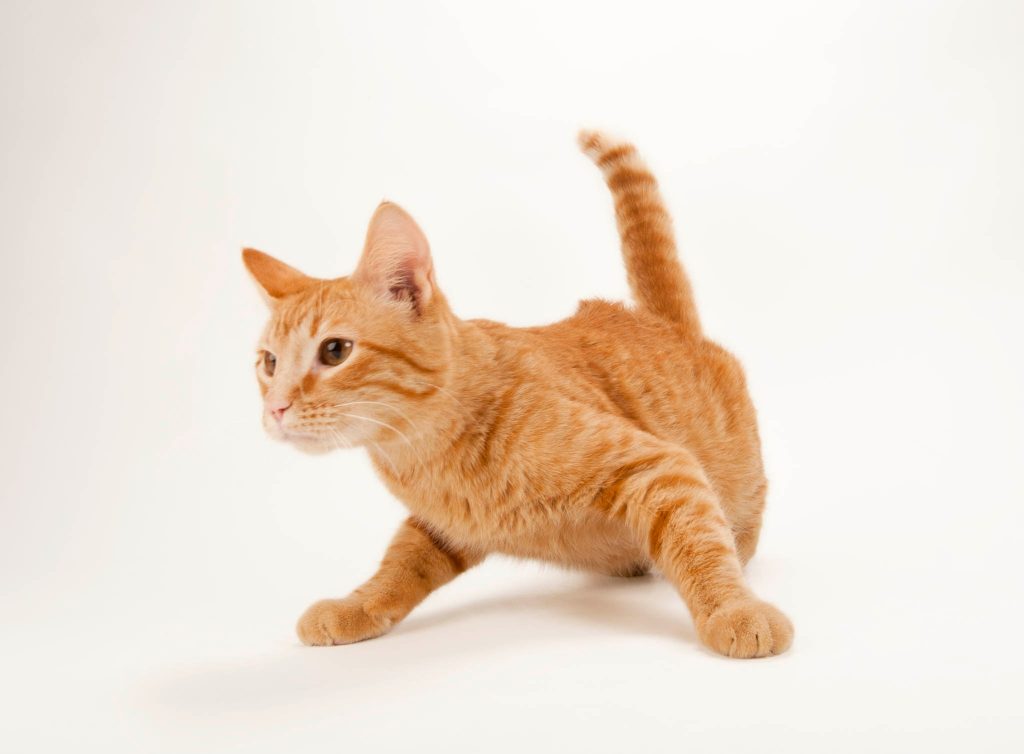
Before delving into specific training techniques, it’s crucial to appreciate how cats perceive the world. They are naturally curious creatures, equipped with powerful instincts as hunters. This predilection for exploration and play is invaluable for training purposes. Recognizing that cats learn through experiences will guide you in establishing effective training sessions that resonate with their inherent behaviors.
One of the most fundamental aspects of training is positive reinforcement. Cats respond better when they associate actions with favorable outcomes. Unlike dogs, who may be more sensitive to commands, cats thrive on motivation. Therefore, employing techniques that capitalize on their natural curiosities will yield the best results.
Creating a Training Environment
Setting the right environment is pivotal for effective training. Here are some essential considerations to keep in mind when preparing for your training sessions:
- Designate a Quiet Space: Choose a calm and quiet area in your home, free from distractions and loud noises. This ensures your cat can focus entirely on learning and will feel secure in their surroundings.
- Short Sessions: Cats have relatively short attention spans, so keeping training sessions brief—around 5 to 10 minutes—is essential. Frequent, short interactions will reinforce learning without overwhelming your cat.
- Use Favorite Treats: Identify which treats your cat enjoys the most. Using high-value rewards will increase their motivation and make them more eager to participate during training sessions.
- Incorporate Play: Introducing elements of play into the training process can make learning feel like a game. Use toys or interactive tools to teach new behaviors while keeping your cat engaged and entertained.
With a well-thought-out training environment, you can effectively introduce various techniques that will intrigue your cat. The incorporation of familiar elements not only helps in maintaining their interest but also fosters a positive learning atmosphere. When you contribute to their comfort and curiosity, you open the door to training possibilities that enhance their overall behavior and enrich your shared lives.
Understanding Rewards
Rewards must be immediate and consistent; this ensures your cat makes the connection between the behavior and the positive reinforcement. Utilize treats, praise, or fond petting as rewards to encourage compliance. Consistency is crucial, as it helps your feline friend learn expectations and establish habits through practice.
Embarking on a training journey with your cat can be immensely rewarding. Not only does it aid in addressing behavioral issues, but it also provides an opportunity for enhanced interaction. Stay tuned as we delve deeper into specific training methods and their applications, ensuring you are equipped to navigate the intriguing world of feline behavior training.
| Advantage | Description |
|---|---|
| Enhanced Communication | Training techniques foster better understanding between the owner and the cat, leading to improved bonding and decreased misunderstandings. |
| Behavior Modification | Employing specific training tactics helps to modify undesirable behaviors, ensuring a more peaceful home environment. This allows for a better lifestyle where positive interactions can flourish. |
| Mental Stimulation | Engaging training techniques provide essential mental enrichment for cats, preventing boredom and potential behavioral issues caused by inactivity. |
| Increased Safety | Through training, owners can teach their cats crucial commands that promote their safety, such as recall commands that prevent outdoor accidents. |
Understanding the myriad of training techniques available for felines can lead cat owners to enhance their experience with their beloved pets significantly. Interested in exploring specific methods that can demystify feline behavior? Stay tuned as we delve into more advanced techniques and tips tailored for your individual cat’s temperament and personality!
Harnessing the Power of Clicker Training
When exploring effective training techniques for cats, one method that stands out is clicker training. This technique leverages the principles of operant conditioning to create a clear, audible mark that signifies desired behavior. The beauty of clicker training lies in its simplicity and the ability to communicate effectively with your cat.
The process begins by associating the sound of the clicker with a reward. Start in a quiet environment to avoid distractions, and when your cat performs the desired action—be it sitting, coming when called, or any trick you wish to teach—press the clicker immediately, followed by offering a treat. This immediate feedback helps your feline friend connect the action with both the sound and the reward. With repetition, the click alone becomes a motivator, prompting the cat to perform the action again.
Training Through Play
Cats are playful by nature, so integrating play into your training can optimize engagement. Using items like feather wands, laser pointers, or fishing rod toys can transform routine training into an entertaining experience. For example, after your cat successfully performs a trick (like jumping through a hoop), you can reward them with a few minutes of playtime. This not only reinforces their learning but also ensures they associate training with fun.
Moreover, incorporating interactive toys that dispense treats can transform training into a game of problem-solving. By encouraging your cat to figure out how to access the treats, you’re stimulating their mind while reinforcing the concept that effort leads to rewards. Engaging toys serve as both exercise and mental stimulation, creating a holistic approach to feline training.
Addressing Behavioral Issues
While training can be a fun endeavor, it also serves as a means to address specific behavioral issues. Common problems, such as litter box avoidance or excessive scratching, can often be corrected through targeted training techniques. For instance, if your cat tends to scratch furniture, introducing a scratching post can be beneficial. Each time your cat uses the post, reward them with treats or clicker sounds to reinforce that behavior.
Moreover, if your cat struggles with litter box issues, consider the placement of the box and the type of litter used. If your cat prefers privacy, ensure the box is in a quiet corner. You may also experiment with different types of litter to find what your cat prefers, rewarding them for using the box consistently. These adjustments can significantly decrease stress for both you and your feline companion.
Maintaining Consistency and Patience
Consistency is vital in all aspects of training. Establishing a routine helps your cat understand expectations. Always employ the same commands and signals, and involve all family members in the training process. If one person rewards a behavior and another does not acknowledge it, this inconsistency can confuse your cat.
Patience is equally important; training can sometimes feel slow, particularly with certain breeds known for their independent streaks. Recognizing that each cat is unique and may learn at their own pace ensures you remain positive throughout the process. Celebrate small victories and don’t hesitate to adapt your techniques if they aren’t yielding the expected results.
By understanding and applying these varied training techniques, you’ll demystify your cat’s behavior and significantly enhance your relationship. Not only do these methods address behavioral issues, but they also enrich the lives of both you and your feline friend, making for a harmonious household.
Conclusion: Embracing Effective Training for a Stronger Bond
Understanding and implementing training techniques for cats can be a transformative journey for both pet owners and their feline companions. The principles of clicker training and incorporating play in learning not only make the process enjoyable but also enhance communication between you and your cat. Recognizing the individuality of each feline is paramount; remembering that patience and consistency pave the path to success will help you manage your expectations and foster a positive training environment.
Addressing common behavioral issues through targeted training solutions can lead to significant improvements in your cat’s behavior and overall well-being. Whether through rewarding desired actions or creating engaging puzzles, these methods not only correct problems but also strengthen the bond shared with your pet. Additionally, a structured routine reinforces learning, helping your cat feel secure and understood in their living space.
Ultimately, understanding feline behavior through effective training techniques demystifies much of the confusion surrounding our furry friends. By committing to this journey, you cultivate not only better behavior but also the joy of seeing your cat thrive. As you explore these methods, you’ll discover that training is not merely a task, but an enriching experience that enhances your life together. Dive deeper into the fascinating world of cat training, and watch how it transforms your relationship with your beloved companion.